Hunting the Maine Resident-Only Day
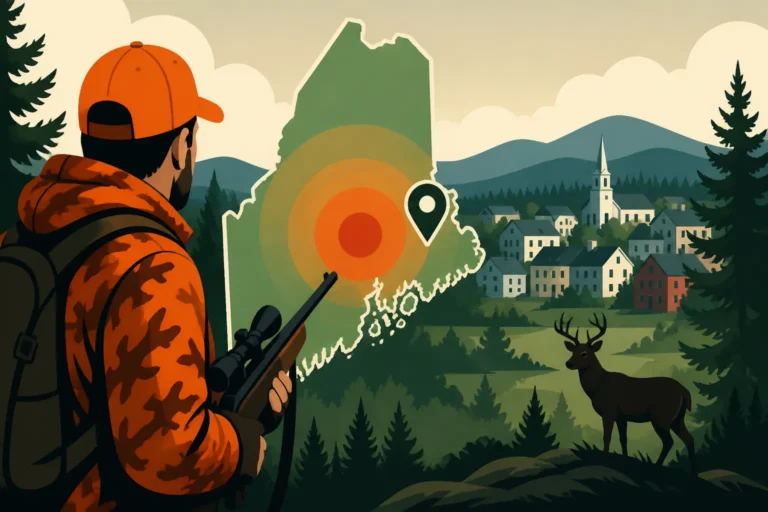
For many of us who live and breathe hunting in Maine, the arrival of fall brings with it a special mix of excitement and anticipation. But there's one day that stands out for residents, a unique opportunity that often feels like a gift: the Resident-Only Deer Hunting Day. This day, typically the Saturday before the main firearms season, can feel a bit overwhelming if you don't know how to capitalize on it, with questions about where to go, what to expect, and how to make the most of those precious hours. This guide is here to walk you through everything you need to know to transform that unique day into a truly memorable hunt.
Understanding the Maine Resident-Only Day's Special Status
When you think about deer hunting seasons in Maine, you usually picture the long archery stretch, the four-week firearms season, and then the muzzleloader close. But tucked right before the hustle and bustle of the statewide firearms opener is a gem specifically for us Mainers. This isn't just another day to hunt; it's a day designed with a particular purpose and holds a unique place in our hunting traditions.
The Legal Framework for Resident Hunters
The Maine Department of Inland Fisheries and Wildlife (MDIFW) sets aside this specific Saturday each year, generally the last Saturday of October, exclusively for resident hunters. This means that if you're a non-resident, you'll have to wait until the Monday opener with the rest of the crowd. For residents, it's a chance to hit the woods when the deer have seen minimal pressure from firearms hunters, offering an advantage that's truly appreciated. It’s part of a broader strategy by the state to manage deer populations and provide equitable opportunities, while also offering a nod to the local community. Make sure you're always familiar with the current year's dates and regulations by checking the official MDIFW hunting law book or their website; rules can sometimes have minor adjustments.
It’s crucial to understand that all other regulations, such as legal deer, bag limits, and proper tagging procedures, still apply on this day. This isn't a free-for-all; it's simply a day of restricted access to only residents. You'll still need your valid Maine hunting license, and if you plan to take an antlerless deer, you'll need to have drawn an Maine's Antlerless Permit System permit for the specific Wildlife Management District (WMD) you're hunting, assuming that WMD requires one. No matter how special the day feels, adhering to all laws is paramount.
Historical Context and Purpose
The concept of a resident-only day isn't unique to Maine, but its implementation here is deeply rooted in our hunting culture. Historically, it was introduced to provide Maine residents with an exclusive opportunity to hunt deer before the influx of non-resident hunters and the full statewide pressure of the general Maine's Four-Week Firearms Deer Season. This helps distribute hunting pressure and offers a chance for local hunters to experience the woods with a bit more solitude and less competition. It's a way of recognizing the contributions of resident hunters to conservation efforts and maintaining a strong local connection to our natural resources.
The purpose isn't just about giving residents an edge, though that's certainly a perk. It's also a management tool. By allowing a smaller subset of hunters into the woods on this day, the MDIFW can observe early season deer movement and hunter success rates, which contributes to their overall understanding of the deer herd dynamics before the full season kicks off. This data, combined with population estimates like the Maine Deer Population Estimate, helps inform future management decisions, ensuring healthy deer populations for generations to come.
Eligible Species and Zones
While the Resident-Only Day is often synonymous with deer hunting, it’s important to clarify that this special access applies specifically to white-tailed deer. You won't find special privileges for other species like moose or bear on this particular day. The hunt is also open statewide, meaning if an area is open to general firearms hunting for deer, it's open for residents on this special Saturday. There are no additional zone restrictions beyond those that apply to the regular firearms season.
However, you still need to be aware of any local ordinances or special rules for specific properties, like Wildlife Management Areas (WMAs) or private lands. Always ensure you have appropriate permission for private land. Using resources like the GoHunt app can be incredibly helpful for identifying public land boundaries and owner information when you're planning your hunt, ensuring you're always within legal hunting areas. It’s a day for deer, and only deer, making your focus crystal clear.
Why This Day Matters to Maine Hunters
For those of us who grew up in Maine, or have made it our hunting home, the Resident-Only Day isn't just another calendar date; it's a cherished tradition and a strategic advantage. It truly sets the stage for the rest of the firearms season, often providing the best opportunity for a less pressured hunt.
Reduced Pressure, Increased Opportunity
Imagine walking into the woods on the general firearms opener. You hear shots, see other trucks parked, and know you're one of thousands. Now, picture that same woods on the Resident-Only Day. While there will certainly still be other resident hunters out there, the sheer volume is noticeably less compared to the following Monday. This reduction in pressure can dramatically increase your chances of seeing deer that aren't as skittish or driven by human activity.
Deer, being creatures of habit, are often less wary before the woods get thoroughly stirred up by the masses. They might stick to their regular routines longer, moving through familiar feeding and bedding areas without constantly looking over their shoulder. This can translate to more sightings, more relaxed deer, and perhaps that moment you've been dreaming of, where a big buck slowly works his way past your stand instead of spooking at the first hint of human presence. It’s an invaluable chance to connect with the landscape and its inhabitants on more natural terms.
Community and Tradition on the Hunt
Beyond the tactical advantages, the Resident-Only Day often fosters a deeper sense of community among Maine hunters. It's a day for locals, shared with friends, family, and neighbors who all understand the unique privilege it represents. Many families have traditions built around this specific Saturday, whether it’s a shared breakfast before dawn or meeting up for a celebratory lunch afterward. It’s an opportunity to teach younger generations about ethical hunting, wildlife management, and the beauty of Maine’s wilderness in a setting that's slightly more intimate than the general opener.
For many, it's a day to truly immerse themselves in the spirit of Maine Deer Camp Traditions, even if it's just for a single day hunt. This sense of shared experience strengthens bonds and reinforces the values that underpin our hunting heritage. You're not just pursuing game; you're participating in a collective experience that dates back generations, making memories that last far longer than any successful harvest.
The Scouting Advantage
The Resident-Only Day serves as a fantastic real-time scouting opportunity, especially for the subsequent Maine Firearms Season Opening Day. Even if you don't fill your tag, the information you gather is priceless. You'll be able to observe fresh deer sign, track movement patterns, and see how deer react to minimal human presence. Did they use that bedding area you suspected? Are they still hitting that apple orchard hard? Has that clear-cut grown in enough to provide cover and food?
This day allows you to get valuable intel on current conditions, something you can't truly replicate with trail cameras or pre-season hikes alone. It's a chance to test your theories and adjust your strategy for the coming weeks. Pay attention to everything: fresh rubs, scrapes, tracks, and droppings. Note where deer are crossing roads, what food sources they are prioritizing, and how they are navigating the changing fall landscape. Even if you come home empty-handed, you've gained crucial knowledge that can lead to success later in the season.
| Feature | Resident-Only Day (Late October) | General Firearms Season (Early November) |
|---|---|---|
| Hunter Eligibility | Maine Residents Only | Residents and Nonresidents |
| Hunting Pressure | Significantly Reduced | High, especially on opening days and weekends |
| Deer Waryness | Generally lower, more predictable movement | Higher, deer more nocturnal and pressured |
| Weather Tendencies | Milder, sometimes frosty mornings | Colder, potential for snow and harsher conditions |
| Vegetation Cover | More leaves on trees, dense undergrowth | Falling leaves, less cover, more open woods |
| Rut Activity | Pre-rut or early rut behavior starts | Peak rut (early to mid-November) |
| Scouting Value | High, ideal for real-time intel | Moderate, conditions change rapidly |
Strategies for a Successful Resident-Only Day Hunt
Making the most of the Resident-Only Day requires more than just showing up. It demands preparation, thoughtful strategy, and an understanding of deer behavior during this specific window of the season. This isn't the peak rut, nor is it late season; it's a unique transitional period.
Pre-Season Scouting and Planning Focus
Success on the Resident-Only Day truly begins long before dawn on that special Saturday. This is where your diligent pre-season scouting pays off. Focus on identifying pinch points, natural funnels, and prime food sources. Are the acorns dropping? Which apple trees are producing? What about that small patch of brassicas or winter rye you saw planted near a woodlot? Deer are often still relatively predictable in their movements between bedding and feeding areas at this time of year, especially with minimal pressure.
When you're out Scouting Maine Private Land Before Season or public tracts, look for consistent sign. Rub lines along logging roads or scrape lines in mature hardwoods can tell you a lot about buck travel corridors. Use tools like the GoHunt app to overlay public and private land boundaries, and topographic maps to identify subtle elevation changes that might create natural travel routes. Knowing exactly where you want to be before the day arrives, and having a backup plan, is crucial. Don’t wait until the week before to figure it out; start scouting in late summer and early fall.
Still-Hunting and Patient Stands
Given the reduced pressure, deer on the Resident-Only Day are often less jumpy and might hold tight in cover rather than fleeing at the first hint of danger. This makes still-hunting an incredibly effective tactic. Move slowly, deliberately, stopping every few steps to scan ahead, listen, and glass thickets. Pay attention to the wind and thermals, especially in hilly terrain. Understanding Wind and Thermals in Maine Hill Country can mean the difference between seeing deer and bumping them. You're looking for subtle movements, a flick of an ear, a patch of brown that seems out of place. This method allows you to cover ground and find deer without pushing them into neighboring properties.
Alternatively, if you've done your homework and identified a prime travel corridor or feeding area, a patient stand hunt can be deadly. Set up well before first light, minimizing your scent and sound. A ground blind brushed into a field edge, or a tree stand positioned to overlook a natural funnel, can offer excellent opportunities. Deer often move more in daylight on this less-pressured day, so committing to a longer sit in a high-probability spot can be highly rewarding.
Working Funnels and Travel Corridors
Deer, particularly bucks, are creatures of efficiency. They will almost always choose the path of least resistance or the route that offers the most security. This is where identifying funnels and travel corridors becomes critical. A funnel could be a narrow strip of woods between two open fields, a saddle in a ridge, or a thick transition zone between different habitat types. These are natural choke points that concentrate deer movement.
Focus your efforts on these areas. Deer will use these pathways to move from bedding to feeding, or simply to cruise for does as the pre-rut begins to warm up. A strategically placed stand overlooking a beaver flowage edge at dusk, or an ambush point along a well-used game trail bordering a clear-cut regrowth edge, can be incredibly effective. Pay attention to terrain features and vegetation changes that naturally guide deer, and you'll find yourself in prime position for an encounter.
Weaponry and Gear Considerations for the Day
Hunting on the Resident-Only Day is still firearms season, so all the usual rules apply. However, thinking about the specific conditions of late October in Maine, and the potentially milder weather, might influence some of your gear choices.
Legal Firearms and Ammunition
On the Resident-Only Day, you'll be using the same legal firearms and ammunition as during the general Maine Firearms Season Dates. This typically means centerfire rifles, shotguns, and muzzleloaders, provided they meet minimum caliber and projectile requirements. Maine is generally pretty standard on this, allowing a wide array of options. What's most important is that you are proficient with your chosen weapon. Spend time at the range ensuring your rifle is sighted in and that you can make an ethical shot under field conditions.
A common mistake is trying out a new load or a new rifle right before the season. Stick with what you know and what you've practiced with. A good quality scope, properly mounted and zeroed, is also non-negotiable. Don't forget to carry enough ammunition for your hunt, and always ensure your firearm is handled safely, respecting all rules and regulations for transport and discharge.
Essential Cold Weather Gear, Even if it's Mild
While late October can sometimes offer surprisingly mild weather, Maine is notorious for its sudden temperature drops. You absolutely cannot afford to be underdressed. Layering is key. Start with a moisture-wicking base layer, add insulating layers like fleece or wool, and top it off with a waterproof and windproof outer shell. Bring a warm hat, gloves or mittens, and good quality waterproof boots. Even if the morning starts out chilly, by midday you might be shedding layers, but it's always better to have them and not need them than to need them and not have them.
Sitting still in a stand for hours, even on a moderately cold day, can chill you to the bone. Pack hand warmers, a small thermos of hot coffee or tea, and a comfortable seat cushion. Being miserable in the woods is a surefire way to cut your hunt short and miss opportunities. Prioritize comfort and safety above all else, because a cold hunter is a distracted and less effective hunter.
Navigation Tools and Apps
Even if you know your hunting area like the back of your hand, having reliable navigation tools is critical. GPS units, whether standalone devices or apps on your smartphone, are invaluable. Apps like GoHunt, Gaia GPS, or OnX Hunt can provide detailed topographic maps, satellite imagery, and critical property boundary overlays. This is especially helpful for understanding the layout of public reserved land or identifying private tracts where you might have permission.
Always carry a fully charged phone, and ideally a portable power bank, as cold weather can drain batteries quickly. Remember that cell service can be spotty or nonexistent in many parts of Maine's hunting country, especially in the more remote regions, so don't rely solely on your phone. A good old-fashioned map and compass are excellent backups, and knowing how to use them is a valuable skill every hunter should possess. This ensures you can confidently navigate through the woods, locate your stand, and safely recover a deer.
Common Challenges and How to Overcome Them on Resident-Only Day
Even with reduced pressure, the Resident-Only Day isn't without its hurdles. Maine's diverse terrain and unpredictable weather, combined with the nuances of hunting a specific timeframe, can throw a few curveballs. Knowing what to expect and how to adapt is key.
Handling Unexpected Hunting Pressure
While the Resident-Only Day should have less pressure than the general opener, it's not entirely devoid of other hunters. Depending on the popularity of a certain WMD or specific public land tracts, you might still encounter other resident hunters. This can be frustrating, especially if you've spent months scouting a particular spot. The key is to be adaptable and respectful. If you arrive at your chosen spot and see another hunter's truck or hear activity, have a backup plan.
This is where extensive pre-season scouting really pays off. Having multiple spots identified, ranging from highly desirable to less-traveled, allows you to pivot. Consider hunting areas that require a bit more effort to access, like walking a few miles into a remote section of a Maine Wildlife Management Areas or traversing rough terrain. Many hunters won't put in the extra legwork, leaving those deeper areas less disturbed. Remember, courtesy in the woods is paramount. A simple wave and a nod can go a long way in maintaining good hunter relations.
Navigating Maine's Weather Extremes
Maine's weather in late October can be famously unpredictable. You might start the day with a crisp, frosty morning and bright sunshine, only for it to turn into a cold, driving rain by midday, or even an unexpected snow squall. This kind of volatility requires thorough preparation. As mentioned, layering your clothing is vital. Beyond that, be ready for wet conditions. Quality waterproof outerwear, including rain pants, is a must. A waterproof pack cover can protect your gear, and extra dry socks in your pack can make a world of difference for comfort.
High winds can also be a challenge, making it difficult to hear deer movement and pushing deer to seek shelter in dense cover. If high winds are forecasted, consider hunting thick conifer stands or sheltered valleys where deer are likely to hunker down. Conversely, a light rain can be your friend, muffling your footsteps and making deer less alert. Always check the forecast, but pack for the worst, because "the worst" can often happen in Maine.
Accessing Quality Land on This Special Day
One of the biggest frustrations for hunters, regardless of the day, is finding quality land to hunt. While Maine has a fantastic tradition of Maine's Private Land Access Tradition with implied permission on unposted land, there's always the challenge of finding deer habitat and avoiding posted property. The Resident-Only Day is no different. Your best bet for guaranteed access is generally public land, whether it's a WMA, Public Reserved Land, or tracts within the North Maine Woods.
However, often the most productive deer habitat exists on private parcels. This is where building relationships with landowners comes into play. If you've spent time knocking on doors and securing permission in advance, this day offers a unique opportunity to hunt those private properties with even less competition. Even small woodlots near more populated areas can hold deer, especially when they're not getting hammered by hunters. Don't overlook these smaller, less obvious spots; sometimes, the best hunting is right under your nose.
Making the Most of Your Tag and Experience
Regardless of whether you punch your tag, the Resident-Only Day is about more than just harvesting a deer. It's a foundational experience in the Maine hunting calendar, offering unique moments and a deeper connection to the land and our traditions.
Focusing on the Experience, Not Just the Harvest
It's easy to get caught up in the pressure of "getting one," especially on a special day like this. But remember, hunting is about the entire experience. It's about the crisp morning air, the rustling leaves, the scent of pine, and the quiet beauty of the Maine woods at dawn. It's about spotting a robin, hearing a woodpecker, or watching a squirrel scamper up a tree. These are the moments that truly define a hunt, regardless of whether a deer steps into your shooting lane.
Take the time to appreciate being out there. Practice your calls, fine-tune your tracking skills by following fresh deer sign, and simply observe the natural world around you. Even if you don't fill your tag, the day spent in the woods is a success if you come home with renewed spirit, a deeper understanding of deer behavior, and a greater appreciation for White-Tailed Deer Across Maine and the ecosystem they inhabit. This mindset reduces stress and often leads to a more enjoyable, and ultimately more successful, approach to hunting.
Sharing the Tradition with New Hunters
The Resident-Only Day presents a fantastic, lower-pressure environment to introduce new hunters, especially youth, to deer hunting. The generally reduced hunter numbers can make the experience less intimidating and more educational. If you have a mentee or a family member who has just completed their Maine Hunter Education Requirements and is eager to get into the field, consider bringing them along. This day can be less overwhelming than the chaos of the general opener.
Teach them about proper ethics, deer sign, patience, and the importance of respecting wildlife and landowners. Share the stories and traditions that make hunting in Maine so special. Even if they're not carrying a firearm, their presence as an observer can be incredibly valuable, fostering a love for the outdoors and setting the stage for future hunts. This day is a perfect opportunity to pass on the torch, ensuring the future of our hunting heritage.
Post-Hunt Responsibilities and Celebrations
Once the hunt is over, whether successful or not, there are still important responsibilities. If you were fortunate enough to harvest a deer, the work truly begins. This includes proper Field Dressing a Deer in Cold Weather to preserve the meat, transportation, and prompt registration. Maine has efficient online registration systems, or you can register your deer at one of the many check stations around the state. Follow all tag and transportation rules meticulously.
After the necessities are taken care of, it's time for the celebration. This might be a quiet moment of reflection, a meal shared with family, or a recounting of the day's events with friends. The Resident-Only Day is a unique privilege, and successfully navigating it, regardless of the outcome, is an achievement. Embrace the camaraderie, share your stories, and start planning for the next opportunity in Maine's rich hunting seasons.
Disclaimer
This guide is intended for informational purposes only and does not supersede any official regulations or laws set forth by the Maine Department of Inland Fisheries and Wildlife (MDIFW) or any other governing body. Hunters are responsible for knowing and adhering to all current hunting laws, season dates, bag limits, and licensing requirements. Always consult the most recent Maine hunting law book before heading afield.