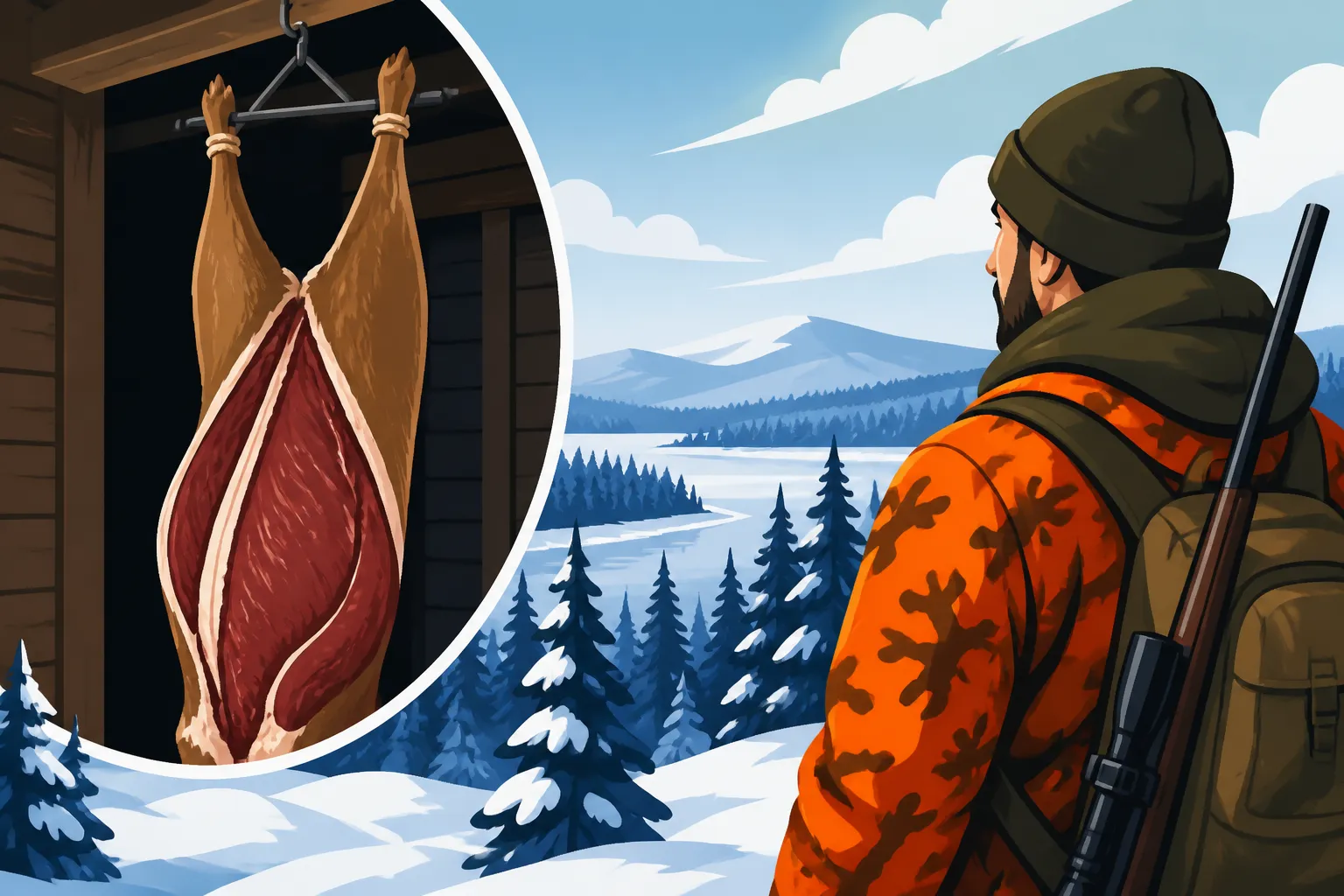
Aging Venison in Cold Weather
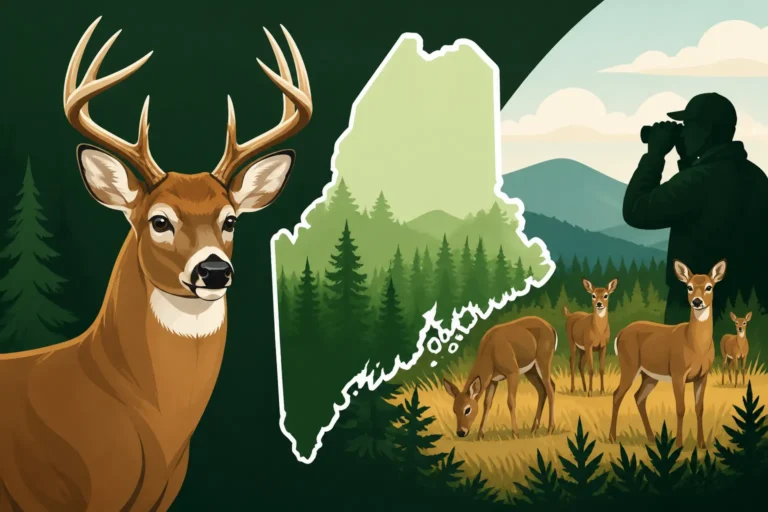
You've put in the hard work, made a clean shot, and now you're looking at a beautiful Maine whitetail. The thought of delicious venison fills your mind, but then comes the age-old question that can make or break your freezer meat: how do you properly age this deer, especially when Maine's weather can be as unpredictable as a buck's travel patterns? It's a real challenge, trying to find that sweet spot of temperature and time, fearing you'll either ruin the meat or miss out on its full potential. This guide is here to walk you through the ins and outs of aging venison in our sometimes fickle Maine cold, ensuring your harvest turns into the most tender, flavorful cuts possible.
Why Aging Venison Matters for Flavor and Tenderness
For many hunters, once the deer is down and field-dressed, the next step is often a rush to the butcher or a quick cut-and-wrap job at home. But savvy hunters know there's a crucial step that can elevate good venison to great venison: aging. It's a process that's steeped in tradition but backed by science, and it can dramatically impact your eating experience.
Understanding the Science Behind Aging
When you age venison, you're not just letting it sit there; you're initiating a controlled breakdown of the muscle fibers. Immediately after an animal is harvested, its muscles stiffen, a process known as rigor mortis. This is why fresh, unaged meat can be tough. During aging, natural enzymes within the muscle tissue get to work. These enzymes, particularly calpains and cathepsins, begin to break down the complex proteins and connective tissues that make meat tough. Think of it like a natural tenderizer at work, slowly making the meat more palatable.
Simultaneously, moisture begins to evaporate from the surface of the meat. This might sound counterintuitive, but a slight reduction in moisture concentrates the flavors, leading to a richer, more intense venison taste. It's a delicate balance, though, as too much moisture loss can dry out the meat, and too little can lead to spoilage. The goal is a gradual, controlled process that allows these enzymes to do their job without compromising the meat's safety.
The Difference Between Aged and Fresh Venison
The contrast between aged and fresh venison is often stark, especially when it comes to tenderness. If you've ever had a venison steak that was tough and chewy, chances are it wasn't aged properly, or at all. Fresh venison, cooked shortly after harvest, often retains that "gamey" texture and can be quite firm. This isn't necessarily a bad thing for everyone, but it lacks the melt-in-your-mouth quality that many desire.
Aged venison, on the other hand, exhibits a remarkable improvement in tenderness. The enzymatic breakdown literally loosens up the muscle fibers, resulting in a more tender bite. Beyond texture, aging also refines the flavor. While some people appreciate the robust, "wild" taste of venison, aging can mellow out some of the stronger notes, creating a more sophisticated and less intensely "gamey" flavor profile. It allows the subtle, earthy characteristics of the meat to shine through, making it a truly gourmet experience. Whether it's a simple backstrap seared in butter or a slow-cooked roast, aged venison will often stand head and shoulders above its fresh counterpart in both texture and depth of flavor.
Ideal Conditions for Aging Venison in Maine's Climate
Maine's hunting season, especially for deer, often falls into that glorious window where temperatures start to drop. This is a blessing for aging venison, but it also presents its own unique set of challenges. Consistency, control, and vigilance are your best friends when trying to get it right.
The Critical Temperature Range
The golden rule for aging venison is maintaining a consistent temperature. Ideally, you want to keep the carcass or large cuts of meat in a range between 34°F and 40°F (1°C to 4°C). This temperature range is crucial because it's cold enough to inhibit the growth of spoilage bacteria, but warm enough to allow those natural enzymes we discussed earlier to actively tenderize the meat. Any colder, and the enzymes slow down or stop working, effectively freezing the aging process. Any warmer, and you risk rapid bacterial growth and spoilage, especially if the internal temperature of the meat rises above 40°F for extended periods.
This is where Maine's weather can really throw a wrench into things. A crisp 35°F morning might turn into a 50°F afternoon, especially in the early weeks of Maine's Four-Week Firearms Deer Season. You need to be able to monitor your chosen aging space constantly. Many hunters use remote thermometers with alarms to keep an eye on temperature fluctuations. If you find your temperature dipping too low, adding a small, controlled heat source for short bursts can help, but it's a delicate dance. If it goes too high, you risk the meat. The ideal scenario is a space that naturally hovers in that range, day and night.
Managing Humidity and Air Circulation
Temperature isn't the only player in the aging game; humidity and air circulation are just as vital. You're looking for a relatively low humidity environment, ideally between 70% and 85%. Too much humidity encourages mold growth, which can quickly ruin your venison. Too little, and the meat can dry out excessively, forming a thick, hard crust (though a thin, dry crust is actually a good sign of proper aging).
Good air circulation is key to both temperature stability and humidity control. Stagnant air is a recipe for disaster. This means hanging your deer or cuts in an open space, not against a wall or in a tight corner. Many hunters use small, oscillating fans to gently move the air around the carcass. This helps dissipate moisture from the surface, preventing a slimy buildup, and ensures even cooling. If you're using a garage or shed, opening a window or vent on cooler days can aid circulation, but you need to be mindful of pests. For those utilizing more controlled environments like a walk-in cooler, the internal fan often handles this automatically. Proper air movement also prevents "hot spots" where bacteria could thrive.
When to Age and When to Process Immediately
While aging offers fantastic benefits, it's not always the right call. Sometimes, immediate processing is the smarter, safer option. You should always prioritize safety over potential tenderness.
Consider processing immediately if:
- The weather is too warm: If temperatures are consistently above 40°F and you don't have a controlled cooling space, don't risk it. It's better to have unaged but safe venison than spoiled meat.
- The deer was gut-shot or severely damaged: Any compromise to the gut cavity means bacteria can spread quickly, making aging risky.
- You had a long, difficult retrieve: A deer that's dragged for miles and heats up internally from exertion or a prolonged field dressing process might already be starting to spoil internally. This is particularly relevant if you're Dragging a Deer Out of a Cedar Swamp or other challenging terrain.
- You notice any off smells or discoloration: These are immediate red flags.
- You simply prefer fresh venison: Not everyone feels the need to age, and that's perfectly fine!
However, if you've harvested a healthy deer, Field Dressing a Deer in Cold Weather promptly and cleanly, and you have access to a reliable cold space, then aging is definitely worth the effort. It's about making an informed decision based on the conditions of your hunt and your available resources.
Practical Methods for Aging Venison in a Maine Home
Let's face it, not everyone has a walk-in cooler just sitting around. But with a bit of ingenuity and careful monitoring, you can create suitable aging conditions right at home, even in Maine's varied climate. The key is to be deliberate and watchful.
Using a Dedicated Cold Space (Garage, Cellar, Shed)
For many Maine hunters, the garage, an unheated cellar, or a sturdy shed becomes their temporary meat locker. These spaces often provide a cooler ambient temperature than the main house, making them prime candidates for aging.
- Insulation is your friend: While you don't want it to be airtight, a well-insulated garage or shed will help stabilize temperatures against outside fluctuations. If your space is prone to drafts, consider temporary baffles or heavy blankets to help maintain consistency.
- Ventilation without exposure: You need air circulation, but you don't want direct drafts that could dry out the meat too quickly, nor do you want to invite pests. A small, oscillating fan positioned strategically to move air around the suspended carcass (not blowing directly on it) is ideal. Ensure any open windows or vents are screened to keep out flies, rodents, and other unwanted visitors. Nobody wants to discover a critter has decided to "sample" your hard-earned venison.
- Pest control: This is non-negotiable. Flies are attracted to blood and moisture, and rodents are attracted to meat. Make sure your aging space is as clean and sealed as possible. Consider fly strips or screens over openings, and remove any potential rodent attractants from the area beforehand. A clean space is a safe space for your meat.
- Hanging the carcass: Hang the deer by the hind legs using a gambrel. Ensure it's off the ground and has plenty of clearance around it for air to circulate freely. If you're just aging quarters or larger cuts, they can be placed on clean racks to allow air flow on all sides, rather than directly on a cold floor.
Remember, especially if you're aging larger portions or a whole deer, to always have a backup plan if the weather takes an unexpected warm turn. GoHunt sometimes offers detailed historical weather data for specific regions, which can help you predict potential temperature swings, but Maine weather is notorious for surprising us all.
Utilizing a Controlled Refrigerator or Cooler
If you don't have a garage or shed that holds a consistent temperature, or if you're only aging smaller cuts, a spare refrigerator or a large cooler can be your best bet.
- Dedicated refrigerator: An old, clean refrigerator in a cool basement or garage is perfect for aging quarters, shoulders, backstraps, or other large cuts. Set the temperature to that ideal 34-40°F range. Place the meat on racks, not directly on shelves, to allow air to circulate. Don't crowd the fridge; leave space between cuts. This method offers the most consistent temperature control and excellent protection from pests.
- Large coolers and ice management: This is a more hands-on approach but can work in a pinch for a few days. Layer large chunks of ice (not crushed, as it melts too fast) on the bottom, then place a clean rack or barrier, and then the meat. The key here is drainage and constant ice replenishment. You must drain the meltwater frequently to prevent the meat from sitting in blood-tinged water, which will lead to spoilage. This is a good option if you need to keep quarters cool for a couple of days before processing, or if you're trying to achieve a short-term age. Consider using large block ice or even frozen water bottles to prolong the cooling. Again, continuous monitoring is paramount to avoid the meat getting too warm.
- Airflow within: Even in a cooler or fridge, try to maintain some airflow. Don't wrap the meat tightly in plastic; leave it exposed to the circulating air. Some hunters will loosely cover it with cheesecloth to protect it while still allowing air movement.
Monitoring and Troubleshooting Common Issues
Aging venison successfully means being proactive and knowing what to look for.
- Temperature swings: This is the most common issue in Maine. If your space gets too warm (above 40°F), you need to act fast. Can you move the meat to a cooler with ice? Can you open up the space for colder air if it's brief? If it consistently stays warm, it's time to cut and wrap. If it drops below freezing, the aging process stops, but the meat is still safe; you'll just have to accept less tenderization.
- Mold growth: A little surface mold, particularly fuzzy white or green spots, is usually superficial and can be trimmed off when you butcher. However, if mold is extensive, deep, or has a foul smell, the meat might be compromised. Good air circulation is your best defense against mold.
- Excessive drying/crusting: A dry, dark crust on the outside of the meat is normal and even desirable; it's called a pellicle and helps protect the meat. This crust will be trimmed off during butchering. However, if the crust is excessively thick and hard, almost like jerky, it indicates too little humidity and too much airflow, which means more waste. Adjust your ventilation if possible.
- Off smells: The most critical indicator. Properly aged venison will have a slightly earthy, sometimes nutty, clean scent. It should never smell sour, putrid, or excessively "gamey." If you detect any truly unpleasant or sulfuric odors, assume spoilage and discard the meat. Your nose is your best tool here.
- Pests: Even the smallest opening can invite flies or rodents. Regular checks of your aging area for any signs of intrusion are a must. Repair any breaches immediately.
By understanding these common challenges and staying vigilant, you can navigate the complexities of aging and ensure your venison is safe and delicious.
How Long to Age Your Maine Deer
The question of "how long?" is perhaps the most debated topic when it comes to aging venison. There's no single, definitive answer, as it depends on several factors and personal preference. However, understanding the variables will help you make the best decision for your harvest.
Factors Influencing Aging Duration
Several elements play a role in how long you should let your deer hang or chill:
- Deer size and age: Smaller, younger deer tend to be naturally more tender and may require less aging time. A mature, larger buck, especially one that's been through the rut, will likely benefit from a longer aging period to break down tougher muscle fibers. A big, old buck from northern Maine, for instance, might need more time than a yearling doe from southern Maine.
- Fat content: Venison is notoriously lean, but some deer, particularly well-fed does or bucks prior to the rut, might carry a bit more fat. Fat acts as a protective layer, helping to prevent the meat from drying out excessively during aging. A fatter deer might tolerate a slightly longer aging period without as much waste from drying.
- Desired tenderness: This is purely personal preference. Some hunters prefer a shorter, 3-5 day age for a slightly firmer texture, while others swear by a 10-14 day age for maximum tenderness. Beyond two weeks, the benefits of further tenderization diminish significantly, and the risk of spoilage or excessive drying increases.
- Consistent temperature control: As we've discussed, if you can maintain that ideal 34-40°F range consistently, you have more flexibility. If your temperatures fluctuate wildly, you'll need to shorten your aging time to mitigate risk. A hunter who has a walk-in cooler can confidently age longer than someone relying on an unheated shed during an unpredictable Maine November.
- Cleanliness of the harvest: A perfectly clean kill and Field Dressing a Deer in Cold Weather process means less bacterial contamination, which allows for a longer, safer aging period. A deer that took a gut shot or was not gutted promptly should never be aged.
General Guidelines for Different Cuts
While a whole carcass might hang for 7-14 days, you might treat different cuts with different aging times, especially if you're breaking down the deer yourself before aging.
Here's a general guideline for typical Maine venison:
| Cut Type | Recommended Aging Duration (34-40°F) | Notes |
|---|---|---|
| Whole Carcass | 7-14 days | Ideal for even aging and protection from drying. Requires proper hanging, air circulation, and temperature control. Often done for larger bucks to maximize tenderness. |
| Quarters (bone-in) | 5-10 days | Good option if you lack space for a whole deer. More surface area exposed, so careful humidity and temperature control is crucial to prevent excessive drying. Place on racks in a cool fridge or dedicated cooler. |
| Major Primals | 3-7 days | This would be cuts like the loin, backstraps, or larger roasts separated from the bone. These tender cuts don't always need extensive aging but benefit from a few days. Less surface area, so less concern about drying than quarters. |
| Ground Meat/Stew Meat | 0-3 days (process immediately) | Meats destined for grinding or stewing are often processed right away. Their tenderness comes from mechanical breakdown (grinding) or slow cooking, so aging provides minimal additional benefit. Risk of spoilage increases with aging. |
| Small Cuts/Steaks | Process immediately | Smaller cuts like individual steaks should be cut from already aged primals or processed fresh. Aging small, individual cuts is not recommended due to high surface area to volume ratio, leading to quick drying and spoilage. |
Always remember that these are guidelines. Use your best judgment, and if in doubt, err on the side of caution.
When to Make the Call and Start Butchering
The "when it's done" moment can be nerve-wracking, but there are clear signs to look for.
- Feel of the meat: When you touch the meat, it should feel firm but not rock-hard. The surface will likely have a dry, dark crust (the pellicle).
- Smell: This is your number one indicator. The meat should have a clean, earthy, slightly metallic smell. Any sour, cheesy, or truly offensive odor means it's time to stop and discard. Trust your nose above all else.
- Visual cues: The meat will darken in color on the exterior. This is normal. There shouldn't be any green, black, or slimy patches (beyond superficial mold that can be trimmed).
- Time: Once you hit the 10-14 day mark, especially for larger animals, you've likely maximized the tenderness benefits. Pushing it much further adds risk without much additional reward.
Once you've decided the aging is complete, it's time for Butchering a Deer at Camp or at home. Be prepared to trim off that dry pellicle and any discolored areas. You'll be left with beautiful, tender, and flavorful venison that's ready for the freezer or the dinner table. With practice and attention to detail, aging venison in Maine's cold weather will become a rewarding part of your annual hunting tradition, turning every harvest into a culinary delight.
Disclaimer
This article is for general informational purposes only and does not constitute professional advice. Laws, prices and regulations vary by location and change over time. Consult a qualified professional for guidance on your specific situation.