Maine Wolf History and Extirpation
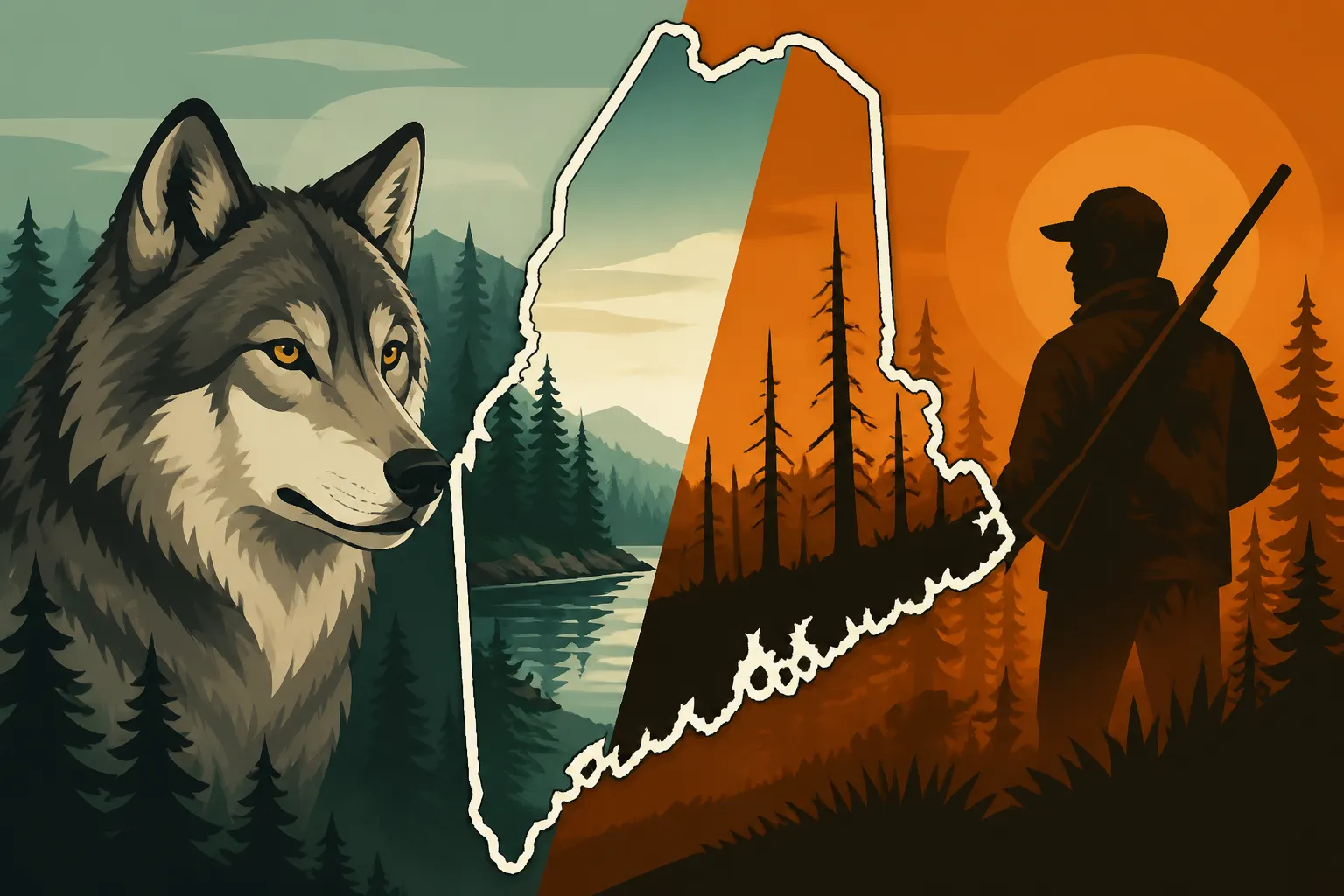
Many people exploring the rich history of Maine's wildlife are often surprised to learn that the majestic wolf, once a formidable apex predator, no longer roams our forests. The story of the wolf in Maine is a poignant one, a narrative deeply intertwined with human settlement, changing perceptions, and ultimately, a concerted effort that led to their complete disappearance from the landscape. This guide will delve into that history, exploring the eastern wolf's original place in Maine's wilderness, the pressures that led to its extirpation, and the lasting legacy of its absence.
The Eastern Wolf in Maine's Historical Landscape
Long before European settlers arrived, the eastern wolf was an integral part of Maine’s wild ecosystem, a silent but powerful force shaping the health and balance of its forests and waterways. These magnificent canids were not merely predators; they were key architects of the natural world, their presence felt across vast tracts of unfragmented wilderness.
The Original Range and Ecological Niche
The eastern wolf, a subspecies often described as an intermediate in size and characteristics between the smaller coyote and the larger gray wolf, thrived across the vast, forested landscapes of what is now Maine and New England. Their historical territory stretched far and wide, encompassing the dense woods, remote mountains, and winding river valleys from the Canadian border down to the coast. They were perfectly adapted to this environment, their keen senses and cooperative hunting strategies allowing them to pursue large prey like deer and moose, as well as smaller game.
Their ecological niche was crucial. As apex predators, wolves played a vital role in maintaining the health and vigor of herbivore populations. By preying on the old, weak, or sick animals, they naturally culled herds, preventing overgrazing, limiting the spread of disease, and ensuring that the strongest genetics were passed on. This selective pressure kept prey populations resilient and alert. The absence of such an apex predator can lead to cascading effects throughout an ecosystem, a phenomenon that Maine would eventually experience. Their presence also influenced the behavior of other species, creating a dynamic balance that is often lost when a top predator is removed. Imagine the deer moving more cautiously, constantly aware of their surroundings, a sharp contrast to some of the less wary deer found in areas today where large predators are absent.
Interactions with Indigenous Peoples
For thousands of years, the Indigenous peoples of Maine, including the Wabanaki Confederacy, coexisted with the eastern wolf. Their relationship was complex, woven into a fabric of respect, understanding, and sometimes, spiritual significance. Unlike the European settlers who would later arrive with different land-use philosophies, Indigenous communities generally viewed wolves not as vermin to be eradicated, but as fellow inhabitants of the land, teachers, and powerful spiritual beings.
Hunting was a way of life for both wolves and humans, and there was an understanding of each other's role in the cycle of life. While wolves might occasionally prey on game animals that humans also sought, or even dogs, these interactions were largely managed through traditional knowledge and practices that sought balance rather than extermination. There was no systematic campaign to wipe out wolves. Oral traditions often describe wolves with reverence, acknowledging their intelligence, family bonds, and hunting prowess. This starkly contrasts with the fear and animosity that would later drive the European-descended population to nearly eliminate the species. These early interactions showcase a deep ecological understanding that recognized the wolf's essential contribution to the wildness of the landscape, a perspective that was unfortunately lost for a significant period of Maine's history.
The Era of Persecution and Bounty Systems
The arrival of European settlers marked a dramatic shift in the fate of Maine's eastern wolves. As agricultural practices expanded and livestock became commonplace, the natural conflict between humans and large predators intensified, leading to a systematic campaign of persecution.
Early European Settlement and Conflict
When European colonists began to settle Maine's coastal areas and push inland, they brought with them a different relationship with the land and its wild inhabitants. Forests were seen as resources to be cleared for timber and farmland, and wild animals were often categorized as either useful (game) or detrimental (pests and predators). Wolves, with their reputation from European folklore as dangerous beasts, quickly fell into the latter category. As settlers established farms and introduced domestic livestock like sheep, cattle, and horses, wolves found an easier food source than wild game, leading to conflicts. A wolf taking a lamb was not just an economic loss; it was often viewed as a personal affront and a threat to a family's livelihood in a harsh frontier environment.
This direct competition for resources and the perceived threat to human safety and property fueled a growing animosity towards wolves. The fear, often exaggerated by tales and lack of understanding of wolf behavior, quickly outweighed any recognition of their ecological benefits. Communities banded together to protect their livestock, and the idea of eradicating wolves began to take root. This wasn't just individual acts of self-preservation; it quickly became institutionalized through local and eventually state policies.
The Rise of Bounties and Eradication Campaigns
The turning point for Maine's wolves was the implementation of government-sponsored bounty systems. These bounties, designed to incentivize the killing of wolves, effectively declared open season on the species. Maine, like many other states in the era, saw bounties as a practical and effective way to protect agricultural interests and expand settlement. Hunters, trappers, and even farmers could collect a monetary reward for presenting a wolf carcass, or often just its ears or scalp, as proof of kill. This created a powerful economic incentive for widespread wolf extermination.
The methods used were brutal and relentless. Wolves were shot, trapped, poisoned, and hunted with dogs across their entire range. There was little understanding of sustainable wildlife management; the goal was simply to remove them from the landscape entirely. Records from the 1800s detail countless bounty payments, reflecting the sheer volume of wolves killed. While specific figures are difficult to pin down precisely given the historical record-keeping, it's clear that these campaigns were incredibly effective, driving wolf populations down rapidly and relentlessly. The pressure was immense, pushing the species into increasingly remote and fragmented habitats, ultimately leading to their demise. Predator and Furbearer Hunting in Maine describes some of the modern practices, but the historical methods were far less regulated and much more devastating to specific species like the wolf.
The Last Stand
By the late 19th and early 20th centuries, the eastern wolf population in Maine was on its last gasp. The bounties, combined with habitat loss due to logging and increased human presence, had pushed them to the brink. The vast wilderness areas of northern Maine, particularly the North Maine Woods Gate System and along the Canadian border, became the final refuges for these embattled animals. Accounts of the last confirmed wolf sightings or kills are often shrouded in a bit of local legend and historical ambiguity, but the consensus is that the eastern wolf was effectively extirpated from Maine by the early 1900s.
Some records suggest the very last eastern wolves were killed in the early 1900s, perhaps even as late as the 1920s in the most remote corners of Aroostook County or deep within the great forests north of Moosehead Lake. These were isolated individuals, remnants of a once thriving population, fighting a losing battle against overwhelming human pressure. Their disappearance was not a gradual fading away, but a sharp, undeniable cut, leaving a void in the natural world. The echoes of their howls, once a familiar sound in the Maine wilderness, were silenced forever, a stark reminder of human impact on the environment. The story of their extirpation serves as a cautionary tale, illustrating how quickly a species can be lost when perceived as a threat and systematically targeted.
The Legacy of Extirpation and Modern Perspectives
The extirpation of the eastern wolf from Maine left a profound and lasting impact on the state's ecosystems and continues to shape discussions around wildlife management today. The absence of this apex predator created a ripple effect, altering the delicate balance of the natural world in ways that are still being understood.
Ecological Impact of Losing the Apex Predator
When wolves were removed from Maine, the entire ecosystem felt the shockwave. One of the most significant and immediate impacts was on white-tailed deer populations. Without their primary natural predator, deer numbers could, in some areas, increase beyond what the habitat could sustain. This led to overbrowsing of certain plant species, particularly young trees and shrubs, which in turn affected forest regeneration and the survival of other plant-dependent species. Imagine entire sections of the forest where the understory that typically provides food and cover for smaller animals struggles to grow. This phenomenon has been studied extensively in other regions, showing how essential predators are to forest health.
Furthermore, the behavioral patterns of deer changed. Without the constant threat of wolves, deer became less wary, often feeding more openly and for longer periods in certain areas, sometimes even near human settlements. This reduced wariness can have its own consequences, making them more vulnerable to other forms of predation, including vehicular collisions. The loss of wolves also meant a disruption in the natural selection process. Sick or weak animals, which wolves would typically target, might survive longer and potentially spread diseases, or pass on less robust genetics to future generations. While coyotes have since moved into Maine and filled some of the predatory niche, they are generally smaller and less effective at regulating large ungulate populations than a fully established wolf population would have been. Understanding this historical ecological void is critical for appreciating the complex interdependencies within Maine's wild places.
The Debate Over Wolf Reintroduction and Recovery
Today, the idea of wolf recovery or reintroduction in Maine is a topic that sparks considerable debate among conservationists, hunters, landowners, and scientists. On one side, proponents argue that reintroducing wolves could restore ecological balance, enhance biodiversity, and bring back a vital part of Maine's natural heritage. They point to the positive impacts wolves have had on ecosystems in other states where they have been reintroduced, such as Yellowstone National Park, citing benefits like healthier ungulate populations and improved riparian habitats. Advocates also see it as an ethical imperative to correct a past wrong.
On the other side, significant concerns persist. Many hunters worry about the potential impact on White-Tailed Deer Across Maine and moose populations, fearing that wolves would compete directly with human hunters for game. Landowners, especially those with livestock, express fears about depredation and the economic losses it could incur. The general public sometimes holds lingering anxieties about wolf safety, though documented attacks on humans are exceedingly rare. There are also questions about the logistics: where would wolves be sourced? How would their movement be managed in a landscape that is far more fragmented than it was centuries ago? The state of Maine monitors its Maine's CWD-Free Cervid Herd rigorously, and the introduction of new species or subspecies would naturally raise questions about disease vectors, even if unfounded. The discussion remains complex, balancing ecological ideals with practical socioeconomic realities.
Distinguishing Coyotes from Wolves in Maine Today
A common point of confusion for many in Maine is distinguishing between the historical eastern wolf and the current dominant large canid: the eastern coyote. While both are canids, they are distinct animals with different histories and ecological roles in modern Maine. The eastern coyote, often referred to locally as a "coywolf" due to some historical interbreeding with wolves (and even domestic dogs) as they expanded eastward, is a relatively recent arrival in Maine, moving into the void left by the extirpated wolves in the mid-20th century.
Here's a quick comparison:
| Feature | Historical Eastern Wolf | Modern Eastern Coyote |
|---|---|---|
| Size | Larger, typically 60-100+ lbs | Smaller, typically 30-50 lbs |
| Build | More robust, broader skull, larger paws | Slighter build, narrower snout, smaller paws |
| Coat Color | Varied: gray, tawny, black, often with reddish hues | Varied: grayish-brown, often with reddish or yellowish tinges |
| Howl | Deeper, more sustained, mournful | Higher-pitched, yippier, often described as "yips and howls" |
| Social | Typically hunt in larger, more organized packs | Often hunt alone or in smaller family groups |
| Primary Prey | Moose, deer, small game | Primarily deer fawns, small game, rodents, carrion, some livestock |
| Behavior | More elusive, less tolerant of human presence | Adaptable, can thrive closer to human habitation |
While the eastern coyote is larger than its western counterpart due to some historical genetic influence from wolves, it is still significantly smaller and generally less effective as an apex predator on adult moose and deer than the original eastern wolf. Maine's Eastern Coyote Origins details how these animals colonized the region, becoming the primary large predator. Modern hunters, using resources like mapping apps or platforms similar to GoHunt, can track and study the current distribution of these Coyotes and Predators in Maine to better understand their habits and impact, a far cry from the limited information available to those who lived alongside the last wolves. The eastern coyote is an important part of Maine's current ecosystem, but it is not the wolf that once ruled these woods. The wolf's place remains an empty space in the grand tapestry of Maine's wildlife.
Disclaimer
This article is for general informational purposes only and does not constitute professional advice. Laws, prices and regulations vary by location and change over time. Consult a qualified professional for guidance on your specific situation.