Maine Peregrine Falcon Recovery
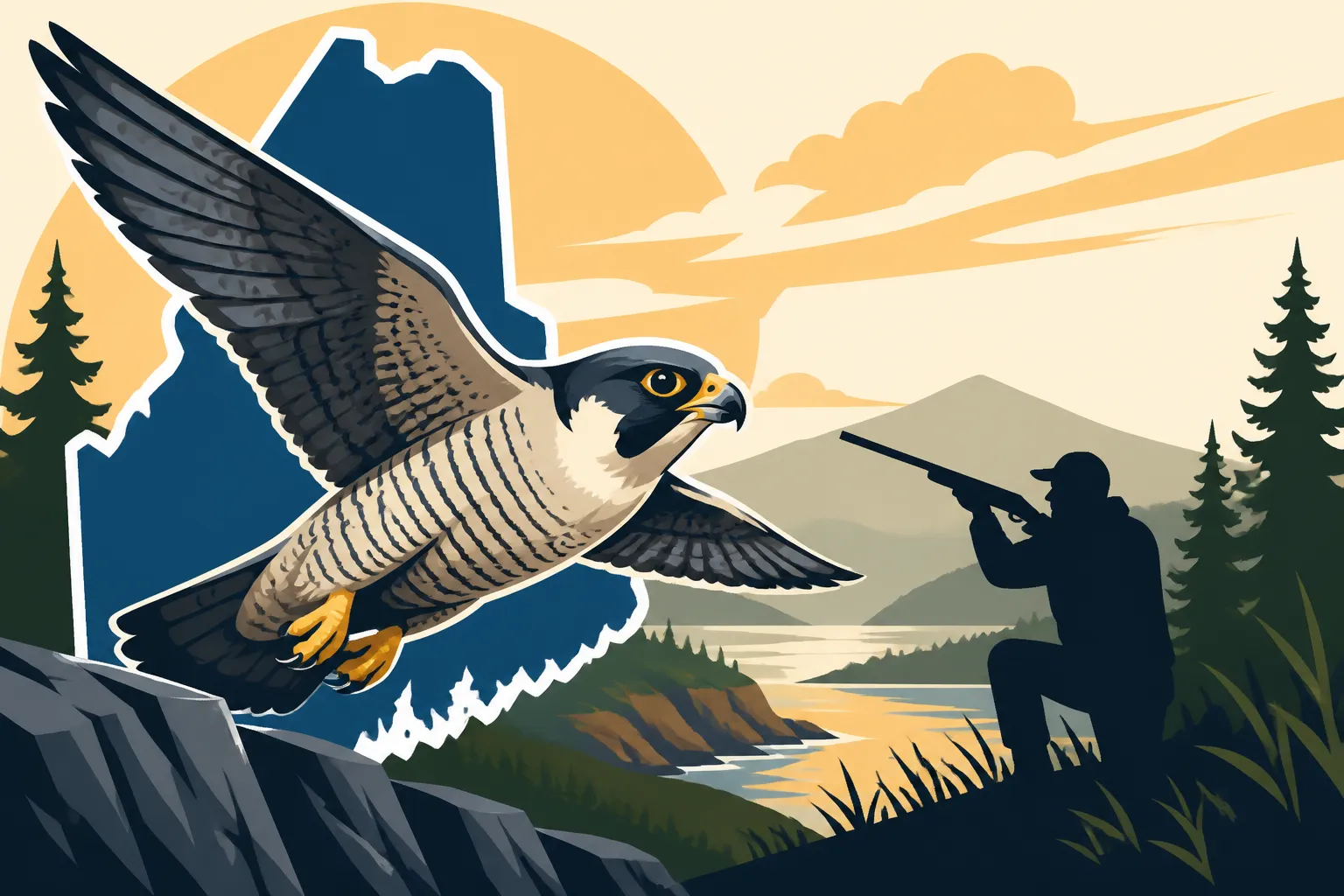
It's truly heartbreaking to think of a time when the skies over Maine were eerily silent, missing the incredible aerial acrobatics of one of nature's fastest hunters. For a while, the peregrine falcon, a bird synonymous with wild, untamed cliffs and breathtaking speed, was completely gone from our state. This guide dives into the incredible journey of how these magnificent raptors, once driven to the brink of extinction, made a powerful comeback to the Maine landscape, and what ongoing efforts mean for their future here.
The Plight of the Peregrine: A History of Decline in Maine
Imagine a world where the very top predators, the ones that embody wildness and ecological balance, simply vanish. That's the grim reality Maine faced with the peregrine falcon. It wasn't a slow, subtle fade; it was a drastic, almost complete disappearance that left a profound void in our natural heritage. Understanding what happened is crucial to appreciating the immense effort involved in bringing them back.
What Caused the Peregrine's Near Extinction?
The story of the peregrine falcon's decline is a stark reminder of humanity's unintended impact on the natural world. While habitat loss and direct persecution played minor roles in some areas, the overwhelming culprit for the peregrine's catastrophic collapse across North America, including Maine, was a pesticide called DDT. This chemical, widely used in agriculture from the 1940s to the 1970s, seemed like a miracle solution for pest control at first glance. However, its insidious nature became clear as it worked its way up the food chain.
Peregrine falcons, being apex predators, consumed smaller birds that had eaten insects contaminated with DDT. Instead of directly killing the falcons, the pesticide accumulated in their bodies, primarily affecting their reproductive success. The DDT interfered with calcium metabolism, causing female falcons to lay eggs with incredibly thin shells. These delicate shells would often crack and break during incubation, either from the weight of the parent bird or even just temperature fluctuations, preventing chicks from hatching. Year after year, fewer and fewer young falcons survived, and the population plummeted. It was a silent killer, subtly undermining the very foundation of their existence.
The Disappearance from Maine's Skies
For a state known for its rugged coastline, towering cliffs, and vast wilderness, the absence of peregrine falcons was particularly poignant. Historically, Maine's high, remote cliffs provided ideal nesting sites, allowing these powerful birds to survey their hunting grounds and raise their young in relative safety. Places like those along the upper reaches of the Androscoggin River or the bold ocean cliffs of Down East would have once echoed with their sharp calls.
However, as the effects of DDT intensified through the mid-20th century, these traditional nesting sites went silent. By the early 1960s, peregrine falcons were completely extirpated from Maine. No longer could you scan the skies and hope to catch a glimpse of that unmistakable silhouette, nor could you watch them dive with incredible velocity during a hunt. Their absence was a profound loss, a visible scar on the state's natural landscape, and a potent symbol of what could be lost if environmental stewardship faltered. The last known breeding pair in Maine was documented in the early 1960s, after which the species was officially considered gone from the state.
The Comeback Story: Restoration Efforts in Maine
The story doesn't end with their disappearance, thankfully. The realization of the damage caused by DDT, coupled with growing environmental awareness, spurred an incredible global and national effort to bring the peregrine falcon back from the brink. Maine proudly played its part in this monumental conservation success story.
Pioneering Reintroduction Programs
The reintroduction of peregrine falcons was a meticulous, multi-decade undertaking. With the ban of DDT in the United States in 1972, the primary threat was removed, opening the door for active restoration. The method largely employed was called "hacking." This involved taking young peregrine falcon chicks, often bred in captivity, and placing them in artificial nest boxes, called hack sites, located on suitable cliffs or tall structures in areas where peregrines historically lived or where new populations could thrive. These hack sites mimic natural nests but provide a safe, secure environment for the young birds.
In Maine, these hacking efforts began in earnest in the late 1980s and continued into the 1990s. Conservationists and volunteers diligently cared for these young birds, feeding them without direct human contact to ensure they didn't imprint on people. The goal was for the young falcons to "fledge" or take their first flight from these sites, learn to hunt independently, and eventually disperse, hopefully returning to the general area to breed as adults. The dedicated work of organizations like the Peregrine Fund and state agencies, in cooperation with private landowners, was absolutely critical. These reintroduction efforts were carefully planned, choosing locations with abundant prey and minimal disturbance, laying the groundwork for a new generation of Maine peregrines.
Protecting Nesting Sites and Habitats
Releasing birds back into the wild was only one piece of the puzzle. Equally vital was ensuring that once peregrines returned, they had safe places to nest and raise their own young. Peregrine falcons are highly specialized, preferring high, inaccessible ledges on cliffs or tall man-made structures that offer panoramic views and protection from ground predators. In Maine, this often meant identifying and managing specific cliff faces in remote wilderness areas, but also monitoring potential urban nesting sites.
When peregrine nests are established, particularly during the critical breeding season from early spring through mid-summer, protective measures are put in place. This can include temporary closures of climbing routes on popular rock faces, or erecting signs to inform hikers and recreationalists about the presence of nesting falcons and the need to give them space. Education campaigns helped the public understand the importance of not disturbing these sensitive sites. Beyond direct nest site protection, conserving the broader landscape that provides their prey base – other birds – is also crucial. This involves maintaining healthy ecosystems, which also benefits game species like ruffed grouse and woodcock. Hunters using resources like GoHunt to scout Upland Bird and Small Game Hunting in Maine might notice these specific protections in certain areas, reminding them of the diverse wildlife present.
Here's a quick look at the impact of protection measures:
| Protection Type | Impact on Peregrine Recovery | Benefit to Other Wildlife |
|---|---|---|
| DDT Ban | Eliminated the primary cause of reproductive failure. | Broad environmental health improvement. |
| Hack Sites | Provided safe reintroduction points for captive-bred chicks. | No direct benefit to other wildlife, but established peregrines contribute to ecological balance. |
| Climbing Route Closures | Reduced human disturbance at critical cliff nesting sites. | Protected other cliff-nesting birds (e.g., ravens) indirectly. |
| Public Education | Fostered awareness and support for falcon conservation. | General appreciation for wildlife and responsible outdoor ethics. |
| Habitat Preservation | Ensured prey availability and suitable breeding grounds. | Benefited countless bird species and ecosystem health. |
Current Status and Ongoing Conservation
The comeback of the peregrine falcon in Maine is a true triumph, a testament to what dedicated conservation efforts can achieve. However, the work is never truly done. Monitoring, adaptation, and continued vigilance are essential to ensure these magnificent birds continue to grace our skies for generations to come.
Maine's Peregrine Population Today
From zero known breeding pairs in the 1960s, Maine's peregrine falcon population has rebounded significantly. Today, peregrine falcons are once again nesting across the state, from the rugged interior cliffs of western Maine to the bold coast of Washington County, and even finding niches on urban structures in larger towns. The Maine Department of Inland Fisheries and Wildlife actively monitors the population, tracking nesting success and estimating the number of breeding pairs. While specific numbers fluctuate year to year, the trend has been consistently upward, with dozens of active territories now confirmed.
It’s truly incredible to witness. Hikers in Baxter State Park or climbers scaling the granite faces of Acadia National Park now have a chance to spot these birds. This resurgence is a powerful indicator of ecological health, demonstrating that when a major stressor (like DDT) is removed and targeted conservation measures are implemented, nature can indeed recover. This recovery story often parallels that of other raptors, like the Maine Bald Eagle Recovery, showing a broader success in protecting our avian predators. The peregrine is no longer on the state's endangered species list, though it remains a species of special concern, prompting continued monitoring.
Challenges and Future Outlook
Despite the remarkable recovery, peregrine falcons in Maine still face challenges, and their future outlook depends on ongoing conservation efforts. One significant concern is climate change, which can alter prey availability, influence migratory patterns, and even impact nesting success through more extreme weather events. Changing weather patterns could lead to shifts in the distribution of prey species or make certain nesting cliffs more vulnerable to erosion or disturbance.
Human disturbance remains a persistent issue, particularly at popular recreational sites. While closures and educational efforts are effective, increased outdoor recreation pressure means constant vigilance is needed to prevent accidental disturbance to nesting pairs. Hunting Baxter State Park's Perimeter or exploring other wilderness areas requires an understanding of diverse wildlife needs, even for non-game species. Furthermore, habitat fragmentation and the use of other environmental contaminants, though not as devastating as DDT, still pose potential threats. The good news is that Maine's wildlife agencies, in conjunction with non-profit partners, continue their work. They monitor nesting sites, track population trends, and educate the public. Resources like GoHunt are a great way for outdoors enthusiasts, including hunters, to stay informed about regional wildlife trends and conservation efforts that ensure all species, from the white-tailed deer to the swift peregrine, thrive in Maine. Continued research and adaptive management strategies are key to ensuring that Maine’s peregrine falcon recovery remains a lasting success story, allowing these incredible birds to soar over our state for centuries to come. The collective effort to protect Maine's CWD-Free Status Explained for deer and moose also speaks to this broader commitment to wildlife health.
Disclaimer
This article is for general informational purposes only and does not constitute professional advice. Laws, prices and regulations vary by location and change over time. Consult a qualified professional for guidance on your specific situation.