Maine’s CWD-Free Status Explained
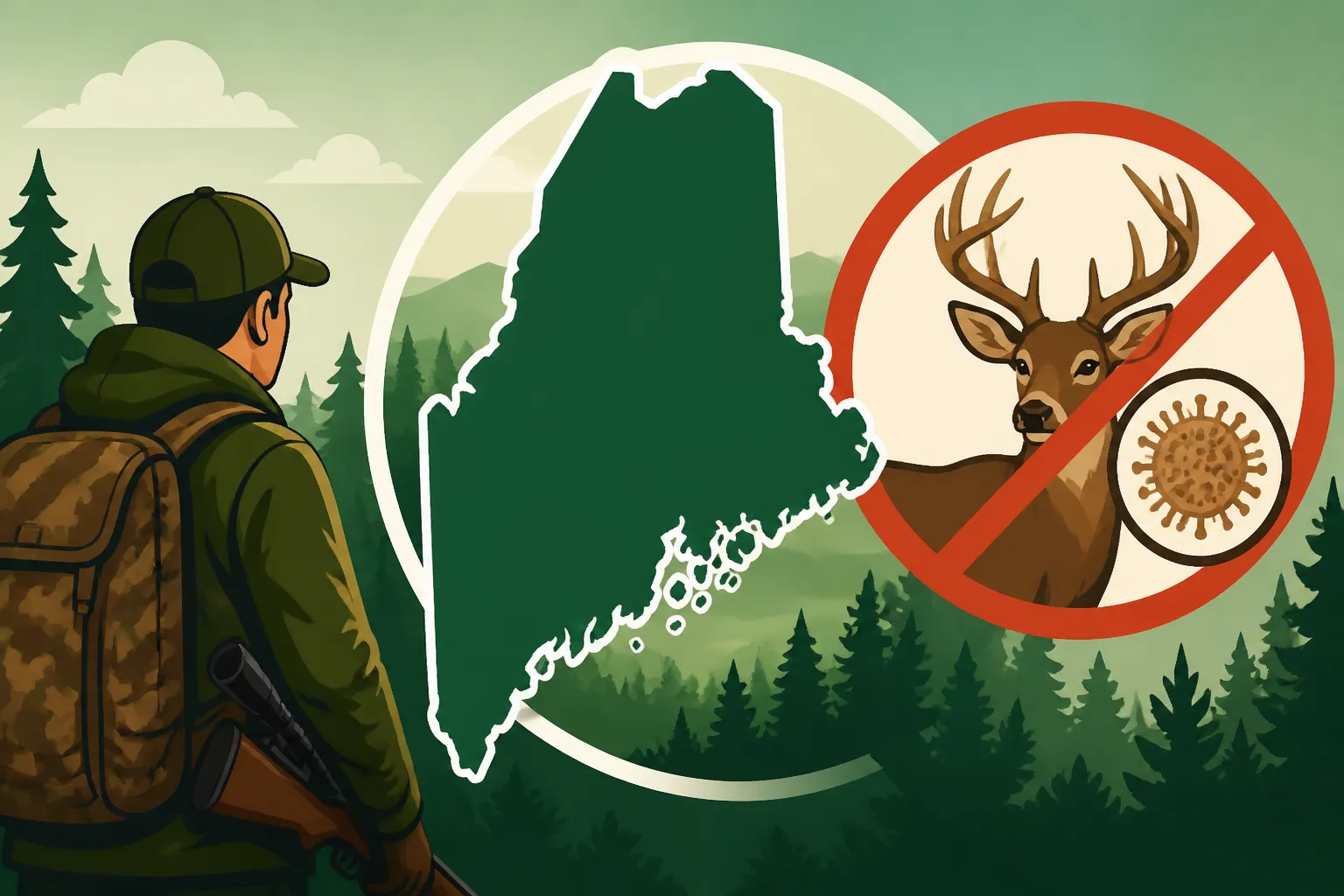
The specter of Chronic Wasting Disease (CWD) looms large over the deer herds across North America, creating understandable anxiety for hunters and wildlife enthusiasts alike. It's a devastating neurological condition that has impacted many states, causing widespread concern about herd health and the future of hunting traditions. Here in Maine, we're incredibly fortunate to stand as one of the few remaining bastions against this relentless disease, and understanding how we've maintained our CWD-free status is crucial for every hunter and outdoor advocate who cherishes our wild places.
What is Chronic Wasting Disease CWD?
Before we dive into Maine's strategies, it's essential to grasp what CWD actually is and why it strikes so much fear into the hearts of wildlife managers and hunters. This isn't your run-of-the-mill bacterial infection or viral flu; CWD is a beast of a different nature entirely, and its implications are far-reaching.
The Basics of Prion Diseases
At its core, CWD is a prion disease, which puts it in a unique and particularly insidious category of illnesses. Prions aren't bacteria or viruses; they are misfolded proteins that have the terrifying ability to induce normal proteins in the brain to also misfold. Think of it like a domino effect or a bad apple spoiling the barrel, but on a microscopic, neurological level. These misfolded proteins then accumulate, creating sponge-like holes in the brain tissue of infected animals, eventually leading to a slow, irreversible decline.
Unlike conventional pathogens, prions are incredibly resilient. They aren't easily destroyed by heat, freezing, or even many disinfectants. This makes decontamination a massive challenge in affected areas. They can persist in the environment – in soil, plants, and even water – for years, making it incredibly difficult to eradicate once it takes hold in a landscape. This environmental persistence is a significant part of why CWD is such a game-changer for wildlife management, posing long-term threats that conventional disease control methods can't easily address.
The scientific community is still learning about prions and their mechanisms, but what we do know paints a grim picture. There are currently no vaccines or treatments for CWD, and it's always fatal once symptoms appear. This reality underscores the critical importance of preventing its introduction and spread, which is the cornerstone of Maine's approach.
How CWD Spreads Among Deer and Moose
CWD is primarily transmitted through direct animal-to-animal contact, but its environmental persistence means it can also spread indirectly. Infected animals shed prions through their saliva, urine, and feces. When healthy deer or moose come into contact with these contaminated bodily fluids or the environment where they've been deposited, they can become infected. This means shared feeding sites, mineral licks, and even popular travel corridors become potential hotbeds for transmission.
The disease can also be transmitted through the consumption of contaminated meat or brain tissue, though this is less common in wild populations. Hunting practices, such as the improper disposal of infected carcasses or the transportation of deer parts from CWD-positive areas, are significant pathways for human-assisted spread. This is why many states have strict rules about what parts of a deer can be brought across state lines, a regulation that Maine takes very seriously.
Because prions can linger in the soil for so long, an area where an infected animal once lived or died can remain infectious for many years, even after the initial animal is gone. This "environmental reservoir" is a huge challenge for containment, as deer and moose move across landscapes, picking up prions from contaminated forage or soil, making prevention of initial introduction absolutely vital.
Symptoms and Impact on Infected Animals
The cruel irony of CWD is its slow, insidious progression. An infected animal might appear perfectly healthy for months or even years before symptoms become noticeable. This incubation period makes early detection incredibly difficult in the wild, allowing the disease to spread silently through a population before anyone is even aware of a problem.
Once symptoms do manifest, they are generally neurological and degenerative. Infected animals often exhibit drastic weight loss (hence "wasting"), stumbling, lack of coordination, excessive drooling, lethargy, a blank stare, and behavioral changes like a reduced fear of humans. They may also experience excessive thirst and urination. Eventually, the disease leads to death, usually within a few months of symptom onset.
For hunters, seeing an animal with these symptoms is a distressing sight. It also raises concerns about potential risks, though currently, there is no scientific evidence that CWD can be transmitted to humans. However, public health agencies universally recommend against consuming meat from CWD-infected animals. The impact on deer and moose populations can be devastating, leading to declines in herd numbers and a severe blow to hunting opportunities and the overall ecological balance.
Maine's Vigilant Defense Against CWD
Maine's status as a CWD-free state isn't a matter of luck; it's the result of decades of proactive, science-backed policies and the steadfast cooperation of its hunting community. Our Department of Inland Fisheries and Wildlife (MDIFW) has taken the threat of CWD incredibly seriously, putting in place measures designed to keep this disease out of our borders.
Strict Importation Laws for Deer and Moose
One of the most critical lines of defense against CWD in Maine is its stringent importation laws concerning deer and moose carcasses. The rule is clear: you cannot bring whole carcasses or certain high-risk parts of deer, moose, or other cervids from any state or province where CWD has been detected into Maine. This is non-negotiable and strictly enforced. The only parts you can legally bring back are deboned meat, hides without the head, skulls and skull caps that have had all brain and nervous tissue removed, antlers, and finished taxidermy mounts.
This regulation directly addresses the primary pathway for CWD introduction: human-assisted transport. Hunters, excited after a successful hunt in another state, might unknowingly bring an infected carcass back home, scattering prions along the way. By limiting what can cross the border, Maine significantly reduces this risk. It means if you're hunting in a neighboring state or province like New Brunswick, which has had CWD cases, you need to be acutely aware of these rules before heading back home. Ignoring these regulations isn't just a minor infraction; it's a direct threat to the health of Maine's wildlife.
The MDIFW routinely publishes updated lists of CWD-positive states and provinces, making it easy for hunters to stay informed. Many hunters use resources like GoHunt to keep abreast of these and other critical regulations, ensuring they comply when traveling for out-of-state hunts. This focus on preventing introduction is why Maine's CWD-free status remains a point of pride and a testament to effective wildlife management.
Surveillance and Testing Protocols
Beyond border control, Maine maintains a robust surveillance program to detect CWD early should it ever breach our defenses. This involves targeted testing of hunter-harvested deer and moose, particularly from areas considered at higher risk or in response to reports of sick animals. While not every harvested deer is tested, the MDIFW works with registration stations and taxidermists to collect samples (typically brainstem or lymph nodes) for CWD testing. This proactive approach helps establish a baseline and can flag any potential incursions quickly.
The state's wildlife biologists are continuously monitoring the health of our deer and moose populations, looking for any signs that might indicate CWD. This includes responding to public reports of sick or unusual-acting animals in the wild. If an animal exhibits CWD-like symptoms, it is investigated, and samples are collected for diagnostic testing. This system, outlined in detail in guides like Maine's Chronic Wasting Disease Monitoring, relies heavily on both professional wildlife staff and observant citizens.
Testing is typically conducted at specialized diagnostic laboratories, with results taking some time. The goal is not just to test a certain number of animals, but to ensure geographic coverage and focus efforts where the risk is highest. This ongoing vigilance is a costly but essential part of preserving our wild cervid herds and the tradition of White-Tailed Deer Across Maine.
Public Awareness and Hunter Education
A critical, often underestimated, component of Maine's CWD defense strategy is an informed and engaged public, especially its hunters. The MDIFW invests significantly in public awareness campaigns and integrates CWD information into its hunter education programs. New hunters taking their Maine Hunter Education Requirements are explicitly taught about CWD, its risks, and how they can help prevent its spread.
This education extends to all hunters through official publications, online resources, and direct communication. Hunters are taught how to identify potential CWD symptoms, the importance of reporting sick animals, and, crucially, the strict regulations regarding carcass importation. The understanding is that every hunter is a steward of Maine's wildlife, and their actions have a direct impact on the health of the herd.
By fostering a culture of responsibility, Maine ensures that its first line of defense isn't just government regulations, but thousands of informed eyes and ears in the woods. This collective effort, from seasoned hunters in the North Woods to new archery enthusiasts in the expanded zones, plays an immense role in keeping CWD out. Hunters are encouraged to use the MDIFW website, social media, and local game wardens as resources for the latest information and to report any suspicious activity immediately.
Why Maine Remains CWD-Free So Far
It's tempting to think that Maine has simply been lucky, but its continued CWD-free status is a complex interplay of geography, population dynamics, and sound wildlife management. It’s not a given, and it requires constant effort.
Geographic Isolation and Natural Barriers
Maine's location at the northeastern tip of the contiguous United States provides a natural buffer against CWD from the south and west. While the disease has been detected in parts of New York and Pennsylvania, and some Canadian provinces, Maine's extensive forests and relatively low human population density in its border regions create somewhat of a natural barrier. The vast stretches of unbroken wilderness, particularly along our border with New Hampshire and Quebec, mean there are fewer high-traffic areas where infected animals or contaminated materials might easily enter.
Our southern border, while more populated, also presents less direct animal movement from areas where CWD is endemic. Unlike states with highly interconnected deer populations across state lines in agricultural regions, Maine's primary cervid populations are more isolated by topography and habitat. While certainly not impregnable, these natural features do slow potential spread and give wildlife managers more time to react.
However, it's important to remember that natural barriers are not foolproof. Deer and moose, while they may not cross state lines in large numbers, certainly move. And human movement, especially by hunters transporting harvested animals, remains the greatest risk, underscoring why those strict importation laws are so vital, despite any natural advantages.
Low Deer Density in Key Regions
Another significant factor contributing to Maine's CWD-free status is the relatively low deer density in much of the state, particularly in the vast northern and eastern regions. CWD spreads most efficiently in areas with high deer concentrations, as more animals are in close contact, increasing the chances of direct and indirect transmission. In densely populated areas, shared food sources, bedding areas, and travel routes can become hotbeds for prion shedding and uptake.
While Southern Maine boasts a healthier deer population, the northern two-thirds of the state, with its harsher winters and more extensive logging operations, generally supports lower deer numbers. This means fewer opportunities for CWD to take hold and spread rapidly through a dense population. This low density is a double-edged sword: while it reduces disease risk, it also makes for more challenging hunting in some regions, a reality for those pursuing Moose in Maine's North Woods or White-Tailed Deer Across Maine.
The state's Maine Deer Population Estimate reflects this varied density, with pockets of higher populations but generally lower overall density compared to many midwestern or eastern states with established CWD. This ecological characteristic is an accidental but powerful ally in the fight against CWD. However, as deer populations fluctuate and urban/suburban areas see increasing deer numbers, this advantage could diminish in localized areas.
Proactive Management and Hunter Cooperation
Ultimately, Maine's success is a testament to the proactive approach taken by the MDIFW and the outstanding cooperation of its hunting community. Our state doesn't wait for CWD to show up; it actively works to prevent it and is prepared to respond if it does. This includes continuous monitoring, research into disease ecology, and adaptive management strategies.
Hunters, in turn, have largely embraced their role as partners in this effort. From understanding the nuances of Maine Deer Registration Requirements to adhering to strict carcass transportation laws, the collective commitment to wildlife health is palpable. The hunting community here understands that protecting our CWD-free status is not just about rules, but about preserving a treasured tradition for future generations. When people report sick animals, when they educate their peers, and when they comply with regulations, they are actively participating in wildlife conservation.
This synergy between state agencies and the public forms the true bulwark against CWD. It's a reminder that conservation is a shared responsibility, and when everyone pulls in the same direction, even seemingly insurmountable threats can be kept at bay.
The Role of Hunters in Maintaining Maine's CWD-Free Status
As hunters, we're not just consumers of wildlife resources; we're their most ardent advocates and first line of defense. Our actions, both in and out of the woods, are paramount to keeping Maine's cervid herds healthy and CWD-free.
Understanding Carcass Importation Rules
This cannot be stressed enough: if you hunt out of state, know the CWD carcass importation rules inside and out before you ever cross the border back into Maine. The law is designed to prevent the physical entry of CWD prions into our state, which usually happens when hunters bring back parts of an infected animal. Even if you don't think the animal was sick, you could inadvertently be carrying the disease.
The rule applies to all cervids, including deer, moose, elk, and reindeer. You absolutely cannot bring back high-risk parts like the brain, spinal cord, eyes, spleen, or lymph nodes from any CWD-positive state or province. This means no whole carcasses, no heads with brains, and no spinal columns. Only specific, low-risk parts are allowed: deboned meat, clean hides (without the head), skull plates or antlers with all brain tissue removed, and finished taxidermy mounts. If you're unsure, always default to leaving high-risk parts in the state where you harvested the animal or have them processed there by a licensed facility that understands CWD protocols.
Making an informed decision on where and how to process your out-of-state harvest is a critical responsibility. A quick call to the MDIFW or a check of their website before your trip can save you a lot of grief and, more importantly, protect Maine's wildlife. Your compliance here is the strongest barrier against CWD.
Reporting Sick or Unusual-Acting Animals
You are the eyes and ears of wildlife management in the field. When you're out hunting Spring Turkey Hunting in Maine or Hunting Maine's Generous Fall Turkey Season, or just enjoying a hike, you're observing the natural world. If you encounter a deer or moose that appears sick, lethargic, emaciated, has difficulty walking, or exhibits any unusual behavior consistent with CWD symptoms, it is absolutely crucial to report it immediately to the MDIFW. Do not approach the animal, and do not attempt to handle it.
Your report provides critical data points for the MDIFW's surveillance program. Biologists can investigate, collect samples if necessary, and determine if there's a potential disease threat. Even if it turns out to be something else, like a different illness or injury, your report helps the department understand the overall health of the herd. Timely reporting can be the difference between isolating a single case and allowing a disease to spread undetected.
You can typically find contact information for reporting sick wildlife on the MDIFW website, often with a dedicated phone line or online form. Being vigilant and responsible in this regard is a direct way you contribute to Maine's Chronic Wasting Disease Monitoring and its success.
Supporting Research and Sampling Efforts
Wildlife agencies rely on data, and a significant portion of that data comes from hunter cooperation. When the MDIFW requests samples from harvested animals, whether at registration stations or specific collection points, your participation is invaluable. While CWD testing isn't mandatory for every deer, contributing samples when asked helps build a comprehensive picture of cervid health across the state. This voluntary cooperation helps ensure that Maine's Deer and Moose Disease Monitoring efforts are robust and thorough.
These samples allow scientists to confirm the absence of CWD or, in the unfortunate event of an introduction, to quickly identify and contain it. Your willingness to allow biologists to take a small tissue sample is a direct investment in the future of hunting in Maine. It's a small inconvenience for a massive benefit.
Furthermore, staying informed about research, attending public meetings, and even donating to wildlife conservation organizations that support disease surveillance efforts are other ways to contribute. By actively engaging with these processes, we ensure that science-based management decisions continue to protect our treasured wildlife resources.
The Broader Implications of CWD on Hunting
While Maine remains CWD-free, it's vital to understand the severe consequences that CWD has wrought on hunting and wildlife management in other states. This understanding reinforces why our preventive measures are so critical.
Economic Impact on States With CWD
When CWD hits a state, the economic fallout for the hunting industry can be staggering. Hunting is a huge economic driver in many rural areas, supporting local businesses, outfitters, taxidermists, meat processors, and tackle shops. When CWD becomes prevalent, hunter participation often declines due to concerns about herd health, reduced tag availability, or simply the fear of the disease. This leads to a significant drop in license sales, which directly funds wildlife agencies, and reduced spending in local communities.
Imagine what it would mean for a Maine Moose Permit Cost for Residents or a Maine Resident License Options if the state lost a significant portion of its deer population. Fewer hunters mean less money for conservation, habitat management, and enforcement. This creates a downward spiral where the very resources needed to manage the disease become scarcer. Outfitters who rely on clients for Booking a Guided Maine Deer Hunt or Booking a Guided Maine Moose Hunt face cancellations and a struggle for survival.
Furthermore, states often incur substantial costs for increased CWD testing, management efforts, public education, and carcass disposal programs. These are resources that could otherwise be used for habitat restoration, game species management, or public access initiatives. The economic ripples extend far beyond just hunting, affecting rural economies that depend on the outdoor recreation dollar.
Regulatory Changes and Hunting Opportunity
One of the most immediate and direct impacts of CWD on hunters in affected states is the raft of new regulations and restrictions. Wildlife agencies are forced to implement drastic measures to try and control the disease, which often means changes to hunting seasons, bag limits, and even how and where you can hunt. For example, some CWD-positive areas might see extended seasons or special antlerless permits to reduce deer numbers and slow transmission, while others might close entirely.
There can be restrictions on baiting or feeding deer, as these activities concentrate animals and increase the risk of disease transmission. Carcass disposal sites become regulated, and hunters may be required to get animals tested before consumption. These changes, while necessary, can be frustrating for hunters who are used to traditional methods and seasons. Our Maine's Four-Week Firearms Deer Season or Bowhunting Maine's Long Archery Season could look very different under a CWD scenario.
Ultimately, these changes can diminish the overall hunting experience and reduce opportunities. For many, the simple joy of the hunt is intertwined with the freedom to explore and pursue game without excessive logistical hurdles. CWD threatens this fundamental aspect of our outdoor heritage, which is why maintaining Maine's CWD-Free Status Explained is so critical.
Ethical Considerations for Hunters
CWD also introduces complex ethical dilemmas for hunters. If you harvest an animal in a CWD-positive area, do you get it tested? What if the meat tests positive? Even though human transmission hasn't been definitively proven, many hunters feel a moral obligation not to consume or share potentially infected meat. This can lead to the difficult decision of discarding a harvest, which goes against the core hunting value of utilizing the animal.
There are also questions about the role of hunters in herd management. Should hunters be encouraged to harvest more animals to reduce population density in CWD zones, even if it means shooting younger bucks or does they might otherwise pass on? What about the ethical implications of culling programs to remove infected animals? These are not easy questions, and they challenge hunters to reconcile traditional practices with the urgent demands of disease management.
The prospect of CWD forces hunters to think deeply about their connection to the land and the animals they pursue. It elevates the responsibility of being a hunter beyond just filling a tag to being a proactive guardian of wildlife health and the future of the sport.
Maine's Disease Monitoring Programs
While CWD is a major concern, it's not the only wildlife disease Maine monitors. The MDIFW has a comprehensive approach to tracking various health issues in our wild populations.
Ongoing Surveillance Beyond CWD
The MDIFW's wildlife health division is actively engaged in monitoring a range of diseases that could affect Maine's diverse wildlife populations, not just cervids. This includes diseases common in other species, such as avian influenza in waterfowl, rabies in furbearers, and various parasites and bacterial infections that can impact different game and non-game animals. Understanding the baseline health of these populations is crucial for early detection of emerging threats.
This broader surveillance often involves partnerships with other state agencies, federal wildlife services, and even veterinary clinics. For instance, if an unusual cluster of bird deaths occurs, samples might be collected and tested for avian diseases. Similarly, Maine's Eastern Coyote Origins or Maine Fisher Trapping Trends are tracked not only for population management but also for disease vectors they might carry.
The goal is a holistic view of wildlife health, recognizing that ecosystems are interconnected. A disease in one species can sometimes have indirect impacts on others, including the game animals we pursue. This comprehensive monitoring ensures that the MDIFW can respond effectively to a wide array of potential health crises.
Partnership with Diagnostic Labs and Universities
Effective wildlife disease monitoring is a highly scientific endeavor that requires specialized expertise and equipment. Maine's MDIFW doesn't operate in a vacuum; it maintains strong partnerships with leading diagnostic laboratories and academic institutions. These collaborations are vital for accurate and timely disease detection and research.
For CWD testing, for example, samples collected in Maine are sent to laboratories equipped to perform the specific tests required to detect prion proteins. These labs have the advanced technology and trained personnel to analyze samples with high accuracy. Additionally, universities often conduct research into wildlife diseases, and these partnerships allow Maine to benefit from cutting-edge science and emerging understanding of pathogens and their impact. For instance, research into Why Winter Ticks Are Killing Maine Moose Calves often involves close collaboration with university researchers.
These partnerships not only provide crucial diagnostic services but also contribute to the ongoing scientific knowledge base, which informs Maine's wildlife management policies. They ensure that Maine's disease surveillance is grounded in the best available science.
Data Collection and Public Reporting
Transparency and informed decision-making are cornerstones of Maine's wildlife management philosophy. The MDIFW diligently collects and analyzes data from its various disease monitoring programs. This data, which includes everything from hunter harvest reports to disease surveillance results, is crucial for understanding population health trends and making adaptive management decisions. Hunters can review much of this information in official reports like Reading a Maine Harvest Report.
Moreover, the MDIFW strives to communicate this information clearly to the public and the hunting community. While specific case details might be confidential, general trends, CWD status updates, and reports on other wildlife health issues are regularly published on their website and through other communication channels. This commitment to public reporting helps keep hunters informed about the health of the game they pursue and reinforces the importance of their role in reporting observations.
The state also relies on public input and citizen science initiatives, encouraging individuals to report observations of sick animals or unusual wildlife behavior. This two-way communication channel strengthens the overall monitoring effort, creating a more robust system for detecting and responding to wildlife health concerns across Maine.
How Hunters Can Stay Informed and Prepared
As hunters, our commitment to Maine's CWD-free status means staying continually informed and prepared. The landscape of wildlife management and disease threats is always evolving, and what we know today might be updated tomorrow.
Utilizing Resources like GoHunt
In today's digital age, hunters have more resources at their fingertips than ever before. Official state wildlife agency websites are, of course, the primary source of regulations and updates. However, many hunters also find platforms like GoHunt helpful for scouting potential areas and staying current with season dates and WMD information. These tools can sometimes integrate regulation summaries, interactive maps showing public and private land, and even weather forecasts, making them a one-stop-shop for trip planning.
When you're trying to figure out the specific regulations for Maine's Chronic Wasting Disease Monitoring or researching potential hunting zones before applying for permits like the Maine Moose Lottery Application Process, these apps and websites can be invaluable. They can help you visualize Maine's WMD-Based Turkey Bag Limits or quickly check Maine Archery Season Opening Day. However, always double-check any summarized information against the official MDIFW regulations, as technology platforms may not always be perfectly up-to-the-minute.
Using these resources effectively means you're always operating with the most current information, which is key to responsible hunting and disease prevention.
Keeping Up with IFW Regulations
The official source for all Maine hunting regulations is the Maine Department of Inland Fisheries and Wildlife (MDIFW). Their website, annual hunting law booklets, and social media channels are the definitive places to find the most accurate and up-to-date information. Regulations are not static; they can change annually, and sometimes even mid-season, in response to biological data, public safety concerns, or emerging issues like disease threats.
It is every hunter's responsibility to know and understand the current laws before heading into the field. This includes everything from Maine Hunting Licenses and What They Cost to specific weapon restrictions, bag limits, and carcass transportation rules. Don't rely on what you "heard" from a buddy or what was true last year. Take the time to review the official regulations before each season. You can even find specific rules for Hunting Maine's Expanded Archery Zones or Hunting the Maine Resident-Only Day.
This vigilance is especially critical regarding CWD. Any changes to carcass importation rules, new testing requirements, or altered reporting protocols will be communicated through official MDIFW channels. Your proactive engagement ensures you're always compliant and contributing to the state's efforts to remain CWD-free.
Practicing Biosecurity Measures
Beyond official regulations, hunters can adopt personal biosecurity practices that further reduce any potential risk of disease spread. This includes:
- Clean equipment: If you hunt in a CWD-positive state, thoroughly clean your boots, clothing, vehicles, and especially any hunting equipment (knives, saws, game bags, ATV tires) that may have come into contact with soil or animal fluids. Use a bleach solution (1:10 bleach to water) for non-porous surfaces.
- Proper carcass disposal: If you process an animal yourself, ensure that any non-consumable parts (bones, entrails) are disposed of properly, ideally in a landfill or according to specific MDIFW guidelines, never just left in the woods in a new area, especially if you have traveled.
- Awareness of shared sites: If using shared stands, blinds, or bait sites (where legal), be mindful of potential contact surfaces.
- Harvesting healthy animals: While CWD symptoms are often subtle, always prioritize harvesting healthy-looking animals.
These simple, common-sense measures, when practiced consistently, create an additional layer of protection against the introduction and spread of diseases. They reflect a commitment to the long-term health of Maine's wildlife and the sustainability of our hunting heritage.
Maine CWD Prevention Timeline
Keeping CWD out of Maine is an ongoing battle, and here's a simplified look at the state's proactive efforts:
| Year/Period | Key Action / Focus | Rationale | Impact |
|---|---|---|---|
| Early 2000s | Initial CWD Monitoring & Public Awareness Campaigns | Disease spreading in other states; need for education and baseline data | Hunters become aware; initial surveillance begins. |
| Mid-2000s | Implementation of Carcass Importation Bans | Identified human transport as primary risk; focused on high-risk parts. | Reduced risk of prions crossing state lines via hunter harvest. |
| Ongoing (2000s-Present) | Hunter-Harvested Deer & Moose Surveillance Testing | Continuous monitoring to detect early presence if breach occurs. | Provides confidence in CWD-free status; quick detection if disease enters. |
| Ongoing (2000s-Present) | Collaboration with Diagnostic Labs & Universities | Ensures accurate testing and scientific backing for management decisions. | Access to expert analysis and research. |
| Ongoing (2000s-Present) | Hunter Education & Reporting Sick Animals Promotion | Empowers hunters as frontline observers and partners in wildlife health. | Increased vigilance in the field; timely reporting of suspicious cases. |
| Ongoing (2000s-Present) | Review and Update Regulations as Needed | Adapting to new scientific findings and disease spread patterns. | Maintains relevance and effectiveness of prevention strategies. |
Disclaimer
Please remember that hunting regulations and wildlife disease information can change. Always consult the official Maine Department of Inland Fisheries and Wildlife (MDIFW) website and current hunting law booklet for the most up-to-date and accurate information before planning any hunting activities or traveling with harvested game.