Hunting a Ridge-Top Saddle for Rutting Bucks
Ridge-top saddles serve as natural travel corridors and scent-checking locations for rutting bucks crossing Maine ridges.
Close the distance.
Archery, muzzleloader, and firearm techniques — calling, stand placement, still-hunting, spot-and-stalk, and the weapon rules that change at the state line.
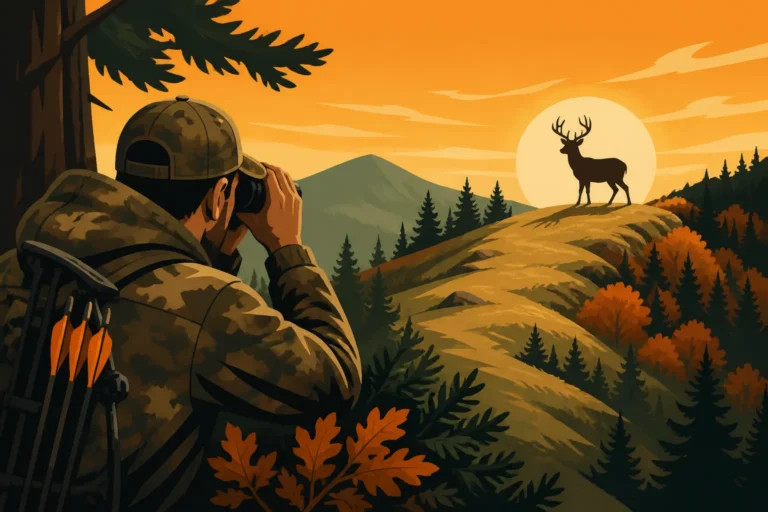
Ridge-top saddles serve as natural travel corridors and scent-checking locations for rutting bucks crossing Maine ridges.
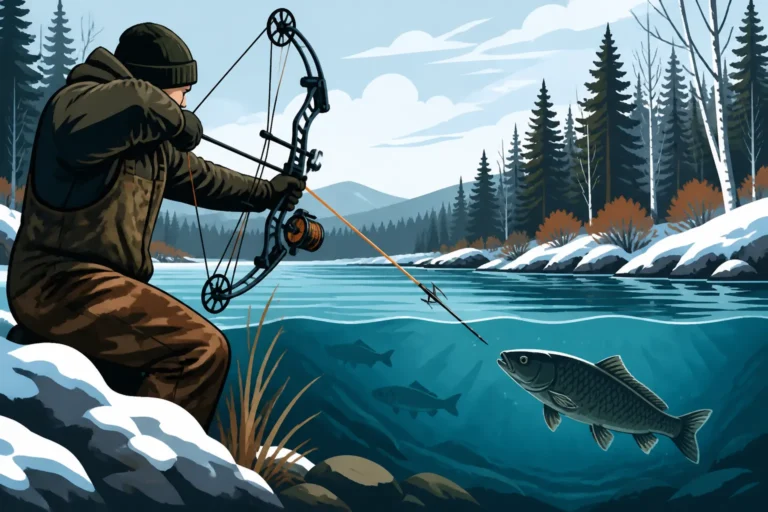
Maine river bowfishing targets invasive common carp and suckers during warmer months, explaining legal species and regulations.
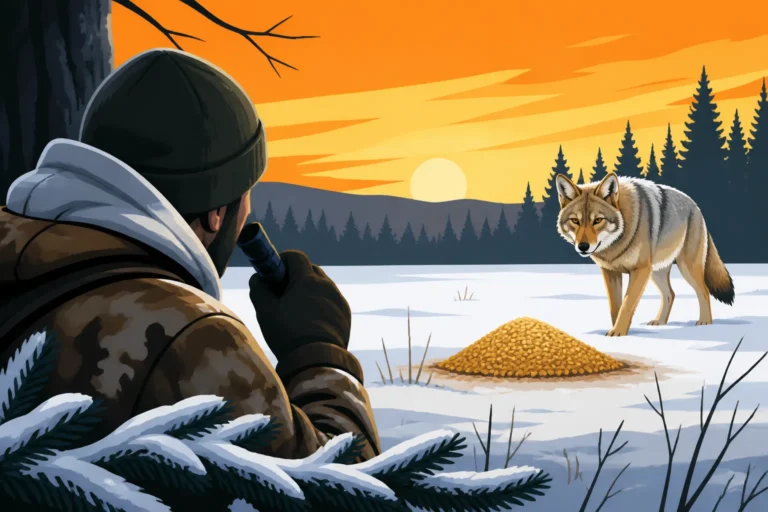
Maine coyote behavior near winter feed sites helps hunters understand how deep snow and cold weather drive predators to target deer carcasses.

Hunting small woodlots near Portland teaches deer hunters specific tactics for pursuing wary animals in private suburban fringe areas.
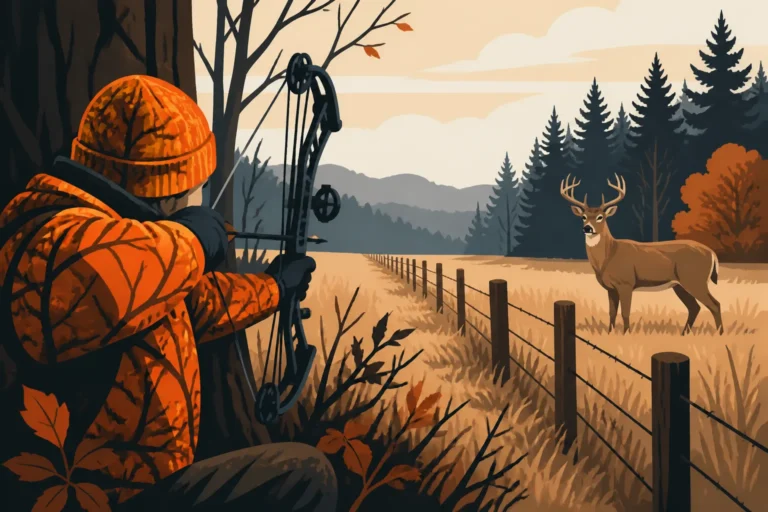
Fencerows provide Maine deer with thermal cover and food during the harsh winter, offering hunters successful late-season spots.

Decoy placement strategies on Maine beaver flowages help hunters target ducks, geese, deer, and moose using terrain features.
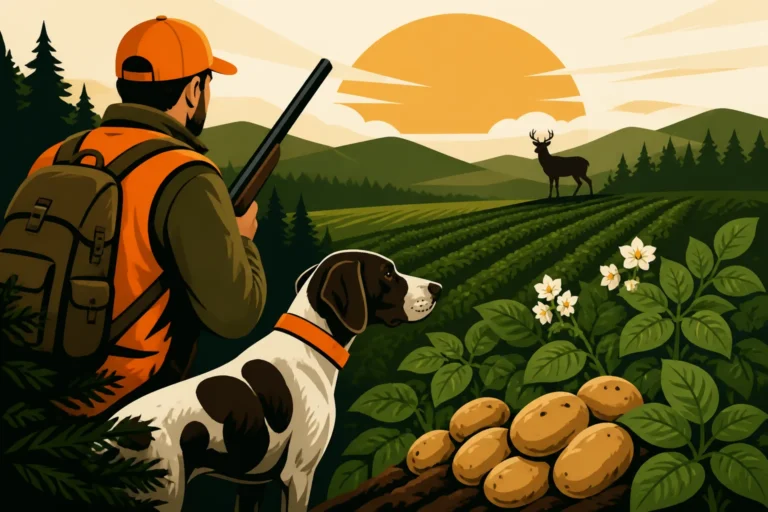
Aroostook County deer hunting strategies explain how whitetails use Maine agricultural fields and harvest cycles for survival.

Western Maine mountain notches act as natural whitetail funnels, offering predictable travel corridors and secure bedding areas.
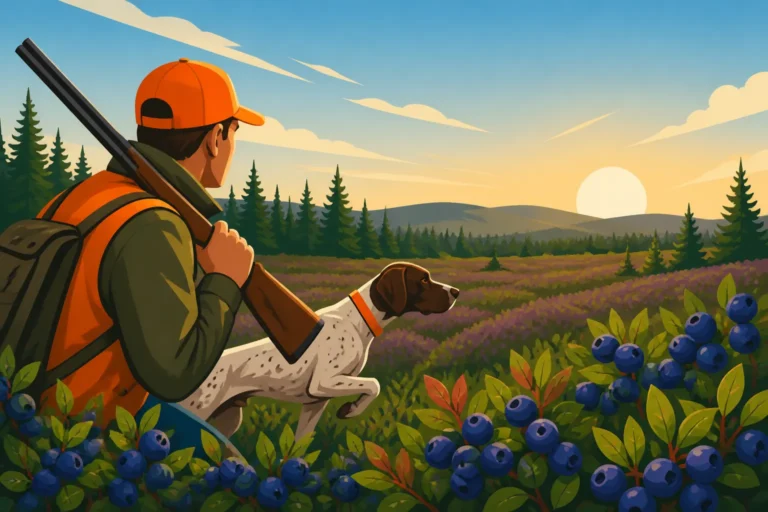
Hunting Downeast Maine blueberry barrens requires understanding deer movement, seasonal food sources, and subtle edge cover habitats.
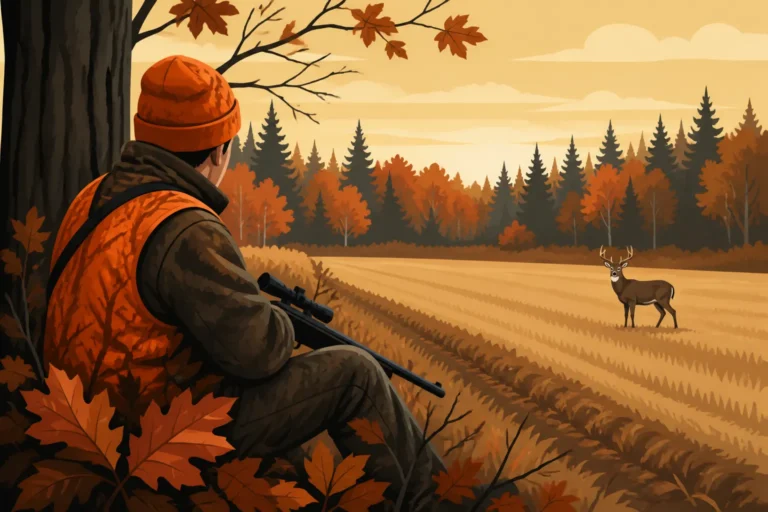
Maine late-season deer hunting strategies explain how to target whitetails at field edges near thick thermal cover and food sources.