Setting Decoys on a Beaver Flowage
There’s a unique draw to beaver flowages in Maine, a quiet magnetism that pulls in not just beavers, but also ducks, geese, deer, and even moose. Many hunters feel a blend of anticipation and frustration when looking at these watery landscapes: they know game is there, but figuring out how to effectively hunt them, especially with decoys, can feel like trying to solve a complicated puzzle. This guide aims to unravel that mystery, providing comprehensive strategies for setting decoys on Maine’s beaver flowages to maximize your success, whether you're after waterfowl or big game.
Why Beaver Flowages Are Hunting Hotspots
Beaver flowages aren't just stagnant water; they're dynamic, self-made ecosystems that provide an incredible abundance of food, cover, and travel corridors for a wide array of wildlife. Understanding why these areas are so attractive to game is the first step in effectively planning your decoy strategy.
Waterfowl Magnetism: Food, Cover, and Rest
For ducks and geese, beaver flowages are veritable buffets and safe havens. The shallow, flooded areas often create perfect conditions for emergent aquatic vegetation, which is a prime food source for dabbling ducks like mallards, wood ducks, and black ducks. These areas also provide rich invertebrate life, another crucial component of a waterfowl diet. Beyond food, the complex structure of downed timber, old beaver lodges, and surrounding dense alders offer unparalleled cover from predators and harsh weather, making them ideal loafing and resting spots. When the hunting pressure mounts on larger lakes or rivers, ducks often retreat to the secluded pockets and backwaters of a beaver flowage. Plus, the relatively calm waters of a flowage, protected from strong winds, are often preferred loafing and landing spots compared to choppier, open water. For specific details on waterfowl seasons, check out our guide on the Maine Duck and Goose Bag Limits.
Deer and Moose Pathways: Crossings and Edges
While we often associate decoys with birds, the edges and crossings of a beaver flowage are magnets for deer and moose. The soft, muddy banks along the water's edge and the narrow, shallow points are often heavily trafficked travel corridors. Deer and moose will skirt the deeper water, using these fringes to move between bedding areas, feeding grounds, and escape cover. Old beaver dams, even if partially breached, can serve as critical crossing points, offering a stable (or at least less boggy) path across the water. The new growth of young alders, willow, and other browse that often springs up around the perimeter of a flowage provides an excellent food source, drawing big game to these areas. Often, these flowages create natural funnels, concentrating animal movement, which can be invaluable when trying to decide Where Maine Bucks Bed in Big Timber.
Furbearer Highways: Trapping and Calling Opportunities
Beyond the more common game species, beaver flowages are bustling thoroughfares for various furbearers. The very presence of beavers means a consistent food source for predators like coyotes and bobcats. Muskrats, mink, and otter thrive in these wetland habitats. While not directly using "decoys" in the traditional sense, understanding these animal movements is crucial for trapping and calling strategies. If you're calling coyotes, knowing their travel routes along the flowage edges, where they might be looking for an easy meal, is key. The scent trails of various furbearers are concentrated in these corridors, making them prime locations for a trapper to set up.
Reading the Flowage for Optimal Decoy Placement
Successfully setting decoys on a beaver flowage requires more than just tossing them out; it demands a keen understanding of the terrain, water movement, and game behavior. Think of yourself as reading a map, but the map is ever-changing with the seasons and the beavers' work.
Identifying Key Features: Channels, Pockets, and Dams
Every beaver flowage has its own unique topography. Spend time studying aerial maps before you go, perhaps using a tool like the Scouting With the Maine Hunting App to identify potential features. Once on the ground, identify the main channels where water flows, as these often indicate deeper water that ducks will use for landing and taking off. Look for shallow pockets and backwater eddies where ducks can loaf undisturbed. The beaver dam itself is a critical feature; not only can it be a game crossing, but the water immediately above and below it often creates unique current patterns and depths that attract birds. Think about how these features might funnel game. A narrow neck of water could be a natural landing strip, while a wide, shallow expanse could be a prime feeding flat.
Understanding Wind and Sun Direction
Just like hunting anywhere else, wind and sun are paramount on a beaver flowage. Ducks and geese almost always land and take off into the wind. This means your decoys should be set up with the wind at your back, creating a landing zone directly in front of your blind. This forces the birds to commit, presenting clean shots as they cup their wings to land. The sun's position is equally important. You want the sun at your back, illuminating your decoys and making it harder for incoming birds to spot your blind. Hunting with the sun in your face can cause glare that blinds you and puts you at a disadvantage. Consider how the light will hit the water and your spread throughout your hunting window. For deeper insights, consider how Wind and Thermals in Maine Hill Country apply, as even small elevation changes around a flowage can influence air currents.
Scouting for Active Game Sign
Before you commit to a spot, put in the legwork. Fresh sign is your best indicator of where game is actively using the flowage. For waterfowl, look for fresh droppings along banks, "mud lines" where ducks have been dabbling in shallow water, and disturbed vegetation. For deer and moose, search for fresh tracks in the mud, rubs on trees, and browse lines where they've been feeding on saplings. Pay close attention to areas where tracks intersect or funnel into narrow corridors. If you find a heavily used trail leading to a specific crossing on the flowage, that’s an ideal spot for a ground blind or stand. Using an app like GoHunt can help you mark these signs and analyze patterns over time. This meticulous scouting is often the difference between a successful hunt and a frustrating one. You’d be amazed what you learn when you start Reading a Maine Mud for Fresh Deer Movement in these areas.
Choosing and Setting Your Decoys
The type, number, and placement of your decoys will vary significantly depending on what you're hunting and the specific conditions of the flowage. A "one-size-fits-all" approach rarely works effectively here.
Decoy Types and Numbers for Different Species
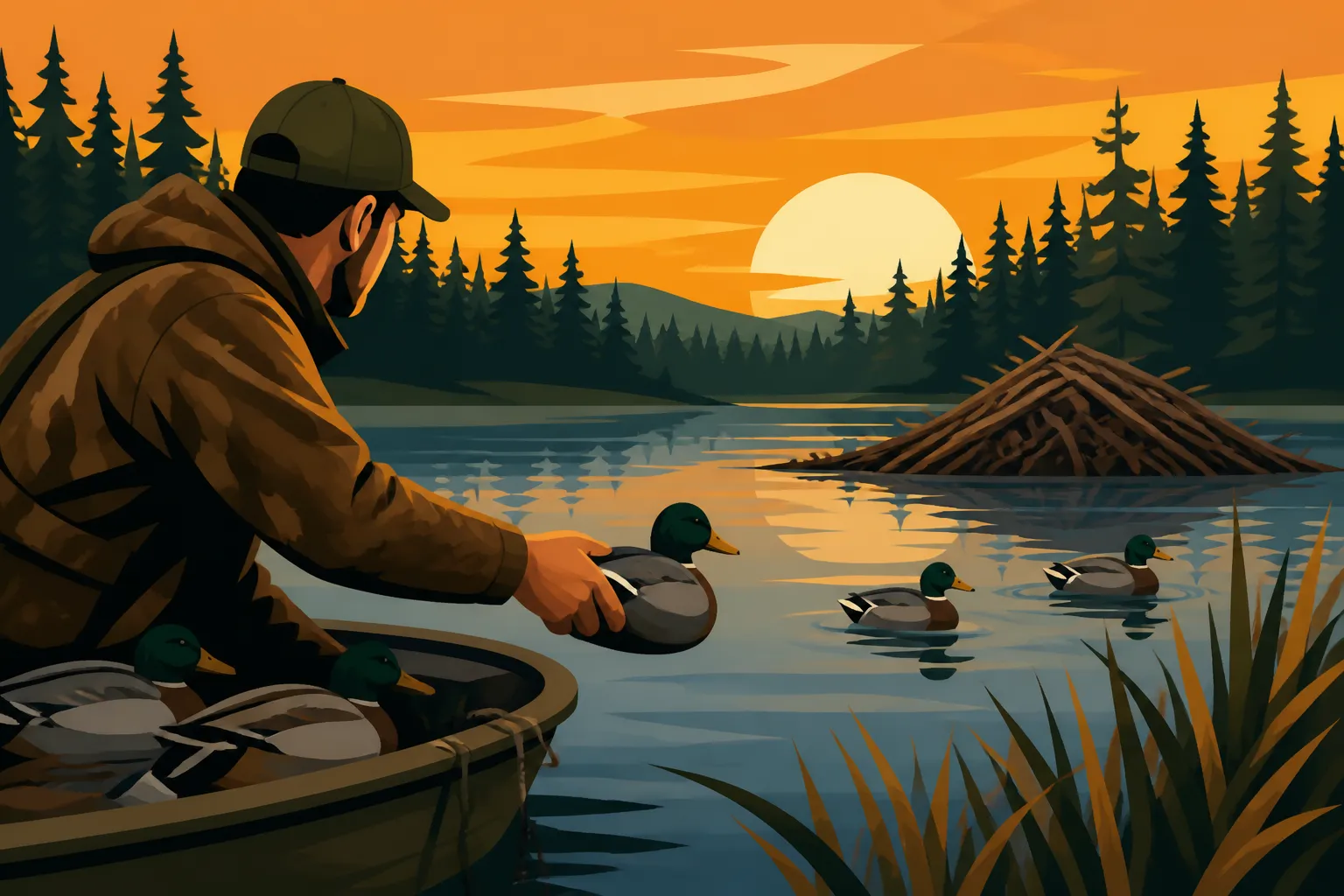
For waterfowl, a spread of six to twelve duck decoys (mallards, black ducks, wood ducks) is often sufficient for a beaver flowage, especially if you're targeting dabblers. You might mix in a few goose decoys on the edges if geese frequent the area. Motion decoys, like spinning-wing ducks (e.g., Mojo Decoys), can add realism and draw attention from a distance, though be mindful of regulations regarding their use in some areas or seasons.
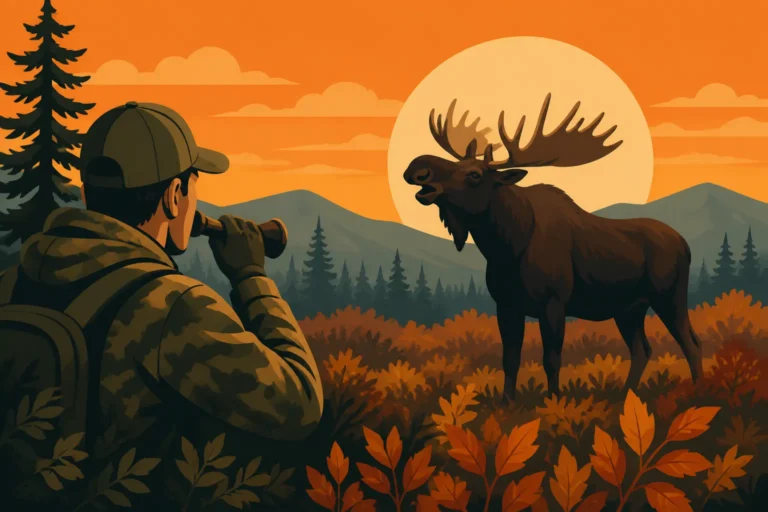
For deer or moose, traditional decoys are less common on the water itself but are highly effective on the banks or in clearings adjacent to the flowage. A single doe decoy can entice a rutting buck looking for a mate, especially during Hunting the Rut in Early November. A bull moose decoy, while massive and difficult to transport, can be a game-changer when trying to call in a dominant bull. The key is realism and placement.
Here's a quick comparison of common decoy setups:
| Target Species | Decoy Type | Recommended Numbers | Placement Strategy | Notes |
|---|---|---|---|---|
| Ducks | Floating (Mallard, Black, Wood) | 6-12 | Upwind of blind, open landing zone, some near cover | Add motion decoys for realism, consider species-specific calls |
| Geese | Floating/Shell (Canada Goose) | 3-6 (mix with ducks) | Slightly separated from duck spread, in shallower water | More wary, larger landing zone needed |
| Deer | Doe/Buck 3D Decoy | 1 | On bank, facing away from blind, quartering to expected approach | Use scent, consider using during rut |
| Moose | Cow/Bull 3D Decoy | 1 | On bank, in opening, visible from travel corridors | Very large, challenging to transport, best with calling |
Realistic Spreads for Waterfowl
When setting up for waterfowl on a flowage, think natural. Ducks often feed in small, loose groups. Avoid perfectly symmetrical patterns. Instead, create a "J" or "U" shaped spread with an open landing zone in the middle, directly in front of your blind. Place some decoys closer to the edges and cover, mimicking birds loafing or preening, and others in the more open water, suggesting active feeding. Ensure the decoys are anchored so they face into the wind, just as real ducks would. A few decoys placed slightly out of the main spread, perhaps near a downed log or a patch of reeds, can add a layer of authenticity, making your setup appear less "staged." Remember, you want to draw birds in close for ethical shots, so a tight landing zone is often better than a sprawling, sparse spread.
Setting Up for Deer or Moose Ambush
For deer and moose, decoys are typically used as an added attractant to a stand or ground blind setup, not as the sole draw. Place your deer decoy on the bank, perhaps 15-25 yards out, in a clearing where it's visible but not overly exposed. Position it quartering away from your expected shot angle to present a good broadside target. If using a doe decoy, ensure it looks relaxed or slightly curious, facing towards the direction you expect bucks to approach from. For moose, given their size, a decoy needs a significant clearing. Place it where it mimics a moose feeding or standing, highly visible from travel corridors along the flowage edge. When using a decoy for big game, always consider scent control; a deer decoy reeking of human odor is more likely to deter than attract.
Hunting Strategies and Considerations on a Flowage
Once your decoys are set, your work isn't over. The true art of hunting a beaver flowage lies in how you integrate your setup with the dynamic environment and the behavior of the game.
Concealment and Access Points
Beaver flowages, by their nature, often have excellent natural cover. Use it to your advantage. A well-placed ground blind brushed into a thicket of alders or behind an old beaver lodge can be incredibly effective. Consider building a natural blind using local vegetation, making sure it blends seamlessly with its surroundings. For deer or moose, a treestand overlooking a flowage crossing or a well-used trail on the bank can provide an elevated advantage. The challenge often isn't just concealment, but also your access route. You want to approach your setup undetected, ideally under the cover of darkness for waterfowl, or moving quietly and slowly for big game. Plan your entry and exit routes meticulously to avoid spooking game. If you're on private land, ensure you have permission, and consider how to effectively use Using a Ground Blind on Posted-Free Land if that’s your only option.
Working the Wind and Thermals
We've already touched on wind for waterfowl, but it's critical for big game, too. Your scent plume, carried by the wind, can bust your hunt before it even begins. Always set up so your scent is blowing away from where you expect game to approach. Beaver flowages often sit in low-lying areas, where thermals, the rising and falling air currents, can be just as important as prevailing winds, especially in the early morning and late afternoon. As the sun rises, thermals tend to rise, carrying your scent upward. In the evening, as the air cools, thermals fall, pulling your scent downward. Understanding these patterns is key to avoiding detection. When Hunting a Beaver Flowage Edge at Dusk, be extra mindful of falling thermals.
Calling and Sound Strategies
Decoys are excellent visual aids, but combining them with effective calling can be irresistible. For ducks, a series of soft quacks, feeding chuckles, and greeting calls can mimic a contented flock, drawing in curious birds. Adjust your calling volume based on the wind and how far away the birds are. For geese, short honks and clucks can be effective.
For deer and moose, calling is paramount, especially when using a decoy. A subtle doe bleat or a grunt can pique a buck's interest and draw him closer to your doe decoy. For moose, cow calls or even aggressively raking a paddle against trees to simulate a bull can work wonders, especially during the rut. If you've got a moose decoy set up, calling can provide the vocal confirmation that draws in a real bull from a considerable distance. Learning to effectively call is a skill that takes practice, but when paired with a convincing decoy setup, it can be deadly. If you're looking for larger game, learning to Glassing a Cut for a Bull Moose from a distance before calling them into your decoy setup can be incredibly effective.
Seasonal Flowage Hunting Adjustments
The dynamic nature of beaver flowages means that what works in September might not work in December. Adjusting your tactics to the season is crucial for consistent success.
Early Season Opportunities and Challenges
In the early archery season, or for early waterfowl openers, beaver flowages are often lush and vibrant. Ducks might be scattered, using smaller pockets of water. Deer and moose will be focused on abundant summer browse. Water levels might be higher, making access challenging. This is a great time to focus on scouting for trails that become apparent when the vegetation starts to die back later. Focus on active feeding areas for ducks and well-used crossings for big game. For deer, early season on a beaver flowage might involve Hunting a Beaver Pond for Early Season Deer where tender young browse is plentiful.
Mid-Season Strategies and Peak Activity
As fall progresses, leaves drop, and water levels often begin to recede, exposing more mudflats and making navigation easier. This is often the peak time for waterfowl migration, with new birds pushing through Maine. For big game, the rut kicks in, and bucks and bulls become more active, using flowage edges as travel corridors to search for mates. This is when your deer or moose decoys, paired with aggressive calling, can be most effective. Waterfowl decoy spreads should be adjusted to match the larger numbers of birds moving through, sometimes requiring a bigger spread. The cooler temperatures also mean that you might start seeing animals using the flowage as a source of Late-Season Food Sources for Maine Whitetails if acorns or other mast crops are scarce elsewhere.
Late Season and Winter Considerations
By late season, many smaller flowages may begin to freeze over, limiting open water for ducks and geese. Focus on areas with springs or feeder creeks that keep water open, even in freezing temperatures. These small patches of open water can be magnets for the remaining birds. For deer and moose, late season often means less natural food, so they'll concentrate on accessible browse around the flowage edges or in adjacent conifer stands that offer thermal cover. Snowfall can reveal game travel patterns with astonishing clarity. During the colder parts of the season, understanding how to apply techniques like Hunting a Funnel Between Two Woodlots to these frozen or partially frozen flowages can still yield success, especially if the flowage creates a natural pinch point.
Final Thoughts on Decoying Maine Flowages
Hunting a beaver flowage is a quintessential Maine experience, offering challenges and rewards unique to our wild landscape. It demands patience, keen observation, and adaptability. Don't be afraid to experiment with your decoy spreads, adjust your calling, and change your setup based on what the game animals are telling you. Every flowage is different, and what works one day might not work the next. But by understanding the ecological significance of these watery havens and applying thoughtful decoy strategies, you'll significantly increase your chances of a successful and memorable hunt in the Maine woods.
Disclaimer
Hunting carries inherent risks, including but not limited to those associated with firearms, archery equipment, and outdoor conditions. Always prioritize safety, follow all local and state regulations, and obtain proper licenses and permits before hunting. The information provided in this guide is for informational purposes only and should not replace professional guidance or proper hunter education.