Hunting a North Maine Woods Checkpoint Tract
Venturing into the vast wilderness of the North Maine Woods for a hunt is a dream for many, but it often comes with the daunting challenge of navigating immense, privately owned timberlands and understanding the specific access rules for these remote areas. This guide will walk you through the ins and outs of hunting a North Maine Woods checkpoint tract, offering practical advice to make your next big woods adventure a successful and respectful one.
Understanding the North Maine Woods System
The North Maine Woods (NMW) is a sprawling, privately owned forest region covering over 3.5 million acres, managed by various timber companies and landowners. It’s an incredible resource, offering unparalleled opportunities for hunting, fishing, and outdoor recreation, but it operates under a unique system that requires understanding and adherence to its rules. It's not public land in the traditional sense, but access is permitted through a series of checkpoints and gates.
What is a Checkpoint Tract?
When we talk about a "checkpoint tract" in the North Maine Woods, we're referring to any of the vast areas of timberland accessible primarily through one of the many manned gates or checkpoints. These aren't distinct, delineated tracts on a map in the way a state park might be. Instead, they represent the entire expanse of forestland that opens up to you once you've passed through a specific gate, paid your fees, and registered your entry.
These lands are actively managed for timber harvesting, which means the landscape is constantly changing. You'll find everything from vast clear-cuts in various stages of regeneration to mature hardwood ridges and dense spruce-fir thickets. Understanding this dynamic environment is key to successful hunting. Unlike public lands in other states, where management might focus solely on wildlife habitat, the primary driver here is commercial forestry, and wildlife benefits are often a secondary, though welcome, outcome.
This system is a collaboration between private landowners, conservation groups, and the state, aimed at maintaining a balance between commercial operations, public access, and ecological integrity. Hunters are privileged to use these lands, and respecting the system ensures that this access continues for future generations. It’s a privilege, not a right, and that understanding should guide every aspect of your trip.
The Role of Timber Companies and Public Access
Maine has a long-standing tradition of implied permission for public access to unposted private land for outdoor recreation, a tradition deeply embedded in its cultural fabric. The North Maine Woods embodies this, albeit with a structured access system due to its commercial nature. Large timber companies like Weyerhaeuser, J.D. Irving, and Plum Creek (now part of Weyerhaeuser) own massive blocks of this land. They actively log, replant, and maintain extensive networks of private logging roads.
While the land is private, these companies generally allow public entry for a fee, which helps offset the costs of road maintenance, gate operations, and forest management. This model is critical for understanding the NMW. It’s not simply a large park; it’s a working forest. You'll encounter active logging operations, heavy machinery, and truck traffic, especially during weekdays. Hunters must be acutely aware of these industrial activities, not only for safety but also to avoid disrupting operations.
This unique landowner relationship means that hunters must be particularly mindful of their impact. Damage to roads, gates, or timber operations can jeopardize future access. The fees you pay at the checkpoints contribute directly to maintaining the infrastructure that makes your hunt possible, making it a sustainable model for both recreation and resource extraction.
Navigating NMW Gates and Fees
Accessing the North Maine Woods involves passing through one of about a dozen manned checkpoints or gates. These are not just toll booths; they are crucial points of entry where you register, pay your fees, and receive important information about current conditions or closures. Some of the major gates include the Telos Gate near Millinocket, the Harveys Gate near Patten, and the St. Francis Gate in the St. John Valley. Each gate controls access to specific regions, and knowing which one is best for your planned hunting area is essential.
Fees vary depending on whether you are a resident or non-resident, the type of vehicle you have, and the length of your stay. For example, a resident might pay less than a non-resident for a day-use permit, and overnight stays, especially at designated campsites, incur additional charges. It's always best to check the official North Maine Woods website or call ahead for the most current fee schedule, as these can change. You can find detailed information on North Maine Woods Day-Use Fees.
Payment is often cash-only, so come prepared. The gate attendants are also an invaluable resource for local knowledge—they can inform you about recent bear sightings, areas with active logging, road conditions, and even point you towards areas that might hold deer. Treat them with respect, as they are the first line of contact and your gateway to this incredible hunting ground. Remember, registering for North Maine Woods access online is also an option for some permits, which can save time at the gate.
Scouting and Planning Your Hunt in a Checkpoint Tract
Effective preparation is paramount for a successful hunt in the vastness of the North Maine Woods. Unlike hunting small, familiar woodlots, the scale and dynamic nature of NMW require a more strategic approach to scouting and planning. You can't just wing it.
Utilizing Maps and Technology
The sheer size of the NMW makes reliable navigation tools indispensable. Traditional paper maps, like DeLorme's Maine Atlas and Gazetteer, are excellent for overall orientation and general topography. However, they are often outdated regarding logging roads and recent cuts. This is where modern technology shines.
GPS devices and smartphone apps are absolutely critical. Apps like GoHunt, onX Hunt, and Gaia GPS are game-changers. They allow you to download offline maps, showing property boundaries, topography, and often, more current logging road networks and clear-cuts. The ability to cache maps for offline use is crucial, as cell service is virtually nonexistent in much of the NMW. Using an app for North Maine Woods land status can give you an edge, letting you see exactly where you are in relation to various timber company holdings or designated public lots. Look for satellite imagery layers to identify recent clear-cuts, which are often deer magnets. Understanding how to use onX layers for Maine land status will allow you to discern private parcels, public reserved lands, and timber company ownership, guiding your movements and ensuring you're always legal.
Before you leave home, spend hours poring over these digital maps. Mark potential access points, likely bedding areas, feeding zones, and escape routes. Pay close attention to contour lines to identify ridges, saddles, and drainages that could funnel deer movement. The more thoroughly you "cyber-scout," the more effective your precious time in the woods will be.
Reading the Landscape for Deer Sign
Once on the ground, your ability to interpret the landscape is your most valuable skill. Deer in the NMW, particularly in the vast, managed forest, are drawn to specific features. Look for areas where different habitat types converge, such as the edge of a mature hardwood stand meeting a young clear-cut. These "edges" provide both cover and food.
Recent clear-cuts, especially those 3-10 years old, are prime areas. They offer abundant browse and thick cover. Identifying timber cuts and where deer move after logging operations is a significant advantage. Pay attention to the age of the cut – areas too recently cut might be a brushy wasteland, while older cuts might have grown too thick to penetrate. Hardwood ridges, especially those with oak or beech trees, provide crucial mast crops in the fall. Look for tracks, scat, rubs, and scrapes, particularly along old logging roads, natural funnels, and transition areas. During early season, focus on green pockets, old apple orchards, or beaver flowages. Later in the season, when snow hits, understanding how to read a North Woods deer yard becomes vital for locating deer.
Don't overlook small, overlooked pockets of cover or food. A small clump of conifers in a hardwood stand, a barely used game trail, or a hidden spring can be a hotspot. Often, deer will use these less obvious features to avoid pressure.
Pre-Season Reconnaissance
Ideally, you'd scout the area in person before the season, perhaps during the summer or early fall. This allows you to walk the terrain, confirm what your maps show, and get a feel for the deer sign. You can identify natural pinch points, evaluate the density of cover, and find fresh rubs or scrapes. However, pre-season scouting in the NMW can be a challenge given the distances involved for many hunters.
If an in-person scout isn't feasible, leverage trail cameras. Place them strategically along game trails, near water sources, or at the edges of clear-cuts, especially if you can access the area a few weeks before your hunt. Always adhere to NMW rules regarding trail camera placement and respect private land rules; always ask permission if placing cameras on private land where it's not implied for hunting. Remember that most of the NMW is private, commercial timberland, so knowing "Trail Camera Rules on Maine Private Land" is paramount.
When scouting, always respect the rules of the North Maine Woods and be mindful of active logging operations. Avoid interfering with equipment or workers. Dress in high-visibility clothing, even during scouting, as it's a busy working forest. A careful pre-season recon can save you countless hours of unproductive hunting and put you right where the deer are.
Effective Hunting Strategies for NMW Checkpoint Tracts
The vastness and dynamic nature of North Maine Woods checkpoint tracts demand specific hunting strategies. You're not typically hunting a small, high-density whitetail parcel; you're often covering serious ground in big timber.
Still-Hunting the Timber
Still-hunting is perhaps the most effective method for covering ground in the NMW and consistently encountering deer. It's a slow, deliberate form of hunting where you move a few steps, then stop and carefully scan your surroundings for minutes before moving again. This isn't just walking; it's a careful dance with the environment. Your senses are heightened, constantly searching for movement, color contrasts, or the tell-tale horizontal line of a deer's back in a vertical forest.
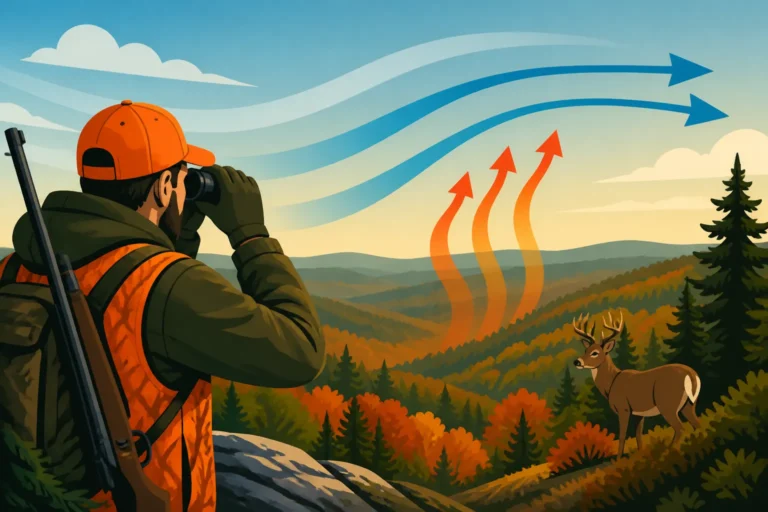
Focus on moving into the wind or with a quartering wind, always trying to keep it in your favor. Pay extreme attention to the terrain. Deer often travel along natural benches, ridges, and the edges of swamps. Move through areas with varied cover—mature timber transitioning to younger growth, or a spruce thicket bordering a hardwood stand. These transition zones are where deer feel secure moving between bedding and feeding areas. Understanding where Maine bucks bed in big timber will greatly enhance your still-hunting success, as you can target these thick, security-rich areas.
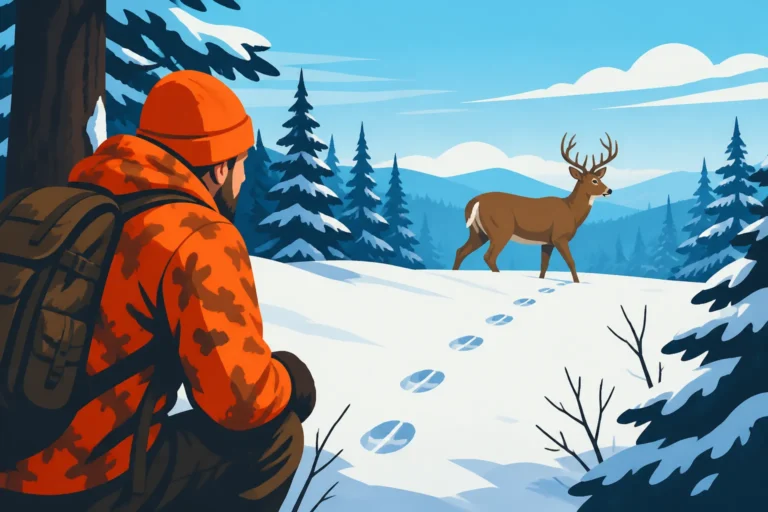
Take advantage of light snowfall to aid your still-hunt; fresh snow not only quiets your steps but also reveals recent tracks, giving you a distinct advantage in tracking a deer in fresh Maine snow. The key is patience: one slow, careful mile is worth ten rushed, noisy ones.
Setting Up on Key Features
While still-hunting is excellent for covering ground, strategic setups can be incredibly effective, especially when you've identified consistent deer movement. The network of old logging roads, skidder trails, and clear-cut edges are prime locations for ambush points. Deer frequently use these corridors for travel, especially during low light conditions or when moving between different habitat types.
Look for bottlenecks or funnels where deer movement is concentrated. This could be a narrow strip of timber between two clear-cuts, a saddle on a ridge, or a crossing point over a stream or swamp. Hanging a stand on a private land field edge or a specific logging road junction can be deadly, but ensure you have proper permission if it's on a specific posted private parcel. Utilizing a ground blind on posted-free land is also a viable option, especially if you brush it in well along a field edge or a strategic point in the timber.
Consider the time of year and weather. During the rut, scrape lines along a logging road or ridge-top saddles for rutting bucks can be highly productive. In late season, focus on cold-weather sitting strategy in Maine, finding areas with late-season food sources for Maine whitetails, like remaining acorns or browse in sheltered valleys.
Understanding Deer Movement Patterns
Deer movement in the North Maine Woods is heavily influenced by season, weather, hunting pressure, and food availability. Early in the season (October into early November), deer are often still on summer patterns, feeding heavily to build fat reserves. They'll be found near preferred browse, mast crops, and sometimes old apple orchards or beaver flowages. This is when Maine's archery season opens, often before the deep cold sets in.
As November progresses, the rut kicks into high gear. Bucks become more active, moving longer distances in search of does. This is a prime time for hunting the rut in early November, often coinciding with the opening of Maine's firearms season. You'll see bucks covering more ground, using ridges, saddles, and dense cover as travel corridors. Rattling and grunting Maine bucks can be highly effective during this period, especially when applied with varying rattling volume in thick spruce cover or grunt calls in mature Maine hardwoods.
Once the firearms season puts pressure on deer, they often become more nocturnal and seek out the thickest cover available, such as cedar swamps or dense spruce stands. Deep snow also pushes deer into deer wintering yards. Understanding these shifts and adapting your strategy accordingly is crucial. If you're hunting into the December muzzleloader close, knowing where deer seek shelter and food during harsh conditions will be key to success.
Essential Gear and Safety Considerations
Hunting in the North Maine Woods is an immersive experience, but its remote nature demands careful attention to gear and safety. Being unprepared here can quickly turn an adventure into a dangerous situation.
Navigation and Communication
In an area as vast and remote as the North Maine Woods, reliable navigation is non-negotiable. Always carry multiple navigation tools. A GPS unit, either handheld or integrated into your smartphone app like GoHunt, is essential. Ensure you have extra batteries for handheld units and power banks for phones. Even with digital maps, a physical compass and paper map (like the DeLorme Maine Atlas and Gazetteer) should always be in your pack as a backup. Understand how to use them, even if you prefer digital.
Cell service is virtually nonexistent in most NMW checkpoint tracts. A satellite communicator (like a Garmin inReach or Zoleo) is a critical piece of safety gear. These devices allow you to send and receive text messages, share your location, and, most importantly, send an SOS in an emergency, even when out of cell range. Let someone know your detailed hunting plan, including your intended route, where you'll be parking, and when you expect to return. This "float plan" is a simple yet effective safety measure. Don't venture into these woods without a solid communication plan.
Weather-Appropriate Clothing and Supplies
Maine weather, especially in the North Woods, can be unpredictable and change rapidly. Layering is key to staying comfortable and safe. Start with a moisture-wicking base layer, add insulating mid-layers (fleece or down), and top it off with a waterproof and windproof outer shell. Even if the forecast looks clear, pack rain gear and extra warm layers. Hypothermia is a real danger.
Beyond clothing, a well-stocked pack is crucial. Carry enough water for the day, plus a purification method or extra bottles. High-energy snacks, a first-aid kit (including any personal medications), a headlamp with spare batteries, fire-starting materials (waterproof matches, lighter, fire starter), a knife, and a small saw or multi-tool are all necessities. Don't forget orange blaze requirements for safety during firearms season; Maine Blaze Orange Requirements are strict for good reason. Consider packing a space blanket or emergency bivvy for unexpected overnight situations. It's better to carry a little extra weight than to be caught unprepared in a survival situation.
Handling a Harvest in Remote Terrain
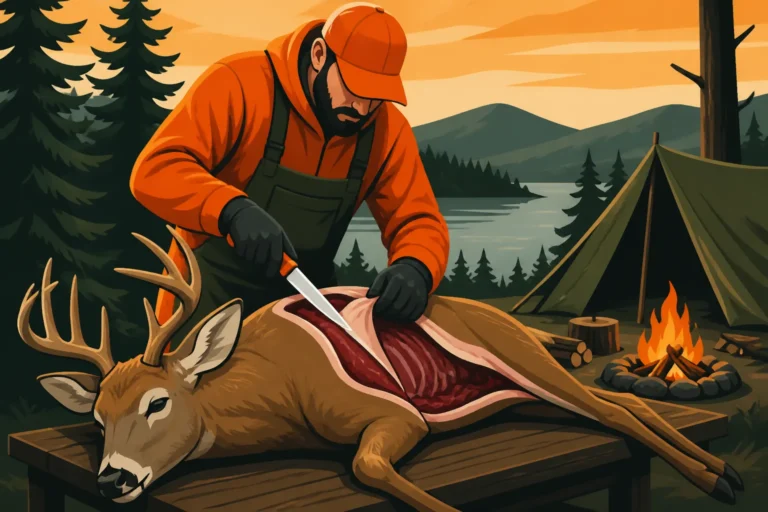
Harvesting a deer in the North Maine Woods is a rewarding experience, but the work has just begun. Field dressing a deer in cold weather is crucial to start the cooling process quickly. If you're deep in the woods, you'll need a plan for getting the animal out. This is often the most physically demanding part of the hunt. Consider packing a game cart, a sled (especially in snow), or at least heavy-duty game bags and a quality backpack frame for deboning the animal and packing it out in pieces.
Remember that Maine's deer registration requirements mandate you register your deer within 18 hours of harvest. In remote areas, this might mean a significant drive to the nearest registration station. Familiarize yourself with these locations before your hunt. For a very large animal like a moose, the challenge is even greater; learning from those who have experience getting a moose out of the North Woods can be helpful, even if you're only hunting deer. Always prioritize ethical game recovery and respect the animal, even when facing a tough haul.
Respecting the Resource and Other Users
Hunting in the North Maine Woods is a privilege granted by private landowners, and maintaining that privilege requires a strong commitment to ethical behavior, environmental stewardship, and courtesy towards all users of the forest.
Leave No Trace Principles
Practicing Leave No Trace principles is fundamental to ensuring the long-term sustainability of hunting in the North Maine Woods. This means minimizing your impact on the environment. Pack out everything you pack in, and then some. This includes all your trash, spent casings, and any discarded hunting materials. Leave no trace of your camp, your stand site, or your presence.
Avoid cutting live trees for blinds or shooting lanes; use natural blowdowns or brush when possible. If you use a treestand on Maine Public Land or any NMW parcel, make sure it's removed at the end of the season unless local regulations state otherwise for specific lease agreements. Bury human waste properly and away from water sources. The goal is that no one should be able to tell you were there after you've left. This simple yet profound philosophy helps preserve the wild character of the NMW for everyone.
Interacting with Loggers and Other Hunters
The NMW is a working forest, and you will almost certainly encounter active logging operations, especially during weekdays. Be respectful and give them wide berth. Logging trucks and machinery always have the right-of-way. Active logging areas can be dangerous, so avoid hunting directly in or near them. If you see active operations, it’s best to move to another area for safety and to avoid interfering with their work.
You'll also share the woods with other hunters, as well as hikers, ATV riders, and campers. Courtesy goes a long way. If you see another hunter, a friendly wave or nod is appropriate. Avoid crowding other hunters, and be mindful of your shooting lanes and backstops. Respect established camps or hunting locations. This collaborative spirit ensures a more enjoyable and safer experience for everyone. A little common sense and mutual respect ensures that these vast lands remain open for all to enjoy.
Understanding and Following All NMW Rules
Beyond general hunting regulations set by the Maine Department of Inland Fisheries & Wildlife, the North Maine Woods has its own set of rules and guidelines that all visitors must follow. These typically cover vehicle access, camping, fire restrictions, and waste disposal. For instance, specific rules might apply to ATV rules on North Maine Woods roads, or where you can and cannot camp, such as camping rules inside North Maine Woods designated sites.
It is your responsibility to familiarize yourself with these rules before you enter the gates. You can usually find a copy of the NMW rules on their website, and gate attendants will provide them. Violating these rules can lead to fines, loss of access privileges, and potentially jeopardize the future of public access to these private lands. Always carry your Maine hunting licenses and what they cost, and ensure you have all necessary permits. By adhering to both state hunting laws and NMW specific regulations, you demonstrate respect for the landowners, the resource, and your fellow outdoor enthusiasts.
| Feature | Description | Hunting Considerations |
|---|---|---|
| Active Logging Areas | Areas where timber harvesting is currently underway; heavy machinery and trucks are common. | Avoid: Dangerous, noisy, and disruptive to hunting. Check with gate attendants for active areas. |
| Recent Clear-cuts | Areas harvested 3-10 years ago, characterized by dense regrowth, brush, and small saplings. | Prime Habitat: Excellent for deer browse and cover. Focus still-hunting along edges and interior pockets. Often holds where Maine bucks bed in big timber. |
| Mature Hardwood Ridges | Stands of older deciduous trees (beech, oak, maple) often found on higher elevations. | Food Source & Travel Corridors: Deer feed on mast crops. Use ridges as travel routes; good for still-hunting and listening for deer. |
| Spruce/Fir Thickets | Dense stands of coniferous trees, often providing thick cover, especially in winter. | Bedding & Escape Cover: Deer use these for security. Difficult to hunt, but good for pushing deer or setting up on edges. |
| Old Logging Roads | Unmaintained or lightly used roads, often overgrown but still navigable on foot. | Deer Travel Routes: Excellent for still-hunting, scouting, and setting up ambush points (e.g., scrape lines along a logging road). |
| Beaver Flowages | Areas flooded by beaver dams, creating wetlands and edges of diverse vegetation. | Water Source & Browse: Deer frequent these for water and emergent vegetation. Good for early season and scouting for tracks. |
| North Woods Deer Yards | Concentrated areas, typically dense conifers, where deer congregate in winter to escape deep snow and predators. | Late Season Importance: Critical for deer survival. Hunters should be extremely cautious and educated if hunting near these areas during winter. |
| Checkpoints/Gates | Manned stations at entry points to the NMW, where fees are paid and access is registered. | Information Hub: Essential for legal access, current conditions, and local tips. Always check for Maine Public Land Hunting Hours. |
Disclaimer
The information provided in this guide is for general informational purposes only and does not constitute legal advice. Hunting regulations, land access rules, and fees can change. Always consult the official Maine Department of Inland Fisheries & Wildlife website, the North Maine Woods official website, and any relevant local authorities for the most current and accurate information before planning your hunt. It is the hunter's responsibility to know and obey all applicable laws and regulations.