Moose Hunting Maine’s North Woods
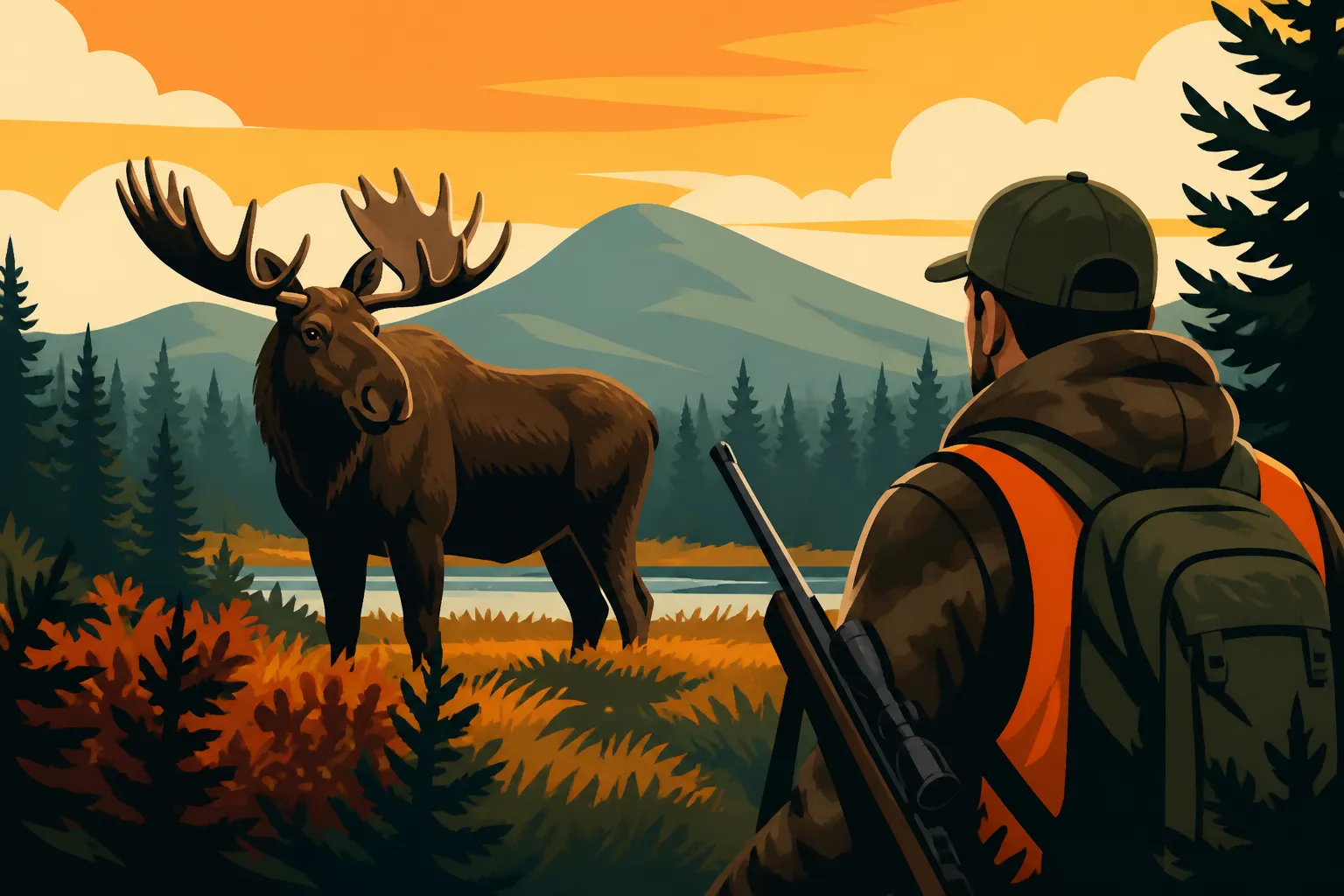
Drawing a Maine moose permit is an experience that often involves years of hopeful anticipation, only to be met with the daunting reality that a successful hunt for these magnificent animals in the vast, wild expanse of the North Woods requires serious preparation and skill. This comprehensive guide is designed to equip you with the knowledge and strategies needed to turn your once-in-a-lifetime moose tag into an unforgettable and successful hunt.
Understanding Maine's Moose Lottery System
For many, the dream of hunting a Maine moose begins long before the hunt itself—it starts with the annual lottery application. Maine manages its moose population through a highly controlled permit system, ensuring sustainable numbers and a quality hunting experience. Getting drawn is a huge part of the challenge, and understanding the system is your first step toward success.
Applying for a Maine Moose Permit
The Maine moose lottery is a highly anticipated event each year, with thousands of applicants vying for a limited number of permits. The application period typically runs from late January through mid-May, with the actual drawing usually taking place in June. Residents and non-residents alike can apply, though the odds often favor residents due to a percentage allocation of permits. You can apply online through the Maine Department of Inland Fisheries and Wildlife (MDIFW) website or via mail. Each application costs a fee, and you can increase your odds slightly by buying chances in the bonus point system – for every year you apply and don't get drawn, you accrue a bonus point, which gives you an additional chance in subsequent drawings. This system helps reward persistent applicants. For a full breakdown, check out the process of Maine Moose Lottery Application Process online.
Deciphering the Permit Zones (WMDs)
Maine is divided into numerous Wildlife Management Districts (WMDs), and each moose permit is specific to a particular WMD. These zones dictate where you can legally hunt your moose. Some WMDs, especially those deep in the North Woods, are known for higher moose densities and larger animals, while others might offer easier access but potentially fewer moose. When you apply, you'll list your preferred WMDs in order of priority. It’s crucial to research these zones carefully before applying. Factors like moose population estimates, terrain, public access points, and the availability of logging roads should all play into your decision. A resource like GoHunt can be invaluable here, offering mapping tools and data to help you analyze WMDs, understand moose distribution, and even scout potential areas from home before you ever set foot in the woods. Looking at maps and understanding the unique characteristics of each WMD, from the dense timber of Aroostook County to the vast, remote areas near the Canadian border, will significantly improve your chances of success once you've drawn that coveted tag.
What a Once-in-a-Lifetime Moose Tag Means
Maine's moose lottery is designed so that once you successfully draw a permit, you are generally ineligible to apply again for a specified number of years, effectively making it a "once-in-a-lifetime" opportunity for many. This policy ensures that more hunters get a chance to experience a Maine moose hunt, rather than a select few continually drawing permits. While the exact restrictions can change, typically, once you've been successful, you won't be able to apply again for at least five years, and in some cases, it means a much longer wait. This adds immense pressure to the hunt, knowing that this might be your only chance for a long time. It underscores the importance of being fully prepared, both physically and mentally, and making the most of every single moment afield. For more details on the restrictions, you can learn more about What a Once-in-a-Lifetime Moose Tag Means. This is why planning, scouting, and potentially hiring a guide become even more critical; you want to ensure you have the best possible chance to fill that tag and create a memory that will last forever.
Essential Gear and Preparation for the North Woods
Hunting moose in Maine's North Woods is not your typical day hunt. The terrain can be rugged, the weather unpredictable, and the animals incredibly large. Proper gear isn't just about comfort; it's about safety and efficiency. Being prepared means having the right tools for the job and understanding how to use them effectively.
Rifles, Ammunition, and Optics for Moose
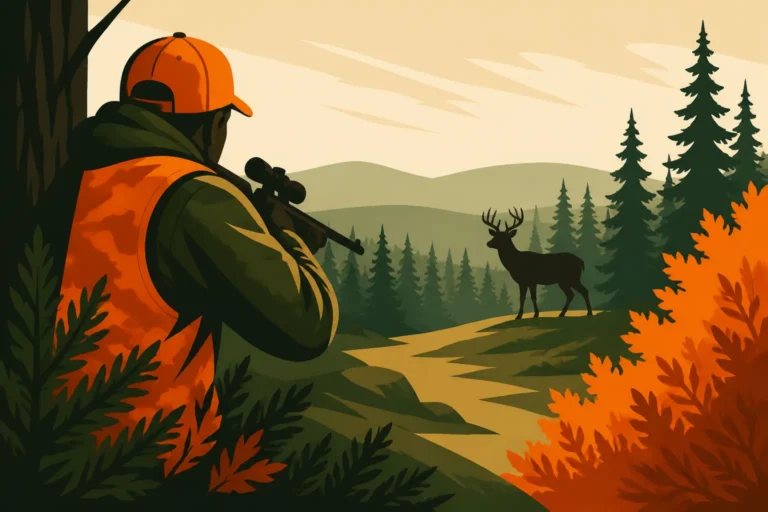
When it comes to firearms for moose, power and reliability are key. Moose are massive animals, and a clean, ethical kill demands a rifle chambered in a cartridge capable of delivering significant energy. Common choices among Maine moose hunters include cartridges like the .30-06 Springfield, .300 Winchester Magnum, .338 Winchester Magnum, and .375 H&H Magnum. The critical factor isn't just the caliber, but also the bullet construction. You'll want heavy, controlled-expansion bullets designed for large game, ensuring deep penetration and maximum energy transfer. Practice with your chosen rifle and ammunition extensively before your hunt to ensure accuracy and familiarity under various conditions.
Optics are equally vital. A high-quality riflescope with good light-gathering capabilities and a relatively low magnification range (e.g., 2-7x or 3-9x) is often ideal, as shots in the North Woods can be at varying distances, often in dense cover at dawn or dusk. For glassing vast clearcuts or distant ridge lines, a good pair of binoculars (10×42 or 12×50) is indispensable. Look for durable, waterproof models that can withstand the rigors of a Maine fall hunt. Remember, you might be carrying this gear for miles through challenging terrain, so balancing capability with manageable weight is always a consideration.
Clothing, Boots, and Navigational Tools
The weather in Maine's North Woods during moose season can be notoriously fickle, often swinging from mild autumn days to freezing rain or even early snow in a matter of hours. Layering is not just a suggestion; it's a necessity. Start with a moisture-wicking base layer, add insulating mid-layers (fleece or synthetic down), and top it off with a waterproof and windproof outer shell. Blaze orange, as required by Maine law, should be highly visible, and many hunters opt for a full blaze orange outfit or at least a vest and hat combination over their other layers.
Your boots are perhaps the most critical piece of clothing. They need to be waterproof, insulated, and offer excellent ankle support for navigating uneven, often wet, and muddy terrain. Rubber boots are popular for their waterproof qualities, while sturdy leather or synthetic hiking boots are favored by others for their support and breathability. Whichever you choose, break them in thoroughly before your hunt to avoid painful blisters.
For navigation, a reliable GPS unit or a smartphone with a robust hunting app like GoHunt is non-negotiable. Traditional paper maps and a compass, and knowing how to use them, should always be carried as a backup. The North Woods is vast, and it's incredibly easy to get disoriented, especially when tracking game or moving quickly through dense timber. Many experienced hunters also bring a power bank for their electronics, a headlamp with extra batteries, and a small first-aid kit for emergencies. Think about everything you might need to survive comfortably for 24-48 hours should you get delayed or lost. For a detailed rundown, consider reading up on Packing for a North Woods Moose Hunt.
Field Dressing and Meat Care Essentials
Harvesting a moose is only half the battle; properly field dressing and caring for the meat is paramount, especially given the animal's size. You'll need a sharp, sturdy knife (or two), a bone saw or hatchet, and game bags to protect the meat from dirt and insects. Many hunters also carry a small sharpening steel or ceramic sticks to keep their knives keen. Rope or strong cordage is essential for tying limbs back or even helping to hoist quarters.
Due to the sheer size and weight of a moose, getting it field-dressed and cooled down quickly is critical, particularly if temperatures are mild. The animal's body heat can spoil meat rapidly. Be prepared to quarter the animal in the field. This involves breaking it down into manageable sections, which will be much easier to handle and transport than attempting to move the entire carcass. Having a plan for this before you ever pull the trigger is crucial. Think about how you'll get those heavy quarters out of the woods and what you'll do with them once you've transported them back to camp or your vehicle.
Strategies for Locating Moose in Vast Wilderness
The North Woods of Maine stretches for millions of acres, a mosaic of dense forests, clear-cuts, bogs, and waterways. Finding a moose in such a vast landscape can feel like looking for a needle in a haystack. Effective scouting and strategic hunting techniques are paramount to success.
Reading Moose Sign and Habitat Preferences
Moose are creatures of habit, and learning to read their sign is a crucial skill for any hunter. Look for tracks – large, heart-shaped prints, often deeply impressed in soft ground or snow. Moose droppings, typically large pellets, can tell you how recently an area was visited. Perhaps the most exciting sign is rubs and scrapes. Bulls will rub their antlers on trees, usually saplings or small trees, to remove velvet and later to mark territory. These rubs, often several feet high, indicate the presence of a bull. Scrapes, where they paw at the ground, also serve as communication points.
Moose prefer areas with a mix of dense cover for bedding and protection, and open areas or young growth for feeding. They thrive in regenerating clear-cuts, along the edges of swamps and bogs, and near beaver flowages where browse is abundant. They particularly favor the tender shoots of aspen, birch, willow, and maple, as well as aquatic vegetation. Understanding these habitat preferences will guide your scouting efforts and help you identify high-probability areas. Spending time observing and learning about the local ecosystem, perhaps even using a comprehensive platform like GoHunt to analyze aerial maps for specific habitat features, can give you a significant advantage.
Utilizing Logging Roads and Clear Cuts
The extensive network of logging roads in the North Maine Woods provides essential access for hunters. These roads, while often rough and requiring a robust vehicle, are your highways into moose country. Moose frequently use these roads themselves for travel, and the edges of the road provide easy access to browse. Hunting along logging roads involves a slow, quiet approach, often referred to as "still-hunting" or "road hunting." You'll want to cover ground slowly, stopping frequently to glass ahead, listen for sounds, and look for fresh sign.
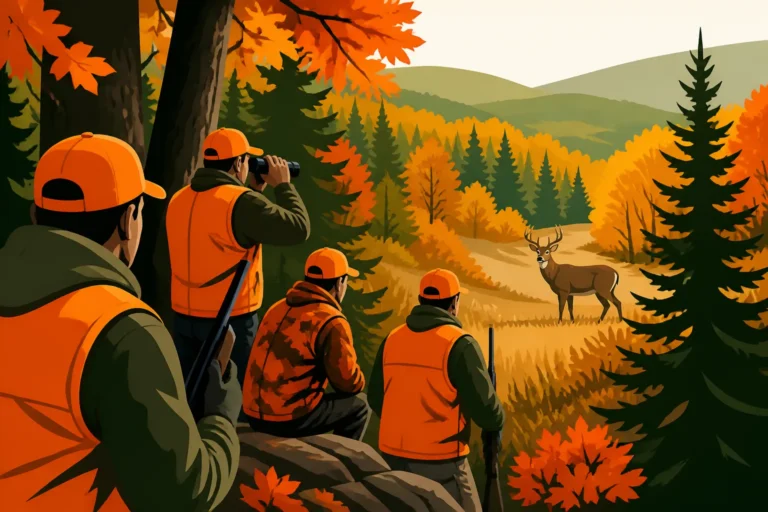
Clear-cuts, especially those that are 5-15 years old and regenerating with dense brush and young trees, are prime moose feeding grounds. Moose will move into these areas to browse during morning and evening hours. Glassing a cut for a bull moose at first light or last light from a vantage point can be incredibly effective. Find a high spot overlooking a clear-cut, set up your spotting scope or binoculars, and patiently scan for movement. The vastness of these cuts can make spotting challenging, but a diligent eye can often pick out the dark silhouette of a moose against the lighter vegetation. Patience is key here; a moose might be bedded down or moving slowly, making it difficult to detect immediately.
Glassing and Spot-and-Stalk Tactics
Glassing is an underutilized skill in many eastern states, but it's an incredibly powerful tactic for moose hunting in Maine, especially in more open terrain or large clear-cuts. Setting up in a position with a wide view, ideally with good light at dawn or dusk, allows you to methodically scan distant hillsides, clearings, and edges for moose. Use your binoculars or a spotting scope and break the landscape into grids, examining each section thoroughly. Look for shapes that don't quite fit, a patch of dark hide, or the tell-tale glint of antlers.
Once a moose is spotted, the real work begins: the spot-and-stalk. This involves carefully planning an approach that keeps you downwind and out of sight. Moose have excellent senses of smell and hearing, though their eyesight is generally considered fair. Utilize natural cover, move slowly and deliberately, and be prepared to stop and reassess if the moose changes position or becomes alert. This type of hunting requires immense patience, stealth, and a deep understanding of wind currents and terrain. It's exhilarating when everything comes together, culminating in a close, ethical shot opportunity. For more specific tactics, delve into Glassing a Cut for a Bull Moose.
Mastering Moose Calling Techniques
Moose are vocal animals, especially during the breeding season, or "rut," which generally peaks in late September and early October. Understanding their vocalizations and how to replicate them can be a game-changer for bringing a wary bull within range. It’s an art form that takes practice and confidence, but the reward of calling in a massive bull is unparalleled.
Understanding Moose Vocalizations
Moose communicate through a variety of calls, each with a distinct purpose. The most commonly mimicked call is the cow call – a long, drawn-out moan that signals a cow ready for breeding. This call is designed to attract bulls. Bulls, in turn, respond with deep, guttural grunts, often punctuated by a "challenge grunt" that indicates their presence and dominance. You might also hear "rattling" sounds, not from antlers like deer, but from a bull raking trees with his antlers or stomping the ground, broadcasting his size and readiness to fight.
Learning to differentiate these calls in the wild and then practicing your own imitations is crucial. There are many instructional videos and audio recordings available to help you master the nuances of each sound. The key is to sound realistic and confident. A hesitant or unrealistic call might spook a bull, sending him deeper into the cover. Mimicking the sounds of a lost calf can also sometimes pique the curiosity of a cow, which might bring a bull trailing behind her. The more you understand the moose's language, the better you can use it to your advantage.
Calling a Bull Moose in Late September
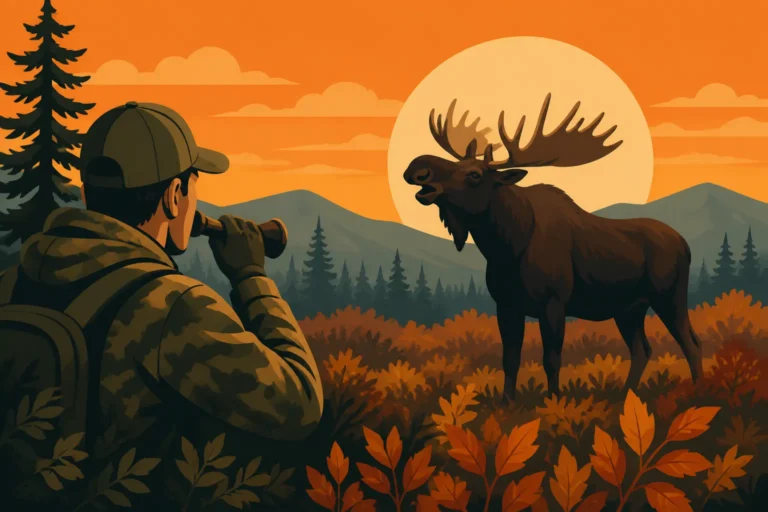
The window of late September and early October is often the sweet spot for calling bull moose in Maine. During this time, bulls are actively seeking cows, and their territorial instincts are high. A well-executed cow call can often draw a curious or dominant bull right into your setup. The technique typically involves a series of cow calls, followed by periods of silence and listening. If you hear a bull respond with a grunt, you know you've got his attention.
Once a bull responds, don't over-call. Be patient. Let him work his way towards you, mimicking the sounds of a bull raking trees by scraping a paddle against a tree trunk or breaking branches to create the illusion of a rival. You might offer a light grunt in response to his, challenging him to come closer. The trick is to convince him that a receptive cow (or a rival bull) is just out of sight. Setting up in an area with good visibility, but with enough cover to break up your silhouette, is critical. For precise guidance on this exciting technique, consult resources like Calling a Bull Moose in Late September. It's a thrilling experience that can put you face-to-face with a massive animal.
Decoy Strategies for Calling Moose
While not as common as for deer or turkey, moose decoys can be effective, particularly for late-season calling during the rut. A realistic moose decoy, whether a full 3D model or a 2D silhouette, can add a visual element that completes the illusion created by your calls. A bull, hearing a cow call, might be hesitant to commit until he sees a visual confirmation. A decoy provides that.
Place your decoy strategically, usually downwind from your position and in an open area where it's visible. You want the approaching bull to see the decoy before he sees you or catches your scent. If using a cow decoy, position it as if it's feeding or standing naturally. When combining calling with a decoy, the goal is to draw the bull in, have him focus on the decoy, and then give you an opportunity for an ethical shot when he presents himself. Some hunters even use a small bull decoy, or a set of real antlers, to simulate a rival bull, especially when paired with aggressive grunts and antler-raking sounds, to really challenge a dominant bull to come in and investigate.
The Crucial Role of Guides and Outfitters
For many hunters, especially non-residents or those new to moose hunting, the sheer scale and challenge of Maine's North Woods can be overwhelming. This is where a Registered Maine Guide can be an invaluable asset, turning a potentially frustrating trip into a successful and memorable experience.
When to Consider Hiring a Registered Maine Guide
Hiring a Registered Maine Guide is a decision many hunters make, and for good reason. These professionals possess an intimate knowledge of the land, the moose, and the hunting regulations. If you're a non-resident, or if you've drawn a permit in a remote WMD you're unfamiliar with, a guide can drastically increase your odds of success. They know where moose typically frequent, understand local weather patterns, and have developed successful hunting strategies over years of experience. They handle logistics like camp setup, food, and often, the extremely difficult task of getting a harvested moose out of the woods.
Furthermore, a guide provides a critical safety net in the vast, unforgiving North Woods. They are trained in wilderness first aid and navigation, ensuring that your hunt is not only successful but also safe. While the cost can be significant, many consider it a worthwhile investment, especially for a once-in-a-lifetime opportunity. To learn more about selecting a guide for your drawn permit, check out Hiring a Guide for a Drawn Moose Permit. If you want to make the most of your tag and minimize the stress of the unknown, a guide is often the best choice.
What to Expect from a Guided Moose Hunt
A guided moose hunt in Maine typically offers a comprehensive experience designed to maximize your chances and comfort. Most packages include lodging, meals, transportation in the hunting area, and of course, the expert guidance of your Registered Maine Guide. Lodging can range from rustic tent camps deep in the woods to comfortable cabins at traditional sporting camps. Meals are often hearty and home-cooked, fueling you for long days afield.
Your guide will have scouted areas prior to your arrival, identifying active moose sign and potential hunting locations. They'll wake you early, transport you to prime spots, and work tirelessly throughout the day to help you locate and call a moose. Expect early mornings and late evenings, often involving extensive walking over challenging terrain. Your guide will be there every step of the way, from spotting a moose to assisting with field dressing and extraction. Transparency is key; always ask what exactly is included in the package when you book.
Booking a Guided Maine Moose Hunt
Booking a guided moose hunt requires advanced planning. Many reputable outfitters and guides are booked a year or more in advance, especially for prime hunting dates. Begin your search early, well before the lottery drawing, to explore options. You can find guides through the Maine Professional Guides Association, local sporting camp websites, or by asking for recommendations from other hunters. GoHunt can also be a good resource to research outfitters, read reviews, and understand what different operations offer.
When selecting a guide, don't be afraid to ask plenty of questions: What's their success rate? What are their camp facilities like? What's included in the price? How do they handle meat processing and transportation? Are references available? A good guide will be happy to answer all your queries. Ensure you understand their deposit, payment, and cancellation policies. Remember, a guided hunt is an investment, and finding the right guide is as crucial as drawing the permit itself.
Recovering and Processing Your Moose
The moment of truth—successfully taking down a Maine moose—is often followed by the realization of the immense task ahead. Moose are incredibly large animals, and recovering and processing them efficiently is vital to preserving the meat and respecting the animal.
Field Dressing a Moose in the North Woods
Field dressing a moose is a physically demanding job that needs to be done quickly and effectively, especially in mild weather. The goal is to remove the internal organs to cool the carcass rapidly, preventing spoilage. You'll need sharp knives, a gut hook, and potentially a small saw. Be prepared for a significant amount of blood and a large cavity to work with. Once the organs are removed, you'll need to open the body cavity as much as possible to allow air circulation.
Many hunters opt to quarter the moose in the field. This means dismembering the animal into four major sections (each hindquarter, each front shoulder, and the backstraps and tenderloins from the spine). This makes the meat much more manageable for transport. Having a few strong helpers is almost essential for this task. Make sure to have plenty of game bags to protect the meat from dirt, insects, and debris as you work. This is a messy, laborious job, but it’s critical for ensuring quality meat for the freezer. A detailed guide on Field Dressing a Moose in the North Woods can be a lifesaver for first-timers.
Getting a Moose Out of the North Woods (Transportation Challenges)
This is often the most challenging part of a moose hunt. A mature bull moose can weigh upwards of 1,000 to 1,500 pounds, making it impossible for one or even two people to drag. If you're fortunate enough to harvest a moose near a logging road, you might be able to use an ATV, side-by-side, or even a vehicle with a winch. However, many moose are taken in remote areas far from vehicle access.
In such scenarios, quartering the animal is the only feasible option. Each quarter can still weigh 150-250 pounds, requiring multiple trips or a team of strong individuals to pack them out. Specialized game carts, pack frames, or even horses or mules (if available and permissible) are sometimes used. Your guide, if you have one, will have an extraction plan in place, which is one of their most valuable services. Without a guide, you'll need a clear strategy, plenty of manpower, and the right equipment to move those massive pieces of meat. This is where fitness and teamwork truly come into play. Understanding Getting a Moose Out of the North Woods is crucial for planning your hunt.
Meat Processing and Handling After the Hunt
Once the moose is out of the woods, the work isn't over. The meat needs to be properly cooled, butchered, and processed for storage. If you're in a remote camp, cooling might involve hanging quarters in a cool, shaded area, often covered with game bags, or using ice chests if transport is still some time away. Getting the meat to a professional butcher as quickly as possible is often the best option, especially if you're not experienced in large game butchering.
Maine has many excellent meat processors throughout the state that specialize in wild game. They can cut, wrap, and often freeze your meat to your specifications. If you plan to do it yourself, ensure you have a clean, cool space, sharp tools, and the knowledge to properly break down the quarters. Regardless of whether you process it yourself or use a professional, proper handling from the moment of harvest through packaging is essential to ensure the quality and flavor of your hard-earned moose meat. Don't let all your hard work go to waste by neglecting proper meat care.
Respecting the Resource and Ethical Hunting
Hunting in Maine, especially for magnificent animals like moose, comes with a profound responsibility. Ethical hunting practices, a deep respect for the wildlife, and an understanding of conservation efforts are paramount to maintaining the health of the moose population and the integrity of the hunting tradition.
Understanding Moose Population Management
Maine's moose population is meticulously managed by the MDIFW to ensure sustainability and health. The permit system, with its specific WMD allocations and a limited number of tags, is the primary tool for this management. Biologists conduct aerial surveys, collect harvest data, and analyze environmental factors to determine permit numbers each year. This careful approach helps balance the moose population with available habitat and minimizes negative impacts like excessive browsing in certain areas.
One significant challenge facing moose populations, particularly in northern New England, is the winter tick. Heavy infestations of these parasites can lead to significant calf mortality, impacting the overall population health. Maine is actively studying this issue and, in some WMDs, has increased cow permits to reduce moose density, which in turn can lower tick numbers by reducing the number of hosts available. Understanding these complex ecological factors, like Why Winter Ticks Are Killing Maine Moose Calves, highlights the importance of the management strategies in place and how your individual hunt contributes to broader conservation goals.
Preventing Winter Tick Impacts on Moose
As mentioned, winter ticks pose a serious threat to Maine's moose, especially calves. These ticks attach to moose in the fall, feed on their blood all winter, and can cause anemia and hypothermia, leading to high mortality rates. While hunters can't directly eliminate ticks, participating in the regulated hunting seasons, especially through cow permits in designated WMDs, is a critical component of population management aimed at mitigating tick impacts.
Additionally, reporting your harvest accurately and participating in any requested biological sampling (such as submitting jaws for aging or lymph nodes for disease monitoring) provides valuable data to wildlife biologists. This data helps them fine-tune management strategies and track the health of the moose herd. By following regulations and cooperating with wildlife officials, hunters play a direct role in the long-term health and stability of Maine's moose population. Your actions in the field contribute directly to the future of moose hunting in the state.
Responsible Hunting Practices and Safety
Ethical hunting goes beyond legal compliance; it embodies a deep respect for the animal and the environment. This means taking only ethical shots, making every effort to recover a wounded animal, and adhering to fair chase principles. Never take a shot you're not confident in, and always confirm your target before pulling the trigger.
Safety in the North Woods is paramount. Always inform someone of your hunting plans, including your route and estimated return time. Carry a first-aid kit, emergency shelter, and sufficient food and water. Be aware of your surroundings, other hunters, and the potential for severe weather. Handle firearms safely at all times. Remember that blaze orange is not just a legal requirement but a crucial safety measure to make you visible to other hunters. Maine has an incredible tradition of hunting, and upholding these standards ensures that the privilege can be enjoyed for generations to come. For insight into the overall health and size of the herd, research the Maine Moose Population Estimate to appreciate the work that goes into this resource.
Disclaimer
The information provided in this guide is for general informational purposes only and is not intended as legal or professional advice. Hunting regulations, seasons, and licensing requirements in Maine can change frequently. It is the responsibility of every hunter to consult the official Maine Department of Inland Fisheries and Wildlife (MDIFW) regulations and obtain all necessary licenses and permits before engaging in any hunting activities. Always prioritize safety and ethical hunting practices.