Maine Captive Cervid Oversight
One of the biggest anxieties for hunters and wildlife enthusiasts in Maine is the thought of our wild deer and moose herds falling victim to devastating diseases. With the rise of deer and elk farms across the country, many folks worry about how captive cervids might impact our healthy, CWD-free landscape. This guide will walk you through Maine's comprehensive approach to captive cervid oversight, detailing the robust regulations and proactive measures in place to safeguard our precious wild populations.
Understanding Maine's Stance on Captive Cervids
Maine has always taken a very strong, often cautious, approach to wildlife management, and that definitely extends to captive cervids. For many of us who cherish our wild deer and moose, the idea of farmed cervids living alongside our free-ranging animals brings up a lot of questions and, let's be honest, a fair bit of concern. The state understands these worries deeply, recognizing the potential threats that captive populations, especially if not managed properly, could pose to the health and vitality of our wild herds.
The Rationale Behind Strict Regulations
The primary driver behind Maine's stringent regulations concerning captive cervids is the unwavering commitment to protecting its wild deer and moose from disease, particularly Chronic Wasting Disease (CWD). CWD is a neurological disease that is always fatal to cervids and can spread through direct animal-to-animal contact or indirectly through environmental contamination from bodily fluids. Currently, Maine is proud to maintain its Maine's CWD-Free Status Explained While CWD hasn't been detected in our state, it has spread to many other states and Canadian provinces, often linked to the movement of infected captive cervids. This stark reality means Maine cannot afford to be complacent.
The regulations aren't just about CWD, though. They also aim to prevent the introduction and spread of other potential pathogens, parasites, or even non-native cervid species that could outcompete or introduce genetic issues to our indigenous wildlife. It’s a holistic approach to biosecurity, built on the principle that prevention is far more effective and less costly than trying to contain an outbreak after it starts. For a state that values its wild places and game as much as Maine does, this protective stance is paramount.
Distinguishing Captive From Wild Herds
It's crucial to understand that Maine’s Department of Inland Fisheries and Wildlife (MDIFW) strictly differentiates between wild and captive cervid populations. Wild cervids, like the deer you might see while Still-Hunting Aroostook County Farmland, are managed as a public trust resource, free to roam and contribute to the ecosystem's balance. Their health and management fall under the purview of MDIFW, with policies designed to ensure sustainable populations for hunting and ecological integrity.
Captive cervids, on the other hand, are considered livestock, similar to cattle or sheep, and their oversight primarily falls under the Maine Department of Agriculture, Conservation and Forestry (DACF), specifically its Animal Health division. While MDIFW does provide input and consultation, especially regarding disease threats to wild animals, the day-to-day management, licensing, and inspection of captive cervid facilities are handled by agricultural authorities. This dual oversight ensures that while the animals are treated as agricultural commodities, the critical wildlife health concerns are not overlooked. This distinction also helps define legal boundaries, ensuring that captive animals cannot simply escape and become part of the wild population without consequence or proper measures.
Key Regulations and Licensing for Captive Cervid Facilities
Operating a captive cervid facility in Maine isn't a simple endeavor; it's a highly regulated activity designed to minimize risk. Anyone considering such an operation, or even curious about how they are managed, will quickly realize the hoops one must jump through to ensure compliance and prevent harm to our wild resources. The state's strict framework is a testament to its commitment to maintaining our CWD-free status.
Licensing Requirements and Application Process
To legally keep captive cervids in Maine, an individual or entity must obtain a license from the DACF. This isn't a quick process, and it's designed to be thorough. The application typically requires detailed plans for the facility, including fencing, animal housing, waste management, and emergency protocols. Applicants must demonstrate a clear understanding of disease prevention and animal welfare. Furthermore, there are often fees associated with the application and annual renewal, which help fund the inspection and oversight programs.
Part of the licensing process involves a comprehensive review and approval by both DACF and MDIFW. This ensures that agricultural standards are met while also addressing any potential risks to local wildlife. It's not uncommon for potential operators to face numerous questions about their biosecurity plans, animal acquisition sources, and disposal methods. The state wants to be absolutely sure that any new facility poses no undue risk to Maine's healthy wild deer and Moose in Maine's North Woods. For those interested in the minutiae, information about specific requirements can often be found on the DACF website, and resources like GoHunt often compile information relevant to wildlife regulations across states, even if their primary focus is wild game.
Facility Standards and Biosecurity Measures
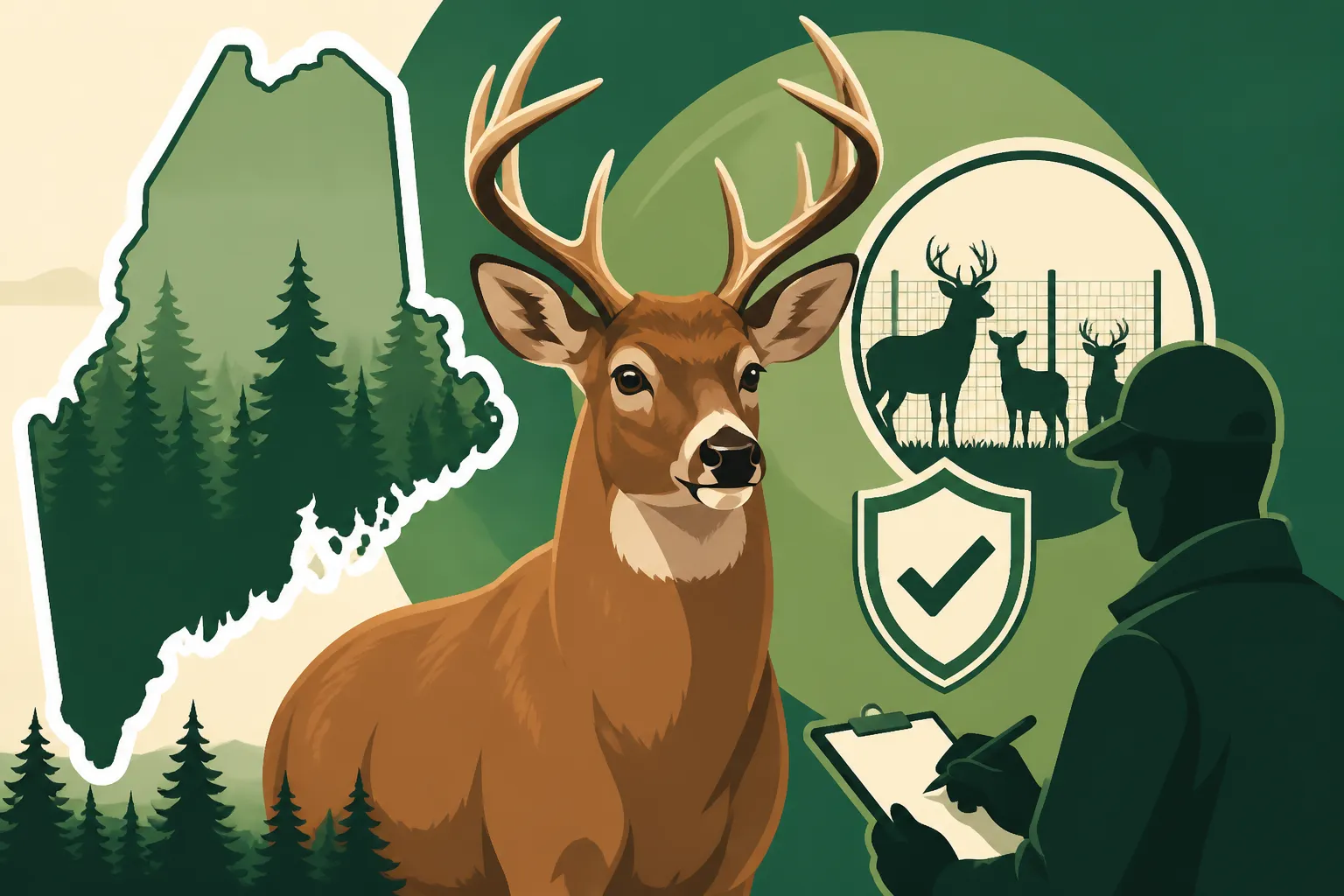
Once licensed, a captive cervid facility in Maine is held to very high standards for its physical infrastructure and operational practices. These aren't just suggestions; they are legally binding requirements. Foremost among these are fencing requirements. Facilities must have robust, escape-proof fencing that prevents any captive cervid from getting out and any wild cervid from getting in. This "double-fencing" approach often includes an interior and exterior fence, with specific height, material, and maintenance standards to prevent breaches.
Beyond physical barriers, biosecurity is a major focus. This includes strict protocols for animal acquisition, ensuring all incoming animals are from CWD-free herds and have undergone rigorous testing. There are also rules for feed storage, waste disposal, and preventing contamination. For instance, carcasses must be disposed of in a manner that eliminates any risk of disease transmission to scavengers or the environment. Regular inspections are conducted to ensure ongoing compliance, and any deviation from these standards can result in penalties or license revocation. This meticulous attention to detail is why Maine's Maine's Deer and Moose Disease Monitoring program is considered so effective.
Disease Prevention and Monitoring: Maine's Vigilance
Maine's approach to captive cervid oversight isn't just about setting rules; it's about active, ongoing vigilance. The state recognizes that even with the best regulations, constant monitoring and rapid response are essential to keep its wild populations safe. This commitment is evident in its comprehensive disease prevention and monitoring programs.
Chronic Wasting Disease CWD Surveillance
Given the devastating nature of CWD, surveillance for this disease is at the absolute forefront of Maine's efforts. All captive cervids that die or are slaughtered within Maine facilities are required to be tested for CWD. This mandatory testing provides a critical layer of early detection. Should a positive case ever be identified in a captive facility, immediate and drastic measures would be implemented to prevent any potential spread to wild deer. This would likely involve quarantining the facility, depopulation of the herd, and intensive environmental remediation.
This proactive testing is complemented by continuous monitoring of wild cervids, especially those harvested by hunters. The state conducts Maine's Chronic Wasting Disease Monitoring through hunter-submitted samples during hunting seasons, particularly in areas near potential captive cervid sites or along state borders. Hunters play a vital role in this surveillance, and resources from organizations like GoHunt often include guides on how to properly submit samples in states that require or encourage it, emphasizing the importance of community involvement in wildlife health. The goal is a multi-layered defense, catching any potential CWD presence, whether captive or wild, as quickly as possible.
Other Health Protocols and Testing Regimens
While CWD is a major concern, it's not the only disease Maine's oversight program addresses. Captive cervids are also routinely tested for other diseases that could pose a threat to both wild animals and, in some cases, human health or other livestock. These might include tuberculosis, brucellosis, and various parasitic infections. The specific testing regimens can vary based on the species of cervid, its origin, and the history of the facility.
For instance, any new animals brought into a facility typically undergo a mandatory quarantine period and multiple rounds of testing before being integrated into the main herd. This rigorous intake process is designed to act as a firewall against disease introduction. Veterinary inspections are also a regular occurrence, with licensed veterinarians ensuring the health and welfare of the animals and adherence to all health protocols. This comprehensive approach underscores Maine’s dedication to safeguarding its natural heritage, making sure our wild places remain vibrant and disease-free for all who enjoy them, whether you're out Spring Turkey Hunting in Maine or simply watching deer in your backyard.
| Aspect | Wild Cervids (e.g., White-tailed Deer) | Captive Cervids (e.g., Deer Farm) |
|---|---|---|
| Primary Oversight | Maine Department of Inland Fisheries & Wildlife (MDIFW) | Maine Department of Agriculture, Conservation & Forestry (DACF) |
| Movement | Free-ranging; natural migration and dispersal | Restricted to licensed facility; strict transport permits |
| Disease Monitoring | Hunter-submitted samples, targeted surveillance (e.g., CWD) | Mandatory testing (CWD, TB, Brucellosis), veterinary checks |
| Fencing | None (except for private property boundaries) | Mandatory high-security, double-fencing requirements |
| Legal Status | Public trust resource | Livestock/Private property |
| Intervention | Population management (hunting), habitat conservation | Biosecurity protocols, health treatments, culling if needed |
Enforcement, Penalties, and the Future of Captive Cervid Oversight
The best regulations in the world are meaningless without robust enforcement. Maine takes its captive cervid oversight seriously, and there are real consequences for those who don't comply. This commitment to upholding the rules is what truly protects our wild herds and maintains the integrity of our outdoor traditions.
Compliance and Consequences for Violations
Maine's enforcement mechanisms are multi-faceted, involving both DACF and MDIFW. Regular, unannounced inspections of captive cervid facilities are a standard practice. These inspections ensure that fences are secure, animals are healthy, records are meticulously kept, and all biosecurity protocols are being followed. Inspectors are trained to look for any signs of disease, potential escape routes, or improper management.
If violations are found, the consequences can be severe. These can range from warnings and requirements to rectify issues within a specific timeframe, to significant fines, seizure of animals, or even revocation of the operating license. In cases of intentional disregard for regulations, particularly those related to disease prevention or illegal animal acquisition, criminal charges could be pursued. Maine takes illegal possession or introduction of cervids, or any activity that threatens the CWD-free status of its wildlife, with utmost gravity. It's a clear message: the health of our wild animals is not something to be trifled with. For anyone navigating complex hunting and wildlife laws, platforms like GoHunt can be invaluable for understanding the legal landscape in various states, though always consult official state resources for definitive legal advice regarding captive cervid operations.
The Ongoing Debate and Evolution of Regulations
The discussion around captive cervids is rarely settled and often sparks passionate debate. In Maine, while the current regulations are strict, there’s an ongoing conversation about how to best manage these facilities while continually minimizing risk. As CWD continues to spread in other parts of the country, and as new scientific understandings emerge about disease transmission, Maine's policies are subject to review and potential evolution.
This means hunters and landowners should stay informed. While Maine boasts a healthy wild deer population, managing it responsibly often involves complex decisions, as seen in the Maine's Antlerless Permit System or efforts to control predator populations. The state might consider tightening regulations even further, introducing new testing requirements, or adjusting zoning for captive facilities. Public input is often a critical part of this process, allowing stakeholders to voice their concerns and contribute to decisions that will ultimately shape the future of White-Tailed Deer Across Maine and other cervid populations for generations to come. Staying engaged and understanding the "why" behind these regulations is key to being a responsible steward of Maine's natural resources.
Disclaimer
Please note that this guide provides general information about Maine's captive cervid oversight. Regulations can change, and interpretations may vary. Always consult the official websites of the Maine Department of Inland Fisheries and Wildlife (MDIFW) and the Maine Department of Agriculture, Conservation and Forestry (DACF) or legal counsel for the most current and authoritative information before making any decisions related to captive cervid operations or hunting regulations.