Maine Coyote Diet in Farm Country
Living in Maine's farm country, you know the rhythm of the seasons, the hard work, and the constant vigilance it takes to keep your operation running smoothly. But for many, there's another player in the landscape, a shadow moving at the edges of fields and woodlots: the Eastern coyote. Understanding what these adaptable predators eat, especially around our farms, isn't just academic; it's crucial for protecting livestock, crops, and even understanding the broader ecosystem. This guide dives deep into the shifting diet of coyotes in Maine's agricultural heartland, offering insights into their foraging habits and the implications for rural communities.
Understanding the Opportunistic Hunter: Why Coyotes Target Farm Country
Coyotes are incredibly intelligent and adaptable creatures, a trait that has allowed them to thrive even as human populations expand. In Maine's farm country, they find a unique blend of natural cover and abundant food sources, making agricultural areas particularly appealing. It's a landscape that offers both the wildness they need and the easy pickings that can sometimes lead to conflict with farmers.
The Allure of Agricultural Landscapes for Coyotes
Imagine a coyote surveying the landscape from a wooded knoll bordering your cornfield. To us, it's a field ready for harvest or pasture for livestock. To a coyote, it’s a giant buffet. Farm country isn't just open fields; it's often a mosaic of tilled land, hayfields, pastures, orchards, and interspersed woodlots, fencerows, and brushy edges. These varied habitats create an ideal environment for a wide range of prey animals, from voles and mice darting through tall grass to deer browsing at the field edge. The sheer diversity of available food, coupled with sufficient cover for denning and travel, makes these areas prime coyote territory. They aren't just passing through; they're setting up shop, raising families, and making a living off the land, often to the frustration of landowners.
Furthermore, human activities often inadvertently provide resources. Waste grain left after harvest, discarded animal carcasses, or even compost piles can draw coyotes closer to homesteads. It's not necessarily a malicious act on their part, but rather a testament to their incredible efficiency at finding and utilizing any available food source. When you're trying to figure out where coyotes are moving, tools like GoHunt can be incredibly helpful for visualizing these landscape features, highlighting tree lines, water sources, and topography that might serve as natural corridors or hunting grounds for these canids.
Primary Prey vs. Opportunistic Scavenging
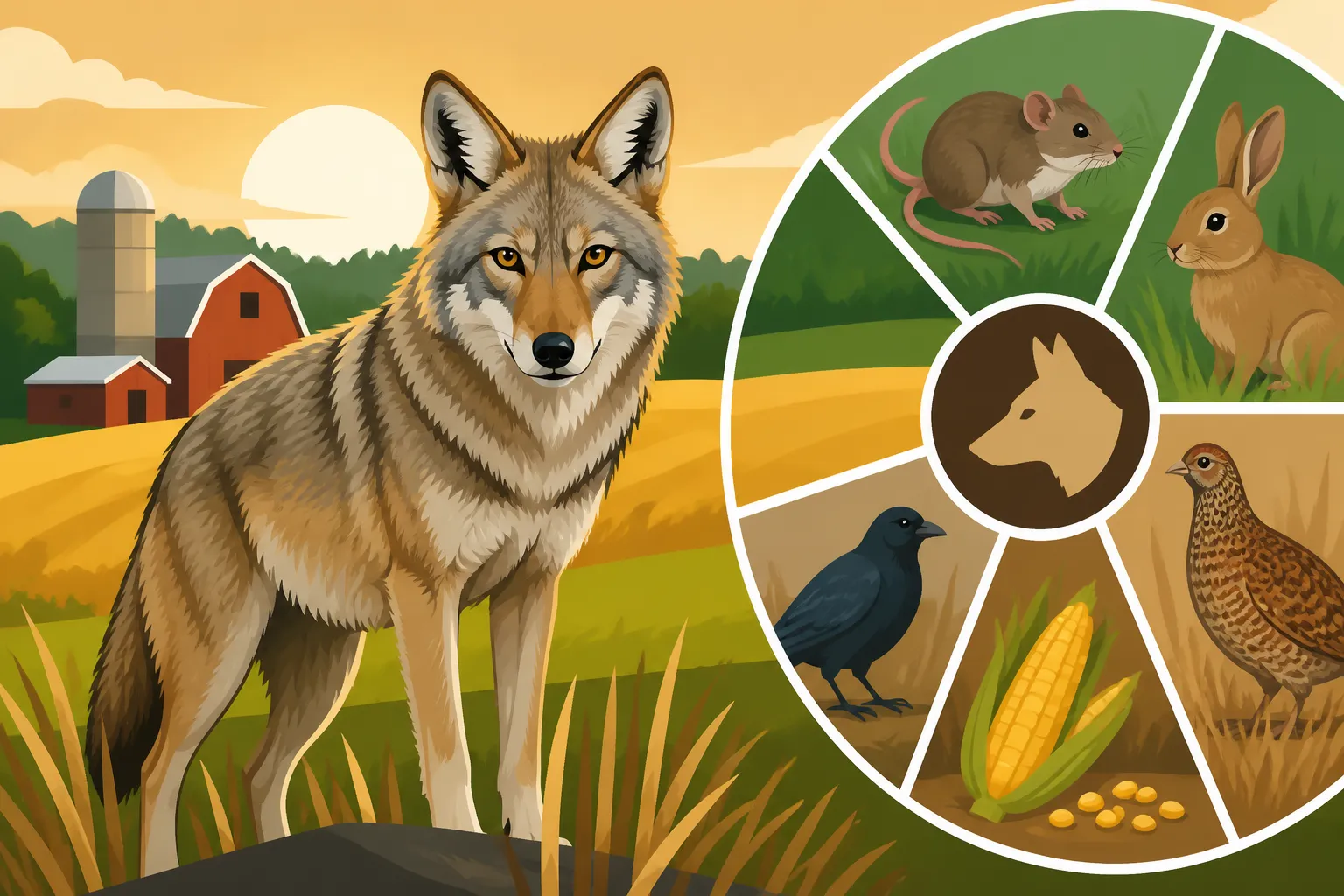
While coyotes are often stereotyped as ravenous predators solely focused on big game or livestock, their diet is far more varied. Their primary diet largely consists of small to medium-sized mammals. Think of rodents like mice, voles, and shrews, as well as rabbits and snowshoe hares. These creatures form the backbone of a coyote's diet year-round because they are abundant, relatively easy to catch, and provide consistent nutrition. A healthy population of these smaller animals can actually keep coyotes from seeking larger, more problematic prey.
However, coyotes are also highly opportunistic scavengers. This is where the "farm country" aspect really comes into play. Any deceased animal, whether it's roadkill deer, an animal that succumbed to disease, or even afterbirth from calving livestock, becomes a potential meal. During certain times of the year, particularly when natural prey populations are low or competition is high, this scavenging behavior intensifies. It’s a survival mechanism, ensuring they can get by even when hunting is tough. This means that if there's an unattended pile of waste meat or a downed animal near your barn, a coyote will absolutely find it, further habituating them to human presence and increasing the risk of future conflicts. Understanding these dietary patterns is key to predicting where and when coyotes might pose a problem, and for hunters looking to thin their numbers, it means understanding when and where to set up. Coyote Calling Maine Farm Country is one method that leverages these patterns.
Seasonal Shifts in the Farm Country Coyote's Menu
Maine's distinct four seasons heavily dictate what a coyote can find to eat. Their diet isn't static; it's a dynamic reflection of what's available and easiest to acquire in any given month. Being aware of these seasonal shifts can help farmers anticipate potential issues and take proactive measures.
Spring and Summer: Pups, Small Mammals, and Produce
As spring arrives and the snow recedes, new life abounds, and so do opportunities for coyotes. This is denning season, and with hungry pups to feed, adult coyotes become even more diligent hunters. Small mammals are a huge part of this. Imagine a mother coyote tirelessly hunting field mice and voles in a newly mown hayfield, bringing them back to a hidden den site. Bird nests, especially those on the ground or in low shrubs, also become vulnerable. Young turkey poults or pheasant chicks can be easy targets for a hungry coyote.
As summer progresses, vegetation grows thick, providing excellent cover for both coyotes and their prey. While small mammals remain a staple, the diet expands to include a surprising amount of plant matter. Wild berries, apples from abandoned orchards, and even cultivated crops like watermelons or corn in the milky stage can become part of their diet. Farmers often report finding coyote scat filled with berry seeds or corn kernels during late summer. Young, vulnerable livestock, such as newborn lambs, goat kids, or even free-range chickens, are also at heightened risk during this period. A farmer's frustration with losing a spring lamb is entirely justified when you consider a coyote's persistent need to feed its growing litter. To anticipate these movements, using detailed mapping like what GoHunt provides can help visualize travel routes coyotes might use between den sites in wooded areas and agricultural fields rich with small prey or ripening produce.
Autumn: White-Tails, Fallen Fruit, and Harvest Leftovers
Autumn brings a significant shift in the coyote's diet, largely influenced by the availability of two major food sources: deer and agricultural leftovers. As the deer rut approaches, deer activity increases, and deer become more vulnerable. While coyotes rarely take down a healthy, adult white-tailed deer, they will absolutely target fawns that haven't fully grown or sick, injured, or elderly deer. Scavenging on deer killed by vehicles is also common, especially along major roads that crisscross farm country. Maine Deer Vehicle Collisions are an unfortunate reality and a regular food source for coyotes.
Beyond deer, fall harvest leaves a wealth of opportunities. Gleaning fields of corn, potatoes, or other crops often leaves behind edible bits that scavengers, including coyotes, quickly find. Wild apples, pears, and other fruits that have fallen to the ground are also a significant food source. If your farm has an old apple orchard or a few wild apple trees on the edge of a woodlot, you'll likely see increased coyote activity there during the fall. This is also a time when coyotes are often putting on weight for the colder months, making them even more driven to exploit these temporary abundances. Farmers who practice good field hygiene can mitigate some of this, but it's a constant battle against a truly opportunistic feeder.
Winter: Scarcity, Deer Yards, and Livestock Vulnerability
Winter in Maine is a brutal time, and it's when the coyote's predatory instincts are truly put to the test. With deep snows covering the ground and small mammals hunkering down, food becomes much scarcer. This is when coyotes often turn to larger prey, especially white-tailed deer. While a healthy deer can usually outrun a single coyote in deep snow, multiple coyotes working together can be a formidable force. They'll often follow deer into their wintering yards, areas of dense evergreen cover that provide shelter from the elements. Maine Deer Wintering Yards Explained highlights these critical habitats, which unfortunately also become focal points for predator activity.
Livestock can also become particularly vulnerable in winter. Limited pasture, animals confined to barns or smaller paddocks, and the stress of cold weather can weaken them. A coyote, driven by hunger, may become bolder, venturing closer to farm buildings in search of an easy meal. This is a time when preventative measures, like secure fencing, bringing animals in at night, and prompt removal of any deceased livestock, are absolutely critical. Coyote tracks in fresh snow around a barn or a pasture fence line are a stark reminder of their constant presence and hunger. Tracking a Deer in Fresh Maine Snow often reveals coyote activity alongside deer movements.
Here's a quick overview of a farm country coyote's typical diet by season:
| Season | Primary Diet Items | Opportunistic Diet Items | Notes |
|---|---|---|---|
| Spring | Small mammals (voles, mice, rabbits) | Bird eggs, young ground birds, fawns, weak livestock | Pups are born, increasing food demand. |
| Summer | Small mammals, insects, berries | Cultivated fruits (corn, watermelon), young livestock | Thick vegetation provides cover for hunting and denning. |
| Autumn | Small mammals, deer (scavenged/fawns) | Fallen fruits (apples), harvest leftovers, roadkill deer | Increased deer activity during rut, agricultural waste. |
| Winter | Deer (stressed/weakened), small mammals | Livestock (vulnerable), carrion, deep snow drives hunger | Food scarcity drives focus on larger prey and scavenging. |
The Impact on Farmers and Strategic Management
The presence of coyotes in farm country is a complex issue, often leading to a challenging balance between wildlife and agricultural livelihoods. Acknowledging the legitimate concerns of farmers is the first step toward effective management strategies.
Protecting Livestock and Crops from Coyote Depredation
For farmers, the loss of livestock or damage to crops from coyotes isn't just a nuisance; it's a direct hit to their bottom line and an emotional blow. Protecting your animals starts with robust deterrents. Fencing is paramount, but not just any fence. Woven wire or electric fencing, properly installed and maintained, can be very effective. Guard animals, such as llamas, donkeys, or specific breeds of dogs like Great Pyrenees, have proven successful for many farmers in Maine and elsewhere. These animals often bond with the livestock and will actively deter predators.
Good husbandry practices are also vital. Promptly removing dead animals from pastures, securing birthing areas, and bringing young or vulnerable livestock into barns at night can significantly reduce opportunities for coyotes. Think about securing feed storage and compost piles too, as these can unintentionally attract coyotes to your property. If you're running a small operation, even something as simple as a motion-activated light or radio playing at night near a vulnerable pen can deter curious coyotes. For those scouting potential problem areas or evaluating the effectiveness of their deterrents, using detailed aerial imagery from platforms like GoHunt can help assess vulnerabilities and plan better placement of fences or guard animals.
Ethical Wildlife Management and Coexistence in Agricultural Zones
While protecting property is essential, many farmers also appreciate wildlife and seek ethical ways to manage coyote populations. Total eradication is neither feasible nor desirable from an ecological perspective, as coyotes play a role in controlling rodent populations. The goal often becomes reducing depredation and managing coyote numbers to a tolerable level. This can involve targeted trapping or hunting when necessary. Trapping Maine Furbearers and Predator and Furbearer Hunting in Maine cover some of the legal avenues available.
Education and community cooperation are also key. Sharing information about coyote sightings, effective deterrents, and best practices among neighbors can create a more resilient community. Understanding that coyotes are part of the Maine landscape allows us to approach management from a place of informed decision-making rather than pure reaction. It's about finding that delicate balance where agricultural operations can thrive while maintaining a healthy, albeit managed, wildlife population. Sometimes, the most effective "management" is simply making your farm less appealing as a food source or habitat.
Monitoring and Mitigating Coyote Presence
Proactive monitoring is a powerful tool in managing coyote interactions. Regularly checking fields, pastures, and the edges of your property for tracks, scat, or other signs of coyote activity can provide early warnings. Trail cameras placed strategically along known travel corridors or near potential den sites can give you invaluable insight into coyote movements and numbers. These insights can then inform your defensive strategies.
Mitigation strategies should be dynamic. If you notice an increase in coyote activity after a particular harvest, adjust your practices for next season. If you lose a few chickens despite your best efforts, reassess your coop security. It's an ongoing process of observation, adaptation, and proactive measures. For hunters who want to help manage local coyote populations, knowing where coyotes are actively feeding, especially during times of heightened depredation risk, is crucial. Tools that help you identify these areas, like those provided by GoHunt for mapping and analyzing terrain, can significantly improve your chances of success, whether you're Coyote Calling at First Light or setting up a winter stand. By staying informed and engaged, farmers can significantly reduce conflicts with these persistent predators.
Disclaimer
This article is for general informational purposes only and does not constitute professional advice. Laws, prices and regulations vary by location and change over time. Consult a qualified professional for guidance on your specific situation.