What a Once-in-a-Lifetime Moose Tag Means
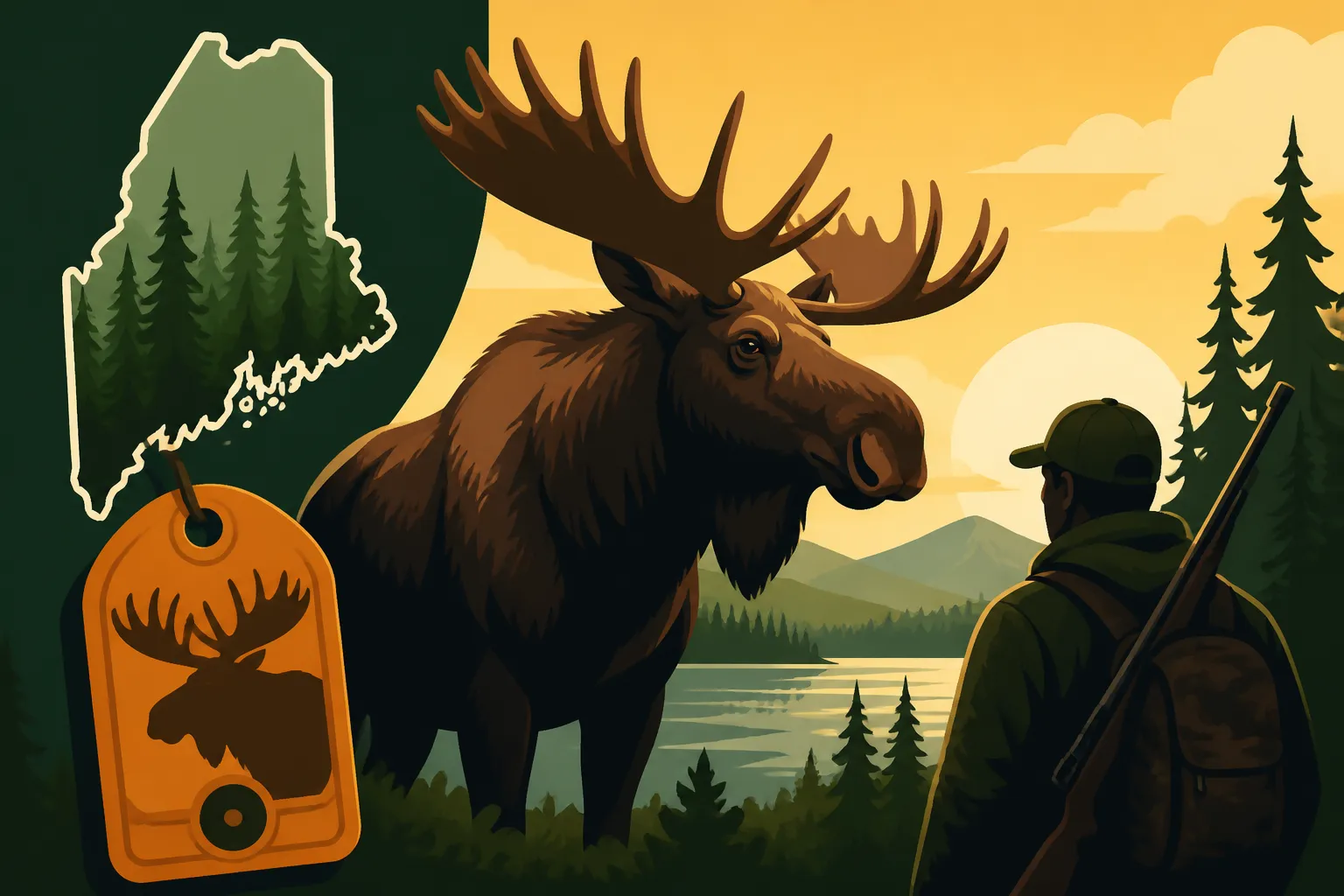
If you're dreaming of a Maine moose hunt, you've likely heard the term "once-in-a-lifetime tag" tossed around, and it can be incredibly confusing. It brings up images of a single, fleeting chance, causing a lot of anxiety for hopeful hunters. This guide is here to untangle the nuances of Maine's moose permit system, explaining exactly what that fabled "once-in-a-lifetime" designation truly means for both residents and non-residents, so you can apply with clarity and confidence.
Understanding Maine's Moose Permit System
The allure of a Maine moose hunt is undeniable. Imagine calling in a massive bull in the vast North Woods, an experience many hunters consider the pinnacle of North American big game hunting. However, the path to obtaining a moose permit here is unique, shrouded in a blend of tradition, conservation, and strict regulations. The "once-in-a-lifetime" phrase adds another layer of complexity, often misunderstood by those new to the system or even seasoned hunters from other states.
The Rarity of a Maine Moose Permit
Let's be real: getting a Maine moose permit through the annual lottery is tough. It's a highly sought-after tag, and for good reason. Maine boasts a robust moose population, especially in its northern and western regions, offering some of the best moose hunting opportunities in the contiguous United States. This popularity, coupled with the state's commitment to sustainable wildlife management, means that only a limited number of permits are issued each year. The Maine Department of Inland Fisheries and Wildlife (MDIFW) carefully manages moose populations by setting quotas for each Wildlife Management District (WMD), balancing hunter opportunity with herd health.
The odds of drawing a permit can feel astronomical, particularly for non-residents. Residents generally have better odds, but even for them, it's far from a guaranteed draw. Many hunters apply for years, even decades, building up bonus points in the lottery system, hoping their number will finally come up. This long-term commitment and the sheer volume of applications contribute to the sense of a "once-in-a-lifetime" opportunity because, for many, it genuinely might be their only chance to hold that coveted piece of paper. The anticipation each June, when the results are announced, is palpable for thousands across the country.
What "Once-in-a-Lifetime" Truly Implies
Here's where we clear up the biggest misconception: "once-in-a-lifetime" doesn't mean you can only apply once, or that if you fail to harvest a moose, you've lost your single chance forever. In Maine, the phrase primarily refers to the privilege of being the actual permit holder through the annual lottery.
Once you draw a regular moose permit through the lottery (not an auction permit, which we'll discuss later), you are subject to a mandatory waiting period. Historically, this meant you could not apply for or hold another moose permit for a set number of years, typically three years following the season you hunted. This rule exists to spread the opportunity among as many hunters as possible, given the limited number of permits available. It prevents the same successful applicants from drawing year after year, effectively giving others a fairer shake. So, while you can apply every year, the system tracks your successful draws, ensuring you sit out for a period after holding a lottery permit. This also means that if you're lucky enough to draw, you'll want to dive deep into What a Drawn Moose Zone Assignment Means to make the most of that precious tag.
It’s crucial to understand that this restriction applies to the permit holder. If you act as a sub-permittee (a companion hunter), you are not subject to the same waiting period. This distinction is vital for families or groups planning a hunt, as it allows someone who has previously drawn a tag to still participate as a companion on another hunter's permit.
Eligibility and Application Process
Navigating the Maine moose lottery system can feel like deciphering a secret code, but it's really quite straightforward once you understand the rules. Both residents and non-residents are eligible to apply, though the odds and specific costs differ significantly.
Resident Versus Non-Resident Implications
Maine understands the value of its wildlife resources to its own citizens, which is why the lottery system favors residents. A certain percentage of the total permits issued each year are specifically allocated to residents, and typically, resident applicants have much better draw odds. For instance, in many zones, a resident might have a 1 in 50 chance, while a non-resident could be looking at 1 in 1000 or more, depending on the WMD and year.
The "once-in-a-lifetime" waiting period applies to both resident and non-resident permit holders. If you're a non-resident who draws a permit, you'll also be subject to that same waiting period before you can apply for or hold another lottery permit. This equal application of the rule ensures fairness and broad distribution of permits, regardless of your home state. It's an important consideration when investing in the application process, knowing that your success will put you out of the running for a few years. If you're looking into costs, you can find details on Maine Moose Permit Cost for Nonresidents to help with your planning.
Navigating the Moose Lottery Application
Applying for the Maine moose lottery is an annual ritual for thousands. The process is entirely online or via mail, with the application period typically running from January through May. Here's a quick rundown:
- Eligibility: You must hold a valid hunting license for the current year to apply. This doesn't mean you need a Maine hunting license at the time of application, but you will need one by the time you hunt if successful.
- Application Fee: There's a non-refundable fee to apply, which is relatively small but adds up if you apply for many years. You can find information on the current Maine Moose Application Fee on the MDIFW website.
- WMD Selection: This is critical. You'll need to choose up to ten preferred Wildlife Management Districts (WMDs), ranked in order of preference. Researching WMDs is paramount. Factors like moose density, accessibility, and past harvest success rates should influence your choices. Some districts are known for higher moose populations, while others might offer a more remote, wilderness experience. For in-depth research, many hunters use analytical tools found on platforms like GoHunt, which aggregates draw odds and historical harvest data, helping applicants make informed decisions on their WMD selections.
- Hunting Period: You'll also select your preferred hunting period, usually split into several weeks from late September through late October/early November. Each period has different opportunities and challenges, from the rut activity in late September to the colder, potentially snowy conditions of November.
- Bonus Points: This is the most crucial part for long-term applicants. For every year you apply and are unsuccessful, you accrue bonus points. These points are squared each year, meaning the longer you apply, the more heavily weighted your application becomes in subsequent draws. For example, if you have 10 points, your application is entered 100 times into the lottery, significantly improving your odds compared to a first-time applicant. These points are a lifeline for many dedicated hunters, offering hope year after year. Understanding how this system works is key to improving your chances over time.
For those planning to participate in the application process, the official MDIFW website is the best resource for up-to-date regulations, dates, and application portals. Many experienced hunters also rely on resources like GoHunt to track their bonus points, compare draw odds, and plan their WMD strategy effectively, especially if they are looking at multi-year application plans.
Beyond the Lottery: Auction and Companion Tags
While the regular lottery permit is the most common path to a moose hunt, Maine offers a couple of other avenues that fall outside the typical "once-in-a-lifetime" restrictions, providing different opportunities for eager hunters.
The Moose Auction Permit Alternative
Maine holds an annual Moose Permit Auction, which is a completely separate process from the regular lottery. This auction allows conservation organizations to bid on a limited number of moose permits, typically around 10. The winning bidders then sell these permits, usually through their own auctions or raffles, to raise funds for conservation efforts.
The key difference here is that if you purchase an auction permit, it does not count against your "once-in-a-lifetime" lottery status. This means you can hold an auction permit and still apply for the regular lottery the same year, or the following year, without triggering the mandatory waiting period. This is an excellent option for those who want to jump the line, so to speak, and are willing to pay a premium for the opportunity. These permits typically sell for thousands of dollars, with the money directly supporting wildlife conservation. You can learn more about Maine Moose Permit Auction Rules if this path sounds like something you might consider. It's a way for passionate hunters to contribute significantly to the resource while securing a coveted tag.
While the price tag is substantial, it offers an immediate chance to hunt without the years of waiting and point accumulation. It's a fantastic option for those who value the experience and supporting conservation, even if they've previously drawn a lottery tag or want to keep building their points for a future draw.
Companion Hunters and the Permit Holder's Rights
When you draw a Maine moose permit, it's not just a solo adventure. Your permit allows for a designated "sub-permittee" or companion hunter to accompany you. This is a critical aspect often overlooked, but it allows for a shared experience and can be a huge asset in the field, especially when it comes to tracking, calling, and field dressing a massive animal.
The rules for companion hunters are important to understand:
- Designation: The permit holder must designate their sub-permittee before the hunt begins. This is usually done during the permit registration process.
- Legal Presence: Both the permit holder and the sub-permittee must hunt together. The sub-permittee cannot hunt alone using the permit.
- No "Once-in-a-Lifetime" Impact: Crucially, being a sub-permittee does not count against your "once-in-a-lifetime" status. This means if you've previously drawn a lottery permit and are currently in your waiting period, you can still go moose hunting as a sub-permittee on someone else's tag. This offers a fantastic way to stay involved, gain experience, and share the excitement of a moose hunt even when you can't hold a permit yourself.
- Assistance: The sub-permittee is legally allowed to carry a firearm and participate fully in the hunt, including shooting the moose. This is particularly helpful for younger or less experienced hunters, or simply to increase the odds of a successful harvest.
This system creates opportunities for mentorship, family traditions, and camaraderie in the woods. Many hunters use this option to introduce new hunters to the unique challenge of a moose hunt, passing on knowledge and fostering a love for the outdoors. It's truly a cooperative venture, and getting a moose out of the North Woods is often a multi-person job.
| Permit Type | Application Method | "Once-in-a-Lifetime" Impact | Typical Cost | Odds of Obtaining |
|---|---|---|---|---|
| Regular Lottery | Online/Mail Lottery | Yes (triggers waiting period) | Low application fee + permit fee if drawn | Very Low (improves with points) |
| Auction Permit | Direct Purchase/Bid | No (does not trigger waiting period) | High (thousands of dollars) | Guaranteed if purchased (limited permits) |
| Companion Hunter | Designated by permit holder | No (no impact on personal status) | None (unless sharing costs with permit holder) | Dependent on permit holder's success |
Making the Most of Your Tag
Drawing a Maine moose permit, whether through the lottery or acquiring an auction permit, is just the beginning. The real work and adventure start when you begin planning for the hunt itself. This isn't your average deer hunt; moose are colossal animals, and hunting them in Maine's rugged terrain requires significant preparation, strategy, and a deep respect for the animal and its environment.
Planning Your Hunt in a Drawn Moose Zone
Once you have that permit in hand and know your assigned WMD and hunting period, it's time to get serious about planning. Maine's moose zones are diverse, ranging from dense, swampy lowlands to sprawling clear-cuts and remote wilderness. Your strategy will depend heavily on your specific WMD.
- Scouting: If at all possible, conduct pre-season scouting. Look for recent logging operations, water sources, and areas with fresh browse. Moose often frequent areas with regenerating timber for food. Utilizing tools like satellite imagery (many hunters use GoHunt's mapping features for this) can reveal prime habitat and access routes long before you even set foot in the woods. Understanding Reading a North Woods Deer Yard might give you some insight into how moose use similar thick cover.
- Access: The North Maine Woods, in particular, often involves private timberland with gate fees and limited access. Be prepared for logging roads that may require a high-clearance vehicle. Some areas might be accessible only by boat or even small plane. Knowing Packing for a North Woods Moose Hunt is essential for these remote expeditions.
- Gear: Moose hunting requires robust gear. This includes durable, waterproof clothing suitable for potentially harsh weather, reliable navigation tools (GPS, compass, maps), powerful optics, and a rifle capable of humanely dispatching such a large animal. Don't forget recovery gear like block and tackle, a good saw, and game bags.
- Strategy: Moose are often found near water or in dense cover. Calling can be incredibly effective, especially during the rut. Learning Calling a Bull Moose in Late September could be the game-changer you need. Still-hunting through prime habitat or setting up blinds near known feeding areas are also viable tactics. Patience is key.
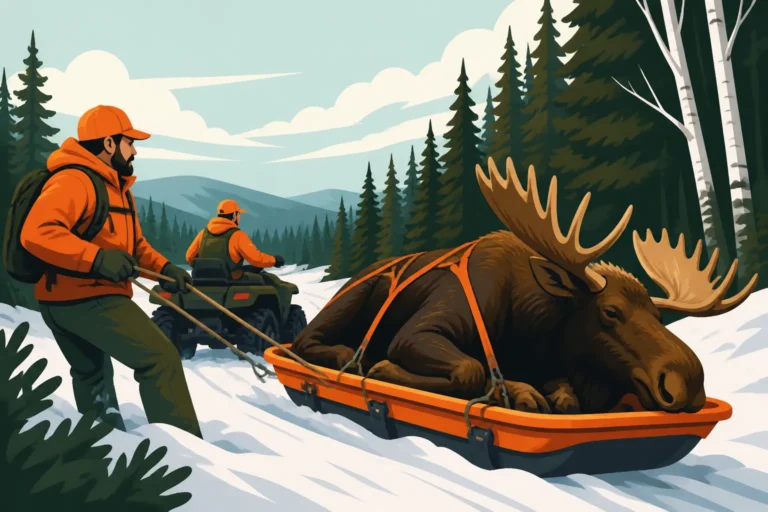
- Physical Conditioning: Don't underestimate the physical demands. Hauling a moose out of the woods is arguably harder than the hunt itself. Be prepared for challenging terrain and long days.
Ethical Considerations and Conservation
Every hunter carries a responsibility to the game they pursue and the land they hunt on. When it comes to a Maine moose, this responsibility feels even heavier due to the rarity of the opportunity and the sheer magnitude of the animal.
- Shot Placement: Due to their size, moose require precise shot placement for a quick, humane kill. Practice with your chosen firearm extensively to ensure you're proficient.
- Tracking and Recovery: Even with a good shot, a moose can travel a surprising distance. Be prepared for extensive tracking, potentially through thick brush or swamps. Have a plan for Blood Trailing After Dark in Maine if necessary. Losing an animal is a terrible outcome for any hunter and a waste of a valuable resource.
- Meat Care: Once harvested, a moose provides a tremendous amount of high-quality meat. Proper field dressing and cooling are critical to prevent spoilage, especially in warmer early season hunts. Understand Field Dressing a Moose in the North Woods thoroughly. You'll need a plan for butchering and transport.
- Respect for Landowners: Much of Maine's hunting occurs on private timberland. Always abide by posted rules, respect private property, and leave no trace. This helps preserve the long-standing tradition of private land access in Maine. For a deeper dive, read about Maine's Private Land Access Tradition.
- Conservation: Your permit fee and any contributions to the auction directly support MDIFW's conservation efforts. By participating responsibly, you're contributing to the continued health of Maine's moose population and the preservation of its wild places for future generations.
This "once-in-a-lifetime" experience isn't just about pulling the trigger; it's about the entire journey, from the years of application to the planning, the respect for the animal, and the deep connection to Maine's wild spirit.
Disclaimer
Please remember that hunting regulations, seasons, and permit requirements can change. Always consult the official Maine Department of Inland Fisheries and Wildlife (MDIFW) website or their most current hunting law book before planning any hunt. This guide is for informational purposes only and should not be considered a substitute for official regulations.