Maine Turkey Tag Transport Rules
There’s nothing quite like the thrill of a Maine turkey hunt, the gobbler sounding off on the roost, the anxious wait, and finally, the successful shot. But once that bird is on the ground, the excitement often gives way to a moment of "Now what?" One of the most common points of confusion and anxiety for hunters, especially those new to the sport or visiting from out of state, revolves around the seemingly simple act of tagging and transporting their hard-earned turkey. Navigating the specific rules can feel like trying to untangle a gobbler's call, but this guide is here to clarify Maine's turkey tag transport rules, ensuring your successful hunt remains legal and stress-free.
The Essential Maine Turkey Tag and Its Purpose
Before you even step foot in the woods, the foundation of legal turkey hunting in Maine rests on your turkey permit. This isn't just a piece of paper; it's your official authorization to pursue and, hopefully, harvest a wild turkey. Understanding its importance and the rules surrounding its use is paramount for any ethical and law-abiding hunter.
Securing Your Legal Turkey Permit
First things first: you need a valid Maine hunting license. On top of that, you'll need a specific turkey permit for either the spring or fall season, depending on when you plan to hunt. For residents, these permits are relatively inexpensive and easily accessible. Nonresidents also have options, but the cost is higher, and you'll need to make sure you've completed all the necessary steps, including any hunter education requirements if you don't have a prior hunting license from another state. The process is straightforward, often available online through the Maine Department of Inland Fisheries and Wildlife (MDIFW) portal, or at various licensing agents across the state.
It's crucial to understand that your turkey permit isn't just a receipt; it includes the physical tag or tags that must be carried with you into the field. This tag is your proof of legal entitlement to harvest a bird. Without it, even if you have your license, any turkey you take is considered illegally harvested. Think of it as the bird's passport – it needs to travel with its documentation. Remember to always double-check you have all your necessary permits before heading out. Information on how to acquire these can be found in resources like Maine Spring Turkey Permit Rules and Maine Fall Turkey Permit Rules, which detail the specific requirements for each season.
Why These Rules Exist
You might wonder why there are so many rules for a bird like the wild turkey. It's not just to make things complicated for hunters; there are very real and important biological and management reasons behind every regulation. The primary purpose of tagging and registration rules is to allow the Maine Department of Inland Fisheries and Wildlife to monitor turkey populations effectively. By tracking harvest numbers, wildlife biologists can assess population health, determine reproductive success, and identify trends that might impact future hunting opportunities.
These regulations also serve to ensure fair chase and prevent overharvesting. Maine's wild turkey population has seen an incredible resurgence over the past few decades, a true conservation success story that we want to maintain. Strict tagging rules help prevent individuals from taking more than their legal bag limit, which is carefully determined by wildlife managers based on scientific data for each Wildlife Management District (WMD). Without these systems in place, it would be much harder to sustain healthy turkey numbers for future generations of hunters. It's all part of the larger effort to manage Wild Turkeys in Maine responsibly and ensure consistent Maine's WMD-Based Turkey Bag Limits.
Understanding the Immediate Tagging Requirement
This is perhaps the most critical step after a successful harvest, and it’s where many hunters, especially those caught up in the excitement, can accidentally make a mistake. Maine's laws are very clear about what needs to happen the moment a turkey is down.
The "Carry and Attach" Mandate
Maine law dictates that immediately upon killing a wild turkey, you must complete and attach your tag to the bird. "Immediately" here means before moving the turkey from the place of kill, except for reasonable efforts to retrieve it. This isn't a suggestion; it's a legal requirement. You need to punch out the date of kill, sign the tag, and then physically attach it to the turkey's leg or wing in a secure manner. I always carry a zip tie or strong string in my turkey vest just for this purpose, along with a waterproof pen, because fumbling with a flimsy piece of string or a smudged tag when you're 2 miles back in the woods is the last thing you want.
Imagine this scenario: you've just called in a beautiful gobbler in a remote patch of mixed hardwoods in Central Maine, perhaps while Setting Up Against a Big White Pine. The shot is clean, and the bird is down. Your heart is pounding. Before you even think about hoisting it over your shoulder, you need to pull out that tag. Take a breath, punch the date, sign it clearly, and secure it to a leg. A small, permanent marker is always a good idea to ensure your signature and the date are legible, even if the tag gets wet or muddy. This simple act confirms your legal possession of that bird right there in the field, making it clear to any game warden that it was taken lawfully. Being prepared with tools and knowing the exact steps will save you a lot of potential headaches.
Field Dressing and Tag Integrity
Many hunters prefer to field dress their turkeys shortly after harvest, especially on warmer spring days, to help cool the meat and reduce the weight for the carry out. This is perfectly fine in Maine, but there’s a crucial detail: the tag must remain attached to the main body of the bird until it is officially registered.
You can remove the entrails, but don't start de-breasting the bird and leaving the rest in the woods. The regulations require that sufficient evidence of the turkey’s species and sex (if sex is a determinant of the bag limit, which it is for spring gobblers) remains attached to the bird until registration. For spring turkey, this typically means the head with the beard (if applicable) and spurs need to be visible or remain with the carcass for identification purposes. The tag, once attached to the leg or wing, should stay with the primary carcass. If you process a bird in the field to the point where the identifying features or the tag location are compromised or separated, you could be in violation. The best practice is to complete your field dressing, but keep the whole bird as intact as possible, with the tag clearly affixed, until you reach a registration station. This ensures compliance and avoids any ambiguity should you encounter a game warden during transport.
Transporting Your Harvested Maine Turkey
Once your turkey is tagged and field-dressed, the next step is getting it from the woods to its final destination. This phase often involves travel on public roads, where visibility to law enforcement increases, making strict adherence to transport rules even more important.
Moving the Whole Bird
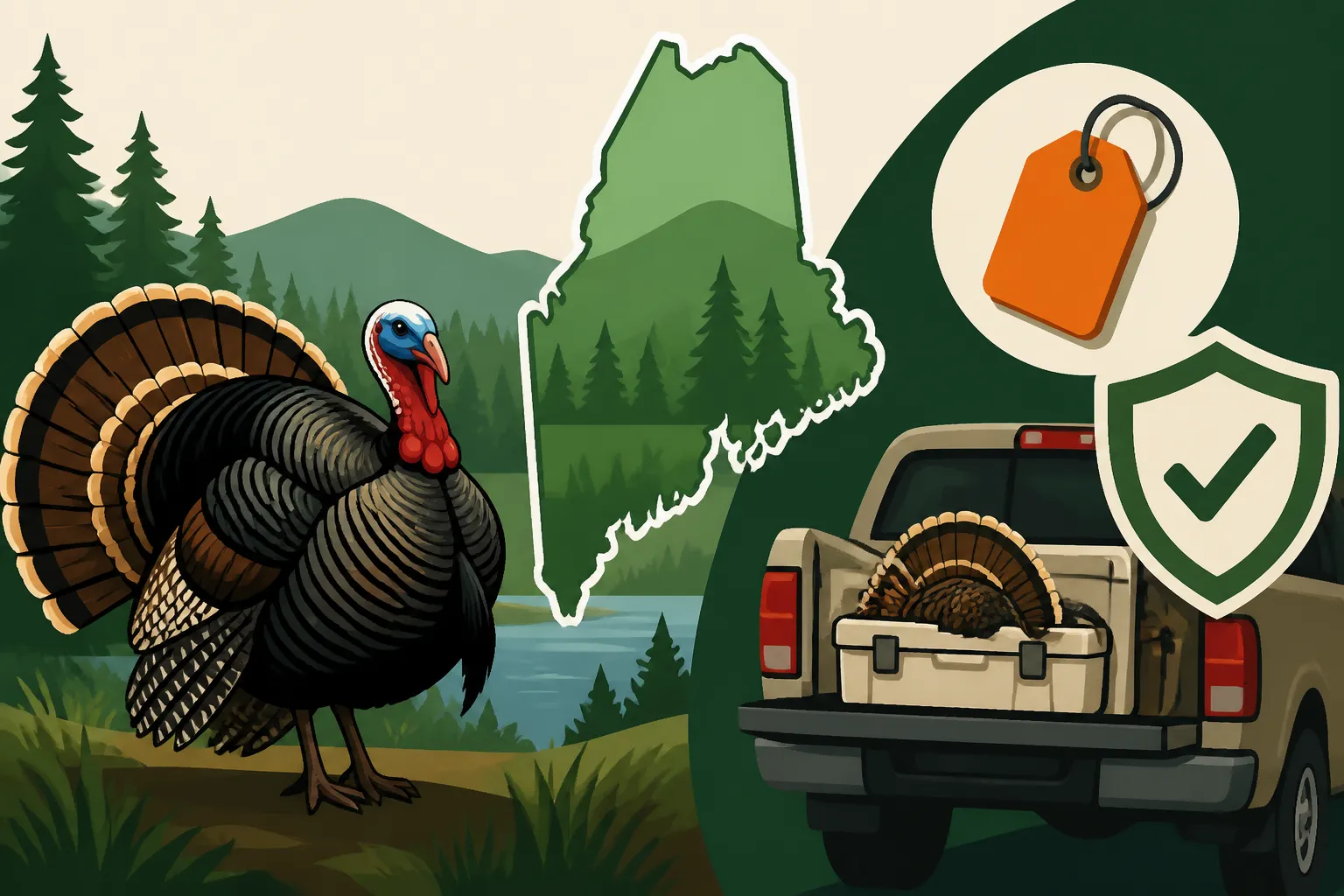
For most hunters, especially those taking a bird relatively close to their vehicle, transporting the whole turkey is the most straightforward option. With the tag securely attached to a leg or wing, you can simply load the bird into your truck bed, SUV, or car trunk. There are no specific requirements for covering the bird during transport, but many hunters opt to place it in a game bag or cooler for cleanliness and to keep the meat cool, especially if the weather is warm. Just ensure the tag remains visible and easily accessible, particularly if you are stopped by a game warden.
The key here is that the entire bird, with its intact tag, is what you’re moving. This avoids any confusion about partial carcasses or missing identifying features. It’s always better to transport the bird in a way that clearly indicates it’s a legally harvested game animal, rather than something that could raise questions. Remember, the game warden is looking for compliance, and a clearly tagged, whole bird makes their job—and your life—much easier.
Transporting Partial Carcasses and Registration
This is where Maine’s turkey transport rules differ significantly from some other states, and it’s a point that often trips up hunters. In Maine, you cannot legally transport a partial turkey carcass, such as just the breast meat, out of the woods without first registering the bird. The harvested turkey must be registered prior to being dismembered beyond field dressing, consumed, or placed into storage at your home. This means you must take the entire, tagged turkey to a registration station (or register it online) before you start breaking it down into individual cuts for the freezer or the dinner table.
So, while it might be tempting to debone your bird in the field to lighten the load for a long hike out, resist the urge. That entire bird, complete with its tag and sufficient evidence of species and sex, needs to make it to a registration point. Only after official registration can you fully process it. This rule helps prevent illegal harvesting of multiple birds or attempts to hide identifying features. Think of it as the bird’s final check-in point, verifying its legality before it becomes table fare. Understanding this distinction is vital, and you can learn more about the entire process in our guide on Maine Turkey Checking Requirements.
Registration Logistics
Gone are the days when you absolutely had to find an open general store acting as a deer and turkey registration station. While those physical stations still exist and are a great way to interact with other hunters and local communities, Maine now offers the convenience of online registration. This is a huge benefit, especially if you harvest a bird late in the day or in a remote area where a physical station might be miles away or already closed. You can access the online registration system through the MDIFW website or by using their official Maine hunting app. This can be especially handy if you use a service like GoHunt to keep track of various state regulations and application deadlines, as they often link directly to state wildlife agencies.
When you register, you’ll need to provide information about your permit, the date of harvest, the WMD where the bird was taken, and potentially some biological data like the length of the beard and spurs, and the weight of the bird. Once successfully registered, you’ll receive a confirmation number. This confirmation number is incredibly important, as it serves as your official proof of registration. You should keep this number, and ideally a copy of the registration confirmation, with the processed meat until it's all consumed. This ensures you can always prove the turkey was legally taken and reported. It’s similar in principle to Registering a Maine Deer Online, providing flexibility and ease for modern hunters.
Here's a quick summary of the key steps for turkey tagging and transport:
| Action | Requirement | Notes |
|---|---|---|
| Before Hunting | Valid Maine hunting license & turkey permit | Must be on your person at all times while hunting and transporting |
| Immediately After Harvest | Complete and attach tag to bird with date & signature | Must be done before moving the turkey from the kill site (except for retrieval) |
| Field Dressing | Tag must remain attached to the main body of the bird | Evidence of species/sex (e.g., head, beard, spurs) required for identification |
| Transport to Registration | Whole bird (or sufficiently intact carcass with tag) | Must be transported before any further processing, consumption, or storage |
| Registration | Register online via MDIFW website/app, or at a station | Required before dismemberment; record confirmation number as proof |
| Post-Registration | Keep registration confirmation/tag until bird consumed | Serves as proof of legal harvest and compliance with regulations |
Avoiding Common Tagging and Transport Pitfalls
Even with the best intentions, it's easy to make a mistake when it comes to tagging and transporting your turkey. A moment of forgetfulness or misunderstanding can lead to serious consequences. Being aware of the most common pitfalls can help you avoid them altogether.
The Peril of Forgetting Your Tag or Pen
This might sound like a rookie mistake, but it happens to seasoned hunters too. You're focused on your calls, your camo, your shotgun, and sometimes, the small but critical items get left behind. Forgetting your physical turkey tag or a pen to fill it out is a big problem. Harvesting a turkey without a tag immediately available to complete and attach makes your harvest illegal, pure and simple. If a game warden encounters you with an untagged bird, it could lead to fines, confiscation of the bird, and even loss of hunting privileges.
The solution is simple: create a pre-hunt checklist. Make "Turkey Permit" and "Waterproof Pen/Zip Tie" non-negotiable items. I keep my turkey tags clipped into my vest long before opening day, so they are always there. It's a small precaution that can save you a lot of grief. Being thorough about your gear, much like when planning for a longer trip, ensures you're ready for every step of the hunt.
Incorrect Tag Placement or Illegible Information
Another common issue arises from improper tag application. A tag that isn't securely attached and falls off during transport, or one where the date and signature are smudged beyond recognition, is essentially useless. The intent of the law is for the tag to be clearly affixed and readable. If a game warden can't identify the kill date or the hunter’s signature, they can't verify the legality of the harvest.
Always use a waterproof pen or a fine-point permanent marker to fill out your tag, ensuring your information won't fade or run if it gets wet. Then, secure it tightly. A zip tie is often better than string as it’s less likely to come undone or break. Make sure it's attached firmly to a leg or wing, not just loosely tucked under a feather. It’s about leaving no room for doubt. Many hunters find using tools like Using the Maine Hunting App helpful for quick reference on specific rules when in the field, which can clarify proper procedures.
Understanding WMD-Specific Rules and Bag Limits
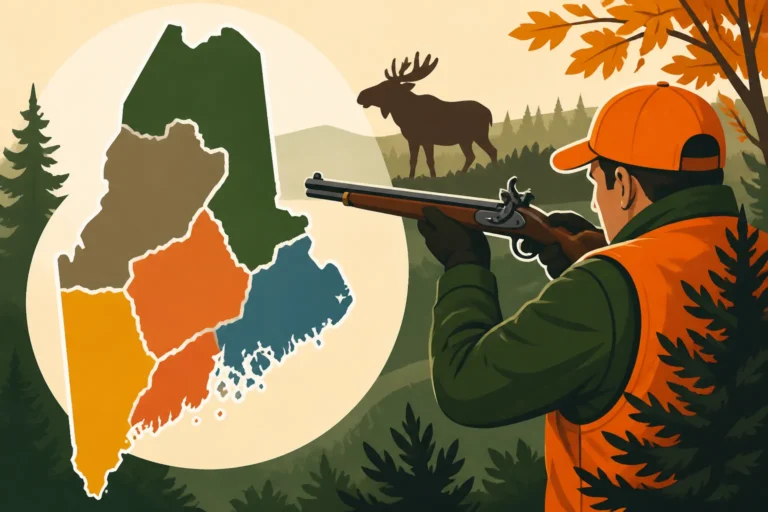
While the general tagging and transport rules apply statewide, remember that specific bag limits and season dates can vary significantly by Wildlife Management District (WMD). For instance, some WMDs in the spring season allow for a two-bird limit, while others restrict hunters to one bird. If you're hunting in a two-bird WMD, you’ll need to ensure you have two separate turkey tags on your permit and use them appropriately for each bird. Going over the bag limit for your specific WMD, even if you have an unused tag for another WMD, is a violation.
Always check the current year’s hunting law book or the MDIFW website for the specific regulations pertaining to the WMD you plan to hunt. Don’t rely on last year’s rules or what you heard from a buddy hunting a different part of the state. Knowing your WMD and its unique rules, including any variations for the Maine Spring Turkey Season Closing Date, is part of being a responsible and informed hunter. Ignoring these nuances can lead to serious Maine Wildlife Violation Penalties, so a little research beforehand goes a long way.
Navigating Maine's turkey tag transport rules doesn't have to be complicated. By understanding the purpose of the tag, adhering to the immediate tagging and registration requirements, and being mindful of common mistakes, you can ensure your successful turkey hunt culminates in a fully legal and enjoyable experience. Happy hunting!
Disclaimer
Please remember that hunting regulations can change. Always refer to the most current Maine Department of Inland Fisheries and Wildlife (MDIFW) hunting law book or their official website for the most up-to-date and complete regulations before heading into the field. This guide is for informational purposes only and should not be considered a substitute for official legal documentation.