Maine Public Dove Field Rules
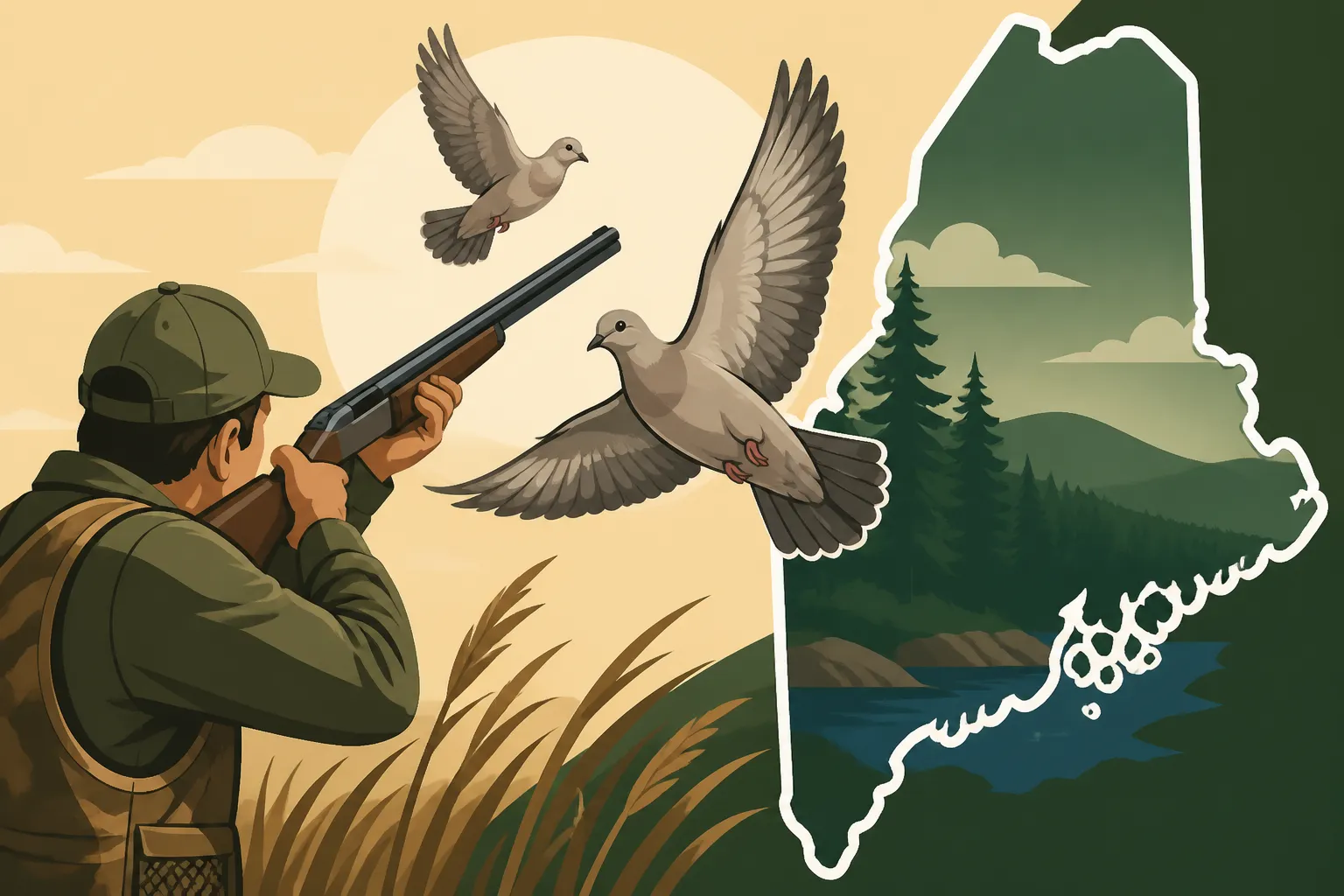
Are you wondering about where to hunt doves in Maine or looking for public dove field rules? It's a common question, and one many hunters hope to find an answer for, but the reality is that Maine currently doesn't have an open season for mourning doves, which means there are no designated public dove fields to speak of. Many hunters are surprised by this, especially if they've hunted doves in other states, but understanding Maine's unique migratory bird regulations is key to knowing what you can pursue. This guide will clarify why dove hunting isn't an option here and introduce you to the fantastic alternatives that Maine's diverse landscapes offer for migratory bird and small game enthusiasts.
The Reality of Dove Hunting in Maine: No Open Season
It can be a real head-scratcher when you're accustomed to robust dove seasons in other parts of the country. You might envision sprawling agricultural fields teeming with birds, imagining fast-paced shooting that hones your skills for the upcoming duck season. The truth is, that picture, while common elsewhere, just doesn't exist for doves here in Maine. The Maine Department of Inland Fisheries and Wildlife (MDIFW) has not established an open season for mourning doves, and consequently, there are no special public fields managed for dove hunting as you might find in states like North Carolina or Missouri.
Why Maine Doesn't Offer a Dove Season
The decision not to open a dove season in Maine isn't a simple one, and it's often rooted in a combination of biological, historical, and public interest factors. Historically, mourning doves weren't considered a traditional game bird in Maine in the same way they were in the South or Midwest. While doves certainly exist in Maine—you can hear their mournful coo in backyards throughout the summer—their population densities haven't typically been managed for a sustained hunting season.
Another major factor is the migratory nature of these birds. Even though mourning doves are common nesters throughout the state, a significant portion of the population begins its southward migration well before typical fall hunting seasons for other species would get into full swing. This means that a season might be incredibly short or offer very limited opportunities, making it less practical to implement and manage compared to other game species. Furthermore, past attempts or discussions about opening a season have sometimes faced public sentiment against it, adding another layer of complexity for wildlife managers balancing various interests. For now, the focus remains on species with established hunting traditions and more robust management frameworks.
Understanding Migratory Bird Management
While Maine makes its own decisions regarding specific game species, the overall framework for migratory bird hunting is a shared responsibility between state agencies like MDIFW and the U.S. Fish and Wildlife Service (USFWS). The USFWS sets broad guidelines, including flyway boundaries, general season lengths, and bag limits, which states then adopt and often restrict further based on local conditions and conservation goals.
For species like ducks, geese, and woodcock, Maine falls within the Atlantic Flyway, and its seasons are carefully coordinated within this larger management structure. This federal oversight ensures sustainable populations across North America. It's why hunters need to complete a Maine Migratory Bird Certification annually, in addition to purchasing a Federal Duck Stamp if they're 16 or older, to pursue these birds. This system is robust and well-established for species that have historically been hunted, unlike mourning doves in Maine, which simply haven't entered into that management paradigm as a game bird.
What Hunters Can Pursue Instead: Other Migratory Birds and Small Game
Even without dove hunting, Maine offers an incredible array of hunting opportunities, especially for those who enjoy the challenge and camaraderie of migratory bird and small game pursuits. If you're looking for fast-flying action, beautiful scenery, or delicious table fare, you won't be disappointed.
Waterfowl Opportunities in Maine
When it comes to migratory bird hunting in Maine, waterfowl often steal the show. Our state is a critical stopover and wintering ground for a diverse array of ducks and geese, offering something for every type of waterfowler. From the coastal marshes to the inland lakes and rivers, the action can be phenomenal.
For puddle duck enthusiasts, inland wetlands, beaver flowages, and river systems provide excellent opportunities for species like mallards, black ducks, and wood ducks. You can find yourself hiding amongst reeds on a quiet backwater, or setting a spread on a beaver pond at first light. Those interested in larger, more challenging birds can focus on Canada geese, which are abundant in agricultural areas and along major river corridors, especially during the fall migration. Hunting a cut cornfield or a strategic water setup can lead to some truly memorable hunts.
But perhaps the most unique waterfowl experience in Maine is Sea Duck Hunting the Maine Coast. Our rugged coastline, with its countless islands, ledges, and tidal rips, is world-renowned for sea ducks. Eiders, scoters, and long-tailed ducks (formerly oldsquaws) provide a thrilling, often challenging hunt from specialized sea duck boats or layout blinds. These are hardy birds that thrive in the cold, rough waters of the Atlantic, and pursuing them requires specialized gear and knowledge, often best experienced with a seasoned guide. The Maine Sea Duck Season and Zones are specifically designed to manage these unique populations, offering extended opportunities for those willing to brave the coastal conditions. For all waterfowl, understanding the Maine Duck and Goose Bag Limits is crucial to ensure a legal and ethical hunt.
Upland Bird and Small Game Alternatives
If your passion lies away from the water, Maine's forests and fields offer fantastic upland bird and small game hunting. Many of these species provide the same exciting flushes and fast shooting that draw hunters to doves in other states.
Ruffed Grouse are arguably Maine's most popular upland bird. Known as "partridge" by many locals, these explosive fliers inhabit young forest cover, alder runs, and dense thickets across the state. Walking old logging roads, hiking trails, or clear-cut edges with a good bird dog or simply a keen eye can lead to exhilarating flushes. The season is long, running from late September well into December, offering plenty of time to enjoy the vibrant fall foliage and quiet winter woods. You can learn more about general strategies in our guide on Upland Bird and Small Game Hunting in Maine.
American Woodcock are another migratory gem that draws a dedicated following. These unique birds, often called "timberdoodles," migrate through Maine in large numbers, particularly in October. They favor moist, young alder thickets, willow bottoms, and dense cover near water sources. Hunting woodcock is often a close-quarters affair, with sudden flushes and twisting flight paths through the timber. They are prime targets for hunters with pointing dogs, but walking prime cover can also yield excellent results.
For small game, Snowshoe Hare provides an active hunt, especially in snowy conditions. These large hares inhabit dense spruce and fir thickets, often found in regenerating clear-cuts or cedar swamps. Hunting them with beagles is a time-honored tradition in Maine, where the dogs' baying as they pursue a hare provides an exciting soundtrack to a crisp winter day. The season for hare also extends deep into winter, making it a perfect pursuit after the deer seasons have closed.
Finding Public Access for Migratory Birds and Small Game
One of Maine's greatest assets for hunters is the vast amount of accessible land, both public and private. While there are no specific "public dove fields," the opportunities to pursue other game on public lands are abundant.
Navigating Maine's Public Lands and Waters
Maine boasts a remarkable amount of public access, thanks to its extensive network of Maine Wildlife Management Areas (WMAs), Public Reserved Lands, and an ingrained tradition of implied permission on much of its private timberland. WMAs are specifically managed by MDIFW for wildlife habitat and public recreation, including hunting. These areas often feature a mix of forest types, wetlands, and open areas, making them ideal for a variety of game. Some WMAs, particularly those with extensive marsh and river systems, are excellent for waterfowl. Others, with their diverse forest succession, hold strong populations of grouse and woodcock.
Beyond WMAs, Maine's Public Reserved Lands offer vast tracts of undeveloped forestland, managed by the Bureau of Parks and Lands. These areas are generally open to hunting and provide expansive, often remote, opportunities for upland birds, small game, and even deer. For waterfowl, many rivers, lakes, and coastal areas offer public access points, boat launches, and shorelines that can be legally hunted. Understanding the rules for Maine's State and Federal Public Land is essential for a safe and successful hunt.
Utilizing Mapping Tools and Resources
Finding these diverse hunting grounds can feel daunting, especially if you're new to an area. Thankfully, modern technology makes it much easier to pinpoint public access and identify promising habitat. Mapping applications like GoHunt, along with others such as onX Hunt or Gaia GPS, are invaluable tools for Maine hunters. These apps provide detailed topographical maps, satellite imagery, and crucial land ownership layers that clearly delineate public lands, WMAs, and private parcels. You can overlay layers that show timber cuts, wetlands, and even historic aerial imagery to scout potential hunting spots from your couch.
For example, when looking for woodcock, you'd want to focus on areas with dense, young alders near water. A good mapping app can highlight these features. For grouse, look for complex forest edges, old logging roads, and mixed growth. By using the app's features, you can identify legal access points, plan your routes, and avoid trespassing on posted private land. Even for coastal waterfowl, these apps can show you public boat launches and indicate tidal flats or ledges that might be productive. Learning how to use these tools effectively is a game-changer for accessing Maine's hunting opportunities. Consider using a tool like onX Layers for Maine Land Status to truly understand the boundaries and features of the land you're looking to hunt.
Essential Gear and Practices for Maine Migratory Bird Hunting
While Maine doesn't have dove fields, the principles of hunting other migratory birds and small game are similar in many respects. Having the right gear and understanding the regulations are paramount for a safe, ethical, and successful hunt.
Licensing, Stamps, and Hunter Education
Before you even think about stepping into the field, you need to make sure your paperwork is in order. For any hunting in Maine, you'll need a valid Maine Resident License Options or Maine Nonresident License Options. If you're hunting migratory birds like ducks, geese, woodcock, or snipe, you'll also need to complete your annual Maine Migratory Bird Certification (HIP permit). This federal requirement helps track hunter participation in migratory bird hunting. Additionally, if you're 16 years or older and plan to hunt waterfowl, you'll need to purchase a federal Migratory Bird Hunting and Conservation Stamp, commonly known as the Maine Federal Duck Stamp Requirement. This stamp is a critical piece of conservation funding, with 98% of its revenue going to acquire and protect wetland habitats.
Don't forget about hunter education. If you're a first-time hunter, or if you haven't held a hunting license in previous years, you'll likely need to complete a hunter education course. Maine has specific Maine Hunter Education Requirements that ensure new hunters understand safety, ethics, and regulations. It’s a worthwhile investment, not just for compliance but for building a strong foundation in responsible hunting. Always carry proof of your licenses and stamps with you in the field—digital versions on your phone through the Maine Hunting App are usually accepted.
Responsible Hunting and Conservation
Beyond the legal requirements, responsible hunting is about ethics, safety, and a commitment to conservation. Always prioritize safety: know your target and what's beyond it, keep your muzzle pointed in a safe direction, and wear proper blaze orange when required, especially during the deer firearms season if you're hunting other species concurrently. While there are no specific blaze orange rules for waterfowl in boats, it's wise to wear it walking to and from blinds, and it's absolutely mandatory for upland hunting during certain seasons. For instance, if you're Grouse Hunting Maine Alder Runs during the November firearms season, blaze orange is a must.
Conservation extends beyond purchasing stamps and licenses. It includes respecting private land, even if it's open for public use by tradition. Always ask permission if land is posted or you're unsure. Pack out everything you pack in, and leave no trace. Be mindful of your impact on wildlife populations by adhering strictly to bag limits and identifying your target species correctly. Participating in surveys, reporting banded birds, and supporting conservation organizations are all ways to contribute to the health of Maine's wildlife for future generations. For a deep dive into ethics, consider reading up on Maine Hunter Education Requirements, which covers many of these vital topics.
Comparison of Maine's Legal Migratory Game Birds
Since mourning doves aren't on the menu in Maine, here's a look at some of the migratory game birds you can hunt, along with general season and bag limit information. Always check the current year's MDIFW Hunting and Trapping Laws booklet for precise dates and regulations.
| Species | Primary Habitat | General Season Window | Typical Daily Bag Limit |
|---|---|---|---|
| Ducks (Puddle/Diving) | Inland wetlands, rivers, lakes, coastal bays | Late Sept – Early Jan | Varies by species (e.g., 6 total) |
| Canada Geese | Agricultural fields, major waterways | Early Sept – Early Feb | Varies by zone (e.g., 5-8) |
| Sea Ducks | Coastal waters, ledges, open ocean | Early Oct – Mid-Jan | Varies by species (e.g., 5 total, no more than 3 of any species) |
| American Woodcock | Moist alder thickets, young forest | Late Sept – Mid Nov | 3 |
| Common Snipe | Wet meadows, bogs, marsh edges | Late Sept – Mid Nov | 8 |
| Rails (Sora/Virginia) | Freshwater marshes, dense wetlands | Sept – Early Nov | Varies (e.g., 25 Sora, 15 Virginia) |
Disclaimer
The information provided in this guide is for general informational purposes only and is subject to change. Hunting regulations, season dates, and bag limits are set annually by the Maine Department of Inland Fisheries and Wildlife (MDIFW) and the U.S. Fish and Wildlife Service. It is the responsibility of every hunter to consult the official, current Maine Hunting and Trapping Laws summary booklet and any emergency rule changes before heading afield. Always verify specific regulations with MDIFW to ensure compliance.