Standard Tip for a Bear Guide
You've just wrapped up an incredible experience, perhaps sitting in a blind over a well-maintained bait site or tracking an October bear with skilled houndsmen, and now you're wondering, "What's the right way to thank my guide?" Tipping your Registered Maine Guide after a successful (or even an unsuccessful but thoroughly enjoyable) bear hunt can feel like a gray area, leaving many hunters scratching their heads about the appropriate amount and timing. This guide is here to shed some light on the unspoken etiquette of tipping your bear guide in Maine, ensuring you show your appreciation respectfully and appropriately.
Understanding the "Why" Behind Tipping Your Maine Bear Guide
It's natural to think that since you've paid for a guided hunt, that should cover everything. And while the upfront cost does cover the guide's professional services, equipment, and often lodging and meals, tipping is a deeply ingrained tradition in the outdoor guiding world, much like in the restaurant or hospitality industry. It's a direct way to acknowledge the individual effort, skill, and dedication of the person who worked tirelessly to make your hunt possible and memorable.
It's More Than Just a Handshake: Acknowledging Hard Work
Think about the sheer amount of preparation that goes into a guided bear hunt in Maine. Your guide isn't just showing up on opening morning. For months, they've been scouting, setting up and maintaining bait sites (if you're on a bait hunt), checking trail cameras, monitoring game activity, and meticulously preparing their gear. If it's a hound hunt, they're constantly working their dogs, keeping them fit and sharp. They're handling all the logistics, from ensuring you have the right licenses to knowing the local terrain like the back of their hand. They're up before you, often in the woods long after you've headed back to camp, skinning, quartering, and preparing your harvest, or just setting up for the next day.
This isn't a 9-to-5 job; it's a passion and a lifestyle that demands immense physical and mental effort, often under challenging weather conditions. A tip goes beyond the contractual agreement; it’s a personal thank you for that extraordinary dedication. It signals that you recognize their commitment and appreciate the value they added to your entire experience, not just the moment of the shot.
The Unseen Labor: What Goes Into a Guided Bear Hunt
Many of the crucial efforts a guide makes are completely invisible to the hunter. For instance, when you book a bear bait hunt, your guide might have started preparing those sites weeks or even months before the season even opened. They haul hundreds of pounds of bait, often through thick woods, ensuring fresh attractants are consistently available. They check wind direction, scout for fresh bear sign, and position blinds for optimal shot angles and concealment. This relentless, often solitary work is foundational to your success, yet it's all done before you even arrive in Maine.
Similarly, for a hound hunt, the guide's investment in their dogs is immense. Training, feeding, veterinary care, and year-round conditioning are expensive and time-consuming. The ability of a well-trained pack to track and tree a bear is a direct result of that continuous dedication. When you consider the deep knowledge of bear behavior, the understanding of the vast Maine woods, and the countless hours spent ensuring safety and logistics, the "unseen labor" truly comes into focus. This is why when you're considering What a Guided Bear Hunt Costs, the guide's fee covers a lot, but a tip acknowledges these hidden efforts.
Factors That Influence Your Maine Bear Guide's Tip
There's no hard and fast rule set in stone when it comes to tipping, but several factors should play into your decision. It's not always just about whether you harvested a bear, though that certainly adds to the celebration.
The Guide's Effort and Professionalism
First and foremost, consider the guide's personal effort and professionalism throughout your trip. Did they communicate clearly before and during the hunt? Were they punctual and prepared each day? Did they go out of their way to make you comfortable, safe, and happy? Perhaps they drove extra miles to check a new area, stayed late to help you process your game, or patiently answered all your questions, even the silly ones. A guide who genuinely invests in your experience, showing enthusiasm and dedication, deserves recognition.
Their knowledge of Maine's Three-Method Bear Season and local conditions is also a huge factor. A truly professional guide provides valuable insights into bear behavior, local regulations, and hunting strategies, enriching your understanding of the hunt and the ecosystem. Did they offer educational tidbits or share stories that made the long waits in the blind more enjoyable? These small gestures add up to a significant impact on your overall experience.
The Quality of the Overall Experience, Not Just the Harvest
It's a common misconception that a tip is solely dependent on harvesting an animal. While success is certainly a goal, it's not the only measure of a great guide or a great hunt. Weather, animal behavior, and sheer luck all play a role in whether you fill your tag. A fantastic guide can't control these elements, but they can control the quality of the experience they provide.
Think about:
- Effort regardless of outcome: Did the guide put you in the best possible position for success every single day? Did they adapt to changing conditions and exhaust every reasonable option?
- Safety and comfort: Did they prioritize your safety at all times? Were the accommodations comfortable, if included?
- Camaraderie and hospitality: Did they make you feel welcome and part of the team? Did you enjoy their company and learn something new?
- Post-hunt care: Were they helpful with game recovery, field dressing, and transport of your bear? Did they assist with registration or provide advice on meat processing?
A truly memorable hunt is often about the adventure, the companionship, and the opportunity to be immersed in the Maine wilderness, regardless of whether a bear comes into range. For instance, if you're on a multi-day trip, even if you don't tag out, a guide who made every day an adventure, shared knowledge about the local wildlife, and provided excellent camp hospitality is worth a generous tip. When Booking a Guided Maine Bear Hunt, you're investing in an experience, and the guide's role in shaping that experience is paramount.
Duration and Complexity of the Hunt
The length and intensity of your hunt can also influence your tipping amount. A single-day bear hunt might warrant a different tipping structure than a five or six-day hunt that includes lodging and meals. Longer hunts generally involve more planning, more sustained effort from the guide, and deeper immersion in the experience, warranting a larger overall tip.
Consider also the complexity. Was it a relatively straightforward bait hunt from a comfortable blind, or a more physically demanding hound hunt that involved extensive tracking through difficult terrain? The more physically demanding or logistically complex the hunt for the guide, the more their expertise and stamina become vital, and that's worth recognizing.
Here’s a general guideline for tipping percentages, which many hunters find helpful:
| Service Level / Outcome | Recommended Tipping Percentage (of hunt cost) | Considerations |
|---|---|---|
| Exceptional Service & Harvest | 15-20% or more | Guide went above and beyond, excellent communication, successful hunt, memorable experience. |
| Excellent Service, No Harvest | 10-15% | Guide put in maximum effort, great experience despite not tagging out, safe, knowledgeable. |
| Good Service, Harvest | 10-15% | Competent guide, successful hunt, met expectations. |
| Good Service, No Harvest | 5-10% | Guide was professional and tried hard, but conditions were tough, or luck wasn't on your side. |
| Poor Service | 0-5% (or none) | Rare, but if the guide was unprofessional, unsafe, or clearly unprepared, a minimal or no tip is warranted. |
Remember, these are guidelines. Your personal assessment of the experience is what truly matters.
Calculating and Presenting Your Bear Guide's Tip
Once you've considered all the factors, it's time to decide on the actual amount and how to deliver it.
The Percentage-Based Approach for Guided Hunts
The most common approach to tipping a guide is a percentage of the total hunt cost. For a bear hunt in Maine, a good starting point is usually 10-15% of the hunt's base price. If your guide truly exceeded expectations, and you had an outstanding experience and perhaps harvested a nice bear, a tip closer to 18-20% is certainly well-deserved and highly appreciated.
For example, if your guided bear hunt package costs a certain amount (you'd need to check current pricing with outfitters, as these figures fluctuate), and you felt your guide was exceptional, you'd calculate 15-20% of that total. This percentage usually applies to the guide's portion of the service, not necessarily add-ons like extra lodging nights or additional non-hunting activities, unless your guide was directly involved in facilitating those. When you're looking at various outfitters on platforms like BookYourHunt or GoHunt, keep in mind that the listed price usually doesn't include the tip.
Let's say your package included What's Included in a Bear Bait Package or What's Included in a Bear Hound Package, encompassing the guide's services, bait setup, perhaps lodging, and meals. The percentage would typically be based on the overall package price before any additional personal expenses.
When and How to Deliver the Tip
Timing is also important. The best time to present your tip is typically at the end of the hunt, just before you depart or during a final farewell. This allows you to reflect on the entire experience. It's usually given directly to the guide you spent the most time with. If there were multiple guides assisting (e.g., a lead guide and a spotter/assistant), you can either give the full amount to the lead guide with instructions to share, or provide separate tips if you had direct, significant interaction with each. Usually, giving it to the lead guide who oversees the entire operation is preferred, as they often have a system for sharing.
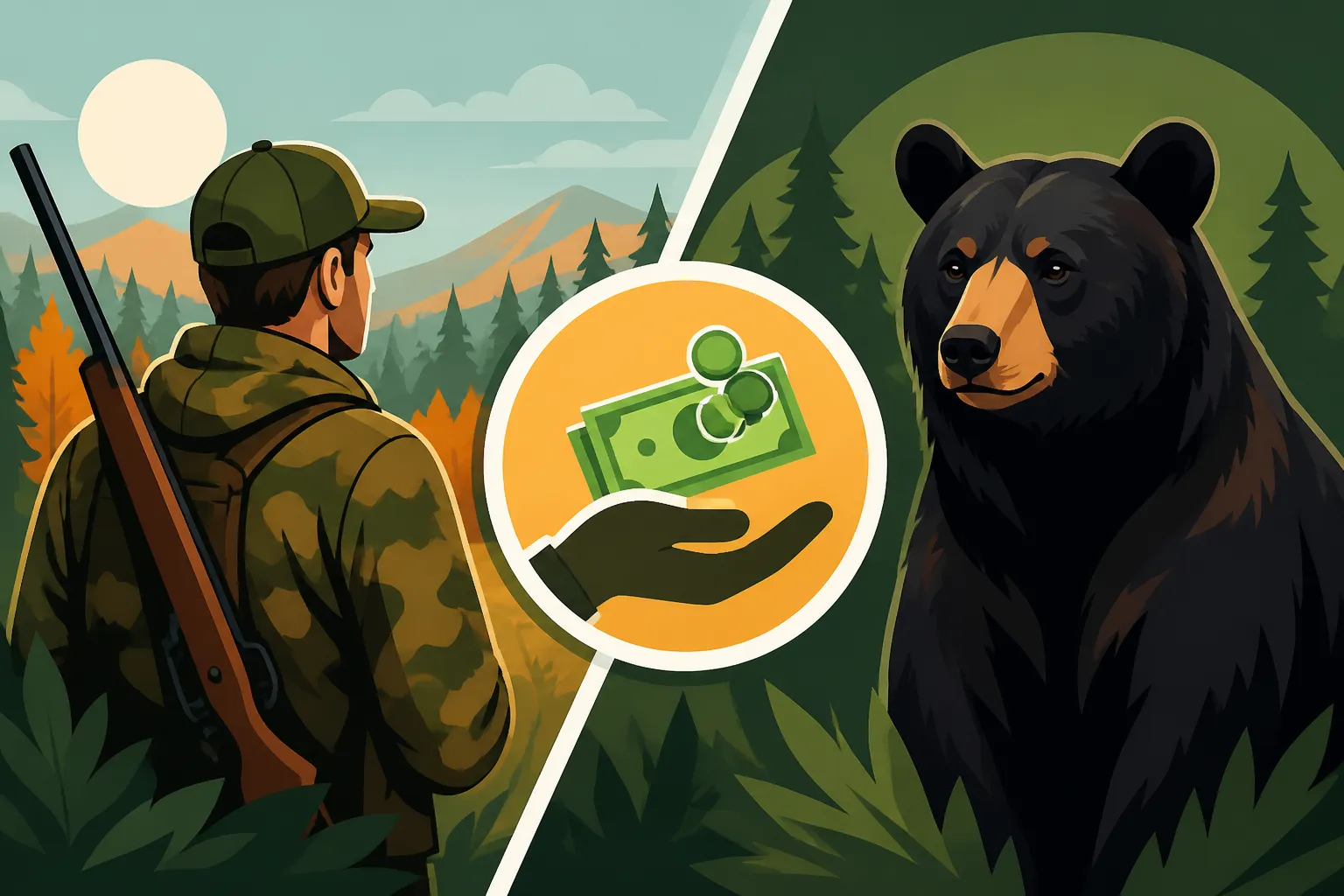
Cash is almost always preferred. It's direct, immediately accessible to the guide, and avoids any potential processing fees or delays associated with credit card transactions through an outfitter. If you're on a multi-day hunt, plan ahead to have enough cash on hand. You can sometimes discuss this with the outfitter when you're sorting out Bear Hunt Deposit and Cancellation Policies or other payment details, but generally, guides appreciate cash in hand. If a cash tip isn't feasible, check with the outfitter if they have a preferred method for adding a gratuity to your final payment. However, always aim for cash if possible, keeping in mind the guidance from Tipping in Cash Versus Ahead of Time.
Navigating Tricky Tipping Scenarios
Sometimes, things don't go exactly as planned, or they go even better. Knowing how to handle these situations can ensure you always show proper appreciation.
When the Hunt Doesn't End in a Harvest
This is perhaps the trickiest scenario for many hunters. You spent money, time, and effort, and you didn't tag a bear. Does the guide still deserve a tip? Absolutely! As discussed, the tip is for the effort, service, and experience, not solely the harvest.
If your guide worked incredibly hard, maintained a positive attitude, put you in prime locations, ensured your safety, and was a pleasure to hunt with, they still deserve a tip. A slightly lower percentage might be acceptable in this situation (e.g., 5-10% instead of 15-20%), but some tip is customary. Remember that even the best guides can't control wild animals. They can control their own performance. Acknowledging their effort when luck wasn't on your side speaks volumes about your understanding and sportsmanship. It’s also a way to encourage them, should you ever consider rebooking for another attempt. Consider how they approached Booking a Bear Hunt Before the September Close and the effort involved in setting up those sites.
Exceptional Service Beyond Expectations
On the flip side, what if your guide truly blew you away? They found a giant bear you never thought you'd see, flawlessly executed a complex recovery, or perhaps went above and beyond by helping you with an unexpected vehicle issue after the hunt. In these instances, don't hesitate to exceed the standard tipping percentage. A 20% or even higher tip, perhaps with a heartfelt thank-you card or a positive online review, can be incredibly meaningful.
Consider leaving a glowing review on platforms like BookYourHunt or GoHunt, or directly on the outfitter's website. Word-of-mouth and positive testimonials are invaluable to guides and outfitters. Sharing your exceptional experience can help other hunters find a great guide and further acknowledge the guide's hard work. It's these extra touches that truly elevate a hunting trip into a once-in-a-lifetime memory.
Ultimately, your tip is a personal expression of gratitude. By considering the guide's effort, professionalism, and the overall quality of your Maine hunting experience, you can confidently decide on an amount that reflects your appreciation for their hard work and dedication.
Disclaimer
This article is for general informational purposes only and does not constitute professional advice. Laws, prices and regulations vary by location and change over time. Consult a qualified professional for guidance on your specific situation.