Tipping in Cash Versus Ahead of Time
It’s a situation many of us have faced after an incredible hunt, especially here in Maine: that moment when the incredible experience winds down, and you know it's time to thank your guide. But then the question hits: how do you thank them? Specifically, when it comes to the tip, do you hand over a stack of bills or is it better to arrange it beforehand? This can be a real head-scratcher, creating awkwardness where there should only be gratitude. This guide aims to clear up the confusion, weighing the pros and cons of tipping in cash versus arranging it ahead of time when you're hunting with a Maine guide.
Why Tipping Your Maine Guide Is More Than Just a Nice Gesture
Let's be honest, hunting trips aren't cheap, and neither is the effort your guide puts in. Tipping isn't just a bonus or an afterthought in the guiding world; it's often an integral part of a guide's income. Many Registered Maine Guides, whether they're calling a spring gobbler, tracking a big buck through fresh snow, or setting up decoys for sea ducks along the coast, work incredibly long hours. Their days often start long before dawn and end well after dark, not just during the hunt itself, but with all the prep work, scouting, gear maintenance, and client communication that goes into it.
Think about the sheer dedication involved. A guide might spend weeks scouting for a prime Where Maine Bucks Bed in Big Timber, setting up stands, or studying Scrape Lines Along a Logging Road long before you even arrive. They're making sure your Maine Hunting Licenses and What They Cost are in order, navigating remote logging roads, field dressing your harvest, and sharing their deep knowledge of Maine's wildlife and terrain. For many, the base fee for a trip covers their operational costs and a modest wage, with the tip serving as a direct reflection of your satisfaction and appreciation for their hard work and expertise. It acknowledges the physical exertion, the mental fortitude, and the years of experience they bring to make your hunt successful and memorable.
This is especially true for those intense, multi-day excursions deep into the North Woods, like Booking a Guided Maine Moose Hunt or Booking a Guided Maine Bear Hunt. These aren't just a few hours in the woods; they're immersive experiences that demand constant attention from your guide. Understanding that your tip contributes significantly to their livelihood can help frame the decision-making process. It moves beyond a simple financial transaction to a recognition of their professional dedication and passion for the outdoors.
The Traditional Approach: Tipping in Cold, Hard Cash
For many, especially in the hunting community, tipping in cash is the tried-and-true method. There’s a certain tradition to it, a directness that feels right when you're wrapping up a successful trip out in the Maine wilderness.
Immediacy and Direct Appreciation
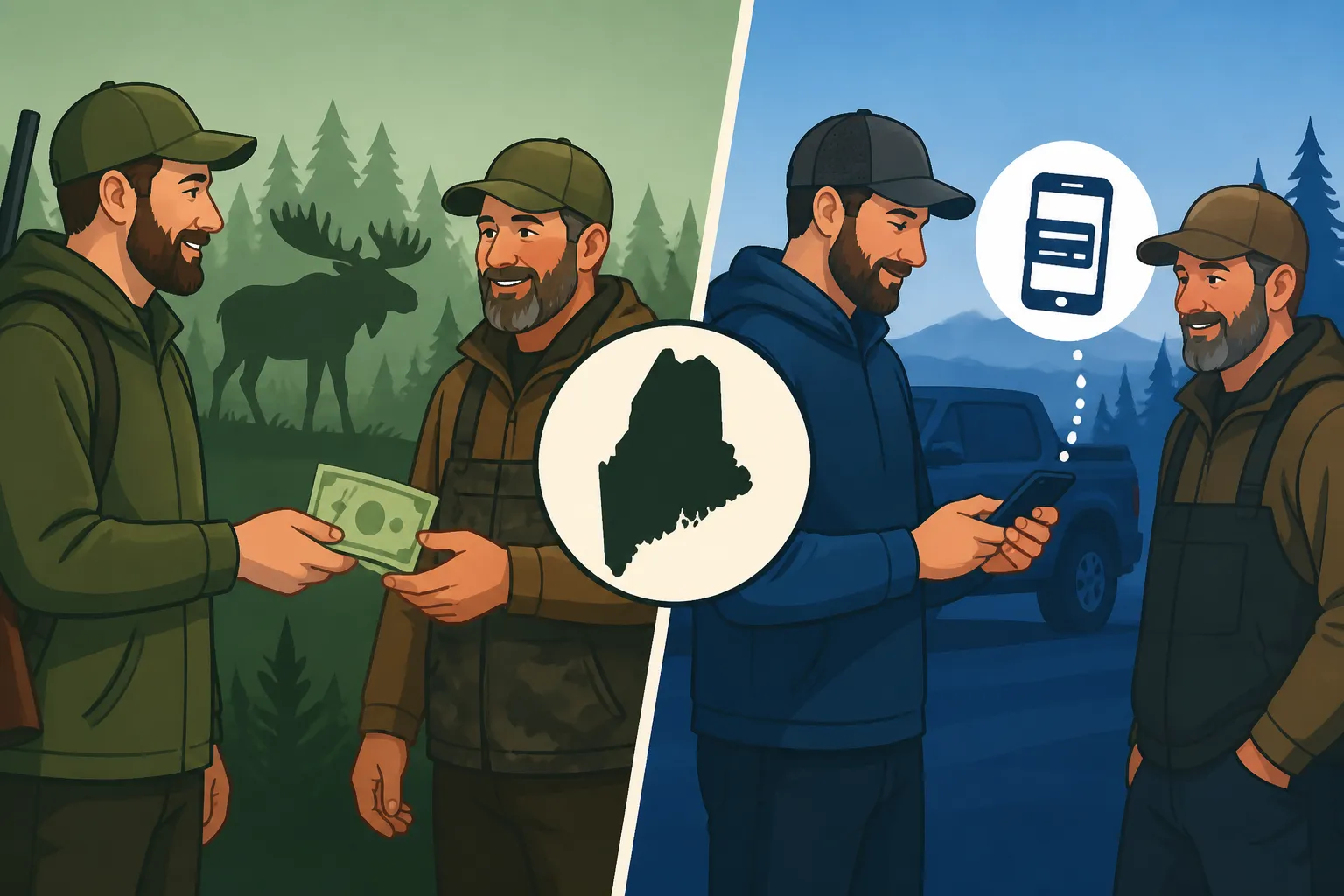
When you hand your guide cash at the end of a trip, it offers an immediate and tangible expression of gratitude. There’s no waiting period for processing, no third-party platforms to go through. It’s a direct exchange, a handshake, and a heartfelt thank you that feels genuine and personal. This can be especially meaningful after an intense hunt, perhaps when your guide has gone above and beyond to help you recover a deer Tracking a Deer in Fresh Maine Snow in challenging conditions, or stayed out late to ensure you had every opportunity. This directness can foster a stronger connection and a sense of immediate appreciation.
Moreover, cash tips are incredibly flexible. If your guide truly knocked it out of the park and exceeded all expectations, you can easily adjust the amount upwards on the spot. Conversely, if something unexpected happened or you felt the service wasn't quite what you hoped for, you have the flexibility to adjust the tip accordingly without any bureaucratic hurdles. It puts the power of discretion directly into your hands at the moment of truth.
Avoiding Fees and Ensuring the Full Amount
One significant advantage of cash for the guide is that it's immune to transaction fees. When tips are processed through credit cards or online payment platforms, a percentage of that money often gets deducted by the payment processor. This means the guide doesn't receive the full amount you intended to give them. With cash, every dollar you hand over goes directly into their pocket, ensuring they get every cent of your appreciation.
For guides, especially those who run small, independent operations or work primarily in remote areas, avoiding these fees can make a real difference to their take-home pay. It’s a simple, straightforward way to ensure your generosity isn't eroded by administrative costs. This is particularly relevant in places like the North Maine Woods, where internet access can be spotty, and cash might simply be the most practical form of payment for everyone involved. Think about a guide running a remote Historic North Woods Sporting Camps — handling cash is often just part of their daily routine.
Privacy and Discretion
Cash tipping also offers a level of privacy and discretion that some hunters and guides appreciate. The transaction is between you and your guide, without a digital footprint. For guides who may prefer to manage their finances offline, or for hunters who simply prefer a more private exchange, cash is the ideal choice. It's a personal gesture that remains personal.
However, remember to plan ahead if you intend to tip in cash. This means visiting an ATM or your bank before you head out to camp, especially if you’re venturing deep into an area where banking services are sparse. You don't want to be caught empty-handed after a fantastic Moose Hunting Maine's North Woods trip because the nearest ATM is a two-hour drive away.
The Modern Convenience: Tipping Ahead of Time
In an increasingly digital world, the idea of handling everything electronically, including tips, is becoming more common. Many hunting outfitters and booking platforms now offer options to include gratuity as part of the total payment or to pre-arrange it.
Budgeting and Convenience for the Hunter
One of the biggest benefits of tipping ahead of time is the sheer convenience it offers the hunter. It allows you to factor the gratuity into your overall trip budget from the very beginning, avoiding any last-minute financial surprises or the scramble to find an ATM. For non-residents traveling to Maine, especially for a major trip like Maine's Once-in-a-Lifetime Moose Lottery, pre-arranging the tip can streamline the financial aspect of the journey, making the entire experience feel more organized.
Platforms like BookYourHunt or GoHunt, for instance, sometimes integrate tipping options into their booking systems. This means you can often add a recommended gratuity percentage when you're making your initial deposit or final payment for a Nonresident Package Deals Bundling License and Guide. This way, when the hunt concludes, the financial transaction is already complete, allowing you to focus purely on the handshake and the thank you. It's a great option for those who prefer to have all their ducks in a row well before they even step foot in the woods.
Streamlining for Outfitters and Guides
For outfitters and guides, having tips pre-arranged can also offer some operational advantages. It provides them with a clearer picture of their total income for a trip, which can be helpful for budgeting, especially if they have overhead costs to cover or staff to pay. It removes the uncertainty of waiting for a tip at the end of a potentially long and tiring week.
Some outfitters might even prefer this method, especially if they operate with a booking agent or through a larger organization. They might have systems in place to distribute tips to various staff members, such as a cook at a What a Sporting Camp Week Actually Costs or a camp assistant. When booking your trip, it's always a good idea to clarify the outfitter's preferred method for gratuity or if there's a specific tipping policy in place. This upfront communication can save everyone a lot of guesswork later on.
Potential Drawbacks and Considerations
While convenient, pre-arranged tips do have some potential downsides. As mentioned, payment processing fees can eat into the total amount the guide receives. Additionally, the pre-arranged tip loses some of the flexibility that cash offers. If your guide performs exceptionally well or, conversely, falls short of expectations, it's harder to adjust the amount on the fly. You've already committed to a sum.
Furthermore, some hunters feel that a pre-paid tip diminishes the personal touch of the gesture. It can feel less like a direct expression of gratitude and more like an automated payment. It's a trade-off between convenience and the traditional, personal acknowledgment of a job well done.
Making Your Tipping Decision: What to Consider
Ultimately, the choice between tipping in cash or ahead of time comes down to personal preference, the specific circumstances of your hunt, and the policies of your guide or outfitter. Here's a table to help you weigh the options:
| Feature | Tipping in Cash | Tipping Ahead of Time |
|---|---|---|
| Convenience | Requires pre-planning (ATM visit) | Seamless, integrated into booking |
| Flexibility | Easily adjustable based on performance | Fixed amount, harder to adjust |
| Directness | Immediate, personal, direct exchange | Through a platform, less personal |
| Fees | No transaction fees for the guide | May incur processing fees, reducing guide's take |
| Privacy | Private transaction | Digital record, less private |
| Guide's Preference | Often appreciated, common in remote areas | May be preferred by outfitters for budgeting |
| Typical Use Case | Smaller, independent guides; remote hunts | Larger outfitters, booking platforms; non-residents |
When you're deciding, consider a few key things:
- The Outfitter's Policy: Always check with your outfitter or guide when Booking a Guided Maine Deer Hunt or any other trip. Some may have a stated preference or an established system. Don't be afraid to ask, "What is your typical tipping procedure?" or "Do most clients tip in cash, or can it be added to the final payment?" They are used to these questions.
- Your Personal Budgeting Style: If you like to have all your expenses neatly tied up before you leave home, an ahead-of-time tip might be less stressful. If you prefer to reserve judgment and reward performance after the fact, cash is your best bet.
- The Nature of the Trip: For a quick Calling an Early May Gobbler Off the Roost day hunt, cash is usually simplest. For a multi-day, fully catered What a Six-Day Moose Package Includes at a sporting camp with various staff, pre-arranging might be easier for all parties.
- Access to Cash: If you're heading deep into areas with no banks or ATMs, like much of the North Maine Woods beyond the checkpoints, cash needs to be secured beforehand. Using an App for North Maine Woods Land Status might help with navigation, but it won't magically produce cash.
Ultimately, the most important thing is that you do tip your guide, and that you do so thoughtfully. Whether it's a crisp stack of bills handed over with a sincere thank you, or a pre-arranged gratuity included in your final payment, the gesture shows respect for their profession and gratitude for their efforts in providing you with an unforgettable Maine hunting adventure. Just make sure that however you choose to tip, it aligns with your comfort level and allows the guide to receive your appreciation.
Disclaimer
This article is for general informational purposes only and does not constitute professional advice. Laws, prices and regulations vary by location and change over time. Consult a qualified professional for guidance on your specific situation.