Paying a Maine Outfitter by Deposit and Balance
Navigating the world of booking a guided hunt in Maine can sometimes feel like you're trying to track a mature buck through thick cedar swamps in a blizzard – a lot of unknowns and potential for getting turned around. One of the most common points of confusion, and frankly, a source of anxiety for many hunters, revolves around how outfitters handle payments. This guide will walk you through the standard deposit and balance system used by most Maine outfitters, shedding light on why it's structured this way, what to expect, and how to protect your hard-earned money and your dream hunt.
The Foundation: Why Outfitters Use Deposits and Balances
It’s easy to look at a significant upfront deposit and feel a pang of concern. You're committing a good chunk of change before you've even packed your bags, let alone stepped foot in the North Woods. But from an outfitter’s perspective, this payment structure is the bedrock of their business. It allows them to operate efficiently, plan meticulously, and ensure they can deliver the quality experience you're paying for. Think of it as a mutual agreement: you commit to the hunt, and they commit to making it happen.
Securing Your Dates and the Outfitter's Commitment
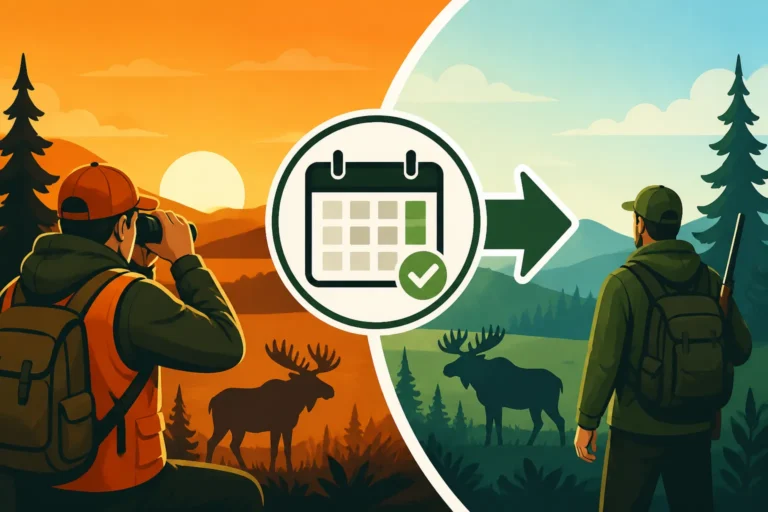
Imagine an outfitter trying to manage a full season of hunts without any financial commitment from their clients. It would be chaos! Deposits are primarily about securing your specific dates on their calendar. Maine's hunting seasons, particularly for popular species like moose and bear, are finite and highly sought after. Outfitters have a limited number of slots they can offer. Once you put down a deposit, those days are reserved for you, and the outfitter turns away other potential clients for that period. This commitment works both ways: your deposit signifies you’re serious, and in turn, the outfitter is then financially committed to providing you with the services on those dates. It's not just about their peace of mind; it's about guaranteeing your spot.
For instance, if you're looking to book a Moose Hunting Maine's North Woods experience, those specific weeks in September or October are precious. An outfitter can't afford to hold those prime spots on a handshake agreement. Your deposit confirms your intent, allowing them to confidently schedule guides, prep equipment, and make logistical arrangements without fear of a last-minute cancellation leaving them in the lurch with empty dates they could have filled.
Covering Upfront Costs and Operational Planning
Running a guided hunt, especially in a remote area of Maine, involves substantial upfront costs long before the first hunter arrives. Your deposit helps the outfitter cover these essential expenditures. This could include purchasing bait for Baiting Black Bears Legally in Maine, paying for necessary permits and licenses for their operation, maintaining vehicles, boats, and equipment, or even securing access to private timber company lands. It might also go towards early-season scouting efforts, fuel, food, and communication equipment.
Consider a Booking a Guided Maine Bear Hunt where the outfitter needs to establish bait sites weeks, sometimes months, in advance. That requires regular trips into the woods, buying feed, setting up barrels, and monitoring activity – all before a single hunter has even arrived at camp. Your deposit contributes to these immediate, non-recoverable costs. It's the working capital that keeps the wheels turning, ensuring that when your hunt finally arrives, everything is in place for a successful and enjoyable trip. Without this upfront capital, many outfitters simply couldn't afford to run their operations at the standard hunters expect.
Navigating the Deposit: What to Expect Upfront
Once you've chosen an outfitter, the deposit is usually the first financial step you'll take. Understanding the typical percentages, payment timelines, and what exactly your deposit covers is crucial to setting proper expectations and avoiding any unwelcome surprises down the road.
Typical Deposit Percentages and Payment Timelines
There's no single, universally mandated deposit percentage, but most Maine outfitters operate within a relatively consistent range. You'll typically see deposits ranging from 25% to 50% of the total hunt cost. Some specialized, high-demand hunts, like a Booking a Guided Maine Moose Hunt with an allocated tag, might require a higher percentage, or even full payment, particularly if the booking is made close to the season start.
The timing of the deposit is also important. Often, it's due at the time of booking, especially if you're booking far in advance (which is common for popular hunts, sometimes a year or more out). If you're booking through a platform like BookYourHunt, their system will typically make this clear during the reservation process, streamlining the initial payment. It’s always best to get a clear understanding of the exact percentage and due date directly from the outfitter, in writing if possible, before you commit. A verbal agreement is fine, but written confirmation eliminates any ambiguity.
This upfront payment secures your spot and allows the outfitter to plan. If you're looking to book a hunt for the following year, don't be surprised if the deposit is due immediately to lock in those dates.
What Your Deposit Really Covers
It’s easy to think of a deposit as just money held until you show up, but it's more than that. Your deposit serves as a non-refundable retainer for the outfitter's services and the reservation of your hunt dates. It covers the initial investment the outfitter makes in preparing for your trip. This could include:
- Administrative costs: Time spent communicating, scheduling, and processing paperwork.
- Early season scouting: Fuel, vehicle wear, and time spent locating game or preparing stands.
- Permit fees: Any specific permits the outfitter needs to secure for their operations on certain lands.
- Booking platform fees: If the outfitter uses a service like BookYourHunt, a portion of your deposit might cover their listing or booking fees.
- Opportunity cost: The revenue lost by turning away other hunters for your reserved dates.
It’s important to understand that if you cancel, your deposit is very likely non-refundable. This isn't usually meant to be punitive, but rather to compensate the outfitter for the lost revenue and resources already expended or committed. Always clarify the outfitter's cancellation policy before you pay your deposit. This is a critical point to address when asking Questions to Ask a Maine Outfitter.
The Final Step: Understanding Your Balance Payment
After the initial deposit, the anticipation builds. You're dreaming of crisp Maine mornings and trophy opportunities. The balance payment is the final piece of the financial puzzle, usually due closer to your hunt date. This payment covers the remainder of the agreed-upon services and ensures everything is settled before you even arrive at camp.
When and How the Final Balance is Due
The most common practice for the final balance is for it to be due 30, 60, or sometimes 90 days prior to your hunt date. This gives the outfitter time to process the payment and confirm your booking without the stress of chasing down funds at the last minute. It also ensures that all financial arrangements are settled before you arrive, allowing you and your guide to focus purely on the hunt.
Payment methods for the balance can vary. Many outfitters prefer checks (personal or cashier's), money orders, or bank transfers. Some, especially those listed on platforms like BookYourHunt, might accept credit card payments, though sometimes with an added processing fee. It’s less common for large balance payments to be accepted in cash upon arrival, simply for security and record-keeping purposes, but always ask. Never assume you can pay the balance in cash unless it's been explicitly discussed and agreed upon. This is a crucial detail to nail down when you're going through your checklist for Vetting a Maine Hunting Outfitter.
Table: Typical Maine Outfitter Payment Timelines and Methods
| Item | Typical Percentage/Timing | Common Payment Methods | Notes |
|---|---|---|---|
| Deposit | 25-50% of total | Check, Money Order, Bank Transfer, Credit Card (online) | Due at booking to secure dates. Often non-refundable. |
| Balance | Remaining 50-75% | Check, Money Order, Bank Transfer, Credit Card | Due 30-90 days prior to hunt. Less common to pay cash upon arrival. |
| Gratuity/Tip | 15-20% of hunt cost | Cash preferred | Given directly to guide(s) at end of hunt. Not usually part of package. |
| Licenses/Permits | Variable | Online (Maine IFW), Credit Card, Cash | Purchased separately by hunter, typically before or upon arrival. |
| Taxidermy/Processing | Variable | Credit Card, Cash | Paid directly to service provider if used. |
Accounting for Hidden Costs and Incidentals
While a good outfitter will be transparent about their pricing, it’s vital to understand what your package does and doesn't include. The balance payment covers the core hunt package, but there can be additional costs you need to budget for. These aren't "hidden" if they're clearly communicated, but they are "additional."
Common incidentals that are not usually part of the package price, and thus not covered by your deposit or balance payment, include:
- Hunting licenses and permits: You are almost always responsible for purchasing your own Maine Hunting Licenses and What They Cost, including any specific permits like those for Maine's Antlerless Permit System or a Maine Bear Hunting Permit Requirements. These are typically purchased directly from the Maine Department of Inland Fisheries and Wildlife (MDIFW) online or at a local agent.
- Gratuities for guides: Tipping your guide is customary and expected. This is a separate cash payment you make directly to your guide at the end of a successful (or even an unsuccessful but well-guided) hunt. Plan for 15-20% of your hunt's total cost. Read more about Standard Tip for a Moose Guide.
- Meat processing and taxidermy: If you harvest an animal, the cost of butchering, wrapping, and freezing your meat, or having a trophy mounted, is usually extra.
- Travel to and from camp: Airfare, gas, and any overnight stays before or after the hunt are your responsibility.
- Personal gear: Ammunition, specific clothing, or any personal items not explicitly provided by the outfitter.
- Alcoholic beverages: Many camps provide non-alcoholic drinks, but if you want adult beverages, you'll need to bring your own.
- Unexpected expenses: Satellite phone usage for personal calls, emergency medical services, etc.
Always get a detailed list of what is included in your hunt package and what isn't. This prevents sticker shock and allows you to budget accurately.
Protecting Your Investment: Key Questions and Best Practices
Booking a guided hunt is an investment in an experience, and you want to ensure that investment is protected. By asking the right questions and being aware of potential pitfalls, you can ensure a smooth payment process and a worry-free adventure.
Essential Questions to Ask About Payment Policies
Before you send any money, have a frank conversation with the outfitter about their payment policies. Don't be shy; reputable outfitters expect these questions and will be happy to provide clear answers.
Here's a checklist of questions to consider:
- What is the exact deposit amount and when is it due? Get the figure and the date.
- What is the refund policy for the deposit? Under what circumstances (if any) is it refundable?
- When is the final balance due? Again, specific date.
- What forms of payment do you accept for the deposit and balance? Clarify if credit cards are accepted, and if there are any processing fees.
- What happens if I need to cancel my hunt? Understand their Maine Outfitter Cancellation and Weather Policies thoroughly. Is there an option to reschedule or transfer the deposit?
- What happens if you (the outfitter) need to cancel the hunt? This is less common but important. What is their responsibility to you in that scenario?
- Is trip insurance recommended or required? Especially for a significant investment like a Booking a Guided Maine Deer Hunt or Booking a Guided Maine Moose Hunt, trip insurance can protect your financial outlay in case of unforeseen personal emergencies, travel delays, or even severe weather.
- Are there any additional fees not included in the stated package price? This is where those incidentals come in. Be specific: "Does this include the cost of a hunting license? Is tipping included or expected? What about meat processing?"
Getting these answers in writing, whether through an email confirmation or a signed contract, is always a good practice. Platforms like GoHunt might offer resources or forums where you can find general guidance on what to expect, but always confirm directly with your chosen outfitter.
Red Flags and How to Avoid Payment Pitfalls
While most Maine outfitters are honest, hardworking professionals, it's wise to be vigilant. Knowing what to look for can save you from potential headaches or even scams.
Here are some red flags to watch out for:
- Demanding cash-only payments for large sums: While some small operations might prefer cash for minor expenses, a reputable outfitter will typically have mechanisms for accepting checks, bank transfers, or credit cards for deposits and balances. Being pressured for large cash payments, especially without a clear receipt or contract, is a warning sign.
- Lack of a clear contract or written policy: A professional outfitter will provide a detailed booking agreement or contract outlining dates, services, costs, and cancellation policies. If they seem unwilling or unable to provide this, proceed with caution.
- Unrealistic success rates or guarantees: No hunt is a guarantee. If an outfitter promises 100% success or guarantees a trophy animal, they might be overpromising to get your money. A realistic outfitter will discuss average success rates and factors that influence them.
- Unwillingness to answer payment questions: If an outfitter is evasive or annoyed when you ask about deposits, refunds, or payment schedules, that's a major red flag. They should be transparent.
- Unusual payment methods: Be wary if they ask for payment through obscure apps, gift cards, or to an individual's personal account rather than a business account.
To avoid these pitfalls, always do your homework. Check references, read online reviews, and ensure the outfitter is a Hiring a Registered Maine Guide with current licensing. Look for their presence on reputable booking sites or forums where hunters share experiences. A little due diligence upfront can save you a lot of grief and ensure your Maine hunting adventure is memorable for all the right reasons.
Disclaimer
This article is for general informational purposes only and does not constitute professional advice. Laws, prices and regulations vary by location and change over time. Consult a qualified professional for guidance on your specific situation.