When Maine’s Bear Hound Season Closes
That feeling of the crisp autumn air, the leaves crunching underfoot, and the anticipation of your hounds hitting a fresh track—it’s pure magic for a Maine bear hunter. But all good things, including the thrilling pursuit of black bears with a skilled pack of dogs, eventually come to an end. It can be a real letdown when you're geared up for more, only to realize the calendar has flipped past the legal closing date. This guide is here to cut through any confusion, detailing exactly when Maine's bear hound season closes and what that means for you, ensuring you're always hunting within the regulations and planning your next adventure effectively.
The Hard Stop: When Maine's Bear Hound Season Officially Closes
For those of us who love the chase that hound hunting provides, marking your calendar with the precise closing date is absolutely critical. In Maine, the bear hunting season utilizing dogs has a distinct end point, and it’s one that every hunter needs to be acutely aware of. Unlike some other big game seasons that might have variable closing dates depending on the Wildlife Management District (WMD) or specific tag types, Maine's bear hound season has a statewide closing date that generally remains consistent year after year.
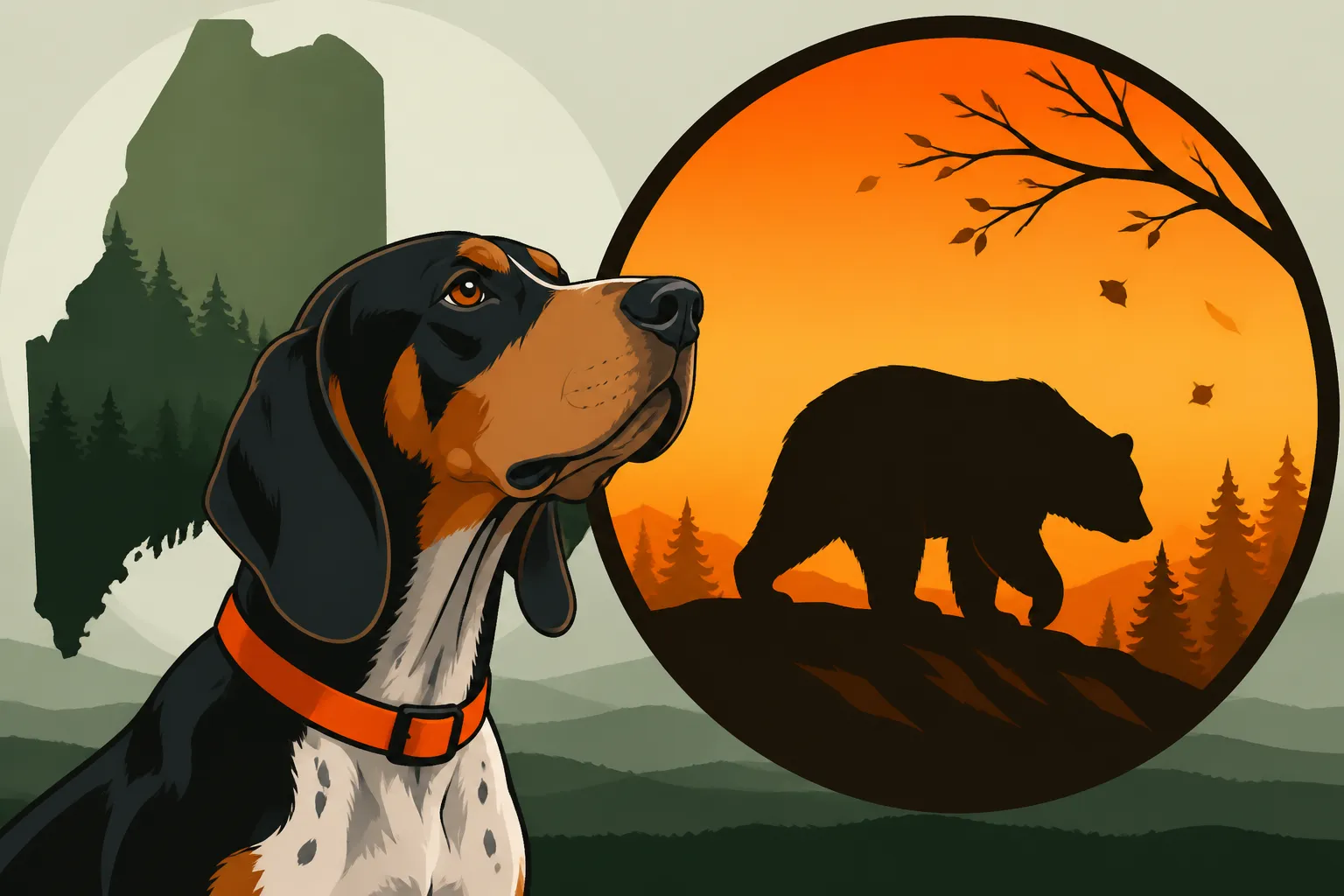
Currently, the season for hunting black bears with the aid of dogs in Maine typically concludes on the last Saturday of October. This means that if you're out there with your pack, enjoying the peak of fall foliage and hoping to locate a mature boar, you have until sundown on that specific Saturday to legally pursue and harvest a bear. After that, the season for hound hunting is officially closed, and any further pursuit with dogs would be a violation of state law. It's not uncommon for new hunters, or even seasoned folks who only get out a few times a year, to get these dates mixed up with other seasons, so always double-check the current year's Maine hunting regulations from the Department of Inland Fisheries & Wildlife (MDIFW) to confirm. It’s better to be safe than sorry and ensure your passion aligns with the law.
Why This Specific Closing Date Matters for Hunters
The closing date isn't just an arbitrary point on the calendar; it has real implications for how you plan your hunt and what kind of success you might expect. As the season progresses through October, the bears are in a critical feeding phase, often called hyperphagia, where they're trying to pack on as many calories as possible before denning up for winter. This can make them more predictable in terms of their feeding patterns, but also more sensitive to pressure.
When the hound season closes, it often coincides with other shifts in bear behavior. Bears, especially in northern and western Maine, are starting to think seriously about winter. While some might still be actively foraging, many are beginning to move less frequently and are more focused on finding a secure den site. For hound hunters, this means that the opportunities for finding fresh tracks and extended chases naturally diminish as the month wears on. The last week of the season can be a mad dash for some, hoping to capitalize on those final active days. Having a clear understanding of the closing date allows you to front-load your hunting efforts if possible, or strategically plan your final trips to maximize your chances during the prime late-October window. Many hunters use tools like GoHunt to track season dates, analyze weather patterns, and even mark potential bear travel corridors on digital maps to make the most of those crucial weeks.
Distinguishing Hound Season From Other Bear Methods
It's important to remember that the closing of the hound season doesn't mean the end of all bear hunting in Maine. Maine offers a diverse "three-method" bear season, allowing hunters to pursue bears using bait, hounds, or by still-hunting/trapping. Each method has its own distinct season dates, which are carefully managed by the MDIFW to spread out hunting pressure and ensure a sustainable harvest.
For instance, the baiting season for black bears in Maine typically closes earlier, often in late September. This staggered approach helps manage bear populations and allows different hunting styles to thrive without undue competition or overharvest in any one period. After the hound season closes, a significant portion of the bear harvest typically shifts to still-hunting or stalking opportunities, especially during the deer firearms season in November. There's also a trapping season for bears that extends even later into the fall. So, while your hounds might be retired for the year, other opportunities to pursue a Maine black bear may still exist. Always check the official regulations for the specific closing dates for all methods if you're considering transitioning your efforts after the hound season ends.
Understanding the Logic Behind the Season Dates for Hound Hunters
Maine's wildlife management is a complex dance between science, tradition, and the needs of both the animals and the hunting community. The specific dates for the bear hound season, including its closing, are not pulled from a hat. They are the result of careful consideration by the MDIFW, informed by biological data, population dynamics, hunter access, and a deep understanding of bear behavior. It's a system designed to ensure the health of Maine's robust black bear population while providing ample opportunity for ethical harvest.
Bear Biology and Denning Behavior
One of the primary drivers behind the late October closing date for hound hunting is the natural behavior of black bears themselves. As fall progresses, bears enter a phase known as hyperphagia, where they are intensely focused on consuming vast amounts of food to build up fat reserves for hibernation. This feeding frenzy usually peaks in late September and October. During this time, bears are generally more active and predictable in their movements, making them more susceptible to being located by hounds.
However, as temperatures drop and food sources diminish, bears begin to seek out denning sites. While there isn't a single "denning day" for all bears across the state, most will have entered their winter dens by late November or early December. Closing the hound season in late October helps to reduce disturbance to bears that are entering this critical denning phase. It prevents hounds from chasing bears that are already preparing for hibernation, which could expend vital fat reserves or even disrupt their denning process. This management strategy helps ensure that bears are well-rested and healthy when they emerge in the spring, contributing to the overall stability and growth of the "Black Bears in Maine" population.
Managing Hunting Pressure and Hunter Experience
Staggering the bear hunting seasons by method also serves to distribute hunting pressure throughout the fall. Imagine if all three methods—bait, hounds, and trapping/still-hunting—were open at the exact same time for the entire fall. The woods would be incredibly crowded, and bears would face immense, concentrated pressure, potentially leading to increased stress on the population and a less enjoyable experience for hunters.
By closing the bait season first, then the hound season, and finally the trapping/still-hunting seasons, MDIFW creates distinct periods where different groups of hunters can pursue bears with their preferred method. The hound season, with its unique challenges and rewards, benefits from having its own dedicated window when bears are still quite active but the initial rush of the bait season has subsided. This careful phasing allows hound hunters to enjoy their pursuit, focusing on tracking and dog work, without excessive competition from other methods. It's a balanced approach that supports diverse hunting traditions while upholding responsible wildlife stewardship.
| Bear Hunting Method | Typical Opening Date | Typical Closing Date | Key Characteristics |
|---|---|---|---|
| Baiting | Late August | Late September | Requires pre-baiting; fixed stands. |
| Hounds | Early September | Last Saturday of Oct | Active pursuit with dogs; high mobility. |
| Trapping | Early September | Early November | Set and monitor traps; requires specific license. |
| Still Hunting | Early September | Early November | Stalking/ambush; often overlaps deer season. |
Note: Always consult the current year's Maine Department of Inland Fisheries & Wildlife regulations for exact and up-to-date season dates.
What to Do When the Hound Season Ends: Preparing for Next Year and Other Options
When that last Saturday in October rolls around and you've hung up the dog boxes for another year, it's natural to feel a bit of a void. But the end of one season is truly the beginning of preparations for the next. Smart hunters know that the work doesn't stop just because the pursuit with hounds does. There are plenty of ways to stay engaged, refine your skills, and ensure you're even more successful when "When Maine's Bear Hound Season Opens" again next fall.
Reviewing Your Season and Learning for the Future
Take some time to debrief your season. What worked well? Where did you encounter challenges? Did your hounds perform as expected, or do they need more training? Reviewing your notes, GPS tracks, and even photos or videos from your hunts can provide invaluable insights. Perhaps you noticed certain areas held more active bears, or specific weather conditions yielded better tracking. This reflection is crucial for improving your game next year.
Consider aspects like dog fitness and training regimens. Did your dogs have the endurance for long chases? Were they responding reliably to commands? The off-season is the perfect time to address any training gaps and keep your hounds in peak physical condition. Think about the equipment you used too. Did your GPS collars hold up? Was your tracking gear reliable? Now's the time to identify upgrades or repairs needed before next September. Many serious hound hunters spend the entire year conditioning their dogs and scouting new areas, leveraging tools like GoHunt's satellite imagery and land ownership maps to identify promising new territories or overlooked pockets of bear habitat.
Non-Hunting Activities to Stay Engaged
Just because you can't hunt bears with hounds doesn't mean you can't be in the woods. Late fall and winter offer excellent opportunities for scouting. With leaves off the trees, you can often see terrain features and old sign more clearly. Look for old bear rubs, well-worn game trails, potential denning sites, and food sources that were active earlier in the fall. Understanding "Maine Bear Habitat in the North Woods" is key, and the non-hunting season is perfect for exploring.
You can also use this time to ensure all your licensing and certifications are in order for the following year. Double-check your "Maine Hunter Education Requirements" or consider taking a refresher course. If you plan to expand your hunting repertoire, you might look into obtaining a "Maine Trapping License Requirements" or familiarizing yourself with other game seasons. Staying connected with other hunters, attending local sportsmen's club meetings, or even participating in conservation efforts can keep your passion alive and build your network within the Maine hunting community.
Exploring Other Bear Hunting Avenues After Hounds Close
As mentioned earlier, the close of the hound season opens the door wider for other bear hunting methods in Maine. If you still have a bear tag and the drive to fill it, consider transitioning to still-hunting or trapping. The Maine firearms deer season, which runs for four weeks in November, offers excellent opportunities for still-hunting bears, especially in areas where they might still be active and focused on late-season food sources like acorns or beech nuts. Bears harvested during the firearms season are typically incidental to deer hunting, but it's a completely legal and often successful way to fill your tag.
For those interested in a different kind of challenge, the bear trapping season extends even further into the fall. This requires a separate license and a different skill set, but it's a highly effective management tool and can be a rewarding pursuit. Researching "Maine Bear Trapping Season Dates" and learning the regulations now can set you up for success in the future. Remember, responsible bear management is a year-round commitment, and staying informed about all methods contributes to the overall health of Maine's black bear population and the longevity of our hunting traditions.
Disclaimer
All information provided in this guide is for informational purposes only. Hunting regulations in Maine can change, and it is the hunter's responsibility to consult the current year's official Maine Department of Inland Fisheries & Wildlife (MDIFW) hunting law book and licensing requirements before engaging in any hunting activities. Always prioritize safety, ethical hunting practices, and compliance with all local, state, and federal laws.