Maine Bear Trapping Season Dates
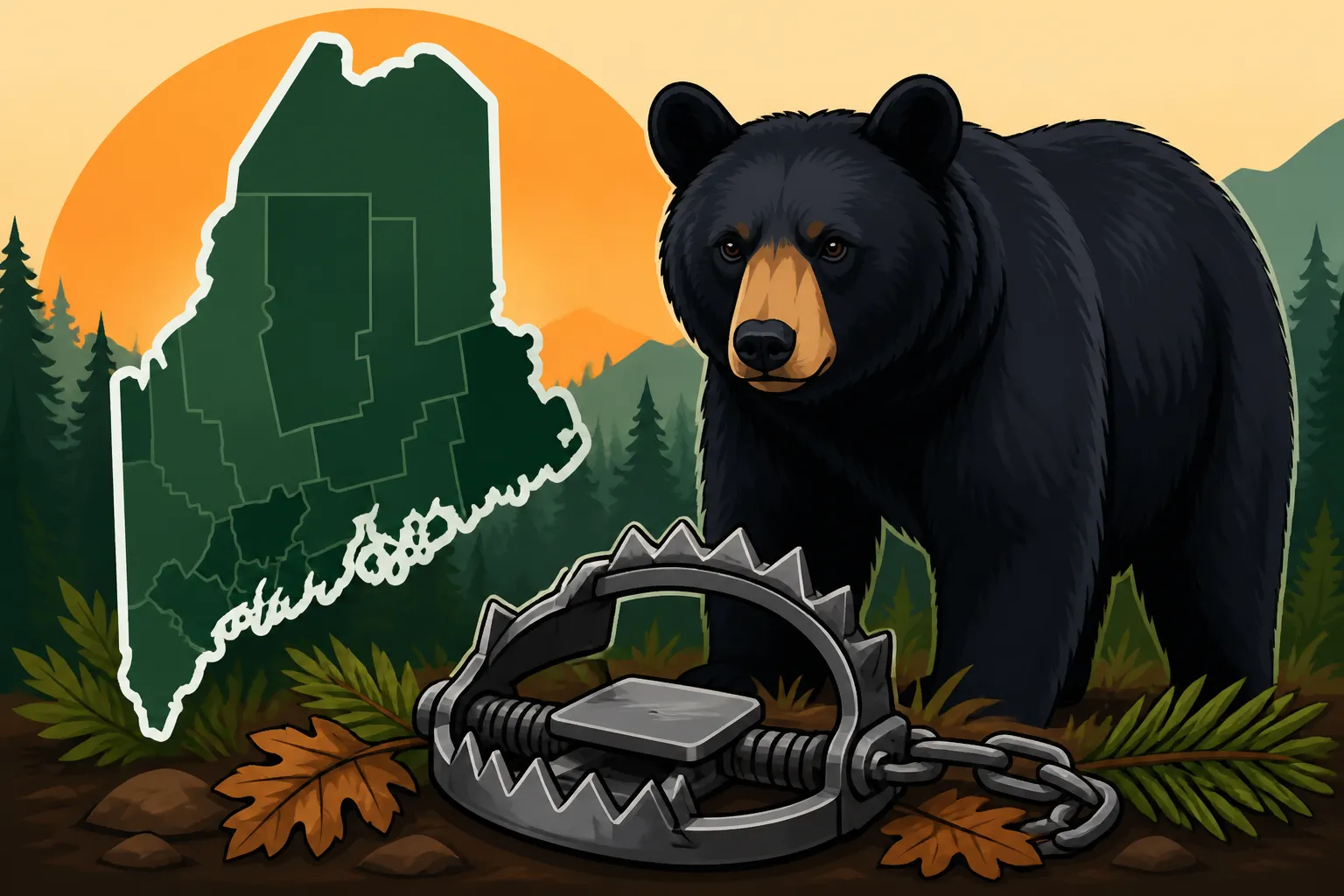
Navigating the specific dates for bear trapping in Maine can feel like trying to solve a puzzle, especially when you consider that trapping seasons often differ from baiting or hounding seasons. Many aspiring trappers worry about missing the narrow window of opportunity or, worse, running afoul of regulations due to an outdated understanding of the calendar. This comprehensive guide is here to demystify Maine's bear trapping season dates, break down the necessary permits, and provide a clear roadmap for ethical and successful bear trapping in the Pine Tree State.
Understanding Maine's Bear Trapping Season Structure
Maine's Department of Inland Fisheries and Wildlife (MDIFW) meticulously manages bear populations through a variety of methods, and trapping plays a crucial role. Unlike some states, Maine provides a distinct and often later season for trappers, acknowledging the different techniques and challenges involved. This specialized season helps distribute harvest pressure and allows for a focused management approach.
The Annual Calendar for Bear Trapping
For those looking to participate in bear trapping, marking your calendar with the precise dates is paramount. Typically, the bear trapping season in Maine runs from October 31st through November 30th. This specific timeframe applies to both resident and non-resident trappers across the state where bear trapping is permitted. It's a relatively short window, making thorough pre-season preparation absolutely critical. Missing even a few days can significantly impact your chances of success. It's always a smart move to double-check the current year's official MDIFW regulations, as dates can occasionally see minor adjustments. Online resources like the official MDIFW website or apps like GoHunt are excellent tools for staying updated on these crucial dates and any zone-specific rules that might apply.
This late fall season is chosen for several biological and practical reasons. By late October and November, bears are actively feeding to pack on calories before denning for the winter. This behavior can make them more active and potentially more predictable in certain areas. Furthermore, the colder weather helps preserve any harvested animal and makes for less competition from other bear hunting methods that conclude earlier in the fall.
Why Trapping Dates Differ from Other Bear Methods
It's common for new hunters and trappers to wonder why Maine's bear hunting methods don't all share the same season dates. The distinct dates for bear trapping are a deliberate management strategy. Maine's bear hunting season is famously split into three primary legal methods: baiting, hunting with hounds, and trapping. Each method targets bears under different conditions and offers unique challenges and success rates.
The bear baiting season generally concludes much earlier, often by late September, providing an early opportunity for hunters before bears shift their feeding patterns. The hound season typically runs through October, offering hunters a more active pursuit. Trapping, on the other hand, is strategically placed later in the fall. This staggered approach helps manage overall bear harvest effectively, preventing over-harvest in any single period and allowing different user groups to pursue bears when their preferred method is most effective. For a deeper dive into these methods, consider exploring "Maine's Three-Method Bear Season" and "Bear Hunting Maine's Three Legal Methods." The later trapping season also considers the behavior of bears as they prepare for hibernation, moving into areas where trappers might have better success intercepting them.
Essential Permits and Licensing for Bear Trappers
Before you even think about setting a trap, understanding the licensing and permit requirements in Maine is non-negotiable. The state takes its wildlife management seriously, and proper authorization ensures you're participating legally and contributing to conservation efforts. Don't let the paperwork intimidate you; it's a straightforward process if you know what to expect.
Specific Trapping Licenses Required
To legally trap bear in Maine, you must first possess a valid Maine trapping license. This isn't just a general hunting license; it's a specific permit that authorizes you to engage in trapping activities for furbearers and other designated species, including bear. There are different categories for residents and non-residents, and the fees will vary accordingly. You'll need to purchase your general trapping license, and then additionally acquire a bear trapping permit.
For residents, the process is generally simpler and less costly. Non-residents, however, will face higher fees and may have additional requirements. It's crucial to understand these distinctions before planning your trip. You can find detailed information on "Maine Trapping License Requirements" through the MDIFW website. Most licenses can be purchased online through the MDIFW's portal, or from authorized agents across the state. Using resources like GoHunt can help you navigate the process of finding local agents or directly linking to the online purchasing system, ensuring you have all your necessary documents in hand before heading out.
Bear Tag and Registration Process
Beyond your trapping license, a dedicated bear tag is required for each bear you intend to harvest. This tag is essentially your permission slip to take one bear. The cost of a "Maine Bear License Cost" is relatively modest, but it's an essential item. Upon harvesting a bear, the tag must be immediately validated and attached to the animal. This tag remains with the bear until it is registered.
The registration process is a critical step that every successful trapper must complete. Maine mandates that all harvested bears be registered with the MDIFW within a specified timeframe, usually within 18 hours of being killed. This can often be done at designated check stations, sometimes at local general stores that serve as registration agents, or increasingly through the state's online registration system or mobile app. "Handling a Bear Harvest Check-In" involves providing information about your hunt, including the date, location, and method of harvest. This data is vital for wildlife biologists to monitor bear populations, track harvest trends, and make informed management decisions for future seasons. Failing to properly tag and register your bear can lead to significant penalties, so make sure you understand these rules thoroughly.
Gear, Regulations, and Ethical Trapping Considerations
Bear trapping isn't just about knowing the dates and having the right permits; it's also about employing legal, humane, and ethical practices. The effectiveness of your methods, the type of equipment you use, and your commitment to responsible trapping are all central to a successful and respectful experience in the Maine woods.
Legal Trapping Methods and Equipment
Maine's regulations specify the types of traps that are legal for bear trapping and how they must be deployed. Generally, cable restraints (snares) and foot-hold traps are permitted, but they come with strict requirements regarding size, tension, and placement. You can't just use any trap you find; specific jaw spread limits, anchor methods, and even the type of cable for snares are regulated to ensure both effectiveness and humanity. For instance, specific breakaway devices may be required on cable restraints to prevent the capture of larger, non-target animals like moose, while also ensuring the humane dispatch of target species.
Placement is another crucial aspect. Traps must be set a certain distance from public roads, buildings, and certain trails to ensure public safety and minimize conflicts. These "setback distances" are clearly outlined in the hunting and trapping law book. Furthermore, trappers are often required to clearly mark their traps with their license information. It’s imperative to thoroughly review the current year's MDIFW rulebook to ensure all your equipment and setup comply with the law. Ignorance of the law is never an excuse, and violations can result in fines, license revocation, and equipment confiscation.
Best Practices for Humane and Responsible Trapping
Ethical trapping is about more than just following the letter of the law; it's about treating the animals with respect and minimizing suffering. A core tenet of responsible trapping is checking your traps regularly. Maine law typically mandates that traps be checked at least once every 24 hours. This frequent checking is vital for several reasons: it ensures that an animal isn't left in a trap for an extended period, which could lead to unnecessary stress, injury, or exposure to predators. It also allows for the timely dispatch of a captured animal, preventing spoilage, especially during the warmer parts of the late fall trapping season.
When a bear is captured, swift and humane dispatch is paramount. Trappers should be proficient in dispatch methods that are effective and minimize suffering. Furthermore, knowing how to properly field dress and care for your harvested bear immediately after dispatch is essential. This includes understanding techniques like bleeding the animal quickly and cooling the carcass to prevent meat spoilage. Given the size and strength of a bear, safety for the trapper is also a key consideration. Adequate training, such as "Maine Hunter Education Requirements" (which often includes trapping components or refers to specific trapping education), is vital to ensure both personal safety and the humane handling of the animal.
Planning Your Maine Bear Trapping Adventure
Embarking on a bear trapping expedition in Maine is an exciting prospect, but it demands careful planning and execution. The success of your efforts hinges not just on knowing the rules, but on understanding the landscape, the quarry, and how to operate safely and effectively in the rugged Maine wilderness.
Scouting and Pre-Season Preparation
The work for a successful bear trapping season begins long before October 31st. Scouting is arguably the most critical component. Bears are creatures of habit, often frequenting specific travel corridors, feeding areas, and bedding sites. Identifying these locations is key to placing your traps effectively. Look for classic bear sign: tracks in mud, scat, overturned rocks, claw marks on trees, and broken branches in berry patches. Understanding "Where Maine Bucks Bed in Big Timber" might not be directly about bears, but the principles of identifying dense cover and travel routes are highly transferable.
During the late summer and early fall, bears are hyperphagic, meaning they are eating almost constantly to build up fat reserves for winter. Focus your scouting efforts around natural food sources such as beech nut ridges, oak flats (if present in Maine), and particularly, apple orchards. If the mast crop (acorns, beechnuts) is poor, bears will travel widely to find alternative food. Understanding "Hunting After a Poor Acorn Year" is critical intelligence for bear trappers. Utilizing mapping tools, including the GoHunt app's various layers for public and private land, can be invaluable for identifying potential trapping locations, evaluating access routes, and noting key topographical features like swamps, ridges, and dense cover where bears might be moving. Don't underestimate the power of trail cameras during the off-season to monitor bear activity in potential trap locations.
Weather Impact and Safety on the Trapline
Maine weather in late October and November can be highly unpredictable, ranging from mild, rainy days to heavy snowfalls and bitter cold. These conditions significantly impact both bear activity and your ability to manage a trapline. A sudden cold snap can send bears scurrying for dens, potentially decreasing trap success. Heavy snow can obscure trap sets, making them harder to check, and can also lead to hypothermia for any captured animal if not checked promptly.
Safety should always be your top priority. Traversing remote terrain in potentially adverse weather requires proper gear, including warm, waterproof clothing, sturdy boots, and emergency supplies. Always inform someone of your planned route and expected return time. Carrying a reliable GPS or satellite communication device is a smart choice, especially in the vastness of the North Woods where cell service is often non-existent. "Packing for a North Woods Moose Hunt" provides excellent general advice on preparing for extended stays in remote Maine wilderness, much of which applies directly to bear trapping. Remember, a bear in a trap is a powerful and potentially dangerous animal. Approaching a captured bear requires extreme caution and a well-thought-out plan for safe and humane dispatch. Never work alone when dealing with a trapped bear, and always carry appropriate firearms for dispatch and self-defense.
Maine Bear Trapping Season Overview
| Aspect | Details |
|---|---|
| Season Dates | October 31st – November 30th (Statewide, for both residents and non-residents) |
| Required Licenses | Maine Trapping License (Resident/Non-Resident) + Maine Bear Trapping Permit |
| Bear Tag | One bear tag per harvest, must be validated immediately and attached to bear. |
| Registration | Within 18 hours of kill, at designated check stations, authorized agents, or via MDIFW online/app. |
| Legal Trap Types | Cable Restraints (Snares) and Foot-hold Traps (specific size, tension, and placement regulations apply) |
| Trap Check Frequency | Minimum once every 24 hours |
| Ethical Practice | Humane dispatch, proper carcass care, minimizing animal stress, public safety setbacks. |
| Pre-Season Prep | Extensive scouting for bear sign, food sources (mast crops, apples), using mapping tools (e.g., GoHunt). |
| Weather Impact | Be prepared for varying late fall conditions (rain, snow, cold); plan for safe trapline management. |
| Safety | Inform others of plans, carry emergency gear, approach trapped bears with extreme caution, never work alone. |
This table provides a quick reference, but remember to always consult the official MDIFW regulations for the most current and detailed information.
Disclaimer
Please remember that hunting and trapping regulations can change. While this guide provides comprehensive information based on current knowledge, it is always your responsibility to consult the official Maine Department of Inland Fisheries and Wildlife (MDIFW) regulations before participating in any hunting or trapping activity. Stay safe, stay legal, and enjoy Maine's incredible outdoors responsibly.