Booking a Bear Hound Hunt
For many hunters, the idea of chasing a black bear through the dense Maine woods with a pack of specially trained hounds is the pinnacle of the sport – a truly immersive and heart-pounding experience. But if you’re new to this method, or even if you're a seasoned hunter looking to try it in Maine, figuring out where to start with booking a guided hunt can feel overwhelming. This guide is designed to demystify the process of booking a bear hound hunt in the Pine Tree State, ensuring you know exactly what to expect and how to find the right outfitter for an unforgettable adventure.
The Unique Thrill of a Maine Bear Hound Hunt
There’s something primal and incredibly exciting about a bear hound hunt that sets it apart from other hunting methods. It's not just about harvesting an animal; it's about the chase, the skill of the dogs, and the incredible teamwork between the guide, the hounds, and the hunter.
Why Choose Hounds Over Bait?
While baiting is a popular and effective method for hunting bears in Maine, chasing them with hounds offers a completely different kind of adrenaline rush. With a bait hunt, you're typically waiting quietly in a stand or blind, often at dawn or dusk, hoping a bear comes to the site. It's a test of patience and stealth.
A hound hunt, on the other hand, is a much more active and dynamic experience. You'll be covering ground, listening to the dogs work, and sometimes even running to keep up with the action. The anticipation builds as the pack picks up a scent, and the baying of the hounds echoing through the forest is a sound that will send shivers down your spine. It requires more physical exertion and a willingness to be immersed in the chase. For many, it’s the ultimate way to truly hunt a bear, engaging in a pursuit that tests both endurance and mental fortitude. It’s a hunt where you truly become part of the wild drama unfolding around you. While you might Baiting Black Bears Legally in Maine during an earlier part of the season, the hound hunt is a later-season, high-energy affair.
The Role of a Maine Registered Guide and Their Pack
A successful bear hound hunt is almost entirely dependent on the expertise of your Registered Maine Guide and the quality of their dog pack. These guides aren't just people who know the woods; they are professional dog handlers, trackers, and navigators. They spend countless hours training their hounds, understanding bear behavior, and scouting territories to ensure the best possible chance of success for their clients.
The dogs themselves are the stars of the show. A good pack is a finely tuned machine, with each dog having a specific role, from the lead hounds that pick up the initial scent to the bay dogs that keep the bear treed or at bay once it's caught. The guide knows each dog's personality, strengths, and weaknesses, and how to combine them for maximum effectiveness. You'll witness an incredible bond between the guide and their dogs, built on trust and shared experience. They're more than just pets; they are highly skilled working animals, and their welfare is paramount to any reputable outfitter. Hiring a Registered Maine Guide is essential, not just a recommendation, for this type of hunt.
Understanding Maine's Bear Hound Season and Rules
Before you even think about booking, it’s crucial to understand when you can actually embark on a bear hound hunt in Maine and what the state requires from you as a hunter. Maine has specific regulations designed to manage its healthy bear population and ensure ethical hunting practices.
Key Season Dates for Hound Hunts
Maine's bear hunting season is structured into different segments, with distinct periods for baiting, trapping, and hunting with hounds. The hound season typically runs later in the fall, after the primary baiting season has closed. This timing often puts hunters in the woods as the leaves are changing or have fallen, which can make for some stunning scenery and, at times, easier tracking for the dogs.
It's important to remember that these dates can shift slightly year to year, so always check the most current Maine Department of Inland Fisheries & Wildlife (MDIFW) regulations before making any plans. Generally, the hound season is a precious window, offering a more active and immersive hunting experience than the earlier baiting periods. Outfitters will book up quickly, especially for prime weeks, so knowing the general timeframe will help you plan well in advance. For more precise timing, you can check specific resources like Maine Bear Hound Season Dates.
Legal Requirements and Licensing for Nonresidents and Residents
Whether you're a long-time Maine resident or traveling from out of state, there are specific licenses and permits you’ll need to secure your bear hunt. This isn’t a small game hunt; it’s a big game pursuit, and the state wants to ensure all hunters are properly licensed and educated.
For most hunters, this means purchasing a general hunting license, which is your base permit. On top of that, you’ll need a specific bear hunting permit or stamp. Nonresidents often have different license structures and costs compared to residents. It’s also worth noting that if you’re a nonresident, Maine law generally requires you to hunt big game like bear with a Registered Maine Guide, or with a resident who is a direct family member. This is a crucial detail, especially for hound hunts, where a guide is virtually indispensable anyway. Ensure you understand all the requirements, including any hunter education certifications, well before your trip. You can find detailed information on Maine Hunting Licenses and What They Cost.
Ethical Considerations and Fair Chase
Maine takes fair chase and ethical hunting very seriously, and bear hound hunting is no exception. The use of hounds is a long-standing tradition in many states, and Maine has developed regulations to ensure it's practiced responsibly. This includes rules about how long a bear can be pursued, when a chase must be terminated, and the conditions under which a bear can be harvested once treed or bayed.
A reputable outfitter will always operate within these ethical boundaries, emphasizing the safety of the dogs, the hunter, and the bear. The goal is a clean, ethical harvest, not just to simply run a bear. Guides often practice "catch and release" with smaller bears or sows with cubs, allowing them to gain experience for their dogs without harvesting an animal that isn't the right fit for the client or the overall population management goals. Discussions about these ethics should be part of your conversation with any potential guide, ensuring your values align with theirs.
What to Look for in a Maine Bear Hound Outfitter
Choosing the right outfitter is arguably the most critical step in ensuring a successful and enjoyable bear hound hunt. This isn't just about finding someone with dogs; it's about finding a professional who prioritizes safety, ethics, and a quality hunting experience.
Reputation and Experience with Hounds
When you're entrusting your hunt, and your safety, to an outfitter, their reputation and experience are paramount. How long have they been running bear hound hunts specifically? Has their guide service been around for years, passing down knowledge and dog lines, or are they a newer operation? Experience isn't just about time in the business; it's about demonstrated success, positive client testimonials, and a deep understanding of Maine's diverse bear habitats, from the vast North Woods to more localized territories.
Don't be afraid to ask for references, and definitely check online reviews, forums, and social media. Look for consistent praise regarding their professionalism, the health and training of their dogs, and their commitment to client satisfaction. An outfitter who has a long track record of successfully guiding hunters on hound hunts is invaluable. You might find mentions of their success in official reports, like those detailing Maine Bear Harvest Numbers by Method.
Pack Quality and Health
The dogs are the heart of a hound hunt, so their quality and health are non-negotiable. Ask the outfitter about their dog breeds – Walkers, Redbones, Plott Hounds, and various crosses are common choices, each bringing different strengths to the pack. More importantly, inquire about their training regimen and how they keep their dogs conditioned for the rigorous demands of chasing bears.
A responsible outfitter will prioritize the health and well-being of their pack. This means regular veterinary care, a proper diet, and humane treatment. You want a guide whose dogs are not just good at their job but are also clearly well-cared for. A healthy, well-trained pack is more efficient, safer to work with, and ultimately more successful in the field. Don't hesitate to ask about how many dogs they run in a typical pack, and what their individual experience levels are.
All-Inclusive Packages vs. A La Carte Services
Maine outfitters offer a variety of booking options, from basic guide services to comprehensive all-inclusive packages. Understanding what’s typically included (and what isn’t) will help you budget and manage your expectations.
An all-inclusive package might cover your lodging, meals, guide services, transportation during the hunt, and even initial field dressing of your bear. More basic options might only provide the guide and their dogs, leaving you responsible for accommodations, food, and other logistics. Always get a detailed breakdown of what your chosen package entails.
Here’s a general idea of what you might find included:
| Service Category | Typically Included in All-Inclusive | Often Extra / Not Included |
|---|---|---|
| Guide Services | Yes (Guide & Hounds) | No |
| Lodging | Yes (Sporting Camp, Cabin) | Hotels, Motels (if not a package) |
| Meals | Yes (Breakfast, Lunch, Dinner) | Snacks, Alcoholic Beverages |
| Transportation | During Hunt (ATV, Truck) | To/From Maine, Airport Shuttle |
| Field Dressing | Yes (Initial gutting) | Full Meat Processing |
| Trophy Care | Initial hide/skull prep | Taxidermy Services |
| Licenses/Permits | No (Hunter's Responsibility) | No |
| Gratuities | No | No |
| Weapon/Gear Rental | No | No |
Always clarify these points before booking to avoid any surprises. Remember, the Average Cost of a Guided Bear Hunt can vary significantly based on these inclusions.
Vetting and References
Beyond asking the outfitter directly, you need to do your due diligence. Seek out reviews and testimonials. Websites like BookYourHunt and GoHunt are great resources where you can often find reviews from past clients, photos, and detailed descriptions of services offered. These platforms can connect you with multiple outfitters, allowing you to compare services and prices from reputable operations.
However, don't stop there. If an outfitter has a social media presence, check it out. Look for recent photos and comments from clients. A truly professional guide will be happy to provide contact information for past clients you can speak with directly. When you talk to references, ask specific questions: Was the guide knowledgeable? Were the dogs well-behaved and effective? Was the lodging and food as described? Did they feel safe? Did the outfitter uphold ethical hunting practices? Questions to Ask a Maine Outfitter are critical for a successful booking.
Preparing for Your Guided Bear Hound Hunt
A guided hunt isn't just about showing up with your license and weapon. Proper preparation can significantly enhance your experience and even your chances of success.
Essential Gear and Clothing
Maine weather in the fall can be notoriously unpredictable, swinging from mild and sunny to cold, wet, and even snowy within hours. Layering is key!
- Clothing: Start with a good moisture-wicking base layer. Add an insulating middle layer (fleece or synthetic down), and top it off with a waterproof and windproof outer shell. Bring a spare set of clothes you can change into after a wet chase. Don't forget durable hunting pants, preferably water-resistant.
- Footwear: This is crucial. You'll be traversing rugged, uneven terrain, wet bogs, and thick underbrush. Invest in comfortable, waterproof, and well-broken-in hiking boots or rubber hunting boots with excellent ankle support. Good socks are also a must – wool or synthetic blends that wick moisture away.
- Weapon: Discuss weapon choice with your guide. While some prefer rifles, many hound hunters opt for shotguns with slugs or even handguns for quicker, closer shots once the bear is treed. Ensure your chosen firearm is legal for big game in Maine and that you are proficient with it.
- Other Essentials: A comfortable daypack for water, snacks, extra layers, a headlamp, a basic first-aid kit, a knife, and navigation tools (GPS or compass, though your guide will handle most of the navigating) are all important. Don't forget insect repellent, especially in early fall.
Physical Conditioning
This is not a stand hunt where you sit for hours. A bear hound hunt can be physically demanding. You might be running, climbing, or scrambling over rough terrain, sometimes for considerable distances. Bears don't always tree in convenient spots, and getting to the action can be an athletic endeavor.
Start a fitness regimen well before your hunt. Focus on cardiovascular endurance (walking, jogging, hiking) and leg strength. If possible, hike with your packed hunting gear to simulate real-world conditions. The better shape you're in, the more you'll enjoy the chase and the safer you'll be. You don't need to be an Olympic athlete, but being able to comfortably walk several miles over uneven ground is a huge asset.
Communicating Expectations with Your Guide
Before you arrive, have a thorough conversation with your guide about your expectations, experience level, and any physical limitations. This is not the time to be shy!
Are you looking for a trophy bear, or is the experience of the hunt itself your primary goal? Are you comfortable with long, strenuous hikes? Do you have any dietary restrictions? The more information your guide has, the better they can tailor the hunt to your abilities and desires. A good guide will appreciate your honesty and work to ensure a safe and satisfying hunt for everyone involved. Confirming details like Booking a Bear Hunt Before the September Close (which is for baiting) or for the hound season ensures everyone is on the same page for the specific hunt type.
The Hunt Itself: What to Expect in the Field
The moment you've been preparing for is here! Knowing the general flow of a bear hound hunt will help you mentally prepare for the exciting days ahead.
The Day-to-Day Process
Your guided bear hound hunt will likely begin early each morning. The guide will often scout specific areas or check trail cameras to identify fresh bear activity. Once a fresh track or recent sign is found, the dogs will be "turned out" – released from their boxes to pick up the scent.
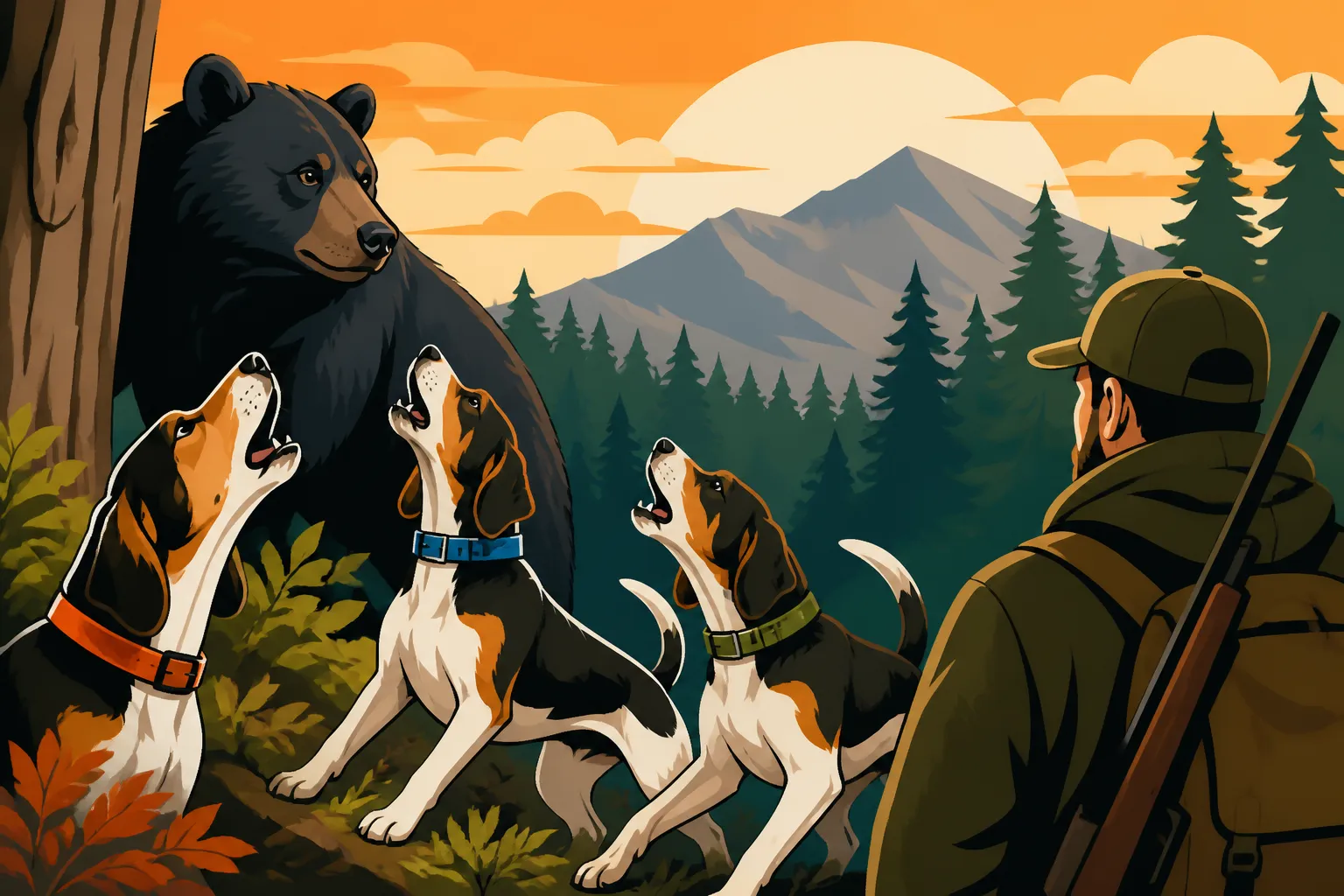
This is where the magic truly begins. You'll hear the excited barks and bawls of the hounds as they hit the trail, their voices a symphony echoing through the woods. You and your guide will follow, sometimes quickly on foot, sometimes using ATVs or trucks on logging roads to keep pace as the chase unfolds. The objective is for the dogs to eventually "tree" the bear (force it up a tree) or "bay" it (corner it on the ground). This can take minutes or hours, covering varying distances. The chase itself is a huge part of the experience, a true test of canine skill and human endurance.
Shot Opportunity and Ethical Harvest
Once the bear is treed or bayed, the guide will lead you to the location. This is often the most intense part of the hunt. The guide will assess the situation, ensuring the bear is legal (not a sow with cubs, if that’s a local regulation or outfitter preference) and that you have a safe, ethical shot opportunity. They will instruct you on where to position yourself for the best angle, keeping the dogs’ safety and your own paramount.
It's critical to take your time and make a clean, ethical shot. The guide will be there to advise you, but the final decision to shoot is yours. Never rush, and if you don't feel confident in the shot, communicate that to your guide. An ethical harvest is always the priority. You may discuss tactics like Hunting Bear With Hounds in Maine specifically for this stage of the hunt.
Recovering Your Bear
After the shot, the guide and dogs will confirm the bear is down. This phase requires careful attention and respect for the animal. Depending on the terrain and the bear's size, recovering it can be another physical challenge. Your guide will assist with field dressing, and depending on your package, may help with getting the bear out of the woods and back to camp or a processing facility.
It's important to remember that retrieving a bear, especially a large one, from rugged Maine terrain is a serious endeavor. Your guide will have a plan and the necessary equipment, but be prepared to assist as needed. This is another area where physical conditioning pays off.
Post-Harvest: Processing and Reporting Your Bear
The hunt doesn’t end with the shot; there are crucial steps to take after harvesting your bear to ensure its proper care and compliance with state regulations.
Field Dressing and Meat Care
Proper field dressing and prompt cooling of the bear meat are essential, especially since hound season often takes place when temperatures might still be relatively mild. Your guide will usually handle the initial field dressing – gutting the bear in the field to allow the carcass to cool quickly.
From there, you'll need a plan for full processing. Many outfitters have arrangements with local butchers, or they might offer basic meat cutting services at camp. If you plan to process it yourself, ensure you have the necessary equipment and knowledge. Bear meat, when handled correctly, is delicious and versatile. You can render the fat for cooking and use the meat for roasts, stews, sausages, and more. Your guide can provide advice on local processors or Processing Meat Near a North Woods Camp.
Registration Requirements
Maine has strict rules for reporting and registering harvested big game. Every bear harvested must be registered with the MDIFW within a specific timeframe, often within 24 hours. Your guide will know the exact procedures and can help you navigate this process. This usually involves taking the bear to an official registration station, or in some cases, reporting it online or via an app.
During registration, biological data might be collected, such as a tooth for aging the bear, or measurements for research purposes. This data is vital for wildlife biologists to monitor the health and population dynamics of Maine's black bears. Make sure to understand and follow all registration requirements. You can learn more about Handling a Bear Harvest Check-In.
Trophy Care and Taxidermy
If you're hoping for a rug or a skull mount, immediate and proper care of the hide and skull is critical. Your guide will usually handle the initial skinning and caping (preparing the hide for a shoulder mount), and they can advise you on how to protect the hide until it can be transported to a taxidermist. This often involves salting and freezing.
Many outfitters have relationships with reputable local taxidermists, which can be convenient for getting your trophy professionally preserved. If you have a preferred taxidermist at home, discuss the logistics of transporting the hide and skull with your guide before the hunt. Proper care immediately after the harvest will ensure your trophy lasts a lifetime, preserving the memory of your thrilling Maine bear hound hunt.
Disclaimer
This article is for general informational purposes only and does not constitute professional advice. Laws, prices and regulations vary by location and change over time. Consult a qualified professional for guidance on your specific situation.