Booking an Upland Bird Hunt in Maine
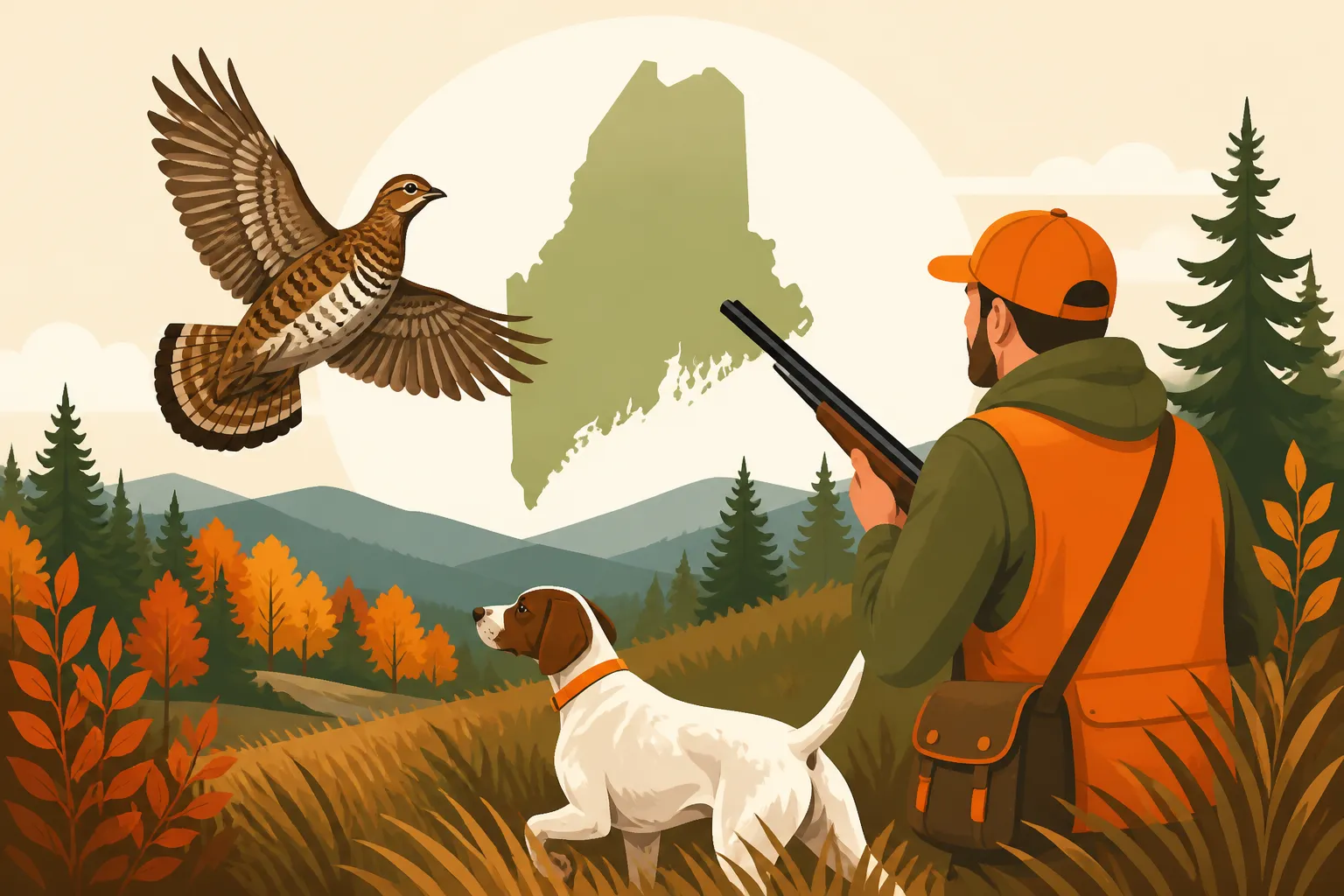
Stepping into the world of upland bird hunting in Maine can feel like unlocking a hidden level of the hunting experience. The crisp autumn air, the vibrant foliage, the rush of a grouse exploding from cover, or the erratic flight of a woodcock flushing from alder thickets – it’s truly magical. But for many, especially those new to the sport or unfamiliar with Maine's vast, wild landscapes, the idea of planning such a trip can be incredibly daunting. Where do you go? What gear do you need? And most importantly, how do you even begin to find the birds? This comprehensive guide is here to untangle all those knots, helping you understand how to successfully book and enjoy a guided upland bird hunt in the Pine Tree State.
Why Maine for Upland Birds?
Maine isn't just a pretty face in the fall; it's a true upland bird hunter's paradise. The state boasts incredible habitat diversity, from dense spruce and fir forests to regenerating clearcuts, sprawling alder bottoms, and abandoned apple orchards. This variety creates perfect homes for robust populations of our most cherished upland species, making it a bucket-list destination for many.
Ruffed Grouse: The King of Upland Birds in Maine
Ah, the ruffed grouse. For many, this is the primary target when heading into Maine's uplands. These magnificent birds, often called "partridge" by locals, thrive in Maine's mosaic of young forest growth. You'll find them particularly drawn to areas where timber has recently been harvested or where old logging roads crisscross through mixed hardwoods and conifers. The thrill of hearing that thunderous flush, a sound that can startle even the most seasoned hunter, is what keeps us coming back year after year. Maine's extensive commercial timberlands, particularly in the northern and western parts of the state, provide continuous cycles of suitable habitat, ensuring healthy populations. The cover can be thick, demanding a good dog and steady nerves, but the rewards are well worth the effort.
American Woodcock: The Timberdoodle's Elusive Flight
While grouse hold court in the uplands, the American woodcock, affectionately known as the "timberdoodle," offers a different, equally captivating challenge. These migratory shorebirds, with their long bills and unique aerial courtship displays, are a true delight to hunt. They prefer moist, young, regenerating forests, especially alder thickets and willow swamps, where they can probe the soft soil for worms. Maine lies squarely in the Atlantic Flyway, making it a critical staging and migration area for woodcock. As the leaves begin to turn and the first frosts arrive, woodcock start their southward journey, often congregating in predictable coverts. A good bird dog is almost essential for finding these camouflaged marvels, and watching a well-trained setter or pointer lock up on a woodcock is a thing of beauty. American Woodcock in Maine are a highlight of the early-to-mid fall season.
Maine's Diverse Upland Habitat
Beyond just grouse and woodcock, Maine offers a rich tapestry of habitats that support a variety of small game. From the sprawling blueberry barrens of Downeast, which can hold pockets of grouse, to the dense cedar swamps that provide winter cover for a multitude of species, the landscape is incredibly varied. This diversity means that a guided hunt can often be tailored to specific preferences, whether you're looking for fast-paced grouse action in heavy cover or a more open hunt for a combination of species. Understanding the specific types of cover – from mature hardwoods with a good mast crop to dense evergreen stands – is key to predicting where birds will be throughout the season. A skilled guide will know these nuances intimately.
Deciding on a Guided Hunt vs. Self-Guided
This is often the first big question for anyone considering an upland bird trip to Maine. The romantic notion of striking out on your own, just you and your dog, is powerful. But the reality of hunting Maine's vast, often challenging terrain can quickly humble even experienced hunters. A guided hunt, while an investment, offers distinct advantages, especially for those unfamiliar with the region.
The Advantages of a Registered Maine Guide
Hiring a Registered Maine Guide for an upland bird hunt is like having a local expert, a walking encyclopedia of the woods, right by your side. These guides spend countless hours scouting, understanding bird movements, and maintaining relationships with landowners for access. They know the current timber cuts, the alder runs holding woodcock, and the forgotten apple orchards where grouse love to feed. Think of the frustration saved not driving endless logging roads trying to find the spot. A guide not only puts you on birds but also handles the logistics, from navigating private timber company lands to ensuring you're hunting legally and safely. Many guides also provide well-trained bird dogs, eliminating the need to bring your own or worry if your canine companion is up to the task of running in Maine's typically dense cover. Hiring a Registered Maine Guide means tapping into generations of local knowledge.
The Realities of Self-Guided Upland Hunting
For the truly adventurous or those with extensive prior experience in Maine, a self-guided hunt can be incredibly rewarding, but it comes with a steep learning curve. First, land access can be tricky. While Maine has a tradition of implied permission on private lands, knowing which lands are truly open and which are posted, or require specific gate access (like in the North Maine Woods), takes research. Maine's Private Land Access Tradition is generous but comes with responsibilities. Then there's the sheer scale of the landscape. Maine is massive, and prime bird habitat can be miles from the nearest paved road. Fuel costs, vehicle wear and tear, and simply getting lost are real considerations. Finding productive cover often means hours of driving, pouring over maps, and hoping you guess correctly. Without local knowledge, you might spend more time searching than hunting. It's an experience that can be incredibly fulfilling when successful, but it often requires multiple trips or a significant upfront time investment to scout.
Semi-Guided Options
Sometimes, the best solution lies in the middle. A semi-guided hunt might involve an outfitter providing you with detailed maps of productive areas they've scouted, recommendations for where to stay, and advice on current bird activity. They might even help with land access logistics, but you're still doing the actual hunting and dog work yourself. This can be a great option for those who have their own dogs and enjoy the independence of a self-guided hunt but want to cut down on the uncertainty of finding birds in an unfamiliar area. It provides a valuable compromise, offering some local insight without the full cost of a completely guided experience. Always clarify exactly what "semi-guided" entails, as offerings can vary significantly between outfitters.
Understanding Guide Services and Packages
Once you've decided a guide is the way to go, the next step is understanding the different types of services and packages available. Just like choosing a fishing charter, upland bird guiding isn't one-size-fits-all. Outfitters cater to a range of preferences and budgets.
Full-Service Upland Bird Packages
For the ultimate hassle-free experience, many Maine outfitters offer full-service upland bird hunting packages. These typically include multiple days of guided hunting, often with a well-trained dog (or space for your own), comfortable accommodations, and sometimes even meals. Imagine waking up in a cozy sporting camp, enjoying a hearty breakfast, and then heading straight into prime grouse and woodcock cover with an experienced guide leading the way. The guide handles all the navigation, ensures you're on legal hunting ground, and works their dogs to find birds. After a day in the field, you return to a warm meal and a comfortable bed, ready to repeat the process. These packages are ideal for non-residents or those who want to maximize their hunting time and minimize logistical stress. They're an investment, but they buy you an invaluable peace of mind and access to top-tier hunting.
Day Hunts and A La Carte Services
If a full multi-day package isn't in your budget or you prefer to arrange your own lodging, many guides offer day hunts. This is a fantastic option for a local hunter looking to hit a new area, or a non-resident who wants a taste of a guided experience without the full commitment. A day hunt typically covers a set number of hours in the field with a guide and their dogs, focusing on a specific area. Some guides also offer "a la carte" services, such as scouting reports for self-guided hunters, or simply providing a dog and handler for a day if you have your own access but no bird dog. Always inquire about what's included in a day hunt, such as lunch or drinks, and be clear about your expectations for the day.
Bird Dog Services and What They Include
For many upland hunters, the real star of the show is the bird dog. A well-trained setter, pointer, or even a flushing dog like a springer spaniel can make or break an upland hunt. If you don't have your own dog, or your dog isn't quite ready for the demanding cover of Maine, many guides provide exceptional canine companions. Booking a Bird Dog Guide Service is a popular choice. When a guide offers bird dog services, it typically means they will bring their own experienced dogs, and the dogs will be an integral part of the hunt. The guide handles the dog work, reading their movements, and calling points or flushes. This allows you to focus purely on the shooting opportunity and enjoying the incredible dog work. Don't underestimate the value of a guide's dog; they are often highly specialized for the local terrain and birds.
| Service Type | Key Inclusions | Ideal For | Considerations |
|---|---|---|---|
| Full-Service Package | Multi-day hunting, guide, dogs, lodging, meals | Non-residents, first-timers, those seeking maximum convenience | Highest cost, typically booked far in advance |
| Day Hunt | Single day of guided hunting, guide, dogs | Locals, those with own lodging, shorter trips, taste of guided hunting | Less immersive, may require own transportation/meals |
| Semi-Guided | Maps, intel, access advice; self-hunt | Hunters with own dogs, wanting some local edge without full guide | Requires strong self-reliance and navigation skills |
| Bird Dog Service | Guide provides trained dogs for your hunt (you guide/shoot) | Hunters with own access and skills, but no trained dog | Less common as a standalone, often part of day or package hunts |
Choosing the Right Guide or Outfitter
Finding the perfect guide can feel a bit like dating – you want someone whose style matches yours, who communicates well, and who ultimately helps you achieve your goals. This isn't just about finding birds; it's about finding someone who enhances your overall experience in the Maine woods.
Essential Questions to Ask Your Prospective Guide
Before you commit, arm yourself with a list of questions. Don't be shy; a good guide will appreciate your thoroughness. Ask about their experience level specifically with upland birds in Maine. Inquire about their typical hunting grounds – do they have private access, or do they primarily use public lands or commercial timberlands? What kind of dogs do they run, and how are they trained? What's their success rate like, and what do they consider a "successful" day? (Remember, in upland hunting, it's often more about the flushes than the birds in the bag.) Ask about group size and what to expect if weather interferes with your hunt. Finally, always clarify what's included in the price and what isn't, such as licenses, gratuities, or game processing. Questions to Ask a Maine Outfitter can make all the difference.
Reading Reviews and Checking References
In today's digital age, online reviews are a valuable resource. Websites and platforms like BookYourHunt and GoHunt often feature reviews and testimonials from hunters who have used specific outfitters. Look for consistent themes – positive comments about dog work, guide knowledge, and overall professionalism are good signs. Don't just focus on harvest numbers; read about the experience itself. Beyond online reviews, always ask your prospective guide for references from past clients. A reputable guide will be happy to provide them. When you call references, ask specific questions about the guide's communication, their patience, their knowledge of the area, and how they handled any unexpected challenges during the hunt. This personal feedback is invaluable in getting a true sense of what to expect.
What a Licensed Maine Outfitter Means
It's critical to ensure your guide is legally operating in Maine. All professional guides in Maine, whether they specialize in hunting, fishing, or recreation, must be licensed as a Registered Maine Guide. This isn't just a title; it signifies they've passed rigorous exams covering first aid, navigation, wilderness survival, and specific knowledge for their chosen activity (e.g., hunting, fishing). They are also required to carry liability insurance. Don't settle for an unlicensed "guide" who might be operating illegally and without proper safety protocols. A licensed guide not only offers peace of mind but is also committed to upholding the high standards of guiding in Maine. You can often verify a guide's license status through the Maine Department of Inland Fisheries and Wildlife website. Knowing What a Registered Maine Guide License Requires gives you confidence in your choice.
Planning Your Maine Upland Bird Adventure
Once you've got your guide lined up, it's time to iron out the logistical details. A well-planned trip is a successful trip, and there are a few key areas to focus on before you even step foot in the Maine woods.
Seasons, Licenses, and Permits
First and foremost, understand the hunting seasons. Upland bird seasons in Maine typically run from late September through December, but specific dates can vary for grouse and woodcock. You'll need a valid Maine hunting license, and if you're a non-resident, the cost will be different than for residents. If you plan to hunt migratory birds like woodcock, you'll also need a Federal Duck Stamp and to be HIP (Harvest Information Program) certified. It's crucial to check the current year's Maine hunting law book or the Maine Department of Inland Fisheries and Wildlife website for the most up-to-date information on seasons, bag limits, and legal requirements. Your guide can certainly help you navigate this, but it's your responsibility as a hunter to ensure you're compliant. Don't forget to account for these costs in your budget. Learn more about Maine Hunting Licenses and What They Cost.
Packing Essentials for the Maine Woods
Maine's fall weather can be notoriously unpredictable, swinging from mild and sunny to cold, wet, and windy in a matter of hours. Layering is absolutely critical. Pack waterproof and windproof outer layers, warm insulating layers (wool or synthetics are best), and moisture-wicking base layers. Good quality, comfortable, waterproof boots are non-negotiable, as you'll be covering plenty of ground, often in damp conditions. Blaze orange is required in Maine during certain seasons and for specific activities, so make sure you have an adequate amount for visibility. Other essentials include a good quality shotgun (20 gauge or 12 gauge are popular for upland birds), appropriate shells (number 7.5 or 8 shot are common), a shooting vest or bag for shells and harvested birds, a compass or GPS device, a first-aid kit, and plenty of water and snacks. Don't forget eye and ear protection!
Travel and Accommodation Considerations
If you're traveling from out of state, consider your travel plans carefully. Major airports like Bangor (BGR) or Portland (PWM) offer connections, but you'll likely need to rent a car to reach your hunting destination, especially if you're heading to more remote northern or western regions. Discuss lodging options with your guide or outfitter. Many full-service packages include accommodations at a traditional Maine sporting camp, which offer a truly authentic experience. If you're doing a day hunt, you'll need to arrange your own lodging, which could range from hotels in larger towns to cabin rentals closer to your hunting grounds. Book well in advance, especially during peak foliage season, as accommodations can fill up quickly. Remember to account for the travel time and distance between your lodging and hunting areas each day.
Budgeting for Your Guided Upland Bird Hunt
Let's be realistic: a guided upland bird hunt in Maine is an investment in an incredible experience. It's not a cheap weekend getaway, but with proper budgeting, you can ensure there are no unwelcome surprises.
Understanding Guide Fees and Tipping Etiquette
Guide fees can vary widely depending on the duration of the hunt (day vs. multi-day), inclusions (lodging, meals, dogs), and the guide's reputation. Day rates for a guided upland hunt typically cover the guide's time, their expertise, and the use of their dogs. Multi-day packages will naturally be higher. When discussing fees, always ask for a clear breakdown of what's included. Beyond the base fee, it's customary to tip your guide. Tipping in the guiding world is similar to other service industries. A good rule of thumb is 15-20% of the trip's total cost for excellent service, or a flat daily amount that reflects the effort and success of the guide. If the guide provides exceptional service, goes above and beyond, or if you have a particularly memorable experience, you might consider tipping more. Always budget for this gratuity ahead of time. Need more guidance? Check out Tipping a Maine Hunting Guide.
Hidden Costs and Unexpected Expenses
While a good outfitter will be transparent about their fees, there are always those "hidden" costs that can sneak up on you. These often include:
- Licenses and Permits: As mentioned, these are mandatory and typically not included in guide fees.
- Ammunition: You'll likely go through more shells than you expect, especially if you're getting plenty of shooting opportunities. Bring enough, or budget to buy it locally.
- Transportation: Fuel for your vehicle, airport parking, rental car fees, and any shuttle services to/from remote camps.
- Meals (if not included): Factor in breakfast, lunch, and dinner costs if your package is not all-inclusive. Snacks and drinks for the field are also important.
- Game Processing: While you might clean your own birds, if you opt for professional processing or taxidermy for a trophy bird, these costs add up.
- Gear: If you need to purchase new boots, a shotgun, clothing, or other equipment, this can be a significant upfront cost.
- Travel Insurance: For non-residents booking expensive multi-day trips, travel insurance can be a smart investment in case of unexpected cancellations due to illness or unforeseen circumstances.
Value and Investment of a Quality Experience
Looking at the numbers can be daunting, but consider what you're truly paying for. You're investing in:
- Expertise and Local Knowledge: A guide's ability to consistently put you on birds in unfamiliar territory is priceless. They know the current Maine Ruffed Grouse Population Cycles and where the American Woodcock Singing Ground Surveys indicate strong numbers.
- Time Saved: No wasted days scouting unproductive cover or getting lost.
- Safety: Guides are trained in first aid and wilderness safety, crucial in remote areas.
- Dog Work: Access to highly trained bird dogs that are often the highlight of the hunt.
- Access: Many guides have established relationships for access to prime private timber company lands that would otherwise be difficult to navigate.
- Memory Making: The shared experience, the stories, and the lessons learned from a seasoned guide often become the most cherished parts of the trip.
When viewed as an investment in a memorable, high-quality hunting adventure, the cost becomes more palatable.
Maximizing Your Hunt Experience
You've booked the trip, packed your gear, and arrived in Maine. Now, how do you make sure you get the absolute most out of your time in the field? It goes beyond just shooting straight.
Physical Preparation and Shooting Practice
Upland bird hunting in Maine isn't a stroll in the park. You'll be walking through uneven terrain, climbing over blowdowns, and pushing through thick cover. Being in reasonably good physical condition will significantly enhance your enjoyment and endurance. Start a walking routine, especially if you can find some trails with hills. Beyond physical fitness, shooting practice is paramount. Grouse and woodcock flushes are notoriously fast and unpredictable. Spend time on the skeet or trap range, focusing on quick mounts and swinging through moving targets. Many guides will appreciate knowing you're comfortable and proficient with your shotgun. The better you shoot, the more likely you are to capitalize on those precious opportunities.
Communication with Your Guide
Your guide is your partner in the field. Open and honest communication is key to a successful and enjoyable hunt. Before you even start, discuss your expectations. Are you primarily after grouse, or hoping for a mixed bag? What's your comfortable walking pace? Do you have any physical limitations? During the hunt, listen carefully to your guide's instructions regarding safety, dog handling, and where to expect birds. Don't be afraid to ask questions. If you're tiring, let them know. If you're confused about a direction or a dog's behavior, speak up. A good guide wants you to have a great time and will adjust to your needs and preferences if they know what they are. This collaborative spirit fosters a much more rewarding experience for everyone involved.
Embracing the Maine Upland Culture
Maine upland hunting is more than just bagging birds; it's steeped in tradition and a deep appreciation for the natural world. Embrace the journey. Enjoy the stunning fall foliage, the silence of the woods punctuated only by dog bells, and the camaraderie with your guide and fellow hunters. There's a certain rhythm to hunting Grouse Hunting Maine Alder Runs or Woodcock Hunting Maine Covert Country. Be prepared for long walks, often without a flush, and celebrate every point, every retrieve, and every bird in the bag. Learn from your guide about the local ecosystem, the history of the area, and the behavior of the birds. This immersive approach will not only enrich your hunt but also foster a deeper connection to the unique landscape and the sport itself.
Ethical Hunting and Conservation in Maine
As hunters, we are stewards of the land and its wildlife. Our actions in the field have a direct impact on the future of hunting and the health of the ecosystems we cherish. Upholding ethical standards and supporting conservation efforts are not just good practices; they are essential responsibilities.
Respecting Landowners and Wildlife
Maine's tradition of implied permission on private land is a privilege, not a right. It's built on a foundation of respect between landowners and recreational users. Always leave gates as you found them, pack out all your trash (and perhaps some you find), and avoid damaging property. If you encounter posted land, respect the signs and do not trespass. If you want to hunt a specific private parcel, Asking a Maine Landowner for Permission is always the best approach. When it comes to wildlife, practice good sportsmanship. Know your target, ensure a clean kill, and retrieve all downed birds. Respect bag limits and season dates. These simple actions ensure that Maine's generous access traditions continue for future generations and that our wildlife populations remain healthy.
Conservation Efforts for Upland Birds
The continued health of Maine's grouse and woodcock populations relies heavily on sound wildlife management and habitat conservation. Organizations dedicated to habitat improvement, such as the Ruffed Grouse Society and American Woodcock Society, play a vital role. By supporting these groups, you contribute directly to programs that create and maintain the young forest habitat that these birds need to thrive. Funds generated from hunting license sales also go directly to the Maine Department of Inland Fisheries and Wildlife (MDIFW) to support wildlife research, habitat acquisition, and enforcement. Your participation in hunting, coupled with adherence to regulations, is a direct contribution to conservation. Understanding the Maine Small Game Season Rules and respecting them is a fundamental part of this commitment.
Disclaimer
This article is for general informational purposes only and does not constitute professional advice. Laws, prices and regulations vary by location and change over time. Consult a qualified professional for guidance on your specific situation.