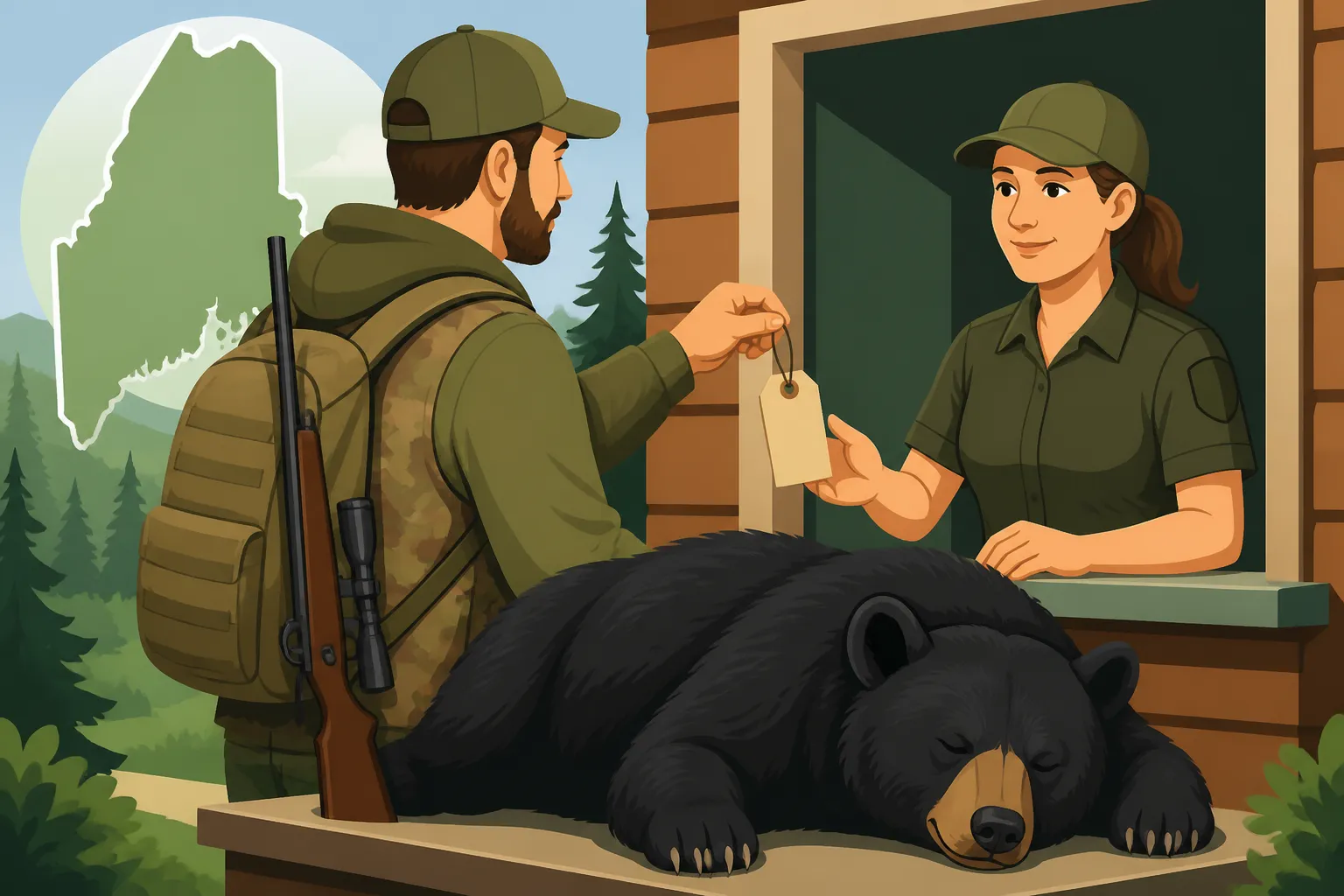
Handling a Bear Harvest Check-In
Bringing down a bear in the vast woods of Maine is an exhilarating, hard-earned experience, but the job isn't quite done when the animal hits the ground. Many hunters feel a mix of excitement and apprehension about the next crucial step: the bear harvest check-in. It can be confusing knowing exactly what's required, where to go, and what to expect, especially for first-timers or those new to Maine. This guide will meticulously walk you through the entire process, ensuring your hard work in the field is followed by a smooth, legal registration.
Navigating Maine's Mandatory Bear Harvest Registration
Successfully harvesting a black bear in Maine is a thrilling achievement, but it comes with a vital responsibility: legally registering your animal. This isn't just a bureaucratic hoop to jump through; it's a critical component of Maine's robust wildlife management strategy, ensuring the health and sustainability of our thriving bear population for generations of hunters to come.
Why Maine Requires Bear Registration and What's Collected
Maine's Department of Inland Fisheries and Wildlife (MDIFW) relies heavily on hunter-provided data to make informed decisions about bear management. Each bear registered contributes a piece to a much larger puzzle. Without accurate harvest data, biologists would be flying blind, unable to properly assess population trends, adjust bag limits, or understand the impact of various hunting methods. When you register your bear, you're directly participating in the conservation efforts that keep Maine's bear population robust.
The data collected at registration stations is incredibly specific and valuable. Typically, registration agents will record the date of harvest, the Wildlife Management District (WMD) where the bear was taken, and the method of harvest (e.g., still-hunting, baiting, or with hounds, as covered in detail in Maine's Three-Method Bear Season). Crucially, the sex of the bear is confirmed, and the weight is usually taken. These details help biologists understand the age and sex structure of the harvest, and whether specific WMDs are experiencing higher or lower harvest pressures. This granular data allows for a scientific approach to managing one of Maine's most iconic big game animals.
This collective data is instrumental in everything from determining future "Maine Bear Season Dates" to calculating the overall "Maine Bear Population Estimate." It helps biologists track success rates, identify areas of high bear density, and monitor the overall health of the herd. Your registration isn't just a record of your hunt; it's a vital scientific contribution that directly influences the future of bear hunting in Maine.
Essential Items to Have Ready for Check-In
Before you even head to a registration station, make sure you have all your ducks—or rather, bears—in a row. Being prepared will save you time, stress, and potential headaches, ensuring a smooth registration process.
First and foremost, you absolutely need your valid Maine hunting license and your bear permit. These are your tickets to legally hunting and harvesting a bear, and the registration agent will need to verify them. Don't leave them at camp or in your truck back at the hunting spot. It's often helpful to keep these documents in a waterproof bag or case to protect them from the elements during your hunt. Many hunters now keep digital copies on their phones as a backup, but always have the physical copies if required. You can learn more about the costs associated with your permit by checking out Maine Bear License Cost.
Secondly, you'll need the physical tag that came with your bear permit. This tag must be immediately and securely attached to your bear upon harvest, as close to the animal's body as possible, and remain attached during transport. This proves that the bear was legally taken by a licensed hunter. The tag typically needs to be validated with the date and time of kill. Make sure it's filled out accurately and visibly. Losing or improperly attaching your tag can lead to serious legal issues, potentially incurring "Maine Wildlife Violation Penalties."
Lastly, and this is critical, you must maintain evidence of the bear's sex until it is registered. This usually means leaving the reproductive organs attached to the carcass. Many registration agents will visually confirm the sex during the check-in process. If you process your bear in the field, be sure to carefully remove and keep this evidence with the carcass to present at the registration station. This is a non-negotiable requirement, as sex determination is a key piece of data for wildlife management. While not mandatory for check-in, some hunters find it helpful to have game camera photos or a detailed map of their harvest location ready, especially if the WMD boundary is ambiguous. This can help confirm the precise harvest location if there's any question.
The Step-by-Step Journey Through the Bear Check-In Process
Once your bear is tagged and you've gathered your necessary documents, the next step is getting your animal officially checked in. This process is fairly standard across the state, but knowing what to expect can ease any anxieties.
Finding Your Closest Official Registration Station
One of the first hurdles many hunters face, especially those in unfamiliar territory like the vast North Maine Woods, is simply locating an official bear registration station. While there are plenty of general stores, sporting goods shops, and even some meat processors that serve as registration stations, they aren't always conveniently marked. The best place to start your search is always the official Maine Department of Inland Fisheries and Wildlife (MDIFW) website, which typically provides a searchable list of current registration agents by town.
However, in the era of digital mapping, tools can make this process even smoother. Many hunters swear by apps like GoHunt, which offer detailed mapping layers that often include points of interest like game registration stations. A quick search on GoHunt can usually pinpoint the closest open station to your location, complete with directions and sometimes even operating hours. This is especially helpful if you've been "Hunting a North Maine Woods Checkpoint Tract" and are deep in remote territory, needing to plan your exit strategically around a registration point.
It's important to remember that registration stations vary in type and operating hours. Some are small, family-owned general stores that might close early, especially on Sundays. Others are larger sporting goods chains that have longer hours. Meat processors are often great options, but they might be overwhelmed during peak hunting seasons, so a quick call ahead is never a bad idea. Knowing what to expect regarding availability can save you a lot of driving and frustration when you have a bear to register.
What to Expect During the Physical Check-In
Arriving at a registration station with a bear is an experience in itself. Depending on the time of day and the season, you might find a bustling scene with other hunters or a quiet, efficient exchange. Regardless, be prepared for a few key steps.
Upon arrival, you'll typically approach the registration agent, present your license and permit, and show them your tagged bear. The agent will verify your information and inspect the bear for the attached tag and evidence of sex. This is where your preparedness with all documents and maintaining the integrity of the harvest is crucial. The atmosphere is generally friendly, but remember, the agents are performing an important official duty, often on a volunteer basis, so politeness and patience go a long way.
The next critical step involves collecting biological data. The agent will usually weigh your bear. They may also take specific measurements, such as skull circumference. The most important piece of biological data collected is an incisor tooth. The agent will carefully extract a premolar tooth from the bear's lower jaw. This tooth is sent to a lab where biologists can precisely determine the bear's age by examining the annual growth rings, much like rings on a tree. This age data is incredibly valuable for understanding bear population demographics and overall health, contributing to studies like the "Maine Bear Den Study Findings."
Once all the data is collected, the agent will issue you an official registration certificate and apply a tamper-proof seal to your bear. This seal typically goes around a leg or through a tendon, and it must remain on the bear until it is processed into individual pieces of meat or prepared for taxidermy. This final step legally completes your harvest, allowing you to transport your bear without issue. This process ensures accurate harvest numbers, which in turn helps MDIFW provide better management for future hunting seasons, helping them publish reliable "Reading a Maine Harvest Report" data.
Beyond the Immediate Check-In: Crucial Post-Harvest Steps
While the official check-in marks the end of the legal requirement for registration, there are still a few important considerations for responsible bear hunters in Maine. These steps ensure compliance and contribute to the broader understanding and enjoyment of Maine's wildlife.
Legal Transport of Your Bear Before and After Registration
Transporting your bear legally is paramount to avoid any issues. Before registration, your bear must have your tag securely attached, and evidence of sex must be maintained. This means if you're transporting the whole carcass, these elements should be clearly visible and intact. If you quarter or debone your bear in the field, which is often necessary for large animals or long hauls, you must keep the tagged hide, head, and the evidence of sex together and accessible for presentation at the registration station. This applies whether you're taking it from your hunting spot back to camp or directly to a registration station.
After your bear is registered, and you've received your certificate and the official seal has been applied, you can transport it with confidence. The seal replaces the need for the original tag or evidence of sex, though keeping your registration certificate handy is always a good idea. If you plan to transport your bear out of state, be sure to check the regulations of both Maine and your destination state, as there can be additional requirements for interstate transport of game. Usually, the Maine registration seal and certificate are sufficient, but it's always best to be overly cautious. Knowing the rules around game transport is just as important as knowing where and when to hunt.
Understanding Bear Age and Health Data Collection
The small premolar tooth taken during your bear registration check-in might seem insignificant, but it holds a wealth of information for wildlife biologists. As mentioned, this tooth is critical for determining the bear's age. This aging data, when combined with thousands of other samples, allows the MDIFW to create a clear picture of the age structure of the statewide bear population. Are hunters primarily harvesting young bears, or is there a healthy distribution of mature animals? This informs management decisions, such as antlerless permits for deer (though not directly for bear, it's a similar principle as seen in Maine Antlerless Permit Districts) or adjusting harvest quotas.
Beyond age, biologists are continually monitoring the health of Maine's wildlife. While Chronic Wasting Disease (CWD) is not present in Maine's cervid herds (a status proudly maintained through rigorous efforts, as discussed in Maine's CWD-Free Status Explained), other pathogens and health indicators are still tracked. Although specific disease testing might not be done at every bear registration, the overall data collection process contributes to a comprehensive "Maine Wildlife Disease Monitoring Program." By understanding the health and age of harvested animals, MDIFW can respond proactively to any potential threats to the bear population, ensuring that Maine remains a premier destination for bear hunting for years to come. The more data they have, the better they can manage the resource we all cherish.
Avoiding Common Pitfalls and Ensuring a Smooth Experience
Even with the best intentions, mistakes can happen. To ensure your bear check-in goes off without a hitch, here are a few common pitfalls to avoid. The biggest one is delaying registration. Maine law stipulates that bears must be registered within 18 hours of being harvested. This timeframe is critical, especially in warmer weather, to prevent meat spoilage. Don't put off the drive to the registration station; prioritize it.
Another common issue is missing documentation or incomplete tags. Always double-check that your license, permit, and tag are filled out correctly and readily accessible. Ensure the tag is firmly attached to the bear and visible. Imagine you've driven an hour to a registration station, only to realize you left your permit at home—a frustrating situation easily avoided with a pre-departure checklist.
Finally, remember that many registration agents are local business owners or volunteers who offer this service to the hunting community. Treat them with respect and patience. They are often working long hours during hunting season and are providing a valuable service. Being courteous and having all your information organized makes their job, and your experience, much smoother. If you find yourself in a truly remote area with no immediate access to a registration station, or if you encounter an unusual situation, contact the MDIFW warden service for guidance rather than making assumptions.
Maine Bear Harvest Checklist
To make your bear harvest check-in as seamless as possible, use this handy checklist. Being prepared will save you time and stress, ensuring you're compliant with all Maine regulations.
| Item | Before Harvest | Immediately After Harvest | During Transport (Pre-Reg) | At Registration Station | Post-Registration |
|---|---|---|---|---|---|
| Valid Hunting License | Yes | Yes | Yes | Yes | Keep Record |
| Valid Bear Permit | Yes | Yes | Yes | Yes | Keep Record |
| Completed Bear Tag (Attached) | N/A | Yes (Validated) | Yes | Yes | N/A |
| Evidence of Sex (Attached/Kept) | N/A | Yes | Yes | Yes | N/A |
| Bear Carcass | N/A | Yes | Yes | Yes | N/A |
| Registration Certificate | No | No | No | Yes (Issued) | Yes |
| Official Seal (Attached) | No | No | No | Yes (Applied) | Yes |
| Knife/Pen (for tag) | Yes | Yes | N/A | N/A | N/A |
| Map/GPS (for WMD) | Yes | Yes | Yes | N/A | N/A |
| Phone/GoHunt App | Yes | Yes | Yes | N/A | N/A |
| Cooler/Ice (if warm) | Yes | Yes | Yes | N/A | Yes |
Disclaimer
The information provided in this guide is for general informational purposes only and does not constitute legal advice. Hunting regulations in Maine can change, and it is the hunter's sole responsibility to consult the most current official Maine Department of Inland Fisheries and Wildlife (MDIFW) regulations and laws before participating in any hunting activities. Always refer to the official MDIFW website or printed regulations booklet for the most up-to-date and accurate information.