Processing Meat Near a North Woods Camp
There's nothing quite like the immense satisfaction (and sometimes, immense struggle!) of harvesting a big game animal in the vast, wild expanses of Maine's North Woods. You've done the hard part – the scouting, the waiting, the shot – but then the reality sets in: you've got hundreds of pounds of prime meat in one of the most remote places imaginable, and now you have to get it from the forest to your freezer. This guide is all about navigating the practicalities of processing your hard-earned venison or moose meat when you're far from home base, ensuring your trophy doesn't go to waste.
The Initial Field Dressing – Getting it Right Where it Falls
Let's be honest, field dressing is rarely glamorous, but it's absolutely crucial for meat quality, especially when you're hunting in warmer early-season conditions or simply far from refrigeration. Neglecting this step can quickly turn a magnificent animal into spoiled meat, and no hunter wants that heartbreaking outcome. The goal is to cool the carcass down as quickly as possible and remove anything that can cause bacterial growth.
Essential Gear for Field Dressing
Before you even head into the woods, make sure your pack is properly stocked for the inevitable. You don't want to be caught miles from camp with a successful harvest and no way to properly care for it. A good, sharp knife (or two!), a bone saw or hatchet for the pelvis and sternum, and a pair of game-dressing gloves are non-negotiable. Many hunters swear by surgical-style gloves under a thicker work glove for hygiene and grip. Don't forget some rope or stout cordage, a small tarp, and some paper towels or wet wipes for clean-up. Having a headlamp is also vital, as harvests often happen close to dusk, making field dressing a low-light affair. Remember, especially with deer, that the sooner you can get the guts out and the body cavity open, the better your meat will be.
For bigger game like moose, you might also consider a larger, heavier-duty knife and maybe even a small block and tackle system if you plan on quartering the animal in place before extraction. The sheer size of a moose makes even initial field dressing a significant undertaking, and having the right tools makes all the difference. Think about how you’ll dispose of the offal too – dragging it a respectful distance from any water sources or trails is good practice.
The Immediate Post-Harvest Steps
Once your animal is down, the clock starts ticking. First, ensure the animal is expired and safe to approach. Then, tag it immediately according to Maine's regulations. Next comes the field dressing itself. The key is to open up the body cavity from sternum to pelvis, carefully severing the esophagus and trachea, and then removing all internal organs. Try to keep the meat as clean as possible, avoiding puncturing the stomach or intestines. If you're hunting in bear country, be mindful of the scent you're creating and consider how you'll secure the carcass if you have to leave it for any length of time.
After the organs are out, prop the cavity open with sticks or a spreader to allow maximum airflow. If you have any clean cloths or paper towels, wipe out any excess blood or debris. For moose or very large deer, you might need to split the sternum and pelvis to further aid cooling. If you have ice packs or snow available, stuffing them into the cavity can dramatically speed up cooling, though this is a luxury often not available deep in the North Woods. For more detailed instructions on bigger game, you might want to review resources like Field Dressing a Moose in the North Woods.
Transporting Your Harvest from Remote Camps
Getting that field-dressed animal from the deep woods back to your vehicle, and then further along to a processing facility or home, can be the most physically demanding part of the entire hunt. Maine's North Woods are beautiful but unforgiving, with uneven terrain, thick cover, and often miles between roads and your successful spot.
Keeping it Cool on the Journey Out
Heat is the enemy of fresh meat, and even a well-field-dressed animal can spoil if it's not kept cool. If you're fortunate enough to hunt in late fall or winter, the ambient air temperature can be your best friend. Hang the carcass if possible, even overnight, to allow air to circulate around it. If temperatures are above freezing, especially during a mild early-season hunt, you need to be proactive. Ice chests filled with block ice can be a lifesaver. For deer, a large cooler might suffice. For moose, you're likely talking multiple large coolers or a dedicated game trailer.
Consider quartering the animal in the field if you have a long way to go, especially for moose. This not only makes it easier to handle but also helps expose more surface area to cooling air. Each quarter, along with the backstraps and tenderloins, can then be placed into game bags and into coolers. Getting a Moose Out of the North Woods is a great resource if you're tackling such a huge animal. Always ensure your game bags are breathable, not plastic, to prevent trapping heat and moisture, which can accelerate spoilage.
Options for Moving Heavy Game
The method you use to transport your animal will heavily depend on its size, the terrain, and how far you are from a vehicle. For deer, a game cart is an invaluable tool for getting it out of the woods, especially if you're hunting solo or with minimal help. Some hunters use specialized sleds or toboggans, particularly useful in snowy conditions. Don't underestimate the power of sheer manpower, though! Dragging a deer with a couple of buddies is a classic, if exhausting, method.
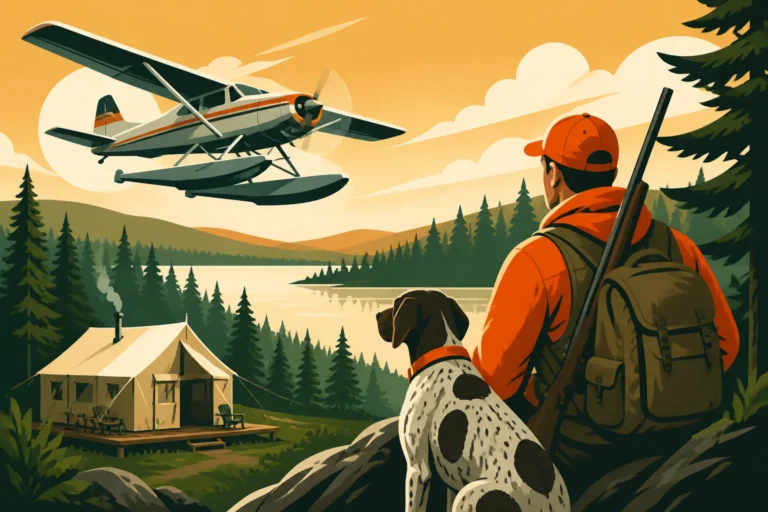
For moose, dragging is often out of the question due to their immense size and weight. Quartering is almost a necessity. You might use pack frames, ATVs, or even arrange for a float plane or boat if you're truly deep in the wilderness and near water. If you've hired a Registered Maine Guide, they'll have invaluable experience and often specialized equipment for game extraction. Planning your extraction route before the hunt can save you a world of pain and potential meat loss. Always make sure you're aware of and adhering to any ATV Rules on North Maine Woods Roads or other local transport regulations.
Finding Professional Processors Near North Woods Hubs
While many hunters enjoy the full DIY experience, sometimes time, space, or pure exhaustion dictate the need for professional help. The good news is that Maine, especially around its hunting hotbeds, has a network of excellent meat processors who understand game.
Researching Local Options
Before you ever leave home, especially if you're coming from out of state or planning a multi-day trip to a remote camp, do your homework on local processors. Look for butcher shops or specialized game processors in towns near popular North Woods access points like Millinocket, Greenville, Patten, or Ashland. A quick phone call can confirm their operating hours, game handling procedures, and what they require from you (e.g., skinned, quartered, whole). Some processors fill up quickly during peak season, especially during Maine's Four-Week Firearms Deer Season or moose season, so inquire about booking a slot or their capacity.
Don't be afraid to ask about specific cuts, sausage options, or specialty items. Many processors offer a range of services from basic cuts and wrapping to making jerky, sausage, or even smoking hams. This can add incredible value and variety to your wild game menu throughout the year. The cost will, of course, be higher than doing it yourself, but the convenience and quality of a professional job can be well worth it, especially after a grueling hunt.
What to Expect from a Butcher Shop
When you bring your animal to a processor, expect a few things. First, they'll want to see your tag and verify proper registration. They'll likely weigh the carcass (or quarters) to give you an estimate of the final meat yield. You'll discuss your preferences for cuts – steaks, roasts, burger grind, stew meat, etc. – and any additional processing like sausage making. They'll typically provide an estimated turnaround time, which can range from a few days to a couple of weeks depending on their backlog and the complexity of your order.
Most processors will package your meat in freezer-safe paper or vacuum-seal it, ready for your freezer. They'll also explain their pricing structure, often based on hanging weight or per-pound of finished product. It's important to communicate clearly what you want to avoid any misunderstandings. A reputable processor will prioritize cleanliness and proper handling to ensure you get the best possible product from your harvest. Always make sure to ask about any specific game handling requirements they have, such as whether they accept unskinned animals or if capes for taxidermy need special preparation.
DIY Processing at Camp or Home
For many hunters, the ultimate connection to their harvest comes from processing the meat themselves. It’s a rewarding, if labor-intensive, process that deepens your understanding of the animal and provides complete control over your final product.
Setting Up a Temporary Processing Area
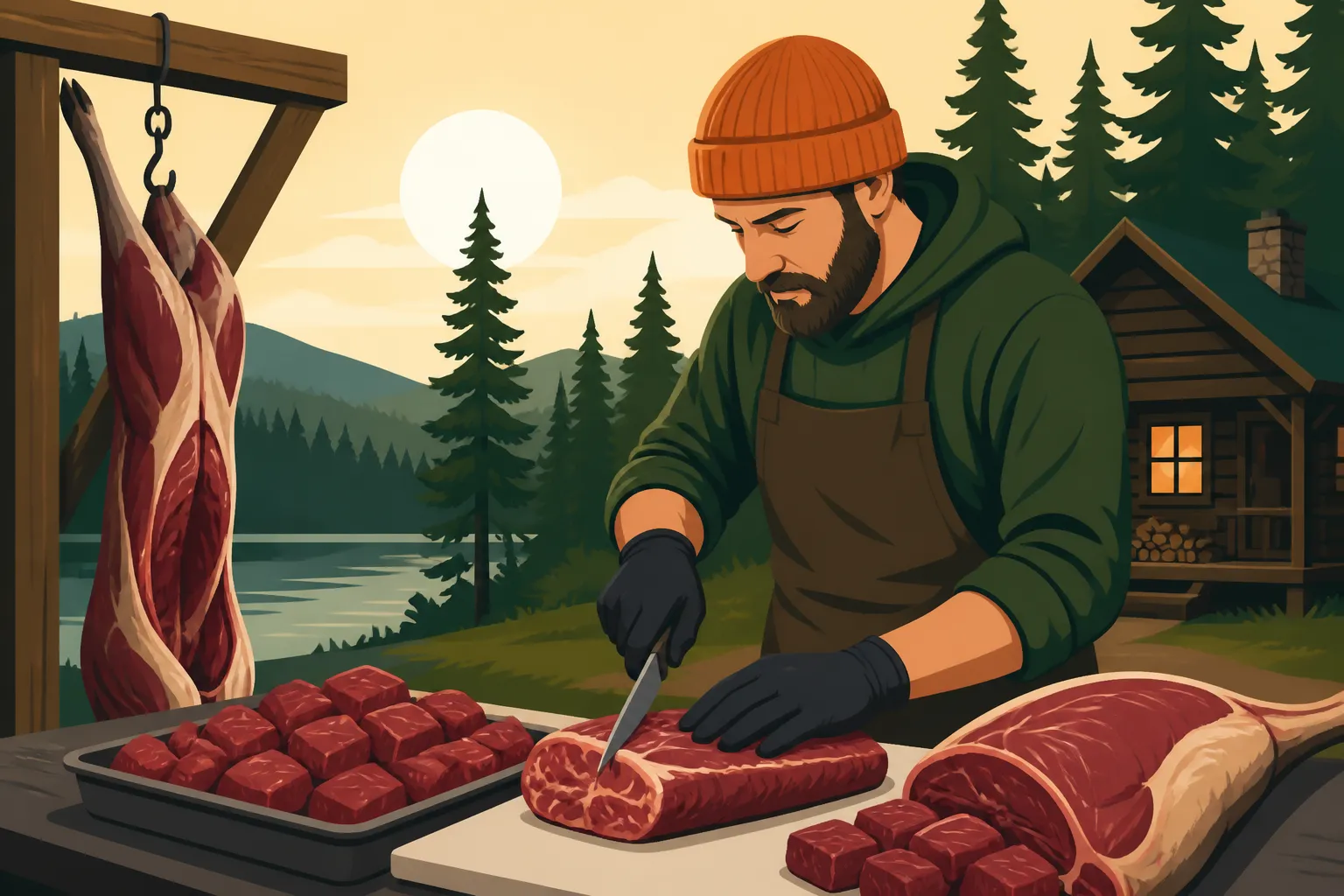
Whether you're doing it right at your North Woods camp or back in your garage, a clean, cool, and organized space is paramount. At camp, this might mean a sheltered, shaded area, perhaps a lean-to or even a large tent, where you can hang the carcass or quarters. Lay down a large tarp for easy cleanup. You'll need sturdy tables or a clean, flat surface, good lighting (especially if working after dark), and access to plenty of clean water for washing hands and tools.
Keep everything meticulously clean. Sanitize your knives, cutting boards, and work surfaces frequently. Having a designated area for waste is also important – bones and trimmings need to be disposed of properly, away from camp and any water sources. Good airflow is essential to keep the area cool, and if you can manage it, a small fan can help circulate air and deter insects. Think about how you’ll store the finished product too; you’ll need freezer space either at camp (if equipped) or for transport home.
Basic Butchering Steps and Tools
If you're taking on DIY butchering, you'll need a set of quality tools: sharp boning knives, a larger breaking knife, a meat saw (either hand or electric), a sharpening steel or stone, and a good cutting board. A grinder is also a huge asset if you plan on making burger or sausage. Don't forget freezer paper or a vacuum sealer, and the appropriate bags or wraps.
The basic steps involve breaking down the carcass into primal cuts, then further into roasts, steaks, and stew meat. This usually starts with removing the front and hindquarters, then separating the backstraps and tenderloins. You'll meticulously trim away fat, silver skin, and any bloodshot areas to ensure the best flavor. Watch online tutorials or invest in a good game butchering guide. Practicing on a smaller deer before tackling a moose can be incredibly helpful. There’s a lot of satisfaction in having every package in your freezer be exactly what you want. Butchering a Deer at Camp can give you a more granular view of this process. The learning curve is steep, but the rewards are delicious and deeply satisfying.
| Processing Method | Pros | Cons | Best For |
|---|---|---|---|
| Professional | Saves time and effort | Cost | Large game (moose), time-constrained hunters, specialty cuts/sausage |
| High-quality, consistent cuts | Less personal involvement | Those without proper tools or space | |
| DIY at Camp | Immediate control over meat quality | Requires proper tools and hygiene | Experienced hunters, remote hunts with basic facilities, smaller game |
| Deeper connection to the harvest | Can be challenging in warmer weather | Learning and self-sufficiency | |
| DIY at Home | Full control over cuts and packaging | Requires dedicated space and equipment | Hunters with a home setup, ideal for larger quantities |
| Cost-effective over time | Labor-intensive, requires knowledge | Hunters who enjoy the process, budget-conscious individuals |
Disclaimer
This article is for general informational purposes only and does not constitute professional advice. Laws, prices and regulations vary by location and change over time. Consult a qualified professional for guidance on your specific situation.