Booking a Bird Dog Guide Service
It's a dream for many upland bird hunters to experience Maine's incredible grouse and woodcock coverts, but finding birds and navigating the dense woods can be a real challenge, especially if you're hunting without a seasoned canine companion. If you've ever felt the frustration of walking miles without a flush or struggling to locate a downed bird, then you know the immense value of a good bird dog. This comprehensive guide will walk you through everything you need to know about booking a bird dog guide service in Maine, helping you turn those dreams into successful hunts.
Why a Bird Dog Guide is a Game-Changer for Maine Upland Hunting
Maine offers some of the most spectacular, yet challenging, upland bird hunting experiences in the Northeast. The thick cover, diverse terrain, and often elusive nature of grouse and woodcock can make a solo hunt feel like an uphill battle. This is precisely where a dedicated bird dog guide service steps in, transforming your experience from a hopeful stroll into a strategic and often highly successful pursuit.
The Challenge of Upland Hunting Alone in Maine
Maine's coverts are legendary for grouse and woodcock, but they are also thick, vast, and often unforgiving. Dense alders, regenerating clear-cuts, and spruce thickets can swallow birds whole, making it incredibly difficult for a lone hunter to consistently find flushes, let alone recover downed game. I've spent countless hours navigating these challenging landscapes, and let me tell you, there's a unique brand of frustration that comes with knowing birds are there but just out of reach. Without a dog to scent-track and pin birds, you often walk past opportunities or, worse, lose a hard-earned bird in the impenetrable undergrowth. It's a humbling experience that makes even seasoned hunters consider alternative approaches.
Beyond just finding birds, safely and ethically hunting Maine's upland species requires a deep understanding of their habitat and behavior. Ruffed grouse, with their explosive flushes, are masters of evasion, often putting obstacles between themselves and you the moment they burst from cover. Woodcock, on the other hand, hold tight, relying on their camouflage until the very last second, making them incredibly tough to spot before they flush. Trying to navigate these nuances on your own, while also covering ground effectively, can quickly lead to exhaustion and disappointment, especially if you're not intimately familiar with a particular piece of cover.
Consider a typical scenario: you're walking an old logging road, the perfect edge cover on either side. You know birds could be there, but are you walking fast enough to push them, or slow enough to spot them? What about those thick alder runs off to your left? Are they holding woodcock, or just empty? A solo hunter often guesses, covering less ground efficiently and burning valuable daylight. The sheer scale of huntable land in Maine means that without expert local knowledge and an efficient hunting partner, you're merely scratching the surface of what's possible.
The Unmatched Value of a Well-Trained Dog
A well-trained bird dog isn't just a companion; it's an indispensable hunting partner, an extension of your senses in the field. Watching a skilled pointer lock up on scent, or a flushing dog methodically work a thicket, is a thing of beauty and efficiency. These dogs are bred and trained for generations to do exactly this: find birds, hold them, and retrieve them. They can cover ground faster, pick up scent you'd never detect, and pinpoint birds that would otherwise remain hidden. This makes a world of difference in your success rate and, more importantly, in the overall enjoyment of your hunt.
Think about the ethical component too. A lost bird is a tragedy, and it's a gut-wrenching experience for any hunter. A good bird dog significantly reduces the chances of losing downed game, ensuring a quick and humane recovery. Their keen noses can follow a scent trail through dense cover, find a bird that's tucked itself away, or retrieve a cripple that might otherwise escape. This commitment to ethical hunting and game recovery is a cornerstone of responsible outdoor recreation, and a trained dog is your best asset in upholding it.
For those new to upland hunting, or even seasoned veterans who don't own a bird dog, hiring a guide with a top-notch canine team offers an unparalleled opportunity. You get to experience the magic of hunting over dogs without the massive time, financial, and emotional investment of training and owning your own. It's like stepping into an instant expert team, ready to hit the coverts and maximize your chances of success from the moment you step out of the truck.
Learning from the Pros: A Masterclass in Upland Hunting
Beyond the thrill of flushing birds, a guided hunt with a bird dog provides an incredible educational opportunity. A Registered Maine Guide who specializes in upland birds and uses their own dogs isn't just leading you to game; they're sharing decades of accumulated knowledge. They can teach you how to read cover, understand bird behavior, interpret dog work, and even improve your shooting technique in real-time. This isn't just a day of hunting; it's a masterclass in the art and science of upland pursuit. You'll learn about Grouse Hunting Maine Alder Runs and Woodcock Hunting Maine Covert Country from someone who lives and breathes it.
I've seen firsthand how hunters, after just one or two guided trips, develop a much deeper understanding of upland dynamics. The guide can point out why a particular strip of cover is likely to hold birds, how the wind affects scenting conditions for the dog, or why a woodcock might hold tighter in certain conditions. These subtle insights are invaluable and impossible to gain from a book or video alone. You're getting direct, practical lessons from an expert in the field, helping you become a more effective and knowledgeable hunter in the long run.
Furthermore, a good guide will not only observe your shooting habits but also offer constructive feedback to help you connect with more birds. They can suggest optimal shooting lanes, explain how to anticipate flushes, or advise on proper gun mount and swing for different scenarios. It's a chance to refine your skills under the watchful eye of an expert, making every flush a learning moment. This mentorship aspect is one of the most underrated benefits of hiring a bird dog guide service, especially for those looking to elevate their game.
What to Look For in a Maine Bird Dog Guide Service
Choosing the right bird dog guide service is paramount to a successful and enjoyable experience. It's not just about finding someone with dogs; it's about finding a professional who matches your hunting style, prioritizes safety, and knows the Maine woods like the back of their hand. Taking the time to vet potential guides will pay dividends in the field.
Experience, Reputation, and Specialization
When you're looking to book a bird dog guide service, the guide's experience and reputation should be at the very top of your list. You're not just hiring someone to walk you through the woods; you're entrusting them with your safety, your hunting success, and your overall experience. Look for guides who have been operating in Maine's upland coverts for many years, ideally specializing in grouse and woodcock. Their deep understanding of local habitat, seasonal bird movements, and specific hunting areas is invaluable. A seasoned guide will know which covers are producing, even when conditions are tough, maximizing your chances of a productive day.
Word-of-mouth is still king in the guiding world, so don't hesitate to ask for references or check online reviews. Websites like BookYourHunt or GoHunt can be good starting points for finding reputable outfitters, but always dig deeper. Look for consistent positive feedback regarding their professionalism, dog handling skills, safety protocols, and most importantly, their ability to find and work birds effectively. A guide with a stellar reputation usually earns it through consistent performance and exceptional client satisfaction.
Beyond general experience, inquire about their specialization. Some guides might do a bit of everything, from deer to bear to waterfowl. While versatile, a guide who primarily focuses on upland birds with their dogs is likely to offer a more refined and successful experience for your specific goal. They'll have a deeper understanding of Ruffed Grouse in Maine and American Woodcock in Maine, and their dogs will be specifically tuned for those species and the unique challenges of Maine's cover.
Understanding Dog Breeds and Training Philosophy
The stars of the show on a bird dog guided hunt are, of course, the dogs themselves. Don't be shy about asking your potential guide about their dogs. What breeds do they run? Are they pointers (like English Setters, German Shorthaired Pointers, or Brittanys) or flushers (like English Springers or Labrador Retrievers)? Different breeds excel at different tasks and suit different hunting styles. Pointers will locate and hold birds, allowing you to walk in for the flush, while flushers will systematically work cover, pushing birds out for you. Your preference for one style over another might influence your choice of guide.
Inquire about their training philosophy. A good guide isn't just a handler; they're a dedicated dog trainer. How do they keep their dogs sharp throughout the season? How do they introduce new dogs to the field? Are their dogs steady to wing and shot, and are they reliable retrievers? These are crucial details that speak volumes about the quality and discipline of their canine team. You want dogs that are obedient, enthusiastic, and, above all, safe to hunt over. A guide who takes pride in their dogs' training and well-being is a sign of a quality operation.
It's also worth asking about the number of dogs they typically run in a day and their rotation. Upland hunting in Maine is physically demanding for dogs, and responsible guides will often rotate their canine partners to keep them fresh and avoid overworking them. A guide who has multiple well-conditioned dogs available demonstrates a commitment to both animal welfare and maintaining a high standard of hunting efficiency throughout your trip.
Permits, Insurance, and Safety Protocols
Just like any professional service, a bird dog guide service should operate legally and safely. Always confirm that your guide is a Registered Maine Guide and holds all necessary licenses and permits to operate in the areas you'll be hunting. This ensures they meet the state's stringent requirements for professionalism, first aid, and outdoor skills. A legitimate guide will be proud to share their credentials. You can learn more about this by asking about Maine Guide License Categories Explained.
Insurance is another non-negotiable aspect. Accidents can happen in the woods, and a reputable guide will carry liability insurance to protect both themselves and their clients. Don't hesitate to ask for proof of insurance. This detail might seem minor, but it's a critical indicator of a professional and responsible operation.
Finally, discuss their safety protocols. What's their plan in case of an injury in the field? What communication devices do they carry (satellite phone, GPS, etc.)? What are their rules regarding firearm handling, safe shooting lanes, and blaze orange requirements (which are mandatory in Maine during certain seasons)? A good guide will prioritize your safety above all else, providing clear instructions and maintaining a watchful eye throughout the hunt. Knowing these protocols beforehand can give you immense peace of mind.
| Aspect of Guide Service | What to Look For | Why It Matters |
|---|---|---|
| Experience & Reputation | Multiple years guiding upland birds in Maine; positive client reviews on platforms like BookYourHunt or GoHunt; specialized in grouse/woodcock. | Ensures deep knowledge of local coverts, bird behavior, and effective hunting strategies, leading to higher success and a better overall experience. |
| Dog Quality | Well-trained, enthusiastic pointers or flushers (depending on preference); steady to wing/shot, reliable retrievers; proper dog rotation. | Directly impacts bird finding, flushing, and recovery rates; ensures an ethical and enjoyable hunt over well-behaved animals. |
| Credentials | Registered Maine Guide license, all necessary state and local permits; proof of liability insurance. | Verifies legal operation, professional competence, first-aid training, and financial protection in case of unforeseen incidents. |
| Safety Protocols | Clear instructions on firearm handling, shooting lanes, and emergency procedures; carries communication and navigation tools. | Prioritizes your well-being in potentially hazardous terrain; provides peace of mind through preparedness. |
| Communication | Responsive, clear, and detailed answers to all your questions; willingness to discuss expectations and tailor the hunt. | Sets realistic expectations for the hunt, allows you to prepare adequately, and ensures a personalized and satisfying experience. |
Understanding the Cost and What's Included in a Bird Dog Guide Service
Like any specialized service, a guided bird hunt comes with a cost. It's an investment in an experience, and understanding what you're paying for, and what you're not, is key to managing your expectations and avoiding any unpleasant surprises.
Variations in Guide Fees
Let's be realistic: hiring a professional bird dog guide service is an investment, but it's one that often pays dividends in experience and success. The cost of a guided upland bird hunt in Maine can vary significantly based on several factors. These often include the guide's experience level, the duration of the hunt (half-day versus full-day), whether it's a single hunter or a small group, and sometimes even the time of year. Prime season dates, when grouse and woodcock activity is at its peak, might command slightly higher rates due to demand.
You'll find that some guides offer a flat daily rate, while others might have tiered pricing for different numbers of hunters. It's common for these rates to be quoted per day, not per bird, so setting realistic expectations about harvest numbers is important. Remember, even with the best guide and dogs, upland hunting is inherently challenging, and there are no guarantees when it comes to wild birds. You're paying for the expertise, the dogs, the access, and the overall experience of pursuing these magnificent game birds.
When you're comparing services, don't just look at the bottom line. A slightly higher fee might mean a more experienced guide, better-trained dogs, access to prime private land, or a more comprehensive package of services. It's often a case of "you get what you pay for" in the guiding world, so evaluate the value rather than just the raw price. Think about the overall experience and what you hope to gain from the trip.
Typical Package Inclusions
Most bird dog guide services in Maine offer packages that typically include the services of the Registered Maine Guide, their trained bird dogs, and access to hunting grounds. Depending on the specific outfitter, this might include scouting done prior to your arrival, ensuring you're hunting productive coverts. Some guides will also provide transportation during the hunt, taking you between different hunting spots in their vehicle.
It's important to clarify what isn't included, as this can often be where unexpected costs arise. For example, licenses and permits, such as your Maine Hunting Licenses and What They Cost or Maine Migratory Bird Certification for woodcock, are almost always your responsibility. Ammunition, shotgun shells, and personal gear are also typically not provided. Some guides might offer lunch or snacks, while others expect you to pack your own. Always ask for a detailed breakdown of what the quoted price covers.
Many services also offer optional add-ons, such as bird cleaning and packaging after the hunt, or even lodging recommendations if you're traveling from out of state. Some may even have partnerships with local sporting camps or hotels that can provide a seamless experience. Don't assume anything; a clear conversation upfront about inclusions and exclusions will prevent any surprises down the road.
Hidden Costs and Gratuities
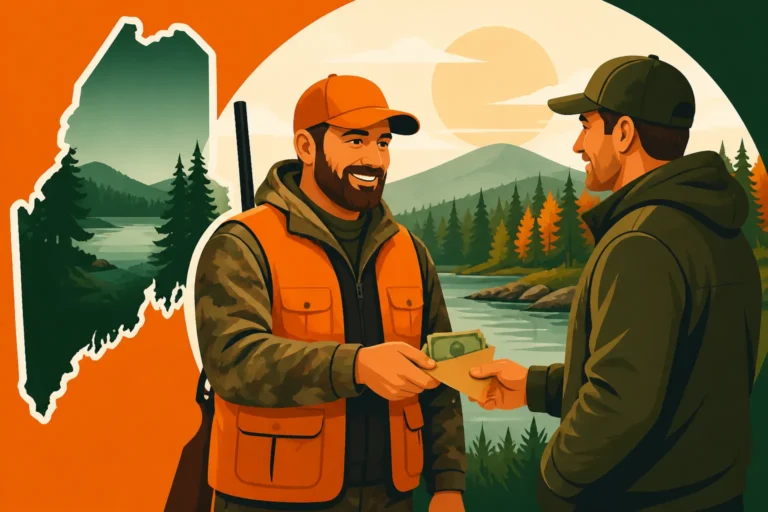
Beyond the stated package price, there are a few "hidden" costs to factor into your budget for a guided hunt. The most significant of these is often the guide's gratuity. Tipping a Maine Hunting Guide is a long-standing tradition and a way to show appreciation for their hard work, dedication, and expertise. While it's discretionary, a common guideline is 15-20% of the total trip cost for good service. It's always best to bring cash for this, as guides might not have card processing capabilities in the field.
Travel expenses to and from the hunting location, lodging, and meals not explicitly included in the package are other important considerations. If you're coming from afar, remember to factor in gas, accommodation, and restaurant bills. Don't forget the cost of your hunting license and any specific permits you might need, like a migratory bird stamp if you're targeting woodcock. Ensure you've completed your Maine Hunter Education Requirements if you're a first-time hunter.
Lastly, consider incidental expenses like extra shotgun shells you might buy, a celebratory beverage after a successful day, or souvenirs. While these aren't directly related to the guiding fee, they add to the overall cost of your trip. Having a clear understanding of all these potential expenses upfront will help you budget appropriately and avoid any financial stress, allowing you to fully enjoy your time in the Maine woods.
Booking Your Hunt: A Step-by-Step Approach
The process of booking a guided hunt can feel a bit daunting if you've never done it before. However, by breaking it down into manageable steps, you can navigate the process smoothly and confidently, ensuring you find the perfect guide for your Maine upland adventure.
Research and Initial Contact
The first step in booking your bird dog guide service is thorough research. Start by looking for Registered Maine Guides who specialize in upland birds. Online directories, state tourism websites, and hunting forums are great places to begin your search. You can also explore platforms like BookYourHunt or GoHunt, which list various outfitters and often include client reviews and detailed service descriptions. Pay attention to location – do you want to hunt northern, central, or southern Maine? Each region offers slightly different habitat and hunting experiences.
Once you've identified a few potential guides, make initial contact. Email is often a good starting point to introduce yourself, briefly explain what you're looking for (e.g., a one-day grouse and woodcock hunt for two people), and inquire about their availability and general pricing. Be polite, concise, and professional. This initial outreach allows you to gauge their responsiveness and get a feel for their communication style, which is crucial for a smooth booking process.
Don't be afraid to reach out to multiple guides. This allows you to compare services, availability, and pricing. Just be courteous and let them know if you decide to go with another service. Remember, these guides are busy professionals, especially during the hunting season, so try to book well in advance, particularly if you have specific dates in mind. Popular guides often book out months, or even a year, ahead of time.
Asking the Right Questions
Once you've narrowed down your choices, schedule a phone call with your top contenders. This is your opportunity to ask detailed questions and get a better sense of their operation and personality. Think of it as an interview, both for you and the guide. Be prepared with a list of questions, such as:
- What is your typical success rate for grouse and woodcock? (Understanding that "success" means flushes, not just harvest.)
- What kind of terrain do you typically hunt? (e.g., alders, clear-cuts, mature timber)
- How many hunters do you typically take out at once?
- What is your cancellation policy?
- Do you require a deposit, and if so, how much?
- What are your recommendations for lodging and dining in the area?
- Can you provide references from previous clients?
- What safety precautions do you emphasize?
Pay close attention to their answers. Are they clear, confident, and professional? Do they sound passionate about upland hunting and their dogs? A good guide will be happy to answer your questions thoroughly and transparently. This conversation is also your chance to discuss your specific expectations for the hunt, whether you're looking for a high-volume shooting opportunity or a more relaxed experience focused on dog work. Remember to refer to Questions to Ask a Maine Outfitter for a more comprehensive list.
This is also a good time to clarify any dietary restrictions or physical limitations you might have. A good guide will work with you to ensure your hunt is enjoyable and safe. Open and honest communication upfront will prevent misunderstandings and ensure the guide can tailor the experience to your needs.
Confirming Your Reservation
Once you've made your decision, confirm your reservation in writing. This could be an email summarizing the agreed-upon dates, services, costs, and any specific arrangements. Many guides will also send you a formal booking agreement or contract that outlines these details, including their deposit and cancellation policies. Read this document carefully before signing and paying any deposit.
Most guides will require a non-refundable deposit to secure your dates. Understand the terms of this deposit: under what circumstances is it transferable or refundable? What happens if you need to cancel, or if extreme weather forces a rescheduling? Having these details in black and white protects both you and the guide. Ensure you understand Maine Outfitter Cancellation and Weather Policies.
After confirming, mark your calendar, and begin your preparations! The guide might send you a list of recommended gear, directions to the meeting spot, and a reminder about licenses. Take this information seriously. A well-prepared hunter contributes to a successful and enjoyable trip for everyone involved.
Preparing for Your Guided Upland Bird Trip
You've done the research, booked your guide, and now the excitement is building! But a successful guided hunt isn't just about showing up. Proper preparation, both in terms of gear and physical conditioning, will significantly enhance your experience and ensure you can make the most of your time in the Maine woods.
Essential Gear and Clothing
Even though your guide will provide the dogs and expertise, you're responsible for your personal hunting gear. Maine's upland coverts can be brutal on clothing, so durability and functionality are key. Think layers, as fall weather can be unpredictable, swinging from crisp mornings to warm afternoons. Blaze orange is paramount for safety, and often legally required, so ensure you have sufficient How Much Blaze Orange Maine Requires. A good upland vest or game bag with plenty of shell loops and a large bird pouch is essential for carrying your shells, water, snacks, and any birds you harvest.
Footwear is another critical consideration. You'll be walking many miles over uneven, wet, and brushy terrain. Waterproof, sturdy boots with good ankle support are non-negotiable. I've seen too many hunts cut short by blisters or twisted ankles because of inadequate footwear. Also, consider briar-proof chaps or pants to protect your legs from thorns and thick brush. A quality shotgun that you are comfortable and proficient with is, of course, a must, along with plenty of appropriate ammunition – typically 7 1/2 or 8 shot in 20 or 12 gauge.
Don't forget smaller items like a compass or GPS (even if the guide has one, it's good practice to carry your own), a small first-aid kit, insect repellent (even in fall, ticks can be present), and plenty of water. Maine is known for its beautiful but challenging landscape, so being properly equipped makes all the difference in your comfort and endurance throughout the day.
Physical Preparation for the Maine Woods
Upland bird hunting in Maine is not a stroll in the park. It's physically demanding, often involving navigating steep hills, crossing boggy areas, and pushing through dense brush. Many hunters underestimate the exertion involved. To truly enjoy your guided trip and keep up with the dogs and guide, some level of physical preparation is highly recommended. Regular walks, hikes, or cardio workouts in the weeks leading up to your hunt can make a significant difference in your stamina and comfort.
Consider simulating hunting conditions in your workouts. If you have access to uneven terrain, practice walking with your hunting boots and a weighted vest to build endurance. The ability to quickly mount your gun and swing on a fast-flushing bird also requires a certain level of agility and upper body strength. Don't let a lack of physical conditioning detract from what should be an incredible experience.
Hydration and nutrition during the hunt are also critical. Bring plenty of water and energy-boosting snacks. Listen to your body and communicate any fatigue or discomfort to your guide. A good guide will understand and adjust the pace if needed. Being physically prepared allows you to focus on the hunt itself, the dogs, and the incredible Maine scenery, rather than struggling with exhaustion.
Communicating Expectations and Being a Good Client
Before you even step into the woods, have a frank conversation with your guide about your expectations for the day. Are you primarily focused on harvesting birds, or is the experience of watching good dog work, learning about the habitat, and simply being outdoors your main goal? Knowing this helps the guide tailor the hunt to your preferences. For example, if you're a new hunter, they might focus more on instructional aspects and slower-paced hunting.
Being a good client also means being punctual, respectful of the guide's time and expertise, and listening carefully to their instructions. They know the land, the birds, and their dogs better than anyone. Follow their lead, particularly regarding shooting lanes and safety. Remember that you are a guest in their "office" and often on private land that they've worked hard to secure access to.
Finally, be realistic about the harvest. Upland hunting for wild birds is never a guarantee. There will be missed shots, wary birds, and slow periods. Focus on the total experience: the camaraderie, the dogs, the beautiful Maine woods, and the thrill of the flush. A positive attitude, regardless of the bag count, goes a long way in making the day enjoyable for everyone. And when the day is done, remember the long tradition of Tipping a Maine Hunting Guide.
Booking a bird dog guide service in Maine isn't just about bagging birds; it's about immersing yourself in a rich hunting tradition, witnessing the incredible partnership between human and dog, and gaining invaluable experience in some of the most beautiful upland coverts in the country. By doing your research, asking the right questions, and preparing properly, you're setting yourself up for an unforgettable adventure. Whether you're a seasoned wingshooter or new to the sport, the expertise of a Registered Maine Guide and their dedicated canine companions will undoubtedly elevate your Maine upland hunting experience to a whole new level.
Disclaimer
This article is for general informational purposes only and does not constitute professional advice. Laws, prices and regulations vary by location and change over time. Consult a qualified professional for guidance on your specific situation.