How Much Blaze Orange Maine Requires
There's a lot of chatter out there about blaze orange requirements, and honestly, it can get pretty confusing. You hear different things from different folks, and when you're headed into the Maine woods, the last thing you want to worry about is whether you're legal – and more importantly, safe. This guide is all about clearing up that confusion, giving you the straight facts on exactly how much blaze orange Maine requires, when it's necessary, and why it's so critical for everyone's safety in our beautiful, wild state.
The Essential Maine Blaze Orange Rule: What to Wear and When
Safety in the Maine woods isn't just about knowing your target or handling your firearm properly; it's fundamentally about being seen. Maine's blaze orange regulations are designed with this core principle in mind, ensuring that hunters are highly visible to one another, especially during the busiest times of the year. It's a simple, yet incredibly effective, way to prevent tragic accidents.
Maine's Two-Part Requirement for Visibility
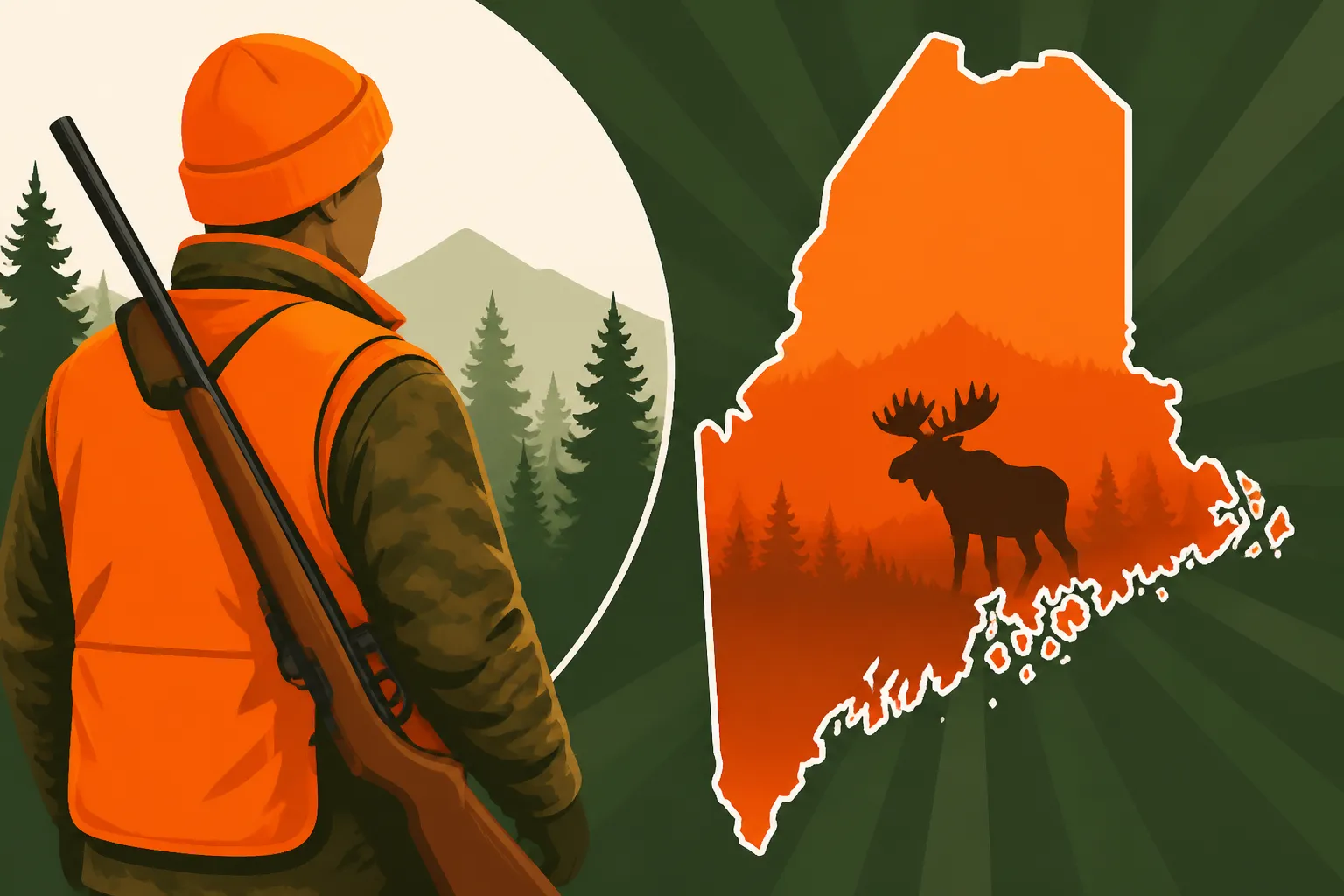
When you're out hunting in Maine during specific seasons, the law is pretty clear: you need to display two distinct articles of solid hunter orange or blaze orange clothing. This isn't just a suggestion; it's a mandatory safety measure. Think of it as your personal beacon in the wilderness. One of these articles must be a hat, covering your head, and the other needs to be an outer garment, like a jacket, vest, or coat. The key here is "solid" and "visible from all sides." You can't just have a small patch; it needs to be a substantial piece of clothing.
Why two items? Well, imagine you're walking through thick cover, or maybe you've got a backpack on. A single hat might be obscured by branches, or a vest could be hidden by your pack. By requiring both a hat and an outer garment, Maine greatly increases your visible profile from every angle. It's about redundancy in safety, making sure that even if one part of your orange is temporarily out of sight, another portion is still screaming "human!" to anyone else in the vicinity. And critically, these items must be in "good and serviceable condition." That means no faded, tattered, or mud-caked orange that blends into the autumn leaves. It needs to be bright, vibrant, and unmistakable.
Mandatory Seasons for Firearms Hunters
Now, let's talk about when this blaze orange rule is non-negotiable. The most crucial time is during any firearms deer season. This includes the entire Maine's Four-Week Firearms Deer Season, the special Maine Youth Deer Hunt Rules weekend, and the equally important Hunting the Maine Resident-Only Day. If you're carrying a firearm and deer hunting during these periods, you absolutely must be wearing your blaze orange hat and outer garment. There's no wiggle room here. The woods are bustling with activity, and visibility is your best defense.
But the requirement isn't solely limited to deer hunting. If you're out pursuing other species, like bear or moose, and you're carrying a firearm during any of these designated firearms deer seasons, you also fall under the blaze orange mandate. It's not about what you're targeting; it's about the presence of firearms and the heightened activity in the woods during those specific weeks. So, if you're lucky enough to draw a moose permit and your hunt overlaps with the firearms deer season, don't forget your orange! Knowing the exact dates for Maine Firearms Season Dates is paramount to ensure you're compliant and, most importantly, safe.
When You Can Set Aside the Orange
While safety is always a priority, Maine's regulations do have specific exceptions where blaze orange isn't required by law. These typically involve seasons or hunting methods where the risk profile is different, or where camouflage is essential for success. For instance, during Maine's regular archery-only season or when you're Hunting Maine's Expanded Archery Zones, you won't typically see archers decked out in bright orange. Bowhunting often relies on stealth and close-range encounters, making camouflage a necessity.
Similarly, if you're a passionate bird hunter pursuing waterfowl, like when you're Decoying Eiders Off the Maine Coast or Hunting Scoters in Maine's Open Water, blaze orange is not required. Imagine trying to hide in a blind from wary ducks while wearing a fluorescent vest – it just wouldn't work! The same goes for turkey hunting, whether it's Spring Turkey Hunting in Maine or Hunting Maine's Generous Fall Turkey Season. Turkeys have incredible eyesight, and blaze orange would be a guaranteed bust. For those engaged in trapping activities, the blaze orange requirement also doesn't apply. However, even in these exempt scenarios, many responsible hunters will carry a blaze orange vest in their pack, ready to throw it on if they're moving through an area with other firearms hunters or if they retrieve an animal and need to be seen. It's always about choosing safety, even when the law doesn't explicitly demand it.
Decoding the "50% Surface Area" and Proper Display
It's not enough to just have two articles of blaze orange. Maine's law goes a step further, specifying the amount of orange that needs to be visible. This detail is often overlooked but is crucial for effective visibility and compliance. It's about ensuring that your chosen gear actually does the job it's intended for: making you impossible to miss.
Maximizing Your Visibility: The 50% Rule
The devil, as they say, is in the details, and for Maine's blaze orange law, that detail is the "50% surface area" rule. The regulation states that at least "50% of the surface area of the clothing must be solid blaze orange or blaze pink." This isn't just some arbitrary number; it’s a critical component of ensuring maximum visibility. What it means is that your hat can't just have an orange band, nor can your vest be a camouflage pattern with just a few orange splotches. The material itself must be substantially and predominantly blaze orange or blaze pink.
Think about it this way: a small orange patch on a camouflaged hat might be good for a company logo, but it won't effectively break up your human form and draw the eye of another hunter in dense cover. The 50% rule ensures that a significant portion of your visible body mass is covered in that unmistakable bright color. This influences the type of gear you should be looking for – full blaze orange vests that wrap around your torso, and solid orange hats that clearly stand out against any background. It’s about creating an unbroken, highly noticeable signal that says, "I'm a human, not a deer."
Strategic Placement for Maximum Safety
Beyond the amount, where you wear your blaze orange is equally important. The law specifies a hat and an outer garment, and both need to be "visible from all sides." This requires a bit of thoughtful consideration in the field. For example, if you're wearing a large hunting backpack, it might obscure the back of your blaze orange vest or jacket. In such cases, some hunters will wear a second blaze orange vest over their pack to ensure continuous 360-degree visibility.
Consider also the act of still-hunting or sitting in a ground blind. If your blind is fully enclosed, you might need to ensure your orange is still visible through openings, or consider a blaze orange panel on the blind itself (where legal). When you're out walking, branches and terrain can momentarily hide you. Always be mindful of your profile. If you're shedding layers because you've worked up a sweat, make sure your remaining outer layer still meets the blaze orange requirements. It's a dynamic consideration throughout your hunt, not just something you put on at the truck.
Blaze Pink: An Inclusive and Effective Alternative
In recent years, Maine has embraced an alternative that offers the same critical safety benefits: blaze pink. Confirming that "blaze pink is an acceptable alternative to blaze orange," the law ensures that hunters have options without compromising on safety. This wasn't just a stylistic choice; studies have shown that blaze pink is just as visible, if not more so, in certain natural light conditions, particularly for those with red-green color blindness.
The introduction of blaze pink has been widely welcomed by many, promoting inclusivity in the hunting community. It provides a choice for those who prefer it, while maintaining the paramount goal of visibility. So, whether you opt for the traditional blaze orange or the vibrant blaze pink, rest assured that either color fulfills Maine's legal requirements for hunter safety. The most important thing is that whatever color you choose, it adheres to the 50% surface area rule and is displayed prominently.
Beyond the Law: Best Practices and Compliance
Meeting the legal requirements for blaze orange is your baseline, but truly safe hunting in Maine goes beyond simply checking boxes. It involves a commitment to ongoing education, understanding your surroundings, and fostering a culture of safety for everyone who enjoys the outdoors.
Staying Current with Maine's Regulations
Maine's hunting laws are designed to keep hunters and other outdoor enthusiasts safe, but they aren't static. Regulations can, and sometimes do, change from year to year. That's why it's absolutely crucial to stay informed. The best place to start is always the official Maine Department of Inland Fisheries and Wildlife (MDIFW) website and their annual hunting law book or digest. These resources provide the most accurate and up-to-date information on all regulations, including those pertaining to blaze orange. You might remember completing Maine Hunter Education Requirements – that's a foundational step, but ongoing self-education is key.
Beyond official publications, many hunters find digital tools incredibly helpful. Apps like GoHunt offer comprehensive access to regulations, maps, and other critical information right on your phone, making it easier than ever to double-check rules while you're in the field. Local sporting goods stores are also invaluable resources, as their staff often have firsthand knowledge of current regulations and can offer practical advice. Never rely solely on hearsay; always consult official sources or trusted platforms to ensure you're fully compliant.
General Safety for All Outdoor Users
While blaze orange is a legal requirement for firearms hunters during specific seasons, its benefits extend to everyone who ventures into the Maine woods. Hikers, mountain bikers, bird watchers, and even dog walkers should seriously consider wearing blaze orange or pink, especially during the peak firearms deer season. You might not be hunting, but you're sharing the landscape with those who are. Making yourself highly visible is a simple, effective step to ensure your own safety.
For those of us who bring our furry companions into the woods, a blaze orange vest for your dog is a smart investment. It protects them from being mistaken for game and makes them easier to spot if they range ahead. Maine has a unique tradition of implied permission on private land, which means many landowners generously allow access for recreation. This makes it even more important for all outdoor users to be visible and respectful, upholding the spirit of safety that protects this privilege. When we all take responsibility for being seen, we create a safer environment for everyone.
The Real-World Impact of Non-Compliance
Ignoring Maine's blaze orange requirements isn't just about risking a fine or other legal penalties, though those are certainly consequences to avoid. The true impact of non-compliance is far more serious: it dramatically increases the risk of a hunting accident. Every year, across the country, incidents occur because a hunter failed to properly identify their target or didn't see another person in their line of fire. Blaze orange is our primary defense against these tragedies.
When you fail to wear adequate blaze orange, you're not just putting yourself at risk; you're endangering every other person in the woods. It's a core ethical responsibility we bear as hunters to be identifiable and to actively contribute to a safe hunting environment. Our ability to continue enjoying Maine's rich hunting heritage depends on every individual upholding these safety standards. It’s a testament to the fact that when we talk about safety, we're really talking about life and limb – and that's a conversation that can never be taken lightly.
Gear Choices and Overlapping Seasons
Choosing the right blaze orange gear is more than just grabbing the first orange item you see. It involves considering functionality, comfort, and how it performs across different hunting scenarios, especially when multiple seasons overlap. Smart gear choices help you stay compliant and comfortable throughout your hunt.
Choosing the Right Blaze Orange Gear
When it comes to selecting your blaze orange or blaze pink gear, think practicality and durability. For hats, options range from warm knit beanies perfect for chilly November mornings to lightweight baseball caps suitable for milder days. The key is that they are solid in color and visible from all angles. For your outer garment, vests are a popular choice because they can be easily donned over existing layers, making them adaptable to changing temperatures. Jackets that incorporate blaze orange are also excellent, often providing built-in warmth and weather protection.
Material matters too. Look for performance fabrics that are breathable to prevent overheating during active hunts, yet durable enough to withstand snags from brush and general wear and tear. A critical, often overlooked, aspect is maintaining your gear. Faded, dirty, or stained blaze orange loses its effectiveness. Regularly wash your gear according to manufacturer instructions, and replace it if the color significantly dulls over time. Your gear is a safety tool, so treat it with the same care you would your firearm.
Navigating Overlapping Seasons
One of the complexities of hunting in Maine is the overlap of various seasons, particularly during the firearms deer season. For instance, if you're pursuing Upland Bird and Small Game Hunting in Maine, like grouse or snowshoe hare, and it's concurrently the firearms deer season, you must still wear the required blaze orange. Even if your primary target doesn't require it in its own dedicated season, the presence of firearms deer hunters dictates the safety attire for everyone in the woods.
This means you need to be acutely aware of which seasons are open simultaneously. A quick check of the MDIFW regulations or a reliable app like GoHunt will confirm all open seasons for your hunting date and Wildlife Management District (WMD). It's not uncommon for a grouse hunter with a pointing dog to be out during the deer season; in that case, both the hunter and the dog need to be wearing blaze orange to ensure visibility and safety. The rule of thumb is: if firearms deer season is open, assume blaze orange is required for anyone hunting with a firearm.
Practical Tips for Visibility in the Field
Maximizing your visibility in the field often comes down to small, thoughtful actions. One excellent tip is to carry an extra blaze orange vest or hat in your pack. This becomes invaluable if you shed a primary layer due to exertion, or if a hunting partner needs a spare. When you harvest an animal, especially a deer, resist the urge to drape your orange vest over it for a photo. Keep your orange on your person until you are safely out of the hunting area. If you're dragging a deer, consider having a blaze orange marker on the animal itself, or on the sled you're using, to make it even more obvious to other hunters.
Another consideration is how you position yourself in a tree stand or ground blind. Ensure that your blaze orange profile is not obscured by the stand's platform, the blind's walls, or dense foliage. If you're using a ground blind, many now come with blaze orange strips or panels that can be displayed. Ultimately, these practical considerations are about being proactive. You’re not just following a rule; you’re actively participating in preventing accidents and ensuring everyone, including yourself, returns home safely.
| Season/Activity | Blaze Orange Required? | Specific Requirements |
|---|---|---|
| Firearms Deer Season (Regular, Youth, Resident-Only Day) | YES | Two articles: one solid blaze orange/pink hat, one solid blaze orange/pink outer garment (vest, jacket, coat). Both must be in good condition, visible from all sides, with at least 50% solid surface area. |
| Archery Deer Season (Regular, Expanded) | NO (but recommended for safety) | Not legally required, as stealth and camouflage are essential for bowhunting. |
| Bear Hunting (with firearm during firearms deer season) | YES | Same requirements as firearms deer season: two articles of solid blaze orange/pink. |
| Bear Hunting (with firearm outside firearms deer season) | NO | Not legally required. |
| Moose Hunting (with firearm during firearms deer season) | YES | Same requirements as firearms deer season: two articles of solid blaze orange/pink. |
| Moose Hunting (with firearm outside firearms deer season) | NO | Not legally required. |
| Turkey Hunting (Spring/Fall) | NO | Camouflage is typically used for turkey hunting. |
| Waterfowl Hunting (Ducks, Geese) | NO | Camouflage is typically used for waterfowl hunting. |
| Small Game Hunting (during firearms deer season) | YES | If hunting small game with a firearm during the open firearms deer season, two articles of solid blaze orange/pink are required. |
| Small Game Hunting (outside firearms deer season) | NO | Not legally required. |
| Trapping | NO | Not legally required. |
| Non-Hunting Activities (Hiking, Dog Walking, etc.) | NO (but highly recommended) | No legal requirement, but wearing blaze orange/pink greatly enhances safety and visibility for all outdoor users, especially during firearms hunting seasons. Consider an orange vest for pets as well. |
Disclaimer
The information provided in this guide is for informational purposes only and is based on current Maine hunting regulations. Hunting laws and regulations are subject to change. Always consult the official Maine Department of Inland Fisheries and Wildlife (MDIFW) website and the most current hunting law book before engaging in any hunting activities to ensure full compliance. Safety is paramount; be informed and hunt responsibly.