Weather Cancellations on a Sea Duck Charter
There's nothing quite like the anticipation of a sea duck hunting trip along the rugged Maine coast, picturing those eiders, scoters, and long-tailed ducks flying low over the waves. But the reality is, Maine's coastal weather can be as unpredictable as a rogue wave, and nothing dashes those dreams faster than a charter captain calling off the hunt due to unsafe conditions. This guide will walk you through the ins and outs of weather cancellations on a Maine sea duck charter, helping you understand why they happen, what to expect, and how to best prepare so your hard-earned time and money aren't completely lost.
Understanding Maine's Coastal Weather for Sea Duck Hunting
Maine's coastline is absolutely breathtaking, but it's also a place where the weather can turn on a dime, especially in the fall and winter when sea duck seasons are in full swing. This isn't your calm lake duck hunting; this is the raw, untamed ocean, and it demands respect.
The Unpredictability of Ocean Conditions
Coastal Maine weather is a complex mix of atmospheric pressure systems, ocean currents, and geographical features that can create highly localized and rapidly changing conditions. One minute it might be clear and relatively calm, the next you could have a squall blowing in with heavy seas. For sea duck hunting, particularly when you're headed offshore to set decoys or hunt from a layout boat, flat, calm water is rarely the case, but there’s a distinct difference between "choppy" and "unsafe." Experienced hunters know that a truly successful sea duck trip often hinges on finding that sweet spot of weather that's just enough to keep the birds moving but not so much that it's dangerous or impossible to hunt effectively.
It's not just about the big storms either. Sometimes a seemingly mild day on land can translate into brutally cold winds and significant swells a few miles offshore. The captain's knowledge of these microclimates and how they interact with different wind directions is paramount. They're constantly monitoring marine forecasts, buoy data, and local observations, far beyond what you might see on a general weather app, because a slight change in wind direction can completely alter the sea state in specific coves or ledges.
Impact of Wind, Waves, and Fog on Charters
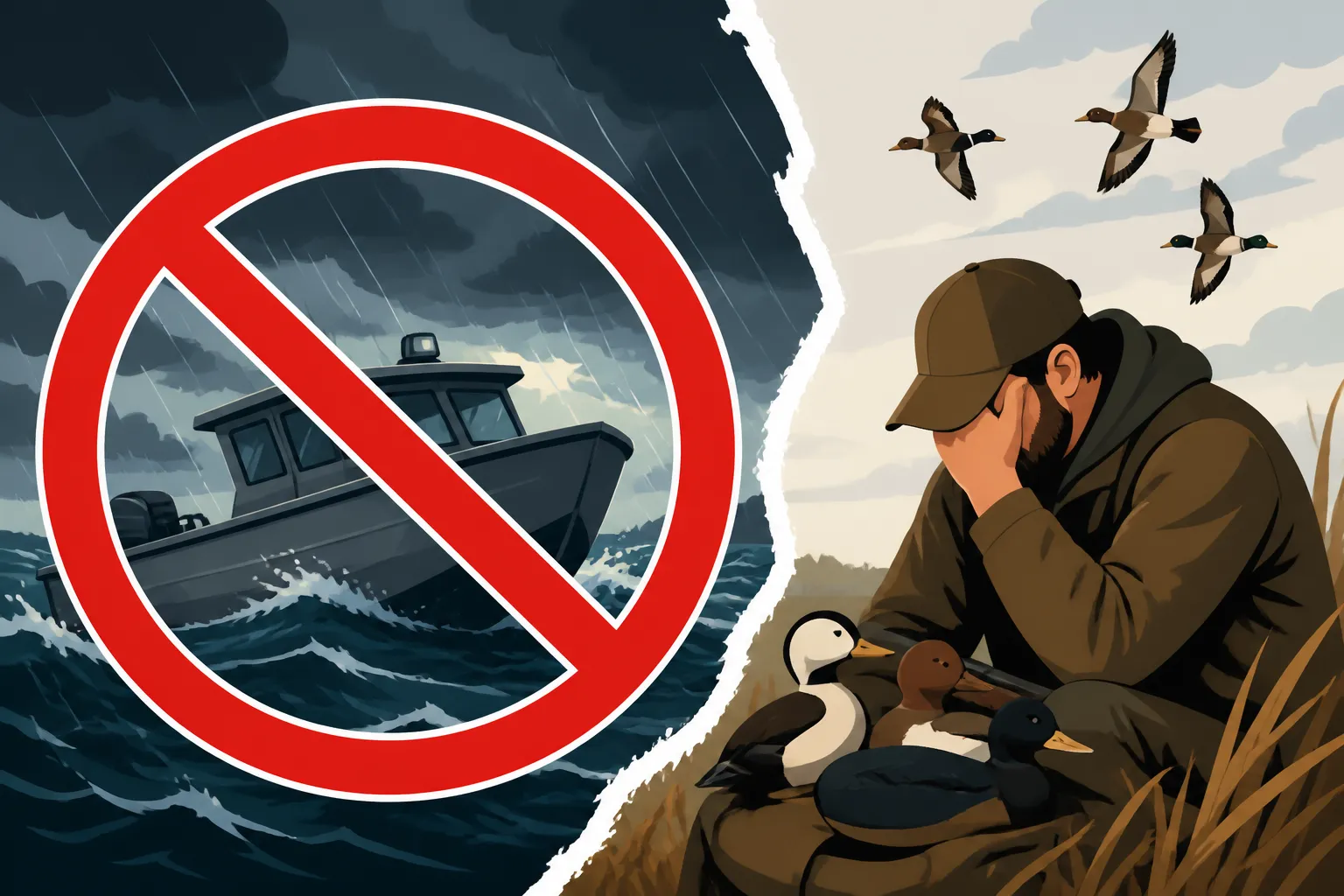
When a sea duck charter is canceled, it's almost always due to one of these three primary factors, or a combination thereof.
- Wind: High winds are probably the number one reason for cancellations. Sustained winds over 15-20 knots can quickly whip up dangerous whitecaps and swells, making it incredibly difficult to navigate, safely deploy and retrieve decoys, or even hold a layout boat steady. Imagine trying to shoot accurately from a rocking boat in freezing conditions with gale-force gusts; it's not just uncomfortable, it's genuinely dangerous. Wind chill can also drop temperatures to dangerously low levels, increasing the risk of hypothermia for hunters and guides alike, even with the best cold-weather gear. Decoying Eiders on a Falling Tide or Hunting Scoters From a Sea Duck Boat both depend on relatively manageable winds.
- Waves/Swell: Directly related to wind, large waves or ocean swell can make travel to hunting grounds treacherous and the actual hunting impossible. Getting repeatedly slammed by waves, taking green water over the bow, or dealing with breaking waves around ledges are scenarios no reputable captain will risk. It's not just about getting wet; it's about capsizing, hypothermia, and the risk of hunters or gear going overboard in frigid waters.
- Fog: While less common than wind and waves, dense fog can also shut down a trip. Visibility is critical for safe navigation, especially when operating around rock outcroppings, other boat traffic, and the ever-present lobster traps. If the fog is so thick that the captain can't safely navigate to the hunting grounds or ensure the safety of everyone on board, they will call it off. It can also make it impossible to spot incoming birds, rendering the hunt ineffective even if it were safe to proceed.
It’s important to remember that these aren't just inconveniences; they're genuine safety hazards. A good captain will always prioritize the safety of their passengers and crew over getting a day's hunt in.
Charter Captain's Role in Decision-Making
When you book a Booking a Maine Sea Duck Charter, you're not just paying for access to hunting grounds; you're paying for the captain's expertise in marine navigation, sea duck behavior, and, most importantly, safety. Their decision to cancel is never taken lightly.
Safety First: Non-Negotiable Decisions
Maine's coast is beautiful but unforgiving. The captain of your sea duck charter is a licensed professional, and their primary responsibility is the safety of everyone on board. This isn't just a courtesy; it's a legal and ethical obligation. They know the capabilities of their vessel, the local waters, and the potential dangers far better than anyone else. If they determine conditions are unsafe—whether it's high winds, heavy seas, or thick fog—they will cancel the trip. Period. This decision is often made after careful consideration of multiple weather forecasts, radar, and their own real-time observations of the ocean.
Think of it this way: no amount of birds in the air is worth risking lives or equipment. A canceled trip is disappointing, but a tragic accident is devastating. Captains often live and work in these coastal communities, and their reputation, business, and conscience depend on making sound safety decisions. They've likely seen conditions turn ugly faster than any forecast predicted, and they've learned to err on the side of caution. It's a sign of a professional and responsible guide, not someone trying to shortchange you on a hunt.
Communication Protocols Before the Hunt
Good communication is key to managing expectations and dealing with potential cancellations. Reputable sea duck charter captains in Maine will typically have a clear protocol for communicating weather-related decisions.
- Pre-Trip Communication: Most captains will reach out a few days before your scheduled hunt to discuss the forecast and outline their communication plan. They might tell you to expect a final decision 24-48 hours before the trip, or they might monitor things hourly and give you updates.
- Real-time Updates: If the weather is looking dicey, expect a call or text from your captain. They will usually explain why they're making a particular decision, whether it's to push back the start time, move to a more sheltered location, or cancel entirely. Don't be afraid to ask questions, but respect their final call. They're often losing a day's income just as you're losing a day's hunt, so the decision isn't made lightly.
- Flexibility on Your End: As a hunter, it's wise to be somewhat flexible, if your schedule allows. Sometimes, a morning of heavy fog might burn off, allowing for an afternoon hunt, or a slight shift in wind could make a previously unsafe area huntable. However, don't pressure your captain to go out in conditions they deem unsafe. Their "no" means "no."
For nonresidents coming a long distance, this communication is especially crucial. Imagine driving all the way from Pennsylvania or New York only to find out the morning of your hunt that it's canceled. Clear communication beforehand can save you that frustration and allow you to adjust your travel plans if possible. Websites like BookYourHunt and GoHunt often provide platforms where guides can outline their policies and communication styles, which can be helpful when choosing an outfitter.
Navigating Cancellation Policies and Rebooking
A canceled trip isn't just about the disappointment; it's also about what happens to your deposit or full payment. Understanding your charter's policy before you book is vital.
Typical Refund and Rebooking Options
Every sea duck charter captain and outfitter will have their own specific cancellation policy, but there are common themes you'll encounter. Always make sure you understand this policy thoroughly before you put down a deposit.
Here's a breakdown of what you might typically see:
| Policy Type | Description | Common Scenario | What to Expect |
|---|---|---|---|
| Full Refund | If the captain cancels due to unsafe weather, you receive your entire payment back. | Unsafe high winds, heavy seas, or dense fog. | Most common and fair policy for legitimate weather cancellations. |
| Reschedule Only | The charter offers to rebook your trip for another available date, but no refund is given. | Marginal weather that might clear, or a preference for guaranteed future business. | Requires flexibility on your part. Ensure the rebooked date works for you. |
| Partial Refund | Less common for pure weather cancellations, but might occur if a portion of the trip (e.g., a multi-day hunt) is completed before conditions worsen. | Day one fished, day two canceled due to weather. | Clarify the calculation for the partial refund. |
| No Refund/No Reschedule | Highly unusual and generally a red flag if the captain cancels due to weather. This might apply if you cancel last minute for non-weather reasons or "no-show." | Hunter cancels last minute or fails to show up. | Read the fine print carefully. If a captain won't refund for their weather cancellation, look for another outfitter. |
| Deposit Applied to Future Trip | Your initial deposit is held and can be applied to a future booking, even if you can't reschedule immediately. | Similar to reschedule, but gives you more time to find a new date. | Good if you intend to book with that captain again; less ideal if you don't know when you can return. |
Always get the cancellation policy in writing, or at least clearly outlined on their website or in your booking confirmation. If you're using a booking platform like BookYourHunt or GoHunt, their terms might also have a say in how cancellations are handled, so double-check those as well. When considering What a Sea Duck Charter Costs, remember that a clear, fair cancellation policy is part of that value.
Preparing for a Potential Cancellation
While you can't control the weather, you can certainly prepare for the possibility of a canceled trip.
- Build in Buffer Days: If you're traveling a long distance, consider adding an extra day or two to your trip, if possible. This way, if your initial hunt day is canceled, you might have the flexibility to reschedule for the next day or two, assuming the weather improves. This is especially useful if you're planning a Booking a Multi-Day Sea Duck Trip.
- Have a Backup Plan: What will you do if your hunt is called off? Maine offers plenty of other activities. Perhaps you can explore a coastal town, visit a museum, or try some freshwater fishing. Having an alternative plan can turn disappointment into a new adventure.
- Travel Insurance: For significant expenses, especially for nonresidents traveling by air, consider travel insurance that covers trip cancellations due to weather. Read the policy details carefully to understand what is and isn't covered, as not all policies are created equal. Some insurance might cover non-refundable flights and accommodation but not necessarily the charter fee itself, depending on the charter's policy.
- Confirm Directly: Always confirm directly with your captain or outfitter the day before your trip, especially if the forecast looks questionable. Don't rely solely on automated emails or general weather apps. A quick phone call can provide peace of mind or prepare you for a change.
Remember, the goal is to enjoy your time in Maine, whether you're out hunting sea ducks or experiencing something else the state has to offer. Being prepared for a cancellation helps mitigate the frustration.
Maximizing Your Maine Sea Duck Hunting Experience (Despite Weather)
It might seem counterintuitive to talk about maximizing your experience when discussing cancellations, but a prepared mindset and realistic expectations are vital for enjoying Sea Duck Hunting the Maine Coast.
Flexibility and Realistic Expectations
One of the biggest keys to a successful hunting trip, especially when dealing with something as unpredictable as sea duck hunting in Maine, is flexibility. If you go into the trip with rigid expectations that everything will go perfectly, you're setting yourself up for disappointment.
- Embrace the Journey: Sometimes the best stories come from the unexpected turns. Maybe your sea duck hunt is canceled, but you end up having an incredible meal at a local seafood shack or spotting some wildlife you wouldn't have otherwise seen. Maine is full of adventure, even off the water.
- Understand the "Why": When a captain cancels, try to understand their reasoning. They're not doing it to spite you. They're making a calculated decision based on safety and the likelihood of a successful, enjoyable hunt. Acknowledging that can help manage any frustration. For instance, knowing the Maine Sea Duck Coastal Zone Line can give you an idea of how exposed the planned hunting area is.
- Be Patient: Sometimes weather delays are just that—delays. A storm might blow through, and conditions could improve later in the day, allowing for a condensed hunt. Being patient and adaptable can sometimes salvage a partial trip. This is particularly true for Hunting the Split Sea Duck Season, where different dates can offer varied weather challenges.
Ultimately, a flexible attitude makes for a more enjoyable experience, regardless of the weather's whims.
Researching Reputable Outfitters and Their Policies
Choosing the right outfitter is your best defense against negative cancellation experiences. A reputable guide won't just keep you safe; they'll also have clear, fair policies and excellent communication.
- Check Reviews and References: Look for guides with consistent positive reviews, specifically mentioning their professionalism, safety consciousness, and communication. Websites like BookYourHunt or GoHunt often feature reviews from past clients. A guide's reputation is their livelihood, so they'll work hard to maintain it.
- Inquire About Specific Policies: Don't be shy about asking direct questions about their weather cancellation policy before you book. Get specifics: Is it a full refund? Reschedule only? How far in advance is the decision usually made? What's the process for getting your money back or rebooking?
- Trust Your Gut: If a guide seems overly dismissive of weather concerns, or if their policies are vague or seem too good to be true, consider it a red flag. A good guide will instill confidence, not apprehension.
- Consider Insured Outfitters: While not universal, some outfitters carry specific insurance that might offer additional protections for clients in case of unforeseen circumstances. It's worth asking about.
- Understand What's Included: Clarify what their charter fee covers. Does it include any gear? What about licensing? Understanding these details upfront can prevent misunderstandings later, especially if a trip needs to be canceled or rescheduled.
By doing your homework and choosing a professional, ethical outfitter, you significantly increase your chances of a smooth process, even if Maine's coastal weather throws a curveball at your sea duck hunting plans. Whether you're Hunting Long-Tailed Ducks Along the Coast or aiming for a trophy eider, working with a good guide makes all the difference.
Disclaimer
This article is for general informational purposes only and does not constitute professional advice. Laws, prices and regulations vary by location and change over time. Consult a qualified professional for guidance on your specific situation.