Hunting Long-Tailed Ducks Along the Coast
The raw, relentless beauty of the Maine coast offers some of the most challenging and rewarding waterfowling experiences imaginable, but many hunters find themselves overwhelmed by the unique demands of hunting sea ducks, especially the elusive long-tailed duck. Battling unpredictable tides, frigid winds, and the vastness of the open Atlantic can be daunting. This comprehensive guide will equip you with the knowledge and strategies necessary to successfully pursue long-tailed ducks along Maine's rugged and beautiful coastline, transforming frustration into triumph.
Understanding the Long-Tailed Duck
Long-tailed ducks, once widely known as Oldsquaw, are truly magnificent birds, built for the rigors of a marine existence. They're unique among our North American ducks, possessing a distinct beauty and an almost playful demeanor on the water, yet they are incredibly tough and resilient. Unlike many dabbling ducks that frequent inland marshes and ponds, long-tails spend the vast majority of their lives in saltwater environments, making them a true trophy for any sea duck hunter.
Identifying Long-Tailed Ducks and Their Habits
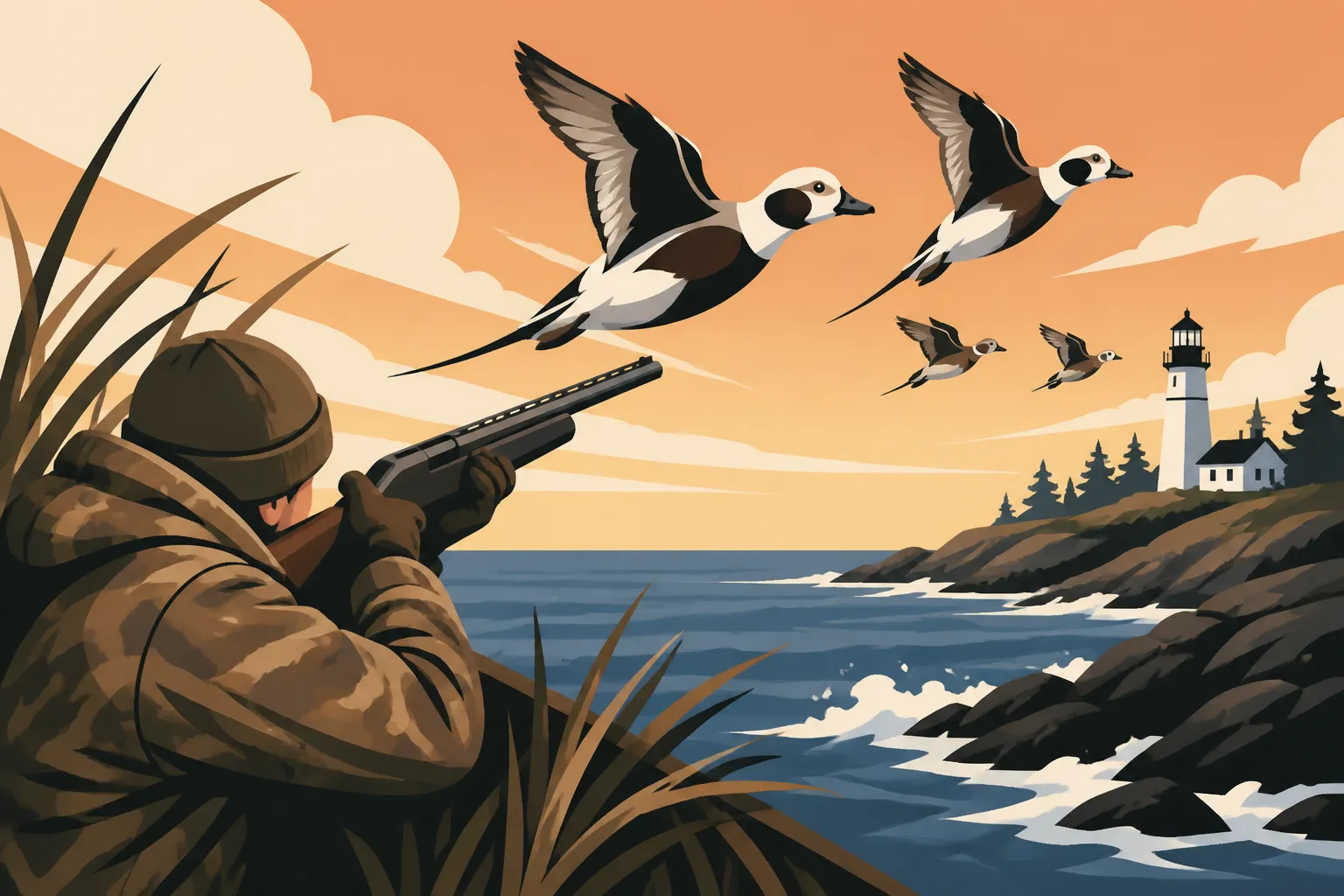
Identifying long-tailed ducks is relatively straightforward once you know what to look for, but it takes practice, especially at a distance on choppy water. Drakes are particularly striking, undergoing a seasonal plumage change that's quite dramatic. In winter, which is when we primarily hunt them here in Maine, the drake has a mostly white body with contrasting dark brown patches on its back and breast, a dark head with a large white cheek patch, and most notably, a very long, slender tail that gives them their name. The hens are a bit more subdued, typically mottled brown with a white patch on their face and a shorter tail. Both sexes have a relatively small bill for their body size.
Beyond their looks, their behavior is what truly sets them apart. Long-tails are incredibly vocal, often making a distinctive "ow-ow-owl-ee" call that carries across the water, especially when they're rafted up in large groups. This vocalization is often your first clue that they're in the area, even before you see them. They are expert divers, capable of submerging for extended periods and reaching impressive depths to forage. When feeding, they often dive in unison, only to resurface minutes later, sometimes quite a distance from where they went down. This coordinated diving behavior can make decoying them tricky, as a whole raft might disappear and reappear unexpectedly. They also tend to fly low over the water, often in long, strung-out lines, especially when moving between feeding areas or heading to a roost. Understanding these flight patterns is crucial for setting up effective decoy spreads and anticipating their approach.
Preferred Coastal Habitats and Food Sources
Long-tailed ducks thrive in the exposed, often turbulent waters of coastal Maine. They prefer open ocean, large bays, and estuaries, particularly areas with sandy bottoms or gravel shoals where their preferred food sources are abundant. Unlike common eiders, which often hug rocky ledges and island shores, long-tails are often found farther offshore, sometimes miles from land, content to ride out even significant swells. However, during storms or periods of extreme cold, they will seek out more protected coves and harbors, though still favoring deeper, open water over shallow flats.
Their diet is almost exclusively marine, consisting primarily of small mollusks, crustaceans, and aquatic insects. They'll dive down to snatch blue mussels, periwinkles, small crabs, and various amphipods and isopods that cling to the seafloor. This reliance on specific benthic (bottom-dwelling) organisms is why they favor certain bottom types and depths. When scouting, paying attention to the local marine ecology can give you a significant edge. Areas known for rich mussel beds or clam flats, even if they're too deep for traditional clamming, are prime candidates for long-tail congregations. Using resources like nautical charts or even online mapping tools such as GoHunt can help you identify these underwater features, depth contours, and potential feeding grounds before you ever launch your boat. Understanding their menu helps you understand where they're likely to be found, which is half the battle in sea duck hunting.
Essential Gear for Coastal Sea Duck Hunting
Hunting long-tailed ducks along the Maine coast is not your typical marsh hunt. The environment demands specialized gear, not just for success, but for safety and comfort. Forget your fair-weather waders; we're talking about robust, marine-grade equipment designed to withstand the cold, the salt, and the relentless motion of the ocean.
Shotguns, Ammunition, and Decoy Spreads
When it comes to shotguns for sea duck hunting, reliability and resistance to the elements are paramount. A 12-gauge shotgun is standard, often with a 3-inch or 3.5-inch chamber to accommodate heavier loads. Pump-action or semi-automatic shotguns are preferred by many for their ability to handle follow-up shots in quickly passing flocks. Corrosion is a real concern in saltwater, so firearms with synthetic stocks and corrosion-resistant finishes (like Cerakote or stainless steel) are highly advantageous. Regular cleaning and oiling after every hunt is non-negotiable, regardless of the gun's finish. A modified or improved modified choke is generally a good starting point, providing a balance of pattern density and spread for birds often taken at varying ranges over water.
Ammunition choice is critical. Federal regulations require non-toxic shot for all waterfowl, and for sea ducks, that typically means steel, bismuth, or tungsten-based loads. Given the resilience of long-tailed ducks and the often-windy conditions, heavier payloads and larger shot sizes are usually preferred. Steel shot in BB or 1 works well, while bismuth or tungsten alternatives (which retain more energy) allow for smaller shot sizes like #2 or #3 with devastating effect. You'll want loads designed for high velocity to help punch through feathers and bone. Bring plenty of shells; when a flock works, the shooting can be fast and furious, and reloading on a choppy boat deck is not something you want to rush.
Decoy spreads for long-tailed ducks are often quite large, mimicking a raft of feeding or resting birds. Unlike eiders, which are often lured by large, realistic magnum decoys, long-tails respond well to numbers. Spreads of 2-4 dozen decoys are common, and some hunters deploy even more. The decoys themselves should be specifically designed for sea ducks – heavy-duty, with reliable keels to ride the waves naturally, and a matte finish to prevent glare. Many hunters mix in a few scoter or eider decoys to add realism, as long-tails will occasionally associate with other sea duck species. Anchoring systems need to be robust: heavy weights and sturdy lines (at least 200 lb test monofilament or tarred trotline) are essential to keep your spread from drifting away in strong currents or high winds. Consider using a long gang line with individual drops for quick deployment and retrieval, especially when hunting from a boat.
Proper Clothing and Safety Equipment
The Maine coast in winter is no place for inadequate clothing. Hypothermia is a constant, deadly threat. Layering is the name of the game. Start with a moisture-wicking base layer (synthetics or wool, never cotton), followed by insulating mid-layers like fleece or down, and topped with a waterproof and windproof outer shell. Your outer shell should be durable and offer maximum protection from spray and rain. Neoprene waders are a must, providing insulation and keeping you dry if you're wading shorelines or deploying decoys in shallow water. Many hunters prefer a full floatation suit, which acts as both an insulating layer and a personal floatation device (PFD), offering peace of mind and warmth should the unthinkable happen.
Gloves, hats, and neck gaiters are vital. Bring multiple pairs of waterproof gloves or mittens, as your hands will inevitably get wet. A warm hat that covers your ears is essential, as is a neck gaiter to protect against biting winds. Wool socks, again, not cotton, will keep your feet warm even if damp.
Safety equipment is not optional; it’s mandatory. Every person on a boat needs a PFD that fits properly and is accessible, or ideally, worn at all times. Inflatable PFDs are comfortable and don't restrict movement, but should still be worn under your outer layers to ensure they function properly if you go overboard. A reliable boat is crucial, specifically one designed for rough water, with adequate horsepower and freeboard. You'll need navigation equipment (GPS, chartplotter), a marine radio (VHF), a cellphone in a waterproof case, and flares. An emergency kill switch on your outboard is non-negotiable. Carry a well-stocked first-aid kit, a change of clothes in a dry bag, and plenty of hot liquids and high-energy snacks. The ocean is unforgiving; always err on the side of caution. Before heading out, always let someone know your float plan, including where you're going, when you expect to return, and who is with you.
Mastering Coastal Hunting Techniques
Successfully hunting long-tailed ducks along the Maine coast is an art form, a blend of understanding the birds, respecting the ocean, and employing tried-and-true tactics. It’s a dynamic hunt, constantly adjusting to the whims of weather and tides.
Reading Tides and Weather for Optimal Hunting
Tides are perhaps the most critical factor when hunting long-tailed ducks in Maine. These birds are often found in areas with strong tidal currents, as these currents sweep food past their diving zones or concentrate it in specific locations. A rising or falling tide can shift birds dramatically, opening up new feeding opportunities or pushing them away from your spread. Many successful hunters prefer a moving tide, as it often means active birds. Learning the local tide charts for your chosen hunting area is non-negotiable. Websites and apps can provide precise tide predictions, including current strength, for almost any point along the coast.
Weather also plays a massive role. A crisp, cold morning with a light chop on the water can be ideal, as it keeps the birds moving and makes your decoys look more natural. Heavy fog can ground birds and make navigation treacherous, while flat-calm conditions can make wary long-tails easily spot your boat or blind. Strong winds, especially out of the northeast, can be a blessing and a curse. They can push birds into sheltered areas, but they also make boat handling difficult and can create dangerous sea conditions. It's often best to plan your hunt for days with moderate winds (5-15 mph), which help animate your decoys and mask your position, without creating hazardous conditions. Checking marine forecasts is as important as checking the general weather. GoHunt or similar advanced scouting apps can also help you track historical weather patterns in specific areas, giving you an edge in predicting bird behavior under various conditions.
Boat-Based Hunting Strategies and Safety
Most long-tailed duck hunting in Maine is done from a boat, and often a layout boat, or by setting up on an accessible island or ledge. When hunting from a larger boat, it's typically anchored or moored, often disguised with camouflage netting, or by finding a natural hide behind a prominent feature on the coast like a point or an island. Hunting from a layout boat, as detailed in our guide on Layout Boat Hunting the Maine Coast, offers the ultimate low profile, allowing hunters to blend seamlessly with the water. However, it requires a tender boat for safety and transport.
The key to boat-based hunting is positioning. You want to be downwind or crosswind of your decoy spread, allowing incoming birds to approach the decoys and then flare into your shooting lane. You also need to consider the sun's position throughout the morning. Hunting with the sun at your back means incoming birds will be silhouetted against the bright sky, making them harder to see and judge. Ideally, the sun should be hitting your decoys, making them visible to incoming birds, while your boat remains in shadow or has a less direct light angle.
Safety on the water cannot be overstressed. Always have a designated boat operator who is not actively hunting when moving the vessel. Be aware of your surroundings, constantly watching for other boats, lobster traps, and navigational hazards. When running your boat, adhere to all maritime rules and regulations. If you're hunting in areas with heavy boat traffic, like some of the more popular coastal towns, it's especially important to be visible and predictable.
Decoy Placement and Calling Tactics
Effective decoy placement is paramount for long-tailed ducks. These birds are visual hunters, and a realistic spread can draw them in from a surprising distance. As mentioned earlier, numbers are important. Aim for a large, loose raft, mimicking birds actively feeding or resting. A common strategy is to create a "J" or "U" shape with your decoys, with the open end of the shape facing into the prevailing wind and current. This creates a natural landing zone for incoming birds within range of your hidden position. Many hunters will also add a "confidence string" or a line of decoys extending out from the main spread, to give the impression of a larger group. Mixing in a few Decoying Eiders Off the Maine Coast or Hunting Scoters in Maine's Open Water decoys can sometimes add to the realism, as these species often share the same general habitat.
Unlike many puddle ducks, long-tailed ducks aren't typically "called" in with intricate sequences. However, their distinctive vocalizations can be mimicked effectively with specialized calls to grab their attention and draw them closer. A good long-tail call can replicate their "ow-ow-owl-ee" sound. Use it sparingly and realistically. If you see birds off in the distance, a few soft calls can often pique their curiosity. If they turn and start heading your way, it’s usually best to go quiet and let the decoy spread do the work. Overcalling can sometimes spook wary birds. The most effective "calling" for long-tails often involves simply being where they want to be, with a spread that looks natural and inviting.
Navigating Maine's Sea Duck Regulations
Understanding and adhering to Maine's specific hunting regulations is not just a legal requirement but a fundamental part of responsible hunting. Sea duck hunting has its own set of rules, distinct from inland duck hunting, and knowing them inside and out is crucial for a successful and legal hunt.
Maine Sea Duck Season Dates and Bag Limits
Maine's sea duck season structure is designed to align with migratory patterns and conservation goals. Generally, the season runs for an extended period, often from early October through mid-January, although specific dates can vary slightly year to year. It's crucial to check the current year's Maine hunting law book or the Maine Department of Inland Fisheries & Wildlife (MDIFW) website for the exact Maine Sea Duck Season and Zones. Pay close attention to any split seasons or specific closures that might apply to certain zones.
For long-tailed ducks, there's usually a specific daily bag limit, which is typically quite generous compared to some other waterfowl species. However, there's also an aggregate sea duck bag limit that includes eiders and scoters. This means you need to be able to identify each species on the wing and ensure you don't exceed the individual species limit or the overall sea duck limit. For example, the Maine Sea Duck Bag Limit might allow a certain number of eiders, a certain number of scoters (like the Maine Scoter Daily Limit), and a certain number of long-tailed ducks (often called the Maine Long-Tailed Duck Daily Limit), but the total number of all sea ducks combined cannot exceed a higher number. It can get a bit confusing, so make sure you've studied the regulations thoroughly. Remember, taking more than the legal limit, even unintentionally, can result in severe penalties.
Licensing, Permits, and Legal Considerations
Before you even think about stepping into a boat to hunt sea ducks, you need to ensure all your licensing is in order. Every waterfowl hunter in Maine, whether resident or nonresident, must possess a valid Maine hunting license. In addition to that, you'll need a federal duck stamp, which is commonly referred to as the Maine Federal Duck Stamp Requirement. This stamp contributes directly to wetlands conservation. Furthermore, you must obtain a Maine Migratory Bird Hunting Permit and complete your Harvest Information Program (HIP) certification. This HIP certification, often called Maine HIP Certification for Bird Hunters, is vital for wildlife managers to gather data on harvest rates and guide future conservation efforts.
It's important to understand the specific zone definitions. Maine's coast is often broken into different sea duck zones, with boundaries often defined by major waterways or geographical features, like the Maine Sea Duck Coastal Zone Line. Hunting outside of your designated zone or during a closed period can lead to legal issues. Another critical aspect of sea duck hunting is the legal methods of take. While shotguns are the primary method, some states have restrictions on boat movements while hunting. In Maine, you generally cannot shoot from a boat under power. You must be stationary, with the motor off and sails furled. Always transport your firearm unloaded in a case when traveling by vehicle or when not actively hunting from your boat. Understanding these nuances is critical for a legal and ethical hunt. Also, be mindful of private property. Even in coastal waters, there are often private islands or shorelines. Respect posted land and always seek permission if you plan to access or retrieve birds from private property.
Preparation and Post-Hunt Considerations
A successful long-tailed duck hunt doesn't start and end with pulling the trigger. It encompasses meticulous preparation and respectful handling of your harvest, ensuring you make the most of your time on the water and honor the birds you pursue.
Scouting Coastal Areas and Understanding Migration
Effective scouting is the bedrock of a productive sea duck hunt. It's rarely a "show up and shoot" affair. Long-tailed ducks are creatures of habit to some extent, returning to preferred feeding and resting areas year after year, but their exact locations can shift with food availability, weather, and hunting pressure. Before the season, spend time observing coastal areas that fit their habitat preferences. Drive coastal roads with binoculars, or even better, take a boat out on a calm day to motor through potential hunting grounds. Look for rafts of birds, paying attention to where they dive, rest, and fly. Note their preferred flight paths when moving between locations.
Understanding the broader migration patterns is also beneficial. While many long-tails winter along the Maine coast, their numbers can swell significantly with the arrival of birds from further north as winter progresses. Apps and online platforms, including tools from GoHunt, can offer invaluable satellite imagery and topographic maps that help identify offshore ledges, depth changes, and potential current breaks where birds might congregate. Keep a log of your observations, noting dates, times, tides, weather conditions, and bird activity. This data becomes a powerful tool for predicting future movements. Even during the season, a quick scouting trip the day before a hunt, or even just driving a different vantage point, can confirm that birds are still in the area you plan to hunt.
Field Care and Culinary Uses for Long-Tailed Ducks
Once you've successfully harvested a long-tailed duck, proper field care is essential to ensure the meat is good for the table. Unlike some puddle ducks, sea ducks have a stronger, more distinct flavor due to their fish and mollusk diet. This means prompt and thorough cleaning is even more important. As soon as possible after the shot, retrieve your bird and bleed it out. A quick cut to the jugular vein will help drain the blood, which can impart a gamey taste if left in the meat.
After bleeding, gutting the bird in the field is highly recommended, especially in warmer weather or if you have a long journey back to camp. Remove the entrails, being careful not to puncture the gall bladder. Keep the breast feathers on if possible, as they provide insulation and protect the meat until you can fully process the bird. If you plan to mount your bird, consult with your taxidermist beforehand for their specific field care instructions, which usually involve careful handling of feathers and not gutting. Transport your birds in a cooler with ice, ensuring they cool down quickly to prevent spoilage.
When it comes to culinary uses, long-tailed ducks are delicious if prepared correctly. The key is often in the preparation. Many hunters prefer to breast out sea ducks, removing only the breast meat and discarding the legs and thighs, which can be tougher and have a stronger flavor. Marinating the breast meat for several hours, or even overnight, in a brine or acidic marinade (like buttermilk, Italian dressing, or wine-based marinades) can help tenderize the meat and mellow the flavor. Common cooking methods include grilling, pan-searing, or roasting. Some hunters enjoy making jerky, sausages, or even pâté from sea duck meat. Don't be afraid to experiment with bold flavors like garlic, herbs, and spices to complement the richness of the meat. With a little effort, a long-tailed duck can provide a truly unique and satisfying wild game meal, a fitting end to a challenging coastal hunt.
| Feature | Long-Tailed Duck | Common Eider | Scoters (Black, Surf, White-winged) |
|---|---|---|---|
| Primary Habitat | Open ocean, large bays, deeper estuaries | Rocky coastal ledges, offshore islands, shoals | Offshore ocean, large bays, near coastal structures |
| Diet | Small mollusks, crustaceans, aquatic insects | Mussels, clams, crabs | Mussels, clams, other bivalves |
| Diving Depth | Excellent diver, often very deep (up to 200 ft) | Good diver, typically shallower (up to 60 ft) | Excellent diver, moderate to deep (up to 60-100 ft) |
| Flight Pattern | Low over water, often in long strings, fast | Strong, direct, often in V-formations or lines | Strong, direct, often in lines or loose flocks |
| Vocalization | Distinctive "ow-ow-owl-ee" call (very vocal) | Deep "coo-COO-coo" | Minimal (Black Scoter has a whistle, others mostly silent) |
| Typical Decoy Spread | Large numbers (2-4 dozen), often on gang lines | Magnum decoys, often tight groups near ledges | Large numbers (2-6 dozen), often in broad rafts |
| ID (Drake Winter) | White body, dark back/breast patches, long tail, dark head with white cheek | Large, mostly black body, white back, green nape, large bill | All black (Black), black with white patches (Surf, White-winged) |
Disclaimer
Hunting is a challenging and inherently risky activity. The information provided in this guide is for informational purposes only and should not be considered a substitute for professional instruction, adherence to all applicable laws and regulations, or the exercise of sound judgment and personal responsibility. Always prioritize safety, respect wildlife, and obtain all necessary licenses and permits before engaging in any hunting activities. Conditions in the field can change rapidly and unexpectedly.