Sea Duck Hunting the Maine Coast
The biting wind, the relentless chop of the Atlantic, and the vast, unforgiving expanse of Maine's rugged coastline present a formidable challenge to any hunter. But for those drawn to the unique thrill of sea duck hunting, these very elements become part of the allure. This comprehensive guide aims to equip you with the knowledge, strategies, and safety considerations needed to successfully pursue the hardy diving ducks that call our frigid waters home, transforming daunting conditions into unforgettable coastal adventures.
Understanding Maine's Resilient Sea Duck Species
Maine's coast is a vital wintering ground and migration corridor for several species of sea ducks, each with its own characteristics, preferred habitats, and hunting challenges. Getting to know these birds is the first step toward a successful hunt, as their behaviors dictate your tactics. We’re primarily talking about eiders, scoters, and long-tailed ducks (formerly known as oldsquaw), each presenting a distinct experience.
Common Eiders: The Coastal Kingpins
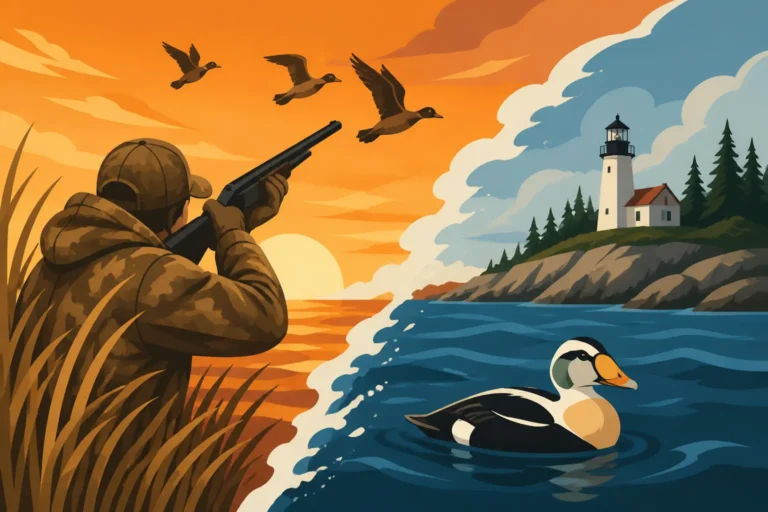
The common eider is perhaps the most iconic sea duck of the Maine coast, a large, robust bird perfectly adapted to the harsh marine environment. Male eiders, with their striking black and white plumage and distinctive green nape, are truly magnificent to behold. Females are mottled brown, offering superb camouflage against the rocky shores they frequent. Eiders are powerful flyers, capable of incredible speed, and they can dive to significant depths to feed on mussels, clams, and other invertebrates.
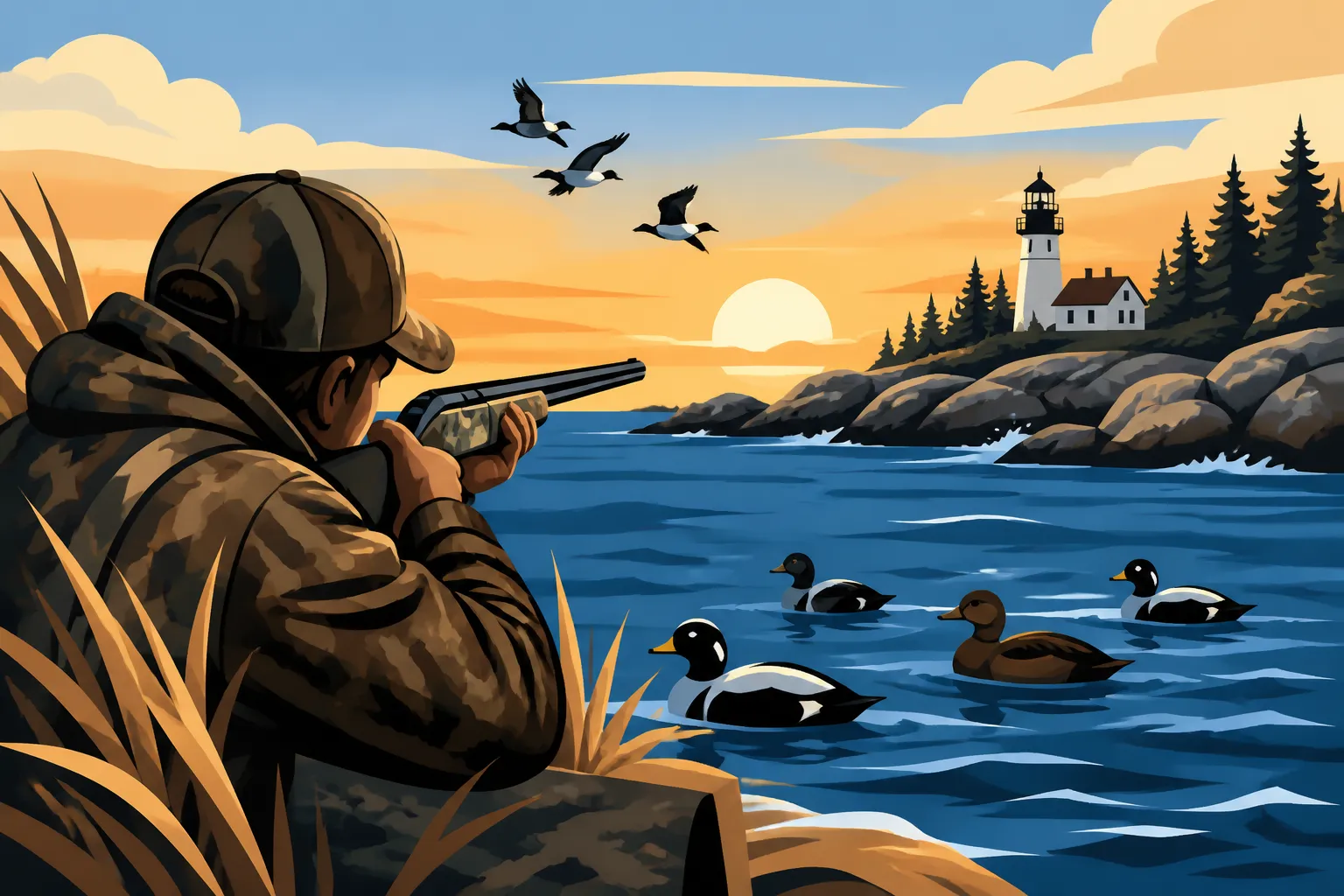
Hunting eiders often involves setting large decoy spreads off rocky points, islands, or ledges where they naturally congregate. These birds are highly social and respond well to large numbers of decoys, often flying low over the water to investigate. Their sheer size and speed make for an exhilarating shot, but also demand a powerful shotgun and appropriate steel shot. You'll find good eider concentrations all along the Maine coast, from the craggy islands of Downeast to the ledges around Casco Bay. Understanding their flight patterns and tidal movements is critical, as they'll often move with the tide to access feeding grounds.
Scoters: Surf and Substance
Maine's coast hosts three species of scoters: the black scoter, surf scoter, and white-winged scoter. While often seen in mixed flocks, they each have subtle differences in appearance and behavior. Black scoters are entirely black with a distinctive knob on the male's bill, surf scoters are characterized by white patches on the back of the head and bill, and white-winged scoters, as their name suggests, have prominent white wing patches visible in flight. All three are strong flyers and deep divers, feeding predominantly on shellfish.
Scoters often prefer the more open waters of bays and offshore ledges, but can also be found in the surf zone, hence their common nickname. They tend to raft in large numbers, and their flights can be fast and erratic. Hunting scoters often requires scouting to identify key feeding and loafing areas, then deploying decoys to intercept their travel routes. Much like eiders, they respond well to large, realistic decoy spreads. The challenge with scoters is often their tendency to fly high or wide if they detect anything amiss, making good concealment absolutely vital. These birds are incredibly resilient, and a cripple can be notoriously difficult to recover in rough seas, so accurate shooting is paramount.
Long-Tailed Ducks: The Agile Acrobat
Long-tailed ducks, with their elegant plumage and distinctive long tail feathers on the males, are incredibly beautiful and highly acrobatic flyers. They're smaller than eiders and scoters but make up for it with their incredible agility in the air. Their calls, a melodious "ow-OW-ow," are a characteristic sound of the winter coast. Long-tailed ducks are among the deepest-diving ducks, capable of reaching depths of over 200 feet to find their favored crustaceans and small fish.
These birds tend to favor deep, open water, often found further offshore than eiders or scoters, though they will come closer to shore in protected bays or around ledges. Hunting long-tailed ducks often involves specialized tactics, such as setting decoys in deep water from a layout boat or large sea duck boat. They are highly responsive to decoys but can be incredibly wary. Their flight is fast and erratic, often twisting and turning like shorebirds, which makes them a challenging target. Due to their preference for deeper waters, hunting long-tailed ducks along the coast frequently means braving more exposed conditions. It's a truly exhilarating experience, but one that demands vigilance and excellent seamanship.
Essential Gear for the Coastal Sea Duck Hunter
Taking on Maine's coastal waters for sea ducks isn't like hunting a beaver flowage or a marsh. The conditions are brutal, the elements unforgiving, and your gear needs to stand up to it. Investing in quality, purpose-built equipment isn't just about comfort; it's about safety and success.
Weather-Appropriate Clothing and Flotation
The number one priority when sea duck hunting is staying warm and dry. Maine's coastal temperatures, especially in late fall and winter, hover around freezing, and with wind chill, they can feel much colder. You need a robust layering system, starting with moisture-wicking base layers, followed by insulating mid-layers like fleece or wool, and topped with a fully waterproof and windproof outer shell. Think GORE-TEX or similar high-performance materials.
Beyond warmth, personal flotation devices (PFDs) are non-negotiable. Even if you're a strong swimmer, the shock of cold water can incapacitate you quickly. Modern PFDs are designed to be low-profile and comfortable, so there’s no excuse not to wear one, especially when moving around a boat in choppy seas or retrieving birds. Some hunters opt for an inflatable PFD for greater mobility, but always ensure it's in good working order and you know how to activate it manually. Hypothermia is a real and present danger, and proper clothing combined with a PFD can literally be the difference between life and death.
Decoys and Spreads
Sea duck decoys are built differently than your typical puddle duck decoys. They're larger, heavier, and designed to ride the waves without flipping. You'll need a substantial spread to attract sea ducks – often dozens, sometimes even hundreds, depending on your target species and location. Eiders and scoters respond well to large blocks of dark-colored decoys, while long-tailed ducks, being smaller, can be mixed in or set in their own pods.
Think about durability and realism. Hard plastic or foam-filled decoys are essential for longevity in saltwater. Rigging is also critical; heavy keels and robust decoy lines are a must to keep your spread anchored in strong currents and high winds. Many hunters use gang rigs or Texas rigs to make deployment and retrieval more efficient. The layout of your spread is an art form: often a main "blob" of decoys with a landing zone in front of your blind, perhaps with a "stringer" or "hook" extending out to catch the attention of distant birds. The goal is to create a realistic, inviting scene that mimics a feeding or resting flock, guiding the birds right into your shooting lane. When considering a large spread, you might find GoHunt's mapping tools helpful for identifying good, shallow areas to anchor your spread, especially in unfamiliar coastal zones.
Shotguns, Ammunition, and Retrievers
For sea duck hunting, a reliable 12-gauge shotgun is the standard, though some hunters opt for a 10-gauge for its heavier payload. What's more important than gauge is the ability to handle heavy loads of non-toxic shot. Steel shot is universally required, and due to the size and resilience of sea ducks, you'll want larger shot sizes like BB, BBB, or even T shot. Patterns are crucial, so pattern your shotgun with your chosen loads before heading out. A modified or improved modified choke is often a good starting point.
Retrievers are invaluable assets on a sea duck hunt. A well-trained Labrador or other retriever can significantly reduce cripple loss and save you from dangerous trips into icy water. Ensure your dog is wearing a neoprene vest for warmth and flotation, and that it's accustomed to working from a boat in rough conditions. Even with a dog, always have a long-handled landing net or boat hook to assist with retrievals. The combination of cold water, current, and a strong-willed sea duck can make even a downed bird a challenge to bring to hand.
Navigating Maine's Coastal Zones and Regulations
Maine's extensive coastline offers a diverse range of sea duck hunting opportunities, but it also comes with specific regulations and considerations regarding zones, season dates, and ethical practices. Understanding these rules is not just about legality; it's about respecting the resource and ensuring a safe, enjoyable hunt.
Understanding Maine Sea Duck Zones and Season Dates
Maine's sea duck hunting falls under federal migratory bird regulations, but the state sets specific season dates within those federal guidelines. Generally, sea duck season in Maine opens in early October and extends through January, often with a split season in between to align with migratory patterns and hunter preferences. You'll want to consult the Maine Department of Inland Fisheries and Wildlife (MDIFW) regulations book or their website each year for the precise Maine Sea Duck Season and Zones. These dates can shift slightly, so never rely on last year's calendar.
The coastal zone itself is defined by specific lines, generally marking the boundary between inland waters and the open ocean. For sea duck hunting, you’re almost always going to be operating within the defined Maine Sea Duck Coastal Zone Line. This designation affects not only season dates and bag limits but also sometimes the types of boats and methods legally allowed. Hunters should also be aware of any local restrictions, such as those around state parks or sensitive wildlife areas, which may prohibit hunting entirely or impose further limitations. A quick check on the GoHunt app or MDIFW website can help you pinpoint these specific areas and avoid any unintentional violations.
Bag Limits and Licensing Requirements
Daily bag limits for sea ducks are specific and can vary by species. For example, you might be allowed a certain number of eiders, scoters, and long-tailed ducks within a total aggregate bag limit. It's crucial to correctly identify your birds in flight before shooting to ensure you stay within the legal limits. Penalties for exceeding bag limits or shooting protected species can be severe, not to mention the ethical implications. You can find detailed information on the Maine Sea Duck Bag Limit in the annual regulations.
Beyond your standard Maine hunting license, you'll need a federal duck stamp, also known as the Migratory Bird Hunting and Conservation Stamp. This stamp is mandatory for all waterfowl hunters aged 16 and older. Additionally, you must possess a Maine Migratory Bird Certification, which is usually a small add-on to your state hunting license. These fees contribute directly to wetland conservation efforts across the country, benefiting all migratory birds. Always carry proof of all your licenses, stamps, and certifications with you in the field. Digital copies on your phone are often accepted, but a physical copy provides peace of mind if technology fails in a remote location.
Ethical Hunting and Responsible Practices
Ethical sea duck hunting extends beyond simply following the law. It involves making clean kills, minimizing cripple loss, and respecting the environment. Take only shots you're confident in, within ethical range. If a bird is crippled, make every effort to recover it quickly and humanely. This is where a good retriever and efficient boat handling become invaluable. Don't chase crippled birds into dangerous waters or areas where recovery is unlikely.
Furthermore, responsible hunters leave no trace. This means picking up all your spent shell casings, discarded decoy lines, and any other trash. Be mindful of private property boundaries along the coast and always secure permission if you plan to access or retrieve birds from private land. Consider the impact of your hunting activities on other coastal users, such as fishermen, kayakers, or wildlife watchers. A courteous and respectful approach ensures that Maine's exceptional sea duck hunting opportunities remain open and accessible for generations to come.
Scouting and Decoy Strategies for Maine Sea Ducks
Successful sea duck hunting isn't just about showing up; it's about preparation, observation, and understanding the nuances of coastal waterfowl behavior. Effective scouting and strategic decoy placement are the cornerstones of consistent success.
Pre-Season Scouting and Observation
Scouting for sea ducks is dramatically different from scouting for deer in the woods. It's largely done from a boat, binoculars in hand, observing patterns of movement, feeding areas, and loafing spots. Before the season even opens, take trips along the coast, paying close attention to where eiders are rafted, where scoters are diving, and where long-tailed ducks are feeding. Look for concentrations of birds around rocky points, offshore ledges, mussel beds, and in areas with strong currents that might bring food.
Tides play an enormous role in sea duck behavior. Many species feed heavily during certain tidal stages, moving to loafing areas as the tide changes. Understanding these patterns for your chosen hunting spot is critical. A high-quality marine chart or a GPS mapping system like GoHunt can reveal submerged ledges, mussel beds, and depth changes that might attract birds. Pay attention to wind direction and how it affects water conditions; sea ducks will often seek the lee side of islands or points in heavy winds. Identifying multiple potential spots based on different wind directions will give you flexibility on hunt day.
Decoy Spreads for Each Species
While there's overlap, optimizing your decoy spread for the specific species you're targeting can significantly improve your odds.
- Decoying Eiders Off the Maine Coast: Eiders are highly social and respond best to large numbers of decoys, often 50-100 or more. A common strategy is to set up a main raft of eider decoys, mimicking a feeding or loafing flock. Leave a "landing zone" or gap directly in front of your blind or boat, which signals a safe place for incoming birds to set their wings. You can also deploy a "stringer" or "hook" of decoys extending out from the main raft to act as a visual attractant from a distance. The bigger and more visible your spread, the better, especially on large, open water.
- Hunting Scoters in Maine's Open Water: Scoters also respond well to large spreads, and you can often mix them with eider decoys. Some hunters prefer separate "pods" of scoter decoys, or a main raft with a few smaller groups scattered nearby. Scoters tend to be a bit more wary, so realism in your decoys and excellent concealment are key. They might circle a spread several times before committing, so patience is paramount. Pay attention to the wind and current, and set your decoys so they look natural and are facing into the wind for a realistic appearance.
- Hunting Long-Tailed Ducks Along the Coast: Long-tailed ducks can be a bit more challenging due to their preference for deeper, more open water. Often, specialized long-tailed duck decoys are used, and a smaller, more realistic spread can be effective. They are very vocal, so using a long-tailed duck call can be incredibly effective, especially when birds are circling. Their flight is fast and erratic, so ensure your shooting lanes are clear. When using a layout boat, your decoys will be set up around the boat, creating a low-profile hide. Remember that these birds are often found in areas with strong currents, so ensure your decoy rigging can withstand the conditions.
Effective Blind and Boat Concealment
No matter how good your decoys are, poor concealment will ruin your hunt. Sea ducks have excellent eyesight, and they've seen enough boats and hunters to be wary.
- Shore Blinds and Rocky Ledges: If hunting from shore or a rocky island, construct a blind that blends seamlessly with the natural surroundings. Use local vegetation like spruce boughs, driftwood, or rock piles. A portable ground blind can work, but it must be brushed in thoroughly. Ensure your blind offers a clear shooting lane over the decoys without exposing you. Consider the sun's position throughout the morning to avoid being silhouetted.
- Sea Duck Boats and Layout Boats: Many sea duck hunters use specialized boats. Larger, stable boats are used as "mother ships" to transport hunters and gear, with hunters often shooting from a well-camouflaged portion of the boat or transferring to a layout boat. Layout boat hunting the Maine Coast offers the ultimate low-profile hide, as you lie prone, almost at water level, surrounded by decoys. These boats are typically small, one or two-person vessels, painted to match the water, and require a mother ship for transport and safety. Whether shooting from a large boat or a layout boat, ensure every reflective surface is covered, and wear camouflage that matches the dull, grey tones of the ocean.
Safety First: Battling Maine's Harsh Coastal Conditions
Hunting sea ducks in Maine is not for the faint of heart. The allure of these magnificent birds is matched only by the formidable power of the Atlantic Ocean. Prioritizing safety is not just a recommendation; it's an absolute imperative.
Understanding and Respecting the Weather
Maine's coastal weather is notoriously fickle and can change dramatically in a matter of hours. A calm morning can quickly turn into a raging tempest. Always check multiple weather forecasts (marine forecasts are particularly important) before you even consider heading out. Pay close attention to wind speed and direction, wave height, and air and water temperatures. High winds can make navigation treacherous, deployment of decoys nearly impossible, and shooting incredibly difficult.
Never underestimate the power of cold water. Even on a relatively mild day, the ocean temperature in Maine during sea duck season rarely rises above 40°F, and is often much colder. Falling into water this cold can lead to hypothermia in minutes. This underscores the importance of proper layering, waterproof outer shells, and non-negotiable PFD use. If forecasts predict heavy seas, dense fog, or approaching storms, err on the side of caution and stay home. No duck is worth risking your life for.
Essential Boat Safety and Navigation
Your boat is your lifeline on the water, so it must be meticulously maintained and properly equipped. Ensure your vessel is sea-worthy, with a reliable engine, backup engine (or oars/paddles for smaller boats), and sufficient fuel. Carry all required safety gear: visual distress signals (flares, orange flag), sound-producing devices (horn, whistle), fire extinguisher, first-aid kit, anchor with ample line, and a spare propeller. Always tell someone your float plan – where you're going, when you expect to return, and who is with you.
Navigation can be challenging in coastal Maine, especially in fog or low light conditions. A reliable GPS unit (handheld or marine-mounted) with up-to-date charts is essential. Even familiar waters can become disorienting in poor visibility. Learn how to use your compass and chart in conjunction with your GPS. Pay attention to tides and currents, as they can rapidly push your boat off course or ground you on a ledge. If you're hunting near the mouth of a large river or bay, be aware of commercial shipping lanes and give large vessels a wide berth. If you're considering a guided trip, knowing what a Registered Maine Guide Is and their qualifications provides an extra layer of confidence.
Dealing with Emergencies and Cold Water
Despite all precautions, emergencies can happen. Be prepared. All hunters in the boat should know where safety gear is stored and how to use it. A marine-band VHF radio is critical for communicating with the Coast Guard or other vessels, especially where cell service is spotty. A satellite messenger (like a Garmin InReach) can also be a lifesaver in truly remote areas where even VHF might be out of range.
If someone goes overboard, immediate action is paramount. Initiate recovery procedures, and always keep an eye on the person in the water. Minimize their exposure to the cold water; specialized equipment like a rescue sling or ladder can help. Know the signs of hypothermia – shivering, confusion, slurred speech, loss of coordination – and how to provide basic first aid. Getting the person warm, dry, and to medical attention is the priority. Running a hot thermos of coffee or soup is a common Maine Deer Camp Traditions item, but it is equally vital on a sea duck hunt. It's also wise to have a change of dry clothes sealed in a waterproof bag, just in case.
Field Care and Culinary Rewards of Sea Ducks
Once you've successfully harvested your sea ducks, the work isn't over. Proper field care is crucial for preserving the meat and ensuring a quality table experience. While some find sea duck meat to be "gamey," with the right care and preparation, it can be absolutely delicious.
Prompt Field Dressing and Cooling
The moment a bird is retrieved, especially on a milder day, prompt field dressing is essential. The general rule for any waterfowl is to cool them down as quickly as possible. This means gutting the birds as soon as you're able to. Remove the entrails, heart, and liver, being careful not to puncture anything that would contaminate the meat. This allows the body cavity to cool down faster, preventing bacterial growth that can quickly spoil the meat and contribute to off-flavors.
After gutting, if you have access to fresh water, a quick rinse of the cavity can be beneficial, though not always practical on a boat. On the ride back to shore, keep the birds in a cooler, ideally on ice, especially if the weather isn't frigid. Avoid piling them in a warm, enclosed space. While the cold ocean air might seem sufficient, direct contact with ice helps pull out residual body heat. This initial step sets the stage for optimal meat quality.
Skinning, Plucking, and Processing
Unlike many upland birds or puddle ducks, sea ducks, particularly eiders and scoters, have a thick layer of fat beneath their skin. This fat, while insulating for the bird, often carries strong flavors that many hunters prefer to remove. Consequently, many hunters opt to skin sea ducks rather than plucking them. Skinning is generally a quicker process, and it removes that potentially strong-flavored fat layer.
To skin a sea duck, lay it breast-side up, make an incision down the breastbone, and carefully peel the skin back, removing it completely along with the feathers. Then, breast out the meat, carefully trimming any remaining fat or bloodshot areas. The legs and thighs can also be removed for confit or grinding, but again, trim off all visible fat. The unique diet of sea ducks gives their meat a rich, darker flavor, distinct from grain-fed puddle ducks. Processing meat near a North Woods Camp or at home, ensures you get the best out of your harvest.
| Species | Primary Diet | Common Flavor Profile | Best Preparation Methods | Skin or Pluck? |
|---|---|---|---|---|
| Common Eider | Mussels, clams, crabs | Robust, "briny" | Breast seared rare, slow-cooked confit, ground meat for sausage | Skin (most) |
| Scoters | Clams, mussels, snails | Strong, pronounced | Marinated and grilled, slow-cooked stews, grinding for chili/patties | Skin (most) |
| Long-Tailed Duck | Small fish, crustaceans | Rich, less "fishy" | Breast seared rare, smoking, slow-cooked dishes | Skin (often) |
Culinary Preparations to Enjoy Your Harvest
The key to enjoying sea duck is often in the preparation. Many recipes suggest treating the breast meat like a fine cut of beef or venison – searing it quickly to a medium-rare to medium temperature. Overcooking sea duck breast will make it tough and bring out undesirable flavors. Marinating in buttermilk, red wine, or citrus-based marinades can help tenderize the meat and complement its rich flavor.
For the legs and thighs, which are tougher and have more connective tissue, slow-cooking methods are ideal. Confit is a classic preparation, where the meat is cured and then slow-cooked in fat. This renders out the fat and leaves incredibly tender, flavorful meat. Grinding the trimmed sea duck meat for sausage, chili, or pate is another excellent way to utilize the harvest, especially for birds with a very strong flavor profile. Don't be afraid to experiment with bold flavors like juniper, rosemary, or even a touch of smoky bacon to enhance the unique taste of Maine's sea ducks.
Hiring a Guide or Self-Guiding Your Maine Sea Duck Hunt
Deciding whether to hire a Registered Maine Guide or go it alone is one of the biggest choices for a sea duck hunter, especially if you're not from the area or new to this demanding sport. Both options offer unique advantages and disadvantages.
The Benefits of a Guided Maine Sea Duck Charter
For many, especially non-residents or those new to coastal hunting, booking a Maine Sea Duck Charter is the safest and most efficient way to experience this unique hunt. A reputable guide brings invaluable local knowledge, years of experience navigating the tricky waters, and all the specialized gear. They know where the birds are, what tides they prefer, and how to safely set up and run a hunt in challenging conditions.
What a Sea Duck Charter Costs can vary, but it's an investment in safety, comfort, and a higher probability of success. Typically, a charter includes the guide, a safe and equipped boat, a full spread of decoys, and often hot coffee and snacks. The guide handles all the boat operation, decoy deployment, and bird retrieval, allowing you to focus entirely on shooting and enjoying the experience. If you are applying for a Maine Moose Permit or exploring Upland Bird and Small Game Hunting in Maine, guides are also a great resource for those types of hunts. Many guides also offer services for Decoying Eiders Off the Maine Coast or Hunting Scoters in Maine's Open Water specifically. This is particularly beneficial when you're dealing with the dynamic environment of the open ocean. You also get the benefit of their expertise in Reading a Ledge for a Morning Sea Duck Flight, which can be critical for success.
Considerations for a Self-Guided Coastal Hunt
Self-guided sea duck hunting offers a different kind of satisfaction and can be more budget-friendly, but it demands a much higher level of preparedness, experience, and gear. You'll need your own sea-worthy boat, a full spread of robust sea duck decoys, and a comprehensive understanding of coastal navigation, weather patterns, and safety protocols.
This option is best suited for experienced boaters who are intimately familiar with the Maine coast and have a strong background in waterfowl hunting. You'll be responsible for all aspects of the hunt, from scouting and setting up to safely operating your vessel and retrieving birds in potentially rough seas. While rewarding, the risks associated with a self-guided trip are significantly higher. It's not a place for beginners to cut corners on safety or equipment. However, for those with the skills and resources, there's immense pride in executing a successful self-guided hunt along the rugged Maine coast. You can use tools like GoHunt to help with mapping and identifying public access points for launching your boat.
Vetting a Maine Outfitter and What to Expect
If you decide to go with a guide, taking the time to vet them thoroughly is crucial. Look for a Registered Maine Guide with specific experience in sea duck hunting. Check their references, read online reviews, and don't hesitate to ask detailed questions about their boat, safety procedures, typical hunting locations, and what you can expect in terms of success rates (while understanding that hunting success is never guaranteed).
Confirm what's included in the price (licenses, ammo, meals, etc.) and what you need to bring. Inquire about their cancellation policy, especially regarding weather, as coastal hunts are highly weather-dependent. A good guide will prioritize your safety above all else and communicate clearly about conditions. Remember that tipping a Maine Hunting Guide is customary if you're satisfied with their service, usually around 15-20% of the trip cost. A well-chosen guide can transform a potentially dangerous and frustrating endeavor into a safe, educational, and highly memorable hunting adventure.
Respecting the Resource and Ethical Hunting
As hunters, we are stewards of the wild places and the species we pursue. Sea duck hunting, perhaps more than any other form of waterfowl hunting in Maine, requires a profound respect for the environment and strict adherence to ethical principles, not just for the birds, but for the fragile coastal ecosystem.
Minimizing Impact on Coastal Ecosystems
Maine's coastline is a delicate balance of marine life, shorebirds, and unique plant communities. When hunting, be mindful of your footprint. Avoid disturbing sensitive nesting areas for other bird species or fragile intertidal zones. If setting up on an island or rocky outcrop, choose your blind location carefully to avoid trampling vegetation or causing erosion.
Spent shotgun shells are a particular concern in marine environments. Plastic wads and hulls can persist for decades, harming wildlife and polluting our beautiful shores. Always make an effort to collect all your spent casings. Many hunters use a bucket or mesh bag specifically for this purpose. If hunting from a boat, ensure nothing falls overboard that shouldn't, from fishing lines to food wrappers. Leave the coastal environment cleaner than you found it.
Responsible Harvest and Conservation Efforts
Sea ducks are an incredible resource, but like all wildlife, their populations need careful management. Stick rigorously to established bag limits and season dates. Do not exceed your Maine Sea Duck Bag Limit for any species. Being able to identify birds in flight is not just about legality but about responsible harvest; avoid "sky-busting" or taking shots at unidentified birds, which can lead to accidental over-harvest or shooting protected species.
Hunter dollars are vital to conservation. The purchase of your federal duck stamp and state migratory bird certification directly funds wetland acquisition and restoration projects, benefiting sea ducks and countless other species. Organizations like Ducks Unlimited and Maine Audubon also play a critical role in preserving the habitats that sea ducks depend on. By supporting these efforts, hunters actively contribute to the long-term health of the resource.
Educating Others and Upholding Hunting's Image
We have a responsibility to represent hunting in a positive light. This means being courteous to other coastal users, whether they are fishermen, birdwatchers, or residents enjoying the shore. Avoid conflicts, educate curious onlookers about ethical hunting practices, and demonstrate responsible behavior.
Part of this responsibility is also educating new hunters. If you bring someone new into the sport, emphasize safety, ethics, and conservation from day one. Explain why we follow regulations, why we respect private land, and why we go to such lengths to recover every bird. Sea duck hunting is a challenging and rewarding pursuit, but its future depends on a generation of hunters who understand and uphold the highest standards of sportsmanship and environmental stewardship. By doing so, we ensure that the thrill of Sea Duck Hunting the Maine Coast continues for many years to come.
Disclaimer
Hunting is an inherently dangerous activity. This guide is for informational purposes only and does not substitute for proper training, adherence to all local, state, and federal laws, or professional guidance. Always prioritize safety, understand your limits, and consult official Maine Department of Inland Fisheries and Wildlife regulations before engaging in any hunting activities.