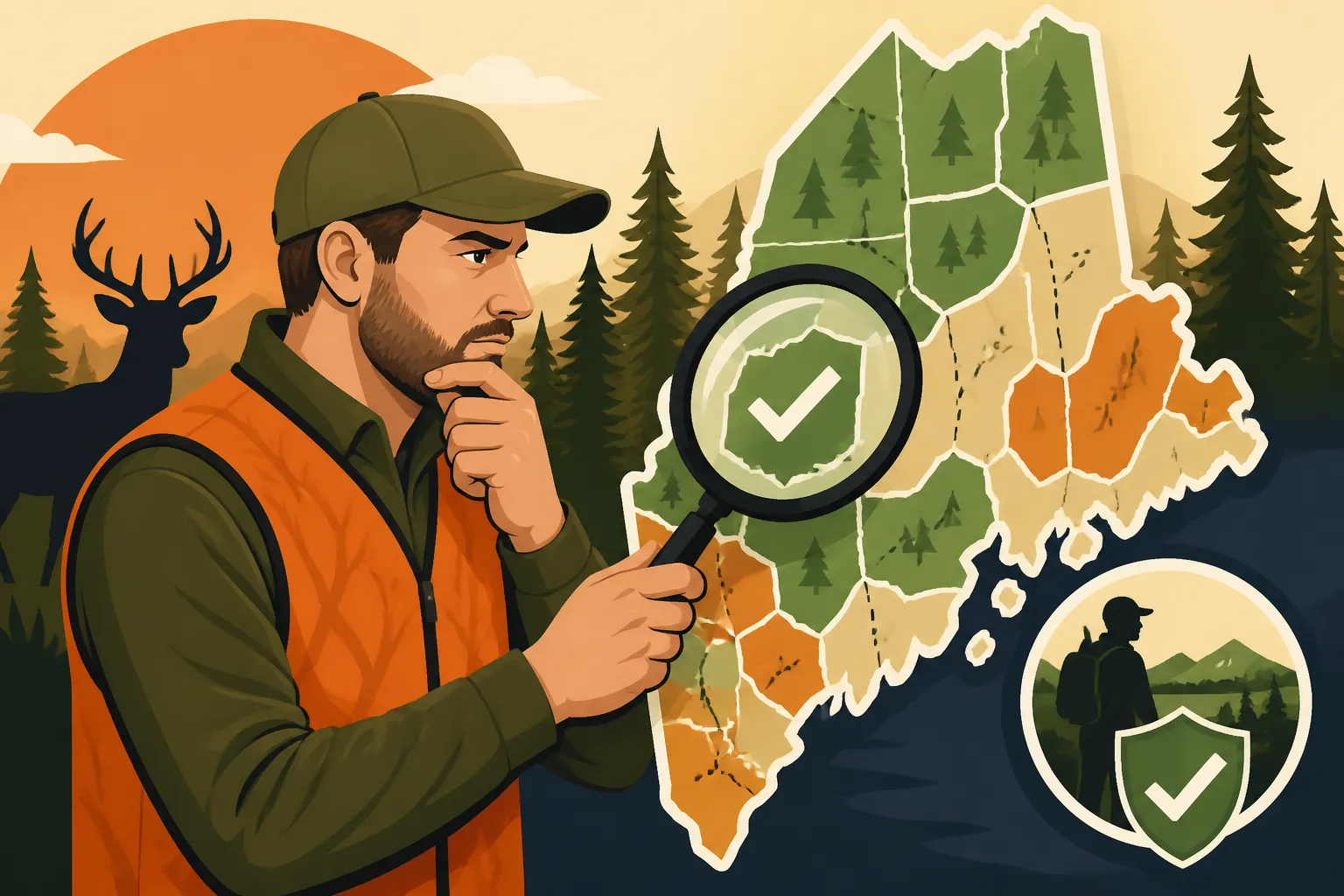
Verifying an Outfitter’s Land Access Claims
There's nothing quite like the excitement of planning a Maine hunting trip, whether it's for a majestic moose, a wily black bear, or a big whitetail buck. But that excitement can quickly turn to anxiety when you're trying to choose an outfitter and you start to wonder if their claims about "exclusive access" or "prime private land" are truly legitimate. It's a real fear for many hunters, especially those traveling a long distance, because a hunt lives or dies by where you can actually put boots on the ground. This guide will walk you through how to confidently verify an outfitter's land access claims, ensuring your Maine adventure starts on solid, legal footing.
The Importance of Land Access for a Successful Hunt
Let's be honest, you're not just buying a tag; you're investing in an experience, and a huge part of that experience is having a good place to hunt. An outfitter's promises of abundant game sound great, but if they don't have the right to hunt where the game actually lives, those promises fall flat. It's a common frustration that can really sour a trip.
Why Land Access is More Than Just "Having Permission"
When an outfitter talks about land access, it's easy to assume they just mean they "have permission" to be there. But in Maine, with its unique mix of vast timberlands, small private parcels, and specific public areas, "permission" can be a layered thing. You see, someone might have explicit permission from a landowner to cross a parcel to get to another piece of land, but not necessarily permission to hunt that specific parcel. Or, perhaps they have permission to hunt it, but only during specific times or for certain species. It’s not just a blanket "yes" or "no" situation.
Moreover, the quality of that access truly matters. Is it a small, overlooked woodlot behind someone's house, or part of a vast, managed timber tract in the North Maine Woods that sees little pressure? Knowing the type of land—whether it's privately owned, part of the large, managed forest of the North Maine Woods, or a designated Wildlife Management Area—is crucial. Each has different rules, expectations, and hunting dynamics. An outfitter might have legitimate permission, but if it's over heavily pressured public land that anyone can walk onto, it's not the "exclusive" experience you might have envisioned or paid for. This distinction between basic access and quality, exclusive access is often where frustrations arise for hunters who don't dig deep enough.
The Risks of Unverified Claims
The downside of not verifying an outfitter's land access claims can be significant. First and foremost, you risk a terribly disappointing hunt. Imagine showing up, gear in hand, only to find the "prime private land" is actually a small, over-hunted woodlot right next to a busy road, or that the outfitter plans to put you on crowded public ground. That's not just a bad day; it's wasted time, wasted money, and a hunt that falls far short of your expectations.
Beyond personal disappointment, there are very real legal risks. If an outfitter is misrepresenting their access, they could be trespassing, and inadvertently, you could be too. This isn't just a slap on the wrist; it can involve fines, confiscation of game, and even legal action. Maine has specific laws regarding What Maine Trespass Law Requires, and ignorance is no excuse. This kind of situation can also damage the reputation of the entire hunting community, making it harder for honest outfitters and self-guided hunters to gain access in the future. It’s not just about your hunt; it's about upholding the integrity of our sport.
Essential Questions to Ask Your Maine Outfitter
When you're shelling out hard-earned money for a guided hunt, you have every right to ask pointed questions. Don't feel shy; a reputable outfitter will welcome your diligence and transparency. It's about setting clear expectations for both parties.
Pinpointing the Specific Hunting Area
One of the first things you should ask, beyond the general "where do you hunt?", is for specifics. Generalities like "we hunt northern Maine" or "we've got private land" aren't good enough. You need details.
- Wildlife Management Districts (WMDs): Maine is divided into numerous WMDs. Ask your outfitter which WMDs they primarily operate in. Knowing this allows you to research deer densities, harvest success rates, and specific regulations for that area. For example, knowing you'll be in WMD 19 versus WMD 15 can tell you a lot about the terrain and potential game populations.
- Specific Towns or Regions: Ask for the closest town or a general geographic region where most of their hunting takes place. This gives you a tangible reference point to look up on a map. Are they hunting around Ashland and its surrounding timberlands, or perhaps closer to the Aroostook County farmland? This significantly changes the type of hunt and the game you can expect.
- Land Type: Crucially, ask about the type of land. Is it private property owned by the outfitter, private land leased from a timber company or individual, or public lands like Maine Wildlife Management Areas or parcels within the vast The North Maine Woods Gate System? Each type of land comes with different implications for access, hunting pressure, and regulations. If they claim private land, ask how large the acreage is. If it's North Maine Woods, ask which gates they typically use for access. These details are vital.
Understanding the Nature of the Access Agreement
Knowing what kind of access an outfitter has is just as important as knowing where they have it. There's a big difference between hunting your own land and hunting under a handshake agreement.
- Owned vs. Leased vs. Implied Permission: Clarify the basis of their access. Does the outfitter own the land they're hunting? Is it leased from a private landowner or a large timber company? Or are they operating under Maine's traditional "implied permission" on private land that isn't posted? Each scenario carries different levels of security and exclusivity. Leased land often means a formal agreement, while implied permission can be revoked at any time by a landowner and doesn't guarantee exclusivity. For significant hunts, leased or owned land typically provides a more stable and less pressured hunting environment.
- Duration and Exclusivity: Ask how long the outfitter has had this particular access. A long-standing relationship with a landowner or a multi-year lease agreement offers more reassurance than a brand new, one-season deal. Furthermore, inquire about exclusivity. Are you the only hunting party allowed on this land during your hunt, or do other outfitters or public hunters also have access? Some outfitters might lease a large tract but then book multiple parties on different sections, which can still lead to feeling crowded.
- Written Agreements: For leased land, reputable outfitters often have formal written agreements with landowners or timber companies. While you might not be privy to the full document, it's reasonable to ask if such agreements exist, especially for multi-day, high-cost hunts. This isn't about distrust; it's about due diligence. An outfitter operating on their own private land won't have a lease, of course, but should be able to clearly articulate their ownership.
Tools and Strategies for Verifying Land Access Claims
Once you've asked your outfitter all the right questions, you're not done. It's time to put on your detective hat and cross-reference their claims with available resources. This step is where you gain real confidence in your booking.
Leveraging Online Mapping Tools
In this day and age, we have incredible resources at our fingertips that can help demystify land ownership. Tools like onX Hunt, for example, have revolutionized how hunters understand land boundaries and access.
These apps allow you to:
- View Property Lines: You can see precise property lines and often even landowner names for private parcels. This is incredibly valuable for cross-referencing an outfitter's claims about specific land.
- Identify Public Land: Easily distinguish between private and various forms of public land, including state parks, wildlife management areas, and federal lands.
- Identify Large Timber Holdings: Many of Maine's vast timber company lands, which make up a significant portion of the North Maine Woods, are clearly marked. Some are open to public access (sometimes with a fee), while others might be leased privately. Using an App for North Maine Woods Land Status can be a game-changer for understanding these complex ownership patterns.
- Cross-Reference WMDs: You can overlay WMD boundaries, comparing them to the outfitter's stated hunting areas to ensure consistency.
Use these tools to visually confirm the general location and type of land your outfitter described. If they say they hunt "private land near Ashland," pull up the map, zoom into that area, and see what the land ownership looks like. Are there large tracts of private land, or is it a patchwork of small parcels? This visual confirmation can provide immense peace of mind or raise immediate red flags.
Contacting Landowners or Local Authorities (With Caution)
Direct verification can be powerful, but it requires a delicate touch to avoid overstepping.
- Direct Landowner Contact: If, through mapping tools, you can identify specific landowners that an outfitter claims to have agreements with, and you have a very clear, professional reason to do so, you could attempt to respectfully contact them. However, this is often tricky and can be seen as intrusive. I'd advise extreme caution here. Only proceed if you have a specific, verifiable piece of information and can do so politely and briefly, stating you are trying to verify an outfitter's claims for a booked hunt. More often than not, it's better to rely on other methods unless there's a serious red flag. Remember, Getting Landowner Permission in Maine is a tradition, but it comes with respect.
- Maine IFW or Game Wardens: You can certainly contact the Maine Department of Inland Fisheries & Wildlife (IFW) or a local game warden in the area your outfitter operates. However, they will not verify specific private land agreements for you. Their role is enforcement, not private land management. What they can do is confirm an outfitter's licensing status in Maine (ensuring they are a What a Registered Maine Guide License Requires), provide general information about hunting pressure or game populations in specific WMDs, or discuss Maine Hunter Education Requirements. If you have concerns about potential illegal activity, they are the proper authority, but don't expect them to mediate your booking concerns.
Seeking References and Reviews
One of the most effective ways to verify an outfitter's claims, including their land access, is to hear from previous clients. Word-of-mouth and public feedback are incredibly valuable.
- Client References: A reputable outfitter should always be willing to provide you with a list of recent clients you can contact. Ask them specifically for references who hunted the same type of hunt you're interested in (e.g., a bear bait hunt vs. a bear hound hunt) and, if possible, in the same general area. When you call these references, don't just ask "was it good?" Ask targeted questions: "Did the outfitter hunt the private land they advertised?" "Did you feel like you had ample space, or was it crowded?" "Were the access points as described?" Questions to Ask an Outfitter for Hunter References should include specific queries about land access.
- Online Reviews and Forums: Beyond direct references, scour the internet for reviews. Websites like BookYourHunt or GoHunt, as well as general hunting forums and social media groups, are treasure troves of information. Look for patterns in feedback, both positive and negative, especially concerning land access. Sometimes a string of reviews will mention issues with crowded stands, or excellent comments about exclusive access on well-managed property. Reading Between the Lines of Outfitter Reviews is key here – a single negative review might be an anomaly, but consistent complaints about specific issues are a red flag. Pay attention to how the outfitter responds to feedback, too; professionalism in difficult situations speaks volumes.
Red Flags and Best Practices
Even with all your research, sometimes instinct plays a role. Be aware of certain warning signs and always adhere to best practices to protect your investment.
Warning Signs to Watch For
While most Maine outfitters are honest and hardworking, a few bad apples can exist. Here are some red flags to watch for when discussing land access:
- Vague Answers: If an outfitter is evasive, deflects specific questions about WMDs, exact locations, or the nature of their access agreements, that's a major red flag. A confident outfitter will be transparent and proud of their hunting grounds.
- Refusal to Provide References: No reputable outfitter should refuse to provide client references. If they do, or if the references they provide are extremely old or hard to reach, proceed with extreme caution.
- Claims That Sound Too Good to Be True: Be wary of outfitters promising "exclusive access to thousands of acres of untouched, trophy-rich land" with no specific details to back it up. While Maine has incredible hunting, truly "untouched" land with zero pressure is rare and usually comes with a hefty price tag and a strong reputation to match. If it sounds too perfect, it probably is.
- Over-reliance on "Implied Permission" for Core Hunting Areas: While Maine's Private Land Access Tradition relies heavily on implied permission for unposted land, an outfitter staking their entire business on it for their prime hunting spots can be risky. Implied permission can be revoked by a landowner at any moment, leaving you and your guide without a spot to hunt. For a significant investment, you want more secure access.
- No Online Presence or Poor Communication: In today's world, a legitimate outfitter will usually have a website, social media, or at least a strong presence on booking platforms like BookYourHunt. If they're hard to find, hard to reach, or their communication is consistently unprofessional, it's a concern.
Best Practices for Booking Your Hunt
To ensure a smooth experience and protect yourself, follow these booking best practices:
- Get Everything in Writing: Any promises about land access, hunt dates, included services, and pricing should be clearly outlined in a written contract or agreement. This is your insurance policy. Don't rely on verbal agreements.
- Pay Deposits Securely: Use secure payment methods for deposits and final payments. Understand the outfitter's cancellation and refund policy, especially concerning unforeseen circumstances like weather or personal emergencies.
- Communicate Clearly and Often: Maintain open lines of communication with your outfitter leading up to your hunt. Ask follow-up questions if new concerns arise. A good outfitter will appreciate your engagement.
- Consider Trip Insurance: For larger, more expensive hunts, especially if you're traveling from out of state, look into travel or trip cancellation insurance. This can protect your financial investment if you have to cancel due to illness, travel delays, or other covered reasons. Booking a hunt through a national booking agency might offer such insurance as part of their package.
- Understand What's Included (and What Isn't): Make sure you know exactly what the outfitter's package covers. Does it include licenses? Food? Lodging? Meat processing? Transportation during the hunt? This prevents costly surprises once you arrive.
Here’s a quick overview of verification methods:
| Method | Description | Pros | Cons |
|---|---|---|---|
| Direct Questions | Asking the outfitter for specific WMDs, towns, and types of access. | Immediate answers, clarifies outfitter's claims. | Relies on honesty, can be vague if outfitter is evasive. |
| Online Mapping Tools | Using apps like onX Hunt to view property lines and land ownership layers. | Visual verification, identifies land types (private, public, timber). | May not show specific lease agreements, requires subscription to some apps. |
| Client References | Contacting past clients provided by the outfitter. | First-hand experience, can confirm access quality and actual hunting areas. | References are pre-selected by outfitter, may not represent all experiences. |
| Online Reviews/Forums | Searching independent platforms like BookYourHunt or hunting forums. | Unbiased opinions, reveals patterns in positive/negative experiences. | Can be subjective, some reviews may not be authentic, hard to verify specific details. |
| Local Authorities | Contacting Maine IFW or game wardens. | Confirms outfitter licensing, general WMD info. | Cannot verify private land agreements, primarily for enforcement. |
By taking the time to thoroughly verify an outfitter's land access claims, you’re not just being cautious; you're setting yourself up for a much more enjoyable and successful hunting adventure in the great state of Maine. Do your homework, ask the tough questions, and you'll arrive with confidence, ready to focus on the hunt itself.
Disclaimer
This article is for general informational purposes only and does not constitute professional advice. Laws, prices and regulations vary by location and change over time. Consult a qualified professional for guidance on your specific situation.