Booking a Late-Season Deer and Sea Duck Combo
The late season in Maine brings a particular kind of quiet to the woods, a crispness to the air, and a unique challenge to hunters. If you're someone who dreams of both stalking a wary whitetail through snow-dusted timber and battling the icy waves for sea ducks, then combining a late-season deer hunt with a sea duck charter might just be the ultimate Maine adventure. This guide will walk you through the ins and outs of planning, preparing for, and executing such a thrilling, yet demanding, dual hunt, ensuring you're ready for everything the Maine wilderness and coast can throw at you.
The Allure and Logistics of a Maine Late-Season Combo Hunt
Combining two vastly different hunting experiences into one trip, especially during the often-harsh late season in Maine, might seem ambitious. But for many, it's the ultimate way to experience the state's diverse hunting opportunities and make the most of valuable time afield.
Why Combine Deer and Sea Ducks?
At first glance, deer hunting and sea duck hunting seem worlds apart. One involves quiet stealth in the forest, the other a rugged battle against ocean swells and cold winds. Yet, they share a common thread in Maine: the late season. After the hustle and bustle of the regular firearms deer season has mostly tapered off, a different rhythm settles in. The deer are focused on survival and accessible food, while the sea ducks are thick on the coastal waters, having migrated south. This timing overlap is what makes the combo so appealing.
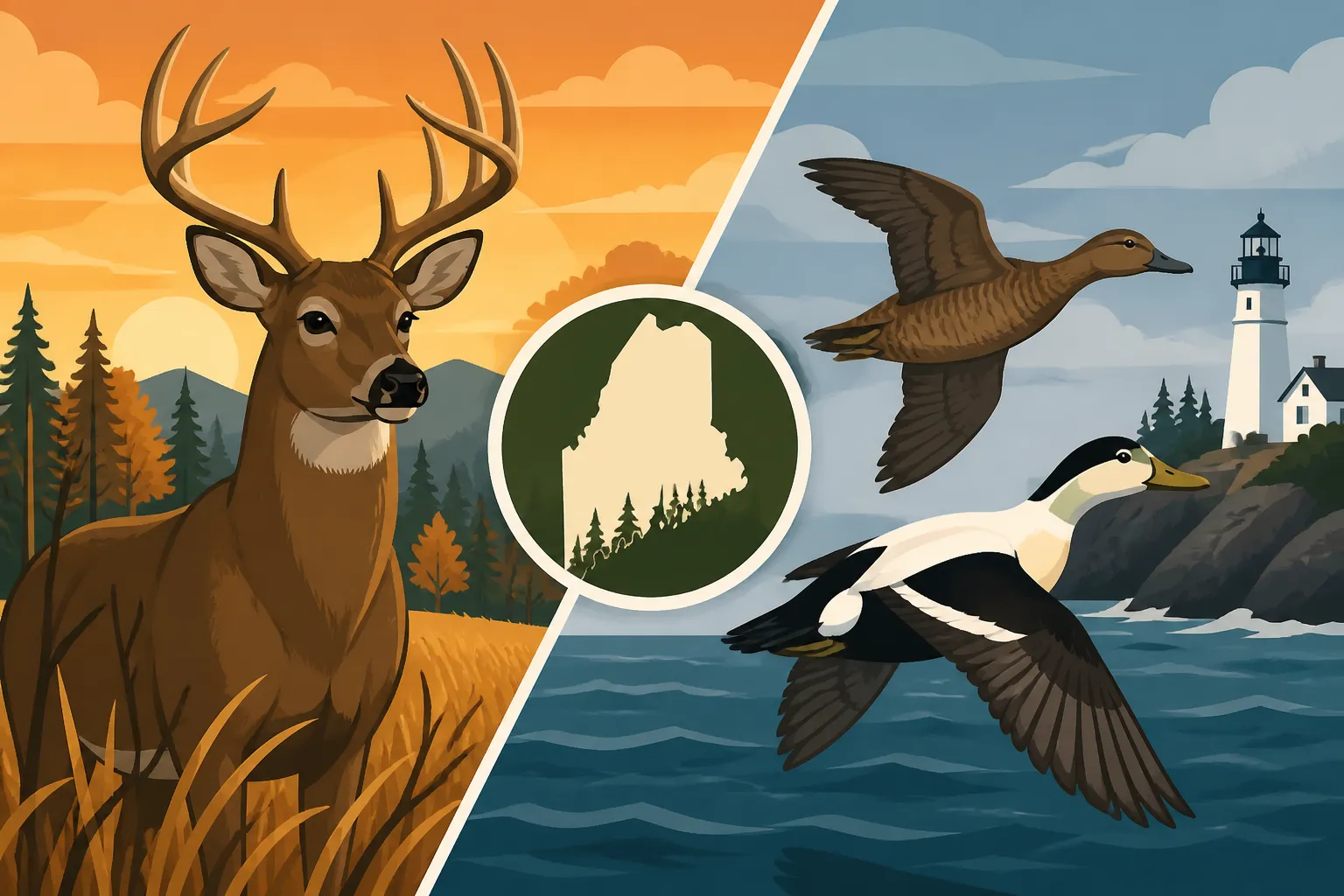
Think about it: you've already made the journey to Maine. Why not maximize your adventure? You could spend a few days still-hunting for a late-season buck, capitalizing on snow tracking or specific food sources, and then pivot to the coast for a few intense days chasing eiders, scoters, and long-tailed ducks. This dual pursuit offers a dynamic contrast in methods and scenery, from the serene, snow-covered woods of interior Maine to the raw, wild beauty of the Atlantic coastline. It's not just about filling tags; it's about the full immersion into Maine's winter landscape and the diverse challenges it presents. The physical and mental shifts required to go from a quiet deer stand to a rocking layout boat keep your senses sharp and your experience incredibly rich.
Navigating Late-Season Timing and Weather
The late season in Maine typically means muzzleloader season for deer, which often extends into December in specific Wildlife Management Districts (WMDs). This period coincides perfectly with peak sea duck numbers along the coast, as most species have arrived and settled into their wintering grounds. However, "late season" in Maine is synonymous with "cold, wet, and potentially snowy." You'll be dealing with conditions that can range from freezing rain to heavy snowfall in the woods, and biting winds with heavy chop on the ocean.
Successful planning hinges on understanding these weather patterns and building flexibility into your schedule. A heavy snowstorm inland might make deer hunting fantastic, but it could also make travel challenging or delay a sea duck trip due to unsafe ocean conditions. Conversely, a calm, cold day perfect for a sea duck hunt might mean stiff, crusty snow in the woods that makes quiet stalking impossible. It’s a delicate balance. Many hunters choose to dedicate specific days to each pursuit, perhaps starting with deer hunting inland, then moving to the coast. This way, if one activity gets weathered out for a day, you might still be able to engage in the other. Being flexible with your itinerary and having backup plans is crucial for a successful late-season combo hunt. You need to be ready to adjust on the fly, just like a true Mainer.
Essential Preparations: Licenses, Gear, and Physical Demands
A combo hunt requires double the preparation. You're essentially gearing up for two distinct trips, each with its own set of demands and necessities. Cutting corners here will only lead to a less enjoyable, and potentially less safe, experience.
Understanding Maine's Late-Season Regulations
First and foremost, you need the right paperwork. For deer, the late season typically falls within the muzzleloader season. This means you’ll need your basic hunting license, plus a muzzleloader permit. Not all WMDs have extended muzzleloader seasons, so you’ll need to research which zones are open for Hunting the Muzzleloader Close in Mid-December. Remember, these permits are generally available to both residents and nonresidents, but there are different costs involved, as detailed in Maine Muzzleloader Permit Costs.
For sea ducks, you'll need your regular hunting license, a Maine Migratory Bird Hunting Permit, and a Federal Duck Stamp. It’s also wise to be familiar with the specific daily bag limits and possession limits for each species of sea duck (eiders, scoters, long-tailed ducks), which can vary. Maine's sea duck season also has specific zones and dates, so ensure your planned dates align with the legal season in your chosen coastal area, information often found in Maine Sea Duck Season and Zones. Always carry physical or digital proof of all your licenses and permits, and make sure you understand the regulations regarding firearm transport between hunting areas, especially if you're traveling from an inland deer hunt to a coastal sea duck charter.
Gear Considerations for a Dual Hunt
This is where the planning really gets intricate. You’re packing for two different extremes: the quiet, cold woods and the wet, wild ocean.
For deer hunting:
- Layered Clothing: Think wool, fleece, and waterproof/windproof outer shells. You’ll be sitting or still-hunting in potentially frigid temperatures. Cold-Weather Sitting Strategy in Maine often emphasizes layering to manage sweat and stay warm.
- Footwear: Insulated, waterproof boots are non-negotiable. Extra socks are a must.
- Muzzleloader: Ensure it’s sighted in and you have appropriate ammunition.
- Optics: Binoculars for spotting deer, especially in low light.
- Safety Gear: Blaze orange is required during the muzzleloader season. A headlamp, compass/GPS, and first-aid kit are essential.
- Backpack: For carrying snacks, water, calls, and processing tools.
For sea duck hunting:
- Extreme Cold and Wet Weather Gear: This is crucial. Think commercial-grade waterproof and windproof outerwear, neoprene waders, and insulated, waterproof gloves. You will get wet, and the windchill on the open water is brutal.
- Warm Layers: Again, wool and synthetics are your friends. Stay away from cotton.
- Life Vest: If you’re on a boat, a life vest is non-negotiable. Many guides provide these.
- Shotgun: A reliable, corrosion-resistant 12-gauge shotgun is standard. Bring plenty of steel shot in appropriate sizes.
- Eye and Ear Protection: Essential for shooting on the water.
- Dry Bags: For electronics, spare clothes, and anything you absolutely cannot get wet.
- Food/Drink: Hot beverages in a thermos and high-energy snacks are a lifesaver.
Trying to pack light for this kind of trip is a fool's errand. You'll need substantial gear for both, and often, what works for one won't cut it for the other.
Physical Demands and Mental Preparedness
Don’t underestimate the physical toll of a late-season combo hunt. Deer hunting in December can involve traversing uneven, snow-covered terrain, often for miles, or sitting motionless for hours in freezing temperatures. Dragging a deer out of thick cover through snow is a Herculean task. Recovering a Deer From a Cedar Swamp or from a remote clear-cut will test your endurance.
Sea duck hunting, while often less about hiking, demands a different kind of toughness. You’ll be battling seasickness, bone-chilling cold, and the constant movement of a boat. Hauling and deploying heavy decoys, retrieving birds from icy water, and maintaining focus in a dynamic environment are physically taxing. You might be climbing in and out of a layout boat, or bracing against waves in a larger sea duck rig.
Mentally, you need to be prepared for fluctuating success rates, challenging weather, and potential setbacks. Maine’s late season is beautiful but unforgiving. The ability to adapt, stay positive despite conditions, and maintain a high level of safety awareness is paramount. A good night's sleep and proper nutrition will go a long way in keeping your spirits and energy up throughout the trip.
Strategies for Success: Deer Woods to Coastal Blinds
Once you have your logistics sorted and your gear packed, it's time to think about tactics. Success in a late-season combo hunt hinges on understanding the specific behaviors of deer and sea ducks during this time of year and tailoring your approach accordingly.
Late-Season Deer Tactics in Maine
By December, the rut is largely over, and deer have one thing on their mind: survival. This translates to a focus on food and thermal cover.
- Food Sources: Natural browse might be harder to find under snow, making cultivated food sources incredibly attractive. Think abandoned apple orchards (Hunting a Standing Apple Orchard), standing cornfields (if still available), or areas with browse that deer can still access. Even certain logging cuts might offer fresh growth that deer will frequent. Late-Season Food Sources for Maine Whitetails is an excellent resource for this.
- Thermal Cover: Deer will seek out dense evergreen cover, particularly thick stands of spruce, fir, or cedar swamps, to escape the wind and snow. These areas become critical bedding and travel corridors. Look for fresh sign along the edges of these cover types.
- Tracks in Snow: If you get fresh snow, it's a game-changer. Fresh tracks reveal deer movement patterns and can allow for successful still-hunting or tracking. Learning to Tracking a Deer in Fresh Maine Snow can be a highly effective method.
- Patience and Persistence: The late season can be tough. Deer move less, and often only during the warmest parts of the day or right at dawn/dusk. Extended sits in strategic locations are often more productive than constant movement. Pay attention to wind and thermals, as deer rely heavily on their noses in winter.
When the snow is deep, deer yards, especially cedar swamps, become magnets. Finding these traditional wintering areas and scouting the approaches to them can lead to encounters with deer that are otherwise extremely difficult to locate.
Sea Duck Hunting on the Icy Maine Coast
Sea duck hunting is a completely different beast. It’s loud, wet, and exhilarating. You're typically hunting from a boat, often a specialized sea duck rig or a layout boat, using large decoy spreads.
- Decoy Spreads: Sea ducks are drawn to large, visible spreads, often with a mix of eider, scoter, and long-tailed duck decoys. The success of Decoying Eiders on a Falling Tide or Hunting Scoters From a Sea Duck Boat often depends on having a realistic and enticing spread.
- Boat Placement: Your guide will position the boat in strategic locations, often near ledges, rips, or channels where sea ducks feed and travel. Understanding how to Reading a Ledge for a Morning Sea Duck Flight is part of the guide's expertise.
- Weather and Tides: Sea duck hunting is heavily influenced by tides, wind, and swell. Calm conditions might be nice, but a little chop often gets the ducks moving. Guides will monitor forecasts closely and make calls based on safety and bird movement.
- Marking Birds: Once a bird is shot, it's critical to mark its location immediately. Crippled sea ducks can dive and travel significant distances. A good retriever dog is invaluable, but many guides use retrieve poles or net.
- Safety First: On the ocean, safety is paramount. Always listen to your guide, wear your life vest, and be aware of your surroundings. Hypothermia is a real danger in these cold, wet environments.
Hunting from a Layout Boat Hunting the Maine Coast can be an incredible experience, putting you right at sea level with the ducks, but it's not for the faint of heart and requires specific safety protocols.
Finding the Right Outfitter or Going Self-Guided for Your Combo
The decision to go with an outfitter or attempt a self-guided combo hunt is a significant one, impacting everything from cost to convenience and ultimately, your chances of success.
The Benefits of a Guided Combo Hunt
For a complex trip like a late-season deer and sea duck combo, hiring a Registered Maine Guide is often the best approach, especially for non-residents or those unfamiliar with Maine’s unique conditions. A guide brings invaluable expertise, intimate knowledge of local regulations, and access to prime hunting areas.
- Logistics: Guides handle the heavy lifting of logistics. They know the best late-season deer spots, whether it’s private land with permission or public tracts. They have the boats, decoys, and safety equipment for sea duck hunting. This eliminates the need for you to transport specialized gear or spend precious hunting time scouting.
- Expertise: A good guide knows deer patterns, current food sources, and how to track in snow. On the coast, they understand tidal flows, bird movements, and safe navigation in rough seas. Their experience can dramatically increase your success rate and ensures a safer trip. For example, they'll know precisely where to find Late-Season Food Sources for Maine Whitetails or where the eiders are most likely to Decoying Eiders on a Falling Tide.
- Safety: Navigating Maine’s winter woods or the open ocean can be hazardous. Guides are trained in wilderness first aid and marine safety, and they have the communication and emergency equipment necessary.
- Efficiency: Instead of spending days figuring out where to go and what to do, a guide maximizes your hunting time by taking you directly to productive areas.
When looking for a guide, consider those who specifically offer combo packages or are proficient in both types of hunting. Websites like BookYourHunt.com or GoHunt.com can be valuable resources for finding reputable outfitters that specialize in diverse Maine hunting experiences. You can search for guides who offer both deer and sea duck trips, or consider booking with two separate guides who coordinate their services to provide a seamless experience. Be sure to ask about Average Cost of a Guided Maine Deer Hunt and What a Sea Duck Charter Costs to budget appropriately.
Weighing the Self-Guided Option
While more challenging, a self-guided combo hunt is certainly possible for experienced hunters with the right resources and knowledge.
- Cost Savings: This is often the primary driver. Eliminating guide fees can significantly reduce the overall expense of your trip.
- Flexibility: You set your own schedule, choose your own locations, and adapt on your own terms without needing to coordinate with a guide.
- Personal Challenge: For some, the satisfaction of successfully executing a complex self-guided hunt is the ultimate reward.
However, the self-guided route demands extensive preparation. You need to be intimately familiar with Maine’s hunting regulations, possess your own specialized gear for both deer and sea duck hunting, and have a high level of comfort navigating both wilderness and coastal environments. This means having your own reliable boat and decoys for sea ducks, or knowing landowners who grant permission for deer hunting, as Maine's Private Land Access Tradition often relies on implied permission which can be tricky to navigate. You also need to be proficient in winter survival skills and self-rescue techniques. For non-residents, particularly, this can be a monumental task, often requiring multiple scouting trips or years of accumulated local knowledge.
Here’s a quick comparison to help you weigh your options:
| Feature | Guided Combo Hunt | Self-Guided Combo Hunt |
|---|---|---|
| Cost | Higher upfront expense (guide fees, lodging) | Lower upfront fees, but significant gear investment |
| Knowledge | Leverages guide's local expertise, current conditions | Requires extensive personal scouting, research, and skill |
| Logistics | Guide handles permits, gear, access, travel planning | Hunter responsible for all permits, gear, and access |
| Safety | Guide provides expertise, emergency comms, first aid | Hunter responsible for all safety measures and resources |
| Success Rate | Generally higher due to guide's experience and access | Varies greatly based on hunter's skill, knowledge, and luck |
| Gear Required | Minimal personal gear, guide provides specialty items | Own all specialized gear (boat, decoys, stands, etc.) |
| Flexibility | Limited to guide's schedule and availability | Maximum flexibility in schedule and hunting locations |
| Effort | Less pre-trip planning, more hunting time | Significant pre-trip planning and in-field effort |
Ultimately, booking a late-season deer and sea duck combo hunt in Maine is an unforgettable experience, offering a full spectrum of hunting challenges and rewards. Whether you choose the path of least resistance with a seasoned guide from a platform like BookYourHunt, or embrace the ultimate challenge of a fully self-guided adventure, thorough preparation and a resilient spirit are your best assets. The wild beauty of Maine in the late season, from its snow-kissed forests to its rugged coastline, promises an adventure like no other.
Disclaimer
This article is for general informational purposes only and does not constitute professional advice. Laws, prices and regulations vary by location and change over time. Consult a qualified professional for guidance on your specific situation.