What a Public Land Deer Hunt Actually Costs
It's a common misconception that hunting on public land is "free." While you don't typically pay for a lease or a guide fee, anyone who has spent a season pursuing deer in Maine's vast public forests or wildlife management areas knows that the costs can, and do, add up. This guide aims to pull back the curtain on the real expenses involved, helping you budget for a successful, self-guided public land deer hunt in the Pine Tree State.
The Myth of the "Free" Public Land Hunt
There’s a romantic ideal of simply walking into the woods, rifle in hand, and connecting with nature and a deer, all without spending much more than the cost of your license. While the spirit of that self-reliant pursuit is very real, the financial reality is a little more nuanced. Public land hunting is often the most economical way to hunt, especially compared to private leases or fully guided excursions, but it's far from a no-cost endeavor once you factor in everything from gas to gear.
Beyond the License Tag
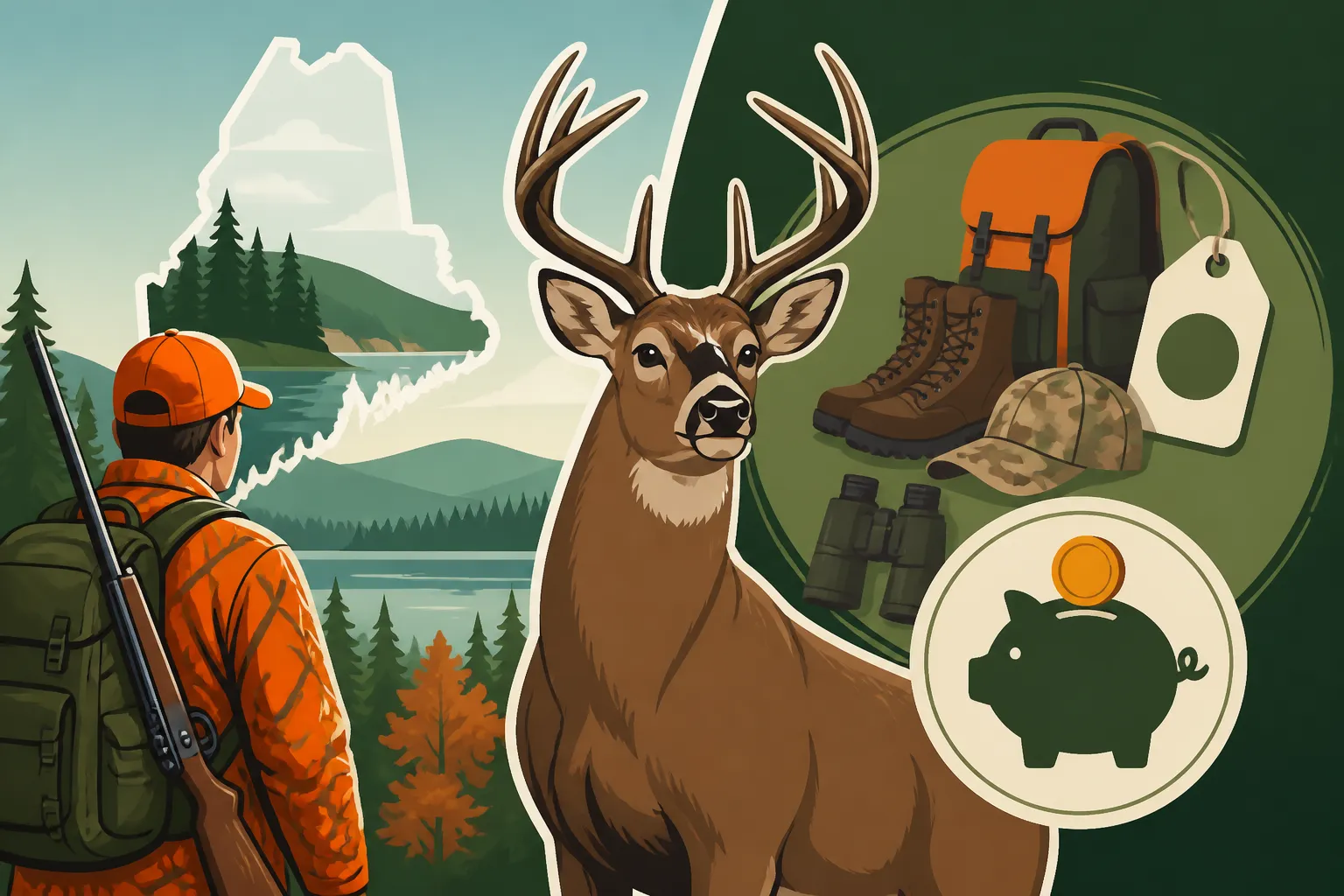
Let's be honest, that annual hunting license and deer permit are just the tip of the iceberg. You need something to wear, something to shoot, and plenty of accessories to make the hunt safe, comfortable, and productive. Think about the initial investment for a new hunter: a reliable rifle or bow, a good set of binoculars, proper cold-weather gear, and safety items like blaze orange. These aren't one-time purchases for a single hunt; they're foundational tools that you'll use for years, but their initial outlay still contributes to the overall cost of getting started on public land. Every hunter, regardless of their preferred hunting grounds, needs these basics. Even experienced hunters face ongoing costs with ammunition, broadheads, scent control, and yearly upgrades or replacements of worn-out items.
Comparing Costs: Private vs. Public
When we talk about the cost of hunting, public land often emerges as the budget-friendly champion. And in many ways, it is. You bypass the often exorbitant fees associated with leasing private land, which can run into thousands of dollars annually, or the hefty price tag of a fully outfitted and guided hunt. Maine has a rich tradition of Maine's Private Land Access Tradition, but even that requires asking permission and often still involves travel. On public land, the access itself is generally free once you’ve paid your base license. This makes hunting accessible to a wider range of people, fostering a strong do-it-yourself (DIY) hunting culture. However, this "saving" comes with its own set of responsibilities and hidden costs. For instance, without a guide to scout for you or provide transportation, you become the scout and the driver, and those roles come with their own expenses for fuel, time, and specialized gear. You might save on a guide's fee, but you'll certainly spend on gas to drive yourself to those remote logging roads in the North Maine Woods Logging Road Access.
Essential Upfront Investments for Public Land Deer Hunting
Before you even step foot onto a piece of public ground, there are fundamental expenses that every hunter must address. These are the non-negotiables that form the bedrock of any hunting trip.
Licensing and Permits
This is perhaps the most obvious cost, but it's also one that varies considerably. As a hunter in Maine, your first step is always securing the proper licenses. This will include a base hunting license, which differs in cost for Maine Resident License Options versus Maine Nonresident License Options. On top of that, you'll need specific permits for deer, such as a statewide deer permit or, if you're lucky enough to draw one, an antlerless deer permit (often called an "Any-Deer Permit" in Maine) for specific Wildlife Management Districts (WMDs).
It's crucial to check the current rates for these each year, as they can change. While the state manages these fees, they directly contribute to wildlife conservation and management efforts, which ultimately benefit the hunter. Don't forget, if you're planning to hunt during the muzzleloader season, that's another permit you'll need to factor in. The good news is that Maine offers a variety of license packages, and understanding Maine Hunting Licenses and What They Cost will help you budget accurately. Remember, an un-validated license or missing permit can quickly turn a successful hunt into a costly legal headache.
Core Gear: The Non-Negotiables
Beyond your licenses, there's a foundational kit that every deer hunter needs for safety, effectiveness, and comfort. Trying to skimp too much here can lead to a miserable, or even dangerous, experience.
- Weapon of Choice: Whether you opt for a rifle, shotgun, or muzzleloader during the firearms season, or a compound, recurve, or even a crossbow during the archery seasons, this is often the most significant single investment. A reliable firearm for Maine Legal Firearms for Deer Hunting or appropriate equipment for Maine Crossbow Equipment Requirements is critical. Ammunition or broadheads also fall into this category, as you'll need them for practice and the hunt itself.
- Optics: A good pair of binoculars is invaluable for spotting deer in thick cover or at a distance. A quality scope on your rifle can mean the difference between a clean harvest and a missed opportunity.
- Clothing: Maine weather can be notoriously unpredictable, swinging from mild to bone-chillingly cold in a single day. Layering is key, and investing in good waterproof, windproof, and insulated outer layers is non-negotiable for comfort and safety. Don't forget your How Much Blaze Orange Maine Requires – it's a legal requirement during firearms season and a smart safety measure anytime.
- Boots: Your feet are your primary mode of transportation on public land. A sturdy, waterproof, and well-insulated pair of hunting boots will prevent misery and keep you mobile.
- Essential Tools: This includes a sharp hunting knife, a small field dressing kit, a headlamp for early mornings or late evenings, a compass or GPS device (and knowing how to use it!), and a robust backpack to carry your gear and, hopefully, meat.
While you don't need the absolute top-of-the-line version of everything, choosing reliable gear that will withstand Maine's rugged conditions is a wise investment that pays dividends over many hunting seasons.
Ongoing & Variable Expenses for a Public Land Deer Hunt
Once you've got your licenses and core gear squared away, the recurring costs associated with actually doing the hunt come into play. These are the expenses that often surprise new public land hunters.
Transportation and Fuel
This is, hands down, one of the biggest "hidden" costs of public land hunting, especially in a state like Maine with vast tracts of remote forest. Getting to prime deer habitat often means driving a significant distance, sometimes for hours, into the deep woods.
- Scouting Trips: Effective public land hunting demands thorough scouting. You can't just show up on opening day and expect success. This means multiple trips out to your chosen hunting area before the season even starts to identify deer trails, bedding areas, food sources, and ideal stand locations. Each one of these trips burns fuel, whether it's for your pickup truck, SUV, or even an ATV if you're accessing gated logging roads or designated trails. Even utilizing tools like mapping apps requires initial reconnaissance to verify what you see on a screen.
- Hunting Trips: Once the season opens, you'll be making those same trips, potentially even more frequently. If your chosen public land is two hours away, a weekend hunt means four hours of driving, plus any driving around the hunting area itself. The cost of gasoline, particularly for larger vehicles or during periods of high fuel prices, can easily add up to hundreds of dollars over a season. Consider the journey to a distant Wildlife Management Area or the extensive network of private industrial forestland that offers public access—these are long hauls.
- Vehicle Maintenance: More miles on rough logging roads also means more wear and tear on your vehicle. Tires, suspensions, and alignments can all take a beating, leading to unexpected repair costs. You're effectively paying for the infrastructure that supports your access to these "free" lands.
Scouting and Trail Cameras
As mentioned, scouting is paramount for public land success. Unlike private land where you might have established food plots or consistent pressure points, public land deer patterns can be more fluid and less predictable.
- Time Investment: The biggest cost here isn't necessarily monetary, but time. Hours spent hiking, driving, and observing are critical. For many, taking vacation days for scouting can be a significant cost, even if it's not a direct payment.
- Trail Cameras: Trail cameras have become an indispensable tool for public land hunters. They allow you to monitor specific areas without constant human presence, giving you a better understanding of deer movement patterns. However, buying several reliable cameras, especially models with cellular capabilities, represents a substantial upfront cost. Then there's the ongoing expense of batteries, SD cards, and if you opt for cell cams, a monthly data plan. While Where to Hang a Camera on a Logging Road can provide good intel, the investment is still there. Tools like the Scouting With the Maine Hunting App can help maximize your scouting efforts, but still require your time and fuel to visit potential spots.
- Understanding the Landscape: Public land often means diverse, unmanaged terrain. You need to understand how deer use different habitat types, from clear-cuts to mature timber, and how pressure from other hunters might shift their patterns. This knowledge comes from dedicated scouting, which inherently involves spending money on transportation and potentially specialized gear like mapping software. You won't find private land deer farms on public land, so you're relying on your own hard work to locate game.
Food, Lodging, and Incidentals
For multi-day hunts, especially those deep in the North Woods or other remote regions, these seemingly small expenses can quickly accumulate.
- Food and Drink: While packing your own sandwiches and snacks will always be cheaper than eating out, the cost of groceries for an extended trip for yourself or a hunting party can add up. Hydration is also key, and carrying enough water or purification supplies is essential.
- Lodging: Unless you're strictly day-hunting from home, you'll need a place to stay. This could range from primitive camping on designated public lands (be sure to check Camping Rules Inside North Maine Woods or WMA rules) to a basic motel in a nearby town, or even renting a cabin. Even camping incurs costs for gear like tents, sleeping bags, and cooking equipment. If you choose to stay in a motel, even a budget-friendly option for a few nights, it can add significantly to your overall bill. Many hunters cherish Maine Deer Camp Traditions, but even those involve collective costs for shared supplies and cabin rentals.
- Emergency Supplies: Being prepared for the unexpected is crucial on public land. This includes a robust first-aid kit, extra batteries, a satellite communication device for areas without cell service, and survival gear. While you hope you never use them, these items are a necessary investment for safety.
Processing and Post-Harvest Costs
Congratulations, you've harvested a deer on public land! The hunt isn't over yet, and neither are the expenses. Turning that animal into venison for the freezer or a trophy for the wall involves further costs.
Butcher Fees or DIY Supplies
Once you've field dressed your deer (another skill vital for public land hunters), you have a choice: take it to a professional butcher or process it yourself.
- Professional Butcher: This is often the most convenient option, especially after a long, tiring hunt. Maine has many excellent butchers who specialize in game processing. However, this convenience comes at a cost, typically based on the weight of the animal or a flat fee. These fees can vary, but expect to pay a significant amount to have your deer cut, wrapped, and ready for the freezer. It’s worth every penny for some, but it’s a cost nonetheless.
- Do-It-Yourself Processing: Many seasoned public land hunters pride themselves on processing their own game. This saves on butcher fees but requires an upfront investment in supplies: a good set of knives, a meat saw, a grinder for making burger or sausage, and a vacuum sealer with bags for long-term freezer storage. While these are one-time purchases, they still contribute to the overall cost of a public land hunt. Learning to butcher also takes time and practice, a different kind of investment. Our guide on Butchering a Deer at Camp can help you learn the ropes.
Taxidermy and Trophy Care (Optional)
If you're fortunate enough to harvest a buck you want to immortalize, taxidermy is another significant expense. This is entirely optional, of course, but for many, a trophy mount is a cherished reminder of a successful hunt.
- Mounting Fees: High-quality taxidermy for a shoulder mount can be a substantial investment. These prices vary widely based on the taxidermist's skill and the complexity of the mount.
- Caping and Initial Care: Even if you plan to use a taxidermist, you'll need to know how to properly cape your deer in the field or at camp to ensure the hide is preserved correctly. This requires careful knife work and proper cooling, which can be challenging in remote public land settings, especially if temperatures are warm. Neglecting proper field care can ruin a cape and waste your taxidermy investment.
Strategizing to Manage Public Land Hunting Costs
While public land hunting isn't "free," there are many ways to be a smart, budget-conscious hunter without sacrificing success or safety. A little planning and a DIY mindset go a long way.
Smart Gear Purchases
Don't feel pressured to buy the most expensive gear right out of the gate. There are plenty of ways to equip yourself effectively without breaking the bank.
- Buy Used: Many hunters upgrade their gear regularly, and there's a thriving market for used hunting equipment. Check local online marketplaces, consignment shops, or even yard sales for quality used firearms, optics, treestands, or clothing. Just be sure to inspect items thoroughly.
- Sales and Discounts: Seasonal sales, end-of-season clearances, and holiday promotions are excellent times to stock up on essentials like ammunition, broadheads, or apparel. Sign up for newsletters from your favorite outdoor retailers to get notified of upcoming deals.
- Prioritize: Focus your budget on the absolute necessities first: a reliable weapon, good boots, proper clothing, and critical safety gear. You can always add comfort items or specialized tools later.
- Borrow or Share: If you're hunting with friends or family, consider sharing certain expensive items like a good spotting scope, a portable ground blind, or processing equipment. Just be sure to coordinate and take good care of borrowed gear.
Localizing Your Hunt
One of the biggest cost drivers is transportation. By focusing your efforts closer to home, you can dramatically reduce your fuel expenses and time on the road.
- Explore Nearby WMAs: Maine has numerous Maine Wildlife Management Areas scattered across the state, many of which are more accessible than the deep North Woods. These areas are managed specifically for wildlife and public recreation, offering excellent hunting opportunities. Finding a Maine WMA Near You that's just an hour or two away can save you a bundle in gas money over a season.
- Public Reserved Lands: Beyond WMAs, Maine also maintains a system of Maine Public Reserved Land Explained. These lands offer opportunities for hunting, camping, and other outdoor activities. While they might not be as intensely managed for specific game populations as WMAs, they often provide excellent habitat and less pressure than more popular spots.
- Leverage Local Knowledge: Talk to other hunters, visit local sporting goods stores, or consult regional game wardens (respectfully, of course) for tips on accessible public land spots in your vicinity. Sometimes, the best spots are the ones overlooked because they're not "famous" or require a bit more legwork.
DIY Ethic: From Scouting to Processing
Embracing the do-it-yourself (DIY) spirit is at the heart of public land hunting, and it's also your biggest tool for cost management. Every task you can accomplish yourself saves you money that you would otherwise spend on services.
- Become Your Own Scout: Invest in good maps (physical and digital), learn to read topography, understand deer sign, and spend time in the woods before the season. Your feet on the ground are the best trail camera you can have, and they don't need batteries.
- Learn Field Dressing and Processing: This takes practice, but once mastered, you eliminate butcher fees entirely. It also gives you complete control over how your meat is handled and prepared. Start with small game or watch online tutorials before tackling a deer if you're unsure.
- Maintain Your Gear: Learning basic maintenance for your firearm, bow, and other equipment can extend their lifespan and prevent costly repairs. A clean, well-maintained rifle is a safer and more accurate rifle.
- Pack Your Own Meals: Avoid fast food stops or expensive restaurant meals during your hunting trips. Plan and pack nutritious, easy-to-prepare meals and snacks. A thermos of coffee and a packed lunch are far cheaper than stopping at every diner.
Utilizing Online Resources for Planning
While there aren't specific services dedicated to tracking public land hunting costs in Maine, many online platforms and resources can help you plan more efficiently, which in turn saves money. Think of tools that help you scout virtually, understand regulations, or find optimal hunting times.
For instance, sites that focus on connecting hunters with opportunities, like BookYourHunt, while primarily geared towards guided trips or private land leases, still demonstrate the value of organized planning. You can adapt this mindset to your public land hunt: meticulously plan your routes, potential stand sites, and backup locations using mapping applications. Similarly, platforms like GoHunt provide extensive mapping tools, weather overlays, and historical data that can inform your scouting strategy, helping you pinpoint high-potential areas and avoid wasting fuel on unproductive ground. Using these types of advanced mapping features, even if the primary content leans towards other hunt types, can make your public land efforts more efficient and less costly in terms of wasted time and fuel. Planning effectively means fewer unexpected expenses and better use of your limited time off.
Here's a quick look at potential cost ranges for a typical self-guided public land deer hunt in Maine:
| Expense Category | Low-End Estimate (DIY, local) | Mid-Range Estimate (Some new gear, moderate travel) | High-End Estimate (New gear, extensive travel, services) |
|---|---|---|---|
| Licenses & Permits | $30 (resident base + deer) | $50 (resident base + deer + antlerless) | $150 (non-resident base + deer) |
| Core Gear (annual/upgrades) | $50 (ammo, broadheads, small items) | $200 (clothing refresh, new optics) | $500 (new firearm/bow, high-end layers) |
| Transportation (Fuel) | $50 (local WMA, short trips) | $200 (multiple trips, moderate distance) | $500+ (deep North Woods, multiple scouting/hunting trips) |
| Scouting (Time/Cameras) | $0 (time only, no cams) | $150 (batteries, SD cards, basic cam) | $400 (multiple cellular cams, data plan) |
| Food & Lodging | $50 (packed meals, day trips) | $150 (camp food, basic camping gear) | $300 (some motel nights, nicer camp food) |
| Processing | $0 (DIY supplies already owned) | $100 (basic DIY supplies) | $200 (professional butcher) |
| Incidentals/Emergencies | $20 | $50 | $100 |
| Total Estimated Range | $200 – $300 | $900 – $1200 | $2000 – $2500+ |
Note: These are estimates for a single hunter for one season and do not include initial major investments like a first firearm/bow (which could add $500-$1500+), or optional costs like taxidermy.
Hunting public land in Maine is a deeply rewarding experience, offering solitude, challenge, and connection to the wild. While the land itself is free to roam, the pursuit of deer carries a legitimate financial cost. By understanding and budgeting for these expenses—from licenses and gear to gas and game processing—you can ensure your adventures in the Maine woods are not only successful but also sustainable for your wallet. Embrace the DIY ethic, plan strategically, and enjoy the unparalleled opportunities that Maine's public lands have to offer.
Disclaimer
This article is for general informational purposes only and does not constitute professional advice. Laws, prices and regulations vary by location and change over time. Consult a qualified professional for guidance on your specific situation.