Cold-Weather Sitting Strategy in Maine
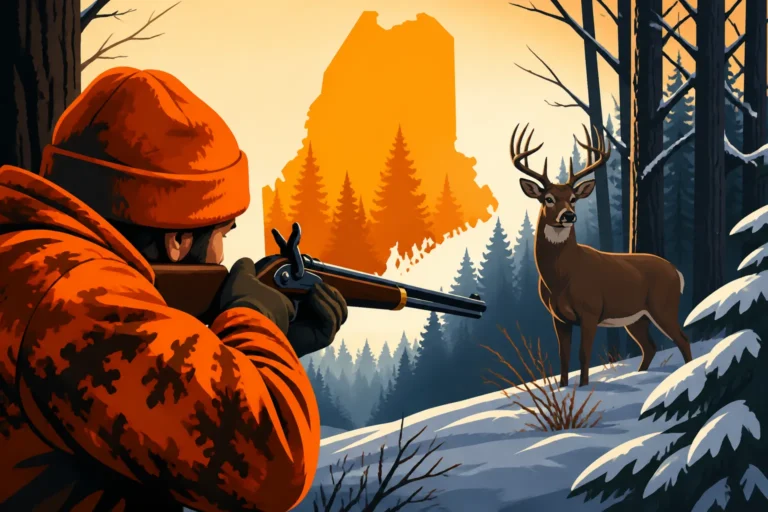
The late season in Maine can be a real test of grit for deer hunters. When the leaves are gone, the temperatures plummet, and the wind bites right through you, it’s easy to find yourself calling it a day earlier than you should, missing out on those prime late-afternoon movements. This guide is all about equipping you with the knowledge and strategies to not just endure, but thrive during those brutal cold-weather sits, extending your time in the woods and increasing your chances of success when others have packed up and headed for warmth.
The Unique Challenges of Maine's Winter Chill
Hunting in Maine as the calendar pushes into late November and December isn't just about colder temperatures; it's about a fundamental shift in both the environment and deer behavior. What worked during the warmer early archery season or the peak of the rut simply won't cut it when the mercury drops and snow begins to fly. Ignoring these changes is a surefire way to have a miserable, unproductive hunt.
Understanding Maine's Late-Season Weather Patterns
Maine's weather can be notoriously fickle, especially as we transition from fall to winter. One day, you might have a crisp, sunny November morning, and the next, a nor'easter dumps a foot of snow, followed by a bitter cold snap that sends temperatures well below zero with brutal wind chills. This isn't just an inconvenience; it dictates everything from deer movement to your personal safety. I've seen seasons where the first significant snow arrives in mid-November, blanketing the woods and instantly changing the game, while other years, we're still dealing with bare ground well into December during the extended muzzleloader season.
The wind, in particular, becomes a major factor. A 20-degree day with no wind can feel quite comfortable if you're dressed properly and moving. But add a 15-20 mph breeze, and that "feels like" temperature can drop dramatically, making exposed stands unbearable and sucking the warmth right out of you. Hunters need to pay close attention to the forecast, not just for temperature, but for wind speed and direction, and any precipitation. Planning your sit based solely on a single temperature reading is a recipe for hypothermia, or at the very least, a very short hunt.
The Impact of Cold on Deer Behavior
Deer are masters of energy conservation, and when the cold hits, their primary focus shifts dramatically. Their metabolism slows, and they seek out thermal cover and reliable food sources. Gone are the days of aimless wandering from the rut; now, it's about efficiency. This means deer activity often becomes much more concentrated around specific areas. They'll spend more time bedded in thick, sheltered cover, often on sunny slopes or in dense conifers that block the wind and trap what little warmth there is.
Food sources also change. Lush green browse is long gone, and acorns, if it was a good year, might be buried under snow. Deer will key in on remaining hard mast (if they can get to it), or more commonly, switch to woody browse, cedar swamps, and agricultural fields like corn stubble or brassicas. Understanding these shifts is paramount. If you're still hunting the same oak ridges you did in October, you're likely missing the new pattern. You'll want to focus on areas that provide both food and thermal cover within close proximity. This understanding also informs strategies like Reading a North Woods Deer Yard or focusing on Late-Season Food Sources for Maine Whitetails.
Common Mistakes Hunters Make in the Cold
It’s easy to make mistakes when the cold sets in, and these blunders can quickly turn a potential deer encounter into a shivering retreat. One of the most common is underdressing, or rather, dressing incorrectly. Piling on bulky layers that restrict movement or using materials that don't insulate when wet is a classic error. Another frequent mistake is neglecting extremities like hands and feet. You can have the warmest parka in the world, but if your fingers and toes are numb, your hunt is over.
Many hunters also underestimate the importance of nutrition and hydration in cold weather. Your body needs fuel to generate heat, and if you're running on empty, you'll get cold much faster. Dehydration is also a silent enemy, often overlooked because you're not sweating like you would in warmer weather. Finally, many give up too soon. Deer movement often occurs in short, intense bursts during cold spells, especially around dawn and dusk. If you're not prepared to sit through the lulls, you might miss the magic moment. It takes a certain level of mental fortitude to stay put when every fiber of your being is screaming for a warm truck and a hot coffee.
Essential Gear for Defeating the Cold on Stand
Staying warm isn't just about comfort; it's a safety issue and a tactical advantage. A shivering hunter can't hold a steady aim, nor can they sit quietly enough to avoid detection. The right gear makes all the difference, allowing you to focus on the hunt, not the cold.
Mastering the Art of Layering
Layering is the absolute cornerstone of cold-weather sitting. It's not about one super-thick jacket, but a system of clothing that works together to trap heat, wick moisture, and allow for ventilation as activity levels change. Think of it in three main parts:
- Base Layer: This is your foundation. It needs to wick moisture away from your skin to prevent evaporative cooling. Synthetics like polyester or natural fibers like merino wool are excellent choices. Cotton is the enemy in cold weather because it holds moisture and loses all insulating properties when wet. For those truly brutal Maine mornings, a heavy-weight merino wool base layer can be a game-changer.
- Mid-Layers: These are your insulation layers. Fleece, down, or synthetic puff jackets work well here. The goal is to trap air, which is then warmed by your body heat. You might use one thick mid-layer or several thinner ones depending on the temperature. A good mid-layer should be easily removable, so you can shed it if you're walking in and prevent sweating.
- Outer Layer (Shell): This is your protective shield against the elements – wind, snow, and rain. It should be windproof and waterproof (or highly water-resistant) while still being breathable enough to prevent moisture buildup from within. Look for quiet fabrics that won't spook deer. Many modern hunting systems from brands like Sitka, Kuiu, or First Lite offer integrated layering systems designed for specific conditions, making it easier to build an effective setup. When you're scouting new areas or reviewing historical weather patterns to plan your hunt, tools like GoHunt's mapping features can sometimes offer insights into prevailing winds, helping you anticipate what kind of shell you might need for a particular stand location.
Crucially, consider bringing an extra, super-warm "puffy" layer that you only put on after you get to your stand. Walking in with too many layers causes you to sweat, and that moisture will turn cold once you stop moving, chilling you to the bone. Pack that big, insulated jacket in a dry bag and put it on once you've settled in.
Hands, Feet, and Head: Critical Extremities
These are often the first parts of your body to get cold, and once they're cold, it's a struggle to warm them back up. Investing in high-quality gear for your extremities is non-negotiable for comfort and safety.
- Hands: A layering system works for hands too. Thin glove liners (wool or synthetic) allow for dexterity, while a larger, insulated mitten or a "hand muff" (a tube of insulated fabric with openings for your hands, often worn around the waist) can be pulled over them. Chemical hand warmers are also your best friend in bitter cold. Place them in your mittens or muff. I often use larger ones in an insulated muff to keep my fingers limber enough to shoot when a deer finally steps out.
- Feet: Again, no cotton socks! Wool or synthetic blend socks are a must. Consider two pairs: a thin wicking liner sock and a thicker insulating sock over it. Your boots need to be waterproof, well-insulated (at least 800-1200 grams of Thinsulate or equivalent for stationary cold-weather hunting), and importantly, roomy enough to allow for good circulation even with thick socks. Cramming your feet into tight boots will actually make them colder. Consider "pack boots" for extreme cold; their removable felt liners offer incredible warmth. Like with the puffy jacket, sometimes I'll carry my boots in and switch into them once I'm at the stand if I'm walking a long distance, especially if I'm Hunting a Cedar Swamp Deer Yard where I know my feet will get wet.
- Head: You lose a significant amount of heat through your head, so a warm hat is essential. A fleece beanie under a hooded outer layer is a good combination. A neck gaiter or balaclava protects your face and neck from biting winds, which can be surprisingly brutal when Hunting Downeast Coastal Cover.
Beyond Clothing: Portable Heaters and Insulated Accessories
Sometimes, even the best layering isn't enough when Maine's winter really digs in. That's when supplementary gear can make a huge difference:
- Portable Propane Heaters: Small, safe propane heaters designed for enclosed spaces (like Mr. Heater's Buddy series) can be a lifesaver in a ground blind. They provide radiant heat that warms you directly, and a warm blind can extend your sit by hours. Make sure you use them only in well-ventilated blinds and always follow manufacturer instructions. For hunters utilizing a ground blind on posted-free land, these can be especially beneficial.
- Heated Vests/Socks: Battery-powered heated vests, socks, and insoles are becoming more affordable and effective. They offer direct heat to core areas or extremities and can provide critical warmth during those long, still sits.
- Insulated Seat Cushions/Pads: Sitting directly on a cold metal stand or frozen ground will draw heat right out of your body. A thick, insulated seat cushion, preferably with a waterproof bottom, creates a crucial thermal barrier.
- Hand Warmers & Toe Warmers: These chemical packets are inexpensive and incredibly effective. Stock up on them and use them liberally in your pockets, gloves, boots, and even taped to your base layer over your kidneys or chest for core warmth.
Strategic Approaches to Cold-Weather Sitting
Beyond gear, how you approach your stand site and manage your time in the field drastically impacts your success and comfort during the cold season.
Choosing the Right Stand Location
In bitter cold, deer become hyper-efficient, moving only as much as necessary. This makes stand placement even more critical. Look for locations that provide:
- Thermal Cover: Deer will gravitate towards dense stands of conifers (pines, spruces, cedars), south-facing slopes, or thick tangles of brush that block the wind and capture sunlight. Set up on the edge of these areas, or even slightly within them, where deer will stage before heading to food. Where Maine Bucks Bed in Big Timber is a great resource for understanding these patterns.
- Reliable Food Sources: As mentioned, late-season food is key. This might be a standing apple orchard, a cut cornfield, or a beaver flowage edge where deer browse woody stems. Deer will hit these spots at predictable times, often in the late afternoon.
- Travel Corridors: Connect the dots between thermal cover and food sources. Look for pinch points, subtle funnels, or even just heavily used deer trails that lead from bedding to feeding. These are high-probability areas for an encounter, especially during daylight hours.
- Sun and Wind Protection: Wherever possible, position your stand to catch the maximum amount of sun and to be shielded from the prevailing wind. A tree stand on the lee side of a ridge or a ground blind brushed in on a field edge can feel significantly warmer than one exposed to the full brunt of a Maine winter gale. Using a tool like GoHunt to study topographical maps and wind patterns can help you identify these ideal locations before you even step foot in the woods.
Optimizing Your Entry and Exit Routes
Your approach to and from your stand in cold weather is crucial, both for not spooking deer and for managing your body temperature.
- Minimize Sweating: This is non-negotiable. Walk slowly and deliberately, taking off layers if needed. Carry your heavy outer jacket in your pack and put it on only when you've reached your stand and cooled down. Nothing will get you cold faster than sweating on the walk in and then sitting still.
- Stealth: The woods are often quieter in cold weather, especially with snow on the ground. Crunching through snow or rustling leaves will alert deer from a distance. Choose routes that allow for quiet movement. Consider following frozen creeks, old logging roads, or paths of least resistance.
- Wind Awareness: Always plan your entry and exit to keep the wind in your favor. If your scent blows into the bedding area on your way in, your hunt is likely over before it begins. Use a wind checker frequently. This is particularly important when Still-Hunting Western Maine Mountain Slopes where thermals can shift.
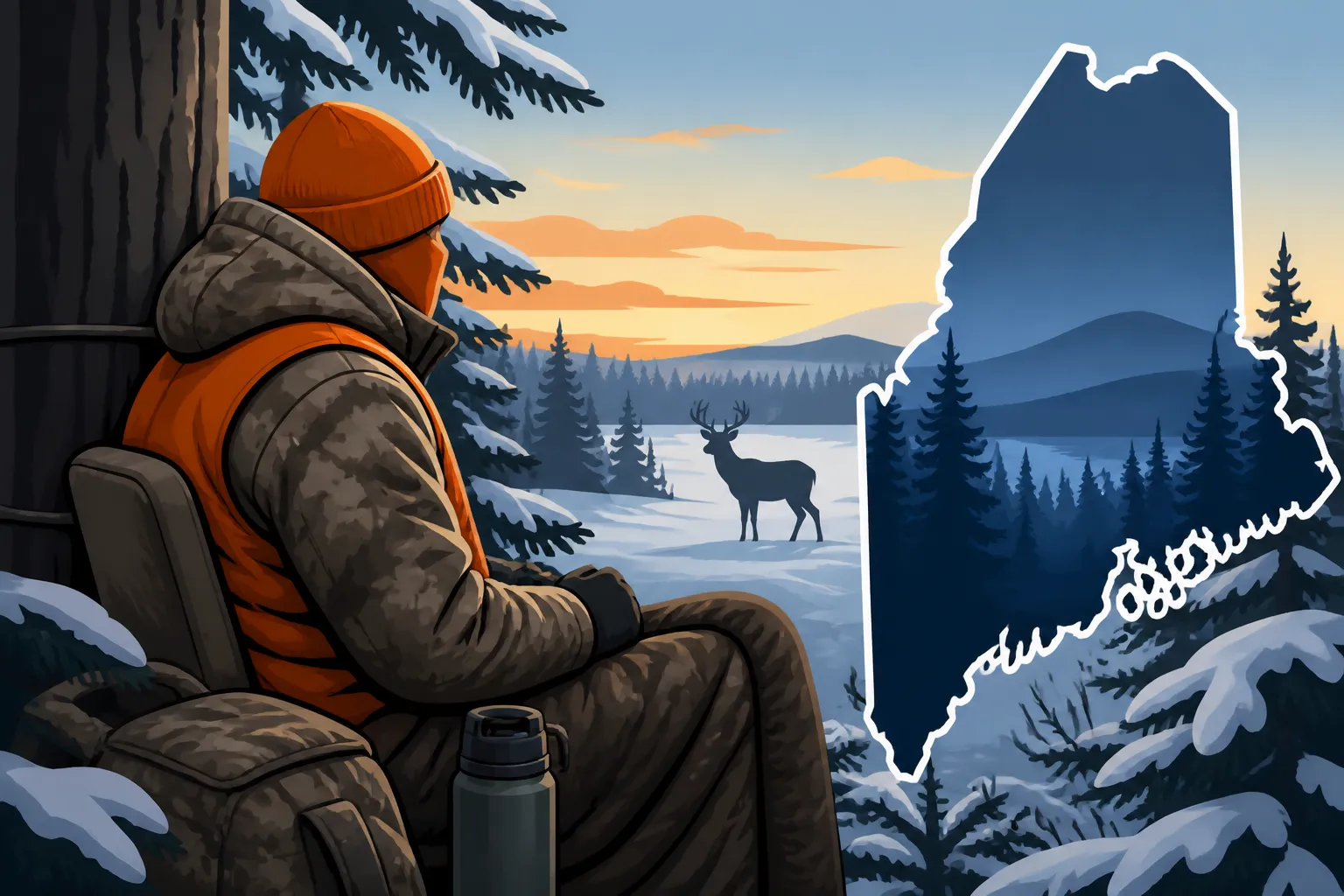
- Pack Smart: Carry everything you need, but avoid excess. A well-organized pack means less fumbling and shivering on stand. A thermos of hot coffee, tea, or soup can be a moral booster and a great source of internal warmth.
The Importance of a Solid Sit-In Plan
Don't just head out hoping for the best. A well-thought-out sit-in plan will increase your odds and your comfort.
- Timing is Everything: In cold weather, deer often move most actively during the warmer parts of the day or around specific feeding times. However, those last 30 minutes of daylight, even if bone-chilling, are often the most productive. Be prepared to stay until legal shooting light is gone. The period around Hunting the Muzzleloader Close in Mid-December or even Hunting the Rut in Early November can present challenges that require careful planning.
- Limited Movement: Once you're on stand, move as little as possible. Every movement radiates heat and creates noise. Practice drawing your bow or shouldering your rifle quietly while bundled up.
- Scan and Listen: Continually scan your surroundings with your eyes, slowly turning your head. Listen intently for subtle sounds – a twig snap, a distant grunt, the rustle of leaves. The ability to detect a deer early gives you time to prepare for a shot without unnecessary movement.
- Mental Toughness: This is where the rubber meets the road. Tell yourself you're going to stay for the duration, regardless of the cold. Break your sit into smaller increments if needed, or focus on specific landmarks. Visualizing success and reminding yourself why you're out there can help push through the discomfort. I've found that when hunting during Maine's Four-Week Firearms Deer Season, especially the later weeks, mental preparation is just as important as physical.
Fueling Your Body and Mind for the Long Haul
You can have the best gear in the world, but if your internal engine isn't running efficiently, you'll still get cold. Proper nutrition and hydration are often overlooked but are absolutely critical for enduring long, cold sits.
Nutrition and Hydration: More Than Just Food
Your body is constantly burning calories to maintain its core temperature, especially in the cold. You need to provide it with a steady supply of high-energy fuel.
- Calorie-Dense Foods: Pack snacks that are high in calories and fat, which burn slowly and provide sustained energy. Nuts (almonds, walnuts, pecans), granola bars, trail mix, cheese, and even small pieces of dark chocolate are excellent choices. Avoid sugary snacks that provide a quick spike and then a crash.
- Warm Drinks: A thermos filled with hot coffee, tea, or even just hot water can be a game-changer. The warmth from the drink directly helps warm your core, and staying hydrated is just as important in cold weather as it is in warm weather. Many hunters forget this, assuming they don't sweat, but your body still loses water vapor through breathing. Dehydration leads to reduced blood volume, which makes it harder for your body to regulate temperature.
- Meal Planning: For longer sits, consider packing a hearty sandwich or even a small container of chili or soup in a quality insulated food jar. Having a warm, substantial meal mid-day can revitalize you and help stave off the chill.
Cold Weather Hunting Pack Checklist
| Item Category | Essential Items | Why It's Crucial |
|---|---|---|
| Layering | Merino Wool/Synthetic Base Layer (Heavy) | Wicks moisture, insulates even when damp. |
| Fleece/Down Mid-Layers | Traps warm air for insulation. | |
| Insulated Outer Jacket (Quiet, Waterproof/Windproof) | Blocks wind and precipitation, critical for warmth. | |
| Insulated Hunting Pants (Quiet, Waterproof/Windproof) | Protects lower body, prevents heat loss from legs. | |
| Extremities | Wool/Synthetic Socks (Liner + Heavy) | Wicks moisture, insulates. |
| Insulated, Waterproof Boots (1000g+ Thinsulate) | Keeps feet dry and warm, prevents frostbite. | |
| Thin Liner Gloves + Insulated Mittens/Hand Muff | Dexterity with liners, maximum warmth with mittens/muff. | |
| Warm Hat/Beanie | Prevents significant heat loss from the head. | |
| Neck Gaiter/Balaclava | Protects face and neck from biting wind. | |
| Comfort/Safety | Chemical Hand/Toe Warmers | Instant, sustained heat for extremities and core. |
| Insulated Seat Cushion/Pad | Prevents heat loss to cold surfaces. | |
| Thermos (Hot Drink/Soup) | Internal warmth, hydration, morale boost. | |
| High-Calorie Snacks (Nuts, Granola, Jerky) | Sustained energy to fuel metabolism and generate heat. | |
| First-Aid Kit | Essential for any outing, especially in remote, cold conditions. | |
| Headlamp (with extra batteries) | For navigating in the dark, especially important if Blood Trailing After Dark in Maine. | |
| Wind Checker Powder/Puffer | Verifies wind direction for scent control. | |
| Navigation Device (GPS/Phone with GoHunt app) | Essential for knowing your location, especially in unfamiliar or snowy terrain. | |
| Emergency Whistle | For signaling in an emergency. |
Maintaining Mental Fortitude and Patience
This is perhaps the hardest part of cold-weather sitting. When your body is fighting the cold, your mind often wants to give up. But remember, the deer are also feeling the cold, and they are moving efficiently, often during shorter windows. Your ability to stay on stand, focused and ready, often determines success.
- Set Realistic Expectations: You might not see a lot of deer activity during a cold sit, but the deer you do see are likely purposeful.
- Break Up the Time: Don't stare at the same spot for hours. Divide your view into sectors and scan them systematically. Play mental games, estimate distances, or listen to the sounds of the woods.
- Focus on the Goal: Remind yourself why you're out there. Think about the delicious venison, the challenge, the peace of the woods.
- Stay Positive: A positive attitude can make a huge difference in how you perceive the cold. Embrace the challenge, knowing that every minute you endure increases your odds.
Successfully Hunting Into the December Muzzleloader Close or just making it through a frigid late-November morning requires a blend of excellent gear, strategic planning, and unwavering mental toughness. By focusing on smart layering, protecting your extremities, fueling your body, and maintaining a positive outlook, you'll be well-prepared to outlast the cold and hopefully, outsmart a Maine whitetail.
Disclaimer
The information provided in this guide is for informational purposes only and does not constitute professional advice. Hunting regulations and conditions in Maine can change rapidly. Always consult the most current Maine Department of Inland Fisheries and Wildlife (MDIFW) regulations and safety guidelines before heading into the field. Ensure you have the proper licenses and permits for your hunt. Stay safe, be ethical, and respect the land and wildlife.