Hunting Scoters in Maine’s Open Water
Hunting scoters in Maine's vast, often unforgiving open water can feel like a daunting challenge, especially if you're new to the unique demands of sea duck hunting. The rough seas, specialized gear, and specific bird behavior can leave many hunters scratching their heads, wondering how to even begin. This guide aims to pull back the curtain on successful scoter hunting, providing you with practical, in-depth knowledge to confidently pursue these hardy ducks along Maine's stunning coastline.
Understanding Maine's Scoter Species and Habits
Before you even think about loading up the boat, truly understanding the scoters themselves is paramount. These aren't your typical puddle ducks or even divers found in inland marshes. Scoters are robust sea ducks, built for the rigors of the Atlantic, and their behavior and preferred habitats reflect that. Maine is home to three distinct species, and knowing their individual quirks can make all the difference in your hunt.
Distinguishing Scoter Species
When you're out on the choppy waters of the Maine coast, identifying scoters in flight or on the water can be a challenge, especially with a boat rocking underfoot. But with a keen eye and a bit of practice, you'll soon be able to tell the difference. Maine hosts the Black Scoter, the Surf Scoter, and the White-winged Scoter, each with its own subtle (and sometimes not-so-subtle) characteristics.
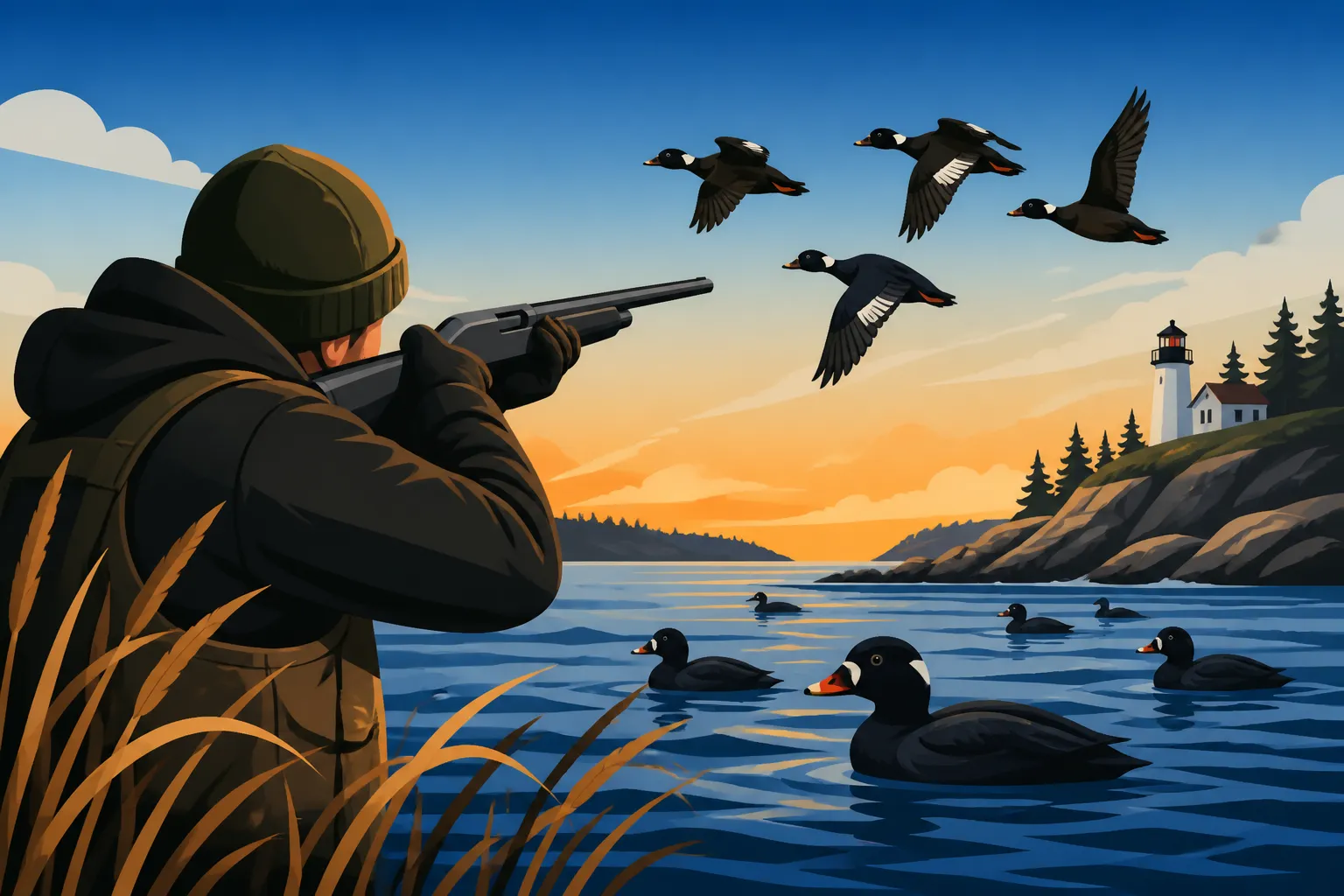
Black Scoters are often the easiest to identify, especially the drakes. They are uniformly black, with a distinct knob at the base of their bill that is bright orange-yellow. Hens are a bit duller, a sooty brown with pale cheek patches. They're often seen in tight flocks, flying low over the waves in stringy lines. Their calls are a distinctive whistling sound, which can sometimes be heard before you even see them. Surf Scoters are a bit flashier, particularly the drakes, with their striking white patches on the nape and forehead, and a brightly colored, wedge-shaped bill that's a mix of orange, white, and black. Hens are dark with two white spots on their face. They tend to have a slightly more erratic flight pattern than Black Scoters. Lastly, the White-winged Scoters are large, heavy-bodied ducks, recognizable by the white speculum (wing patch) visible in flight, and for drakes, a distinctive orange knob on their bill and a small white tear-drop patch below the eye. Hens are dark brown with a less prominent white wing patch and often two small white spots on their face. They are generally the largest of the scoters and can present a formidable target. Understanding these distinctions is not just for your bird identification skills; it can sometimes give you clues about their flight paths or preferences for certain areas.
Scoter Behavior and Habitat Preferences
Scoters are true ocean dwellers, spending most of their lives in saltwater environments. They feed predominantly on marine invertebrates like mussels, clams, and snails, diving to considerable depths to forage. This feeding habit dictates where you'll most likely find them. They're rarely far from the coast, preferring open, coastal waters, estuaries, and bays with rocky bottoms or mussel beds. During migration and wintering, large rafts of scoters can be seen gathered offshore, sometimes numbering in the thousands.
Their behavior on the water is equally important. Scoters are tough, resilient birds. They are strong fliers but can be deceptively fast when they want to be. When undisturbed, they'll sit in large groups, often referred to as rafts, diving and surfacing in unison. When approached or spooked, they'll typically swim rapidly away or take flight, flying low over the water for a considerable distance before settling again. They also have a habit of flying into the wind, which is a crucial detail for setting up your decoy spread. Understanding these patterns—their feeding grounds, their flight habits, and how they react to pressure—will inform every aspect of your hunting strategy, from scouting to decoy placement to shooting lanes. It's not just about finding ducks; it's about predicting their movements and setting the stage for a successful encounter.
Essential Gear and Boat Setup for Scoter Hunting
Hunting scoters in Maine's open water demands specialized gear and a boat setup that can handle the marine environment and the unique challenges of sea duck hunting. This isn't a freshwater pond hunt where a small jon boat and a dozen mallard decoys will cut it. The ocean is a powerful force, and being prepared is key to both safety and success.
Boat Requirements and Safety Equipment
Your boat is arguably the most critical piece of equipment for scoter hunting. It needs to be seaworthy, stable, and capable of handling the often-choppy conditions of the Maine coast. Most successful scoter hunters use V-hull boats, typically 18 to 24 feet in length, equipped with a reliable outboard motor. Aluminum boats are popular for their durability and ease of maintenance, but fiberglass vessels are also common. You'll want a boat with high freeboard to keep the waves out and ample deck space to manage decoys and gear. A reliable GPS and marine radio are non-negotiable for navigation and emergency communication, as cell service can be spotty offshore.
Beyond the boat itself, safety equipment is paramount. Maine's coastal waters are cold, even on mild days, and conditions can change rapidly. Personal flotation devices (PFDs) are legally required for everyone on board, and they should be worn at all times, not just stored under a seat. A well-stocked first-aid kit, a bilge pump (manual and/or electric), paddles or oars, anchor with sufficient line, spare fuel, and an emergency signal kit (flares, whistle, air horn) are absolute must-haves. A waterproof bag for your phone and other essentials is also a smart addition. Never underestimate the ocean; it demands respect and preparedness. For more details on what permits you might need, check out Maine's Sea Duck Season and Zones.
Decoy Spreads and Calling Techniques
Scoter hunting is largely a decoy game, and your spread needs to be robust and realistic to attract these wary birds. Forget your flimsy plastic pond decoys; you'll need heavy, durable sea duck decoys, often larger than standard duck decoys, to ride the waves properly and be visible from a distance. A typical scoter spread might include 2-4 dozen decoys, often a mix of Black, Surf, and White-winged scoters, deployed in a long line or a loose "J" or "V" shape, mimicking a feeding raft. Many hunters prefer Fowl Play Decoys or other high-quality, weighted decoys that can withstand constant abuse from waves and transport. Anchoring is crucial; you'll need heavy decoy weights (often 1-2 pounds per decoy) and durable line to prevent them from drifting away in strong currents or high winds.
Calling scoters is a more subtle art than calling mallards. Scoters aren't as vocal or responsive to calling as many other duck species, but certain calls can be effective, especially on calm days or when birds are working your spread but seem hesitant. The most common scoter calls mimic their distinctive whistles, grunts, or guttural cooing sounds. Many hunters use their natural voice, cupped hands, or specialized scoter calls. The key is subtlety and realism; you're trying to add an auditory element to your visual spread, not blast them out of the sky. A good pair of binoculars will help you spot approaching flocks, allowing you to gauge their reaction before you attempt to call. A great resource for learning about general sea duck decoying is Decoying Eiders Off the Maine Coast, which shares similar principles.
Shotguns, Ammunition, and Cold Weather Gear
Your choice of shotgun for scoter hunting should prioritize reliability and range. Semi-automatic or pump-action 12-gauge shotguns are standard, with 3-inch or 3.5-inch chambers to handle powerful loads. You'll want a modified or improved modified choke to keep a tight pattern at the longer ranges often encountered in sea duck hunting. Rust is a constant threat in the saltwater environment, so a synthetic stock and a corrosion-resistant finish on your firearm are highly recommended. Always clean your shotgun thoroughly after each saltwater hunt.
Ammunition is equally critical. Due to federal regulations, lead shot is prohibited for all waterfowl hunting, so you'll be using non-toxic shot. Steel shot is the most common and affordable option, but many serious sea duck hunters opt for more expensive, denser alternatives like Bismuth or Tungsten Super Shot (TSS). These materials offer better energy retention and tighter patterns at extended ranges, which can be a game-changer when scoters are just shy of your spread. Shot sizes ranging from BB to #2 are typical for scoters, with #1 or BB being a popular choice for their balance of pellet count and energy.
Finally, cold weather gear is not a suggestion—it's a requirement. Maine's coastal weather can be brutal, with freezing temperatures, high winds, and sea spray. Layering is key: start with a moisture-wicking base layer, add insulating mid-layers (fleece or down), and top it off with a waterproof, windproof outer shell. A good quality pair of waders, preferably chest waders, is essential for decoy deployment and retrieval, keeping you dry and warm in the frigid water. Insulated, waterproof gloves, a warm hat that covers your ears, and even a face mask are also vital. Hypothermia is a serious risk, so dress for conditions worse than you expect. Remember to check the Maine Sea Duck Coastal Zone Line for specific hunting areas to plan your gear accordingly.
Strategies for Hunting Scoters in Open Water
Once you have your gear sorted, it's time to talk strategy. Hunting scoters isn't about simply showing up; it's a careful dance between understanding the birds, reading the water, and setting the perfect trap. The dynamic nature of the open ocean means every hunt is a new puzzle to solve.
Scouting and Location Selection
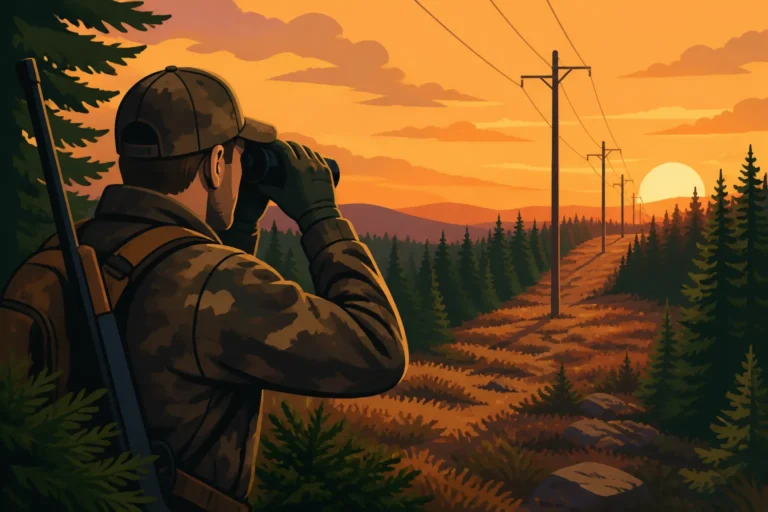
Effective scouting is the bedrock of a successful scoter hunt. You can't just drop your boat anywhere and expect birds to magically appear. Scoters are creatures of habit, often frequenting specific areas for feeding or rafting. Before the season even opens, or in the days leading up to your hunt, spend time glassing the coastline with high-powered binoculars or a spotting scope. Look for large rafts of birds offshore, paying attention to where they dive to feed, their flight paths between feeding and resting areas, and how they react to boat traffic. Are they hugging a certain point? Are they feeding over a visible mussel bed? Are they crossing a specific channel?
Utilize digital mapping tools like GoHunt to analyze bathymetry (underwater topography), identify potential mussel or clam beds, and locate ledges or points that might funnel birds. These maps can show you contours and depths that are invisible from the surface, giving you crucial insights into where scoters might be feeding. Pay attention to tidal currents and prevailing winds, as these will heavily influence bird movement and your ability to set a stable spread. A location that looks perfect on a calm day might be completely untenable in a strong blow. Look for areas that offer some protection from the roughest seas but are still in open water where scoters feel comfortable. Often, these are just outside major bays or points, where ocean currents bring in food. Consider Reading a Ledge for a Morning Sea Duck Flight to refine your scouting.
Working Tides and Weather
Tides and weather are the silent partners in every open water scoter hunt, and understanding their influence is crucial. Scoters, like many marine animals, are affected by tidal movements. A falling tide might expose feeding areas, concentrating birds, while a rising tide could disperse them. You'll need to study local tide charts and plan your hunt around optimal tidal windows. Often, the hour or two around slack tide, either high or low, can be productive, as currents are less severe, making decoy spreads more stable and birds potentially less wary.
Weather, however, is the biggest wild card. High winds and rough seas can make hunting dangerous and ineffective. Scoters generally fly lower and are less prone to circling in strong winds, often presenting more direct shots. However, high winds also make boat handling difficult, decoy spreads hard to maintain, and accurate shooting challenging. Conversely, dead calm days can make scoters extremely wary; they can see and hear everything, and they often circle high, refusing to commit. The ideal conditions are often a light chop, overcast skies, and a moderate breeze (5-15 mph), which breaks up reflections on the water, makes your decoys look more lifelike, and encourages birds to fly lower. Always check the marine forecast before heading out, and never take unnecessary risks. If the weather turns foul, call off the hunt; the birds will be there another day.
Decoying and Blind Strategies
Your decoy spread is your primary invitation to scoters. As mentioned, larger, heavy-bodied decoys deployed in a long line or raft configuration are best. The goal is to create a realistic impression of a resting or feeding flock. Most hunters set their spread upwind of their shooting position, so approaching birds fly into the wind, slowing down as they work toward the decoys, presenting better shot opportunities. The "hook" or "J" shape is popular, with the long part of the "J" extending far out, and the hook curling back towards your boat. This creates an open landing zone for incoming birds.
When it comes to blind strategies, the ocean offers fewer natural hiding spots than a marsh. Many scoter hunters use a layout boat for ultimate concealment, laying flat on the water among their decoys, effectively becoming part of the spread. This offers incredible concealment but comes with its own safety considerations and skill requirements, which are often covered in Layout Boat Hunting the Maine Coast articles. More commonly, hunters use their main boat as a blind. This involves anchoring the boat and using natural cover from a shoreline, if available, or deploying purpose-built boat blinds or camouflage netting. You want to be as low profile as possible. Some guides use specialized sea duck boats with enclosed blinds that pop up for shooting. Whatever your method, concealment from the keen eyesight of scoters is crucial. Position your boat so that the sun is at your back, if possible, to put glare in the birds' eyes and make you less visible.
Safety Considerations and Regulations for Sea Duck Hunting
Safety and compliance with regulations are non-negotiable when hunting scoters in Maine's open water. The marine environment presents inherent risks, and understanding the law is critical to a responsible and successful hunt.
Navigating Maine's Coastal Waters Safely
Maine's coastline is beautiful, but it can be treacherous. Rocks, ledges, strong currents, and unpredictable weather demand constant vigilance. Before every trip, file a float plan with a trusted contact, detailing where you're going, when you expect to return, and who is with you. Always double-check your boat's fuel, battery, and engine before leaving the dock. Carry spare parts and tools if you're venturing far from shore.
Pay close attention to marine navigation charts. These charts will show you submerged ledges, shallow areas, and marked channels. A reliable GPS chartplotter is invaluable for safely navigating these waters, especially in fog or low light. Always be aware of other boat traffic, including commercial fishing vessels, lobster boats, and recreational boats. Give them a wide berth. Remember, hunting in the dark or near dawn/dusk means limited visibility for you and others on the water. Proper navigation lights are not just a legal requirement but a safety essential. Having a buddy boat or hunting with an experienced guide can significantly enhance safety, especially in unfamiliar waters. Consider enrolling in a marine safety course; the knowledge gained could save your life or someone else's.
Legal Limits and Permit Requirements
Before you even think about putting a shotgun in your boat, make sure you're properly licensed and understand all current regulations. To hunt scoters in Maine, you'll need a valid Maine hunting license, a federal duck stamp, and a Maine Migratory Bird Hunting Permit, which includes your Harvest Information Program (HIP) registration. The federal duck stamp is a federal requirement for all migratory bird hunters, and the Maine Federal Duck Stamp Requirement article provides more information. The Maine HIP Certification for Bird Hunters is also vital for data collection on migratory birds.
Bag limits for scoters can vary, so always check the most recent Maine Department of Inland Fisheries and Wildlife (MDIFW) regulations. Generally, there's a daily bag limit for scoters, often with specific restrictions on certain species like Black Scoters, and a possession limit. For example, the Maine Scoter Daily Limit currently stands at a combined seven scoters (Black, Surf, and White-winged), of which no more than four may be Black Scoters. These limits are in place to ensure sustainable populations. Also, be aware of shooting hours, which typically run from one-half hour before sunrise to sunset. Firearms discharge setbacks from dwellings and roads also apply, even on coastal waters, so know your local rules.
Emergency Preparedness
Despite all precautions, emergencies can happen on the water. Having a comprehensive emergency plan is crucial. This includes knowing how to use your marine radio (Channel 16 for emergencies), having a fully charged cell phone in a waterproof case (even if service is spotty), and knowing the location of the nearest Coast Guard station or emergency services. A personal locator beacon (PLB) or Emergency Position Indicating Radio Beacon (EPIRB) can be a lifesaver, especially if you venture far offshore or into remote areas.
If someone falls overboard, immediate action is necessary. Know how to perform a "man overboard" maneuver with your boat. Have a throw bag or life ring readily accessible. If your boat starts taking on water, know how to use your bilge pump and where to find bailing buckets. In the event of engine failure, having a secondary means of propulsion (kicker motor, oars) and sufficient anchor and line to hold your position can prevent a bad situation from becoming catastrophic. Always tell someone your plans, and don't deviate from them without notifying your contact.
Post-Harvest Care and Culinary Tips
Congratulations, you've successfully harvested scoters! But the hunt isn't truly over until the birds are properly cared for and, if you choose, prepared for the table. Scoters have a reputation, often underserved, for being "fishy." With proper handling, they can be delicious.
Field Dressing and Transport
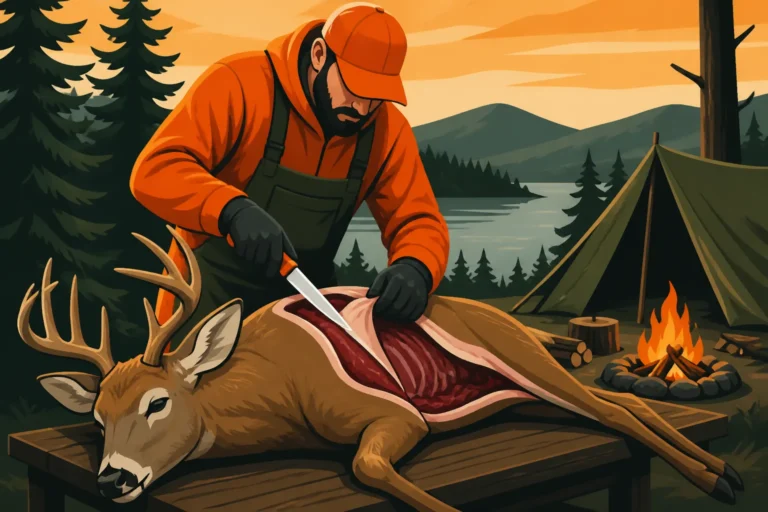
Proper field dressing begins immediately after harvest. Scoters are robust birds, and their body heat can quickly spoil the meat, especially in warmer conditions. The best practice is to bleed the bird quickly after it's retrieved. A quick cut to the jugular vein in the neck will ensure thorough bleeding. Then, remove the entrails as soon as possible. This involves making an incision from the breastbone to the vent and carefully pulling out all internal organs. Some hunters will also remove the head and feet at this stage.
Once field dressed, cool the birds down quickly. In colder Maine weather, simply placing them in a cooler with ice or packing snow around them is effective. If you're on the water for an extended period or the weather is mild, a cooler full of ice is essential to prevent bacterial growth. Transport your birds cleanly and legally. In Maine, harvested game birds need to have either a fully feathered wing or the head attached for identification purposes during transport, at least until you reach your home or camp for processing. Always double-check current regulations for specific transport requirements, as these can change.
Preparing Scoters for the Table
The "fishy" reputation of scoters often comes from improper preparation. Scoters, being primarily mollusk eaters, can have a strong flavor if the fat isn't removed. The key to delicious scoter meat is to skin the birds instead of plucking them, removing all visible fat, especially the layer of yellow fat just under the skin. This fat holds much of the strong flavor. Many hunters advocate for breasting out the birds, meaning you only keep the breast meat and discard the rest. This simplifies the process and maximizes the most tender parts.
Once you have the clean breast meat, a common preparation technique is to brine the meat for 12-24 hours. A simple brine of salt, sugar, and water can further draw out any gamey flavors and tenderize the meat. After brining, pat the meat dry. Scoter breast meat is excellent when seared quickly over high heat, grilled, or even smoked. Because it's lean, it can dry out if overcooked, so aim for medium-rare to medium. Some hunters also marinate the meat in milk, buttermilk, or a strong acidic marinade (like Italian dressing) for several hours to further mellow the flavor. Don't be afraid to experiment with bold seasonings; garlic, onion, and herbs like thyme or rosemary pair well. Remember, this is wild game, and its flavor is unique, but with a little care, it can be a true delicacy.
Disclaimer
Please note that hunting regulations, seasons, and licensing requirements can change. It is every hunter's responsibility to consult the most current Maine Department of Inland Fisheries and Wildlife (MDIFW) regulations and federal waterfowl regulations before engaging in any hunting activities. This guide is for informational purposes only and does not supersede official legal requirements. Always prioritize safety and ethical hunting practices.