Predator and Furbearer Hunting in Maine
The wild places of Maine hold a special allure, but beneath the surface of majestic moose and trophy bucks, there's another world bustling with cunning predators and elusive furbearers. Hunting these animals presents a unique set of challenges and rewards, often requiring a different skillset, more patience, and a deeper understanding of the land. If you've ever felt the frustration of a missed coyote howl or wondered how to ethically pursue a bobcat, this comprehensive guide is for you. We're going to dive deep into the world of predator and furbearer hunting in Maine, covering everything from the species you can pursue to the intricate strategies that lead to success.
Understanding Maine's Predator and Furbearer Landscape
Maine is a vast state, and its diverse habitats support a robust population of predators and furbearers. These animals are more than just game; they're integral to the ecosystem, playing vital roles in maintaining balance within deer, moose, and small game populations. Understanding their world is the first step toward becoming a successful and responsible hunter.
Common Species and Their Habitats
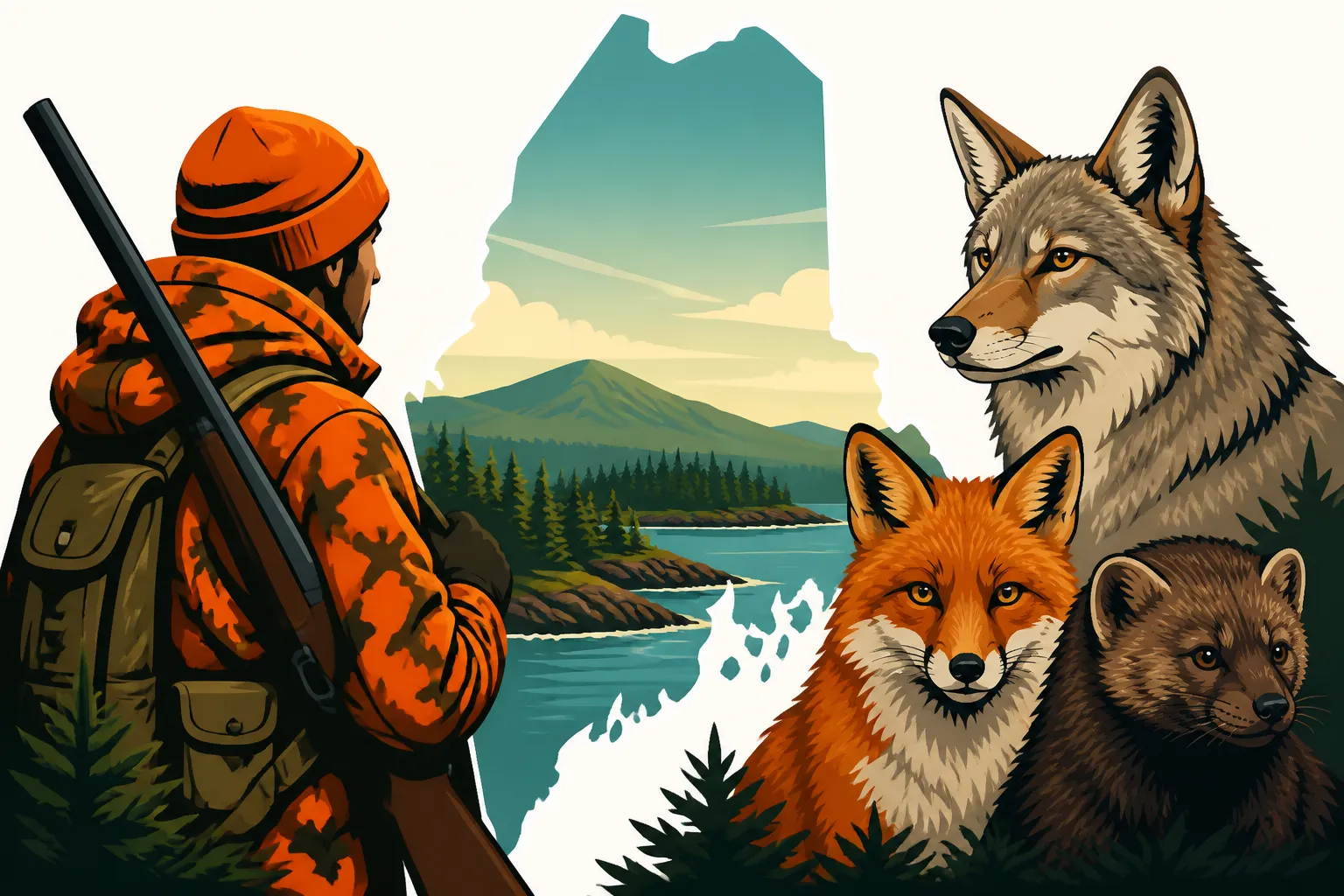
When we talk about predators and furbearers in Maine, we're primarily looking at species like coyotes, foxes (both red and gray), bobcats, raccoons, skunks, and opossums. Each has its own niche, its own preferences, and its own patterns that savvy hunters learn to read.
Coyotes, for instance, are the most widespread and adaptable. You'll find them almost everywhere, from the deep woods of the North Maine Woods to the edges of suburban towns, and certainly in the agricultural lands of Aroostook County. They thrive in mosaic landscapes offering a mix of cover and open areas for hunting. Red foxes tend to favor open fields, agricultural lands, and forest edges, making them more common in the southern and central parts of the state where there's more farmland. Gray foxes, while less common than reds, prefer denser deciduous or mixed forests with plenty of undergrowth, often closer to riparian areas. Bobcats are truly creatures of the thick woods, favoring dense regenerating timber, swamps, and rocky outcrops that offer excellent cover for ambushing prey and escaping detection. Raccoons, skunks, and opossums are more often found closer to human habitation, farmsteads, and wetland areas, where food sources are abundant. Knowing these general preferences helps you narrow down your scouting efforts, whether you're scanning aerial maps on a platform like GoHunt or walking boots on the ground.
Population Trends and Management
Maine's predator and furbearer populations are generally healthy, thanks to sound wildlife management practices by the Maine Department of Inland Fisheries and Wildlife (MDIFW). Coyote numbers remain strong statewide, and their adaptability means they can quickly recover from hunting pressure. This is a testament to their incredible resilience. Fox populations are stable, though local densities can fluctuate based on habitat changes and prey availability. Bobcat populations are also robust, though their secretive nature makes them harder to survey accurately. MDIFW uses a combination of harvest data, scent station surveys, and public sightings to monitor these populations, adjusting regulations as needed to ensure sustainable hunting opportunities. This careful oversight is crucial for ensuring that these animals continue to thrive for future generations of hunters and trappers.
The Role of Predators in Maine's Ecosystem
It's easy to see predators as competition for deer or other game, but their role in Maine's ecosystem is far more complex and beneficial than many realize. Coyotes, for example, are highly efficient hunters that primarily target small mammals like mice, voles, and rabbits, but they also play a significant role in culling sick, old, or weak deer, helping to maintain a healthy and robust deer herd. This natural selection process strengthens the overall genetic fitness of the deer population. Bobcats contribute by preying on snowshoe hare, squirrels, and even wild turkeys, preventing overpopulation of these species and ensuring a balanced food web. Foxes are excellent rodent controllers, especially in agricultural areas. By participating in predator and furbearer hunting, we're not just pursuing a challenging quarry; we're also actively participating in a form of wildlife management, helping to balance these populations and maintain the health of the entire ecosystem. It's a connection to the wild that runs deep, understanding that every animal has its place and purpose.
Essential Licenses and Regulations for Furbearers
Before you even think about heading into the woods, it's absolutely critical to understand the legal framework governing predator and furbearer hunting and trapping in Maine. Regulations are designed for conservation and safety, and ignorance of the law is never an excuse. Always double-check the current year's hunting and trapping rulebook published by MDIFW, as laws can and do change.
Licensing Requirements for Residents and Non-residents
To hunt or trap any furbearer in Maine, you'll need the appropriate licenses. For hunting, this typically means a valid Maine hunting license. Residents have several options, including a basic resident hunting license, combination licenses, or even lifetime licenses if you plan to be a long-term Mainer. You can explore the various options for a Maine Resident License Options that might suit your situation. Non-residents, on the other hand, will need to purchase a non-resident hunting license. It's important to be aware that the costs differ significantly, and non-residents also need to understand the nuances of their Maine Nonresident License Options. If your primary intent is trapping, you'll need a specific trapping license. This involves additional requirements and education, separate from a hunting license. The Maine Trapping License Requirements are quite specific and include a mandatory trapper education course for first-time trappers. Always carry proof of your license while in the field, whether it's the physical card or proof on your phone as allowed by MDIFW.
Season Dates and Bag Limits by Species
Maine has specific seasons for hunting and trapping different furbearers. Unlike deer or moose, some furbearers, like coyotes, have very long or even year-round seasons in certain contexts, reflecting their abundance and the management goals to keep their populations in check. Others, like bobcats and foxes, have shorter, more restricted seasons to manage harvest pressure.
It's absolutely crucial to consult the current MDIFW rulebook for the exact opening and closing dates for each species. For instance, the general hunting season for coyotes typically runs year-round. However, if you plan on participating in night hunting for coyotes, which is a popular and effective method, there are specific Night Hunting Rules for Maine Coyotes that dictate permitted hours, lighting, and weapon types. Fox hunting seasons usually open in the fall and run through the winter, often overlapping with deer and small game seasons. Bobcat season is generally shorter, concentrated in the colder months when their pelts are prime, and often has specific restrictions regarding methods. Trapping seasons are similarly regulated, with opening and closing dates varying by species to ensure ethical harvest and pelt quality. There are generally no bag limits for coyotes, reflecting their management status, but there are often strict bag limits or permit requirements for bobcats and other valuable furbearers. Always confirm the details for your specific target species and chosen method.
Legal Hunting Methods and Restrictions
Maine law outlines very specific legal methods for hunting and trapping furbearers, and it's essential to abide by them. For hunting, common methods include calling, still-hunting, and tracking. Rifles, shotguns, handguns, and archery equipment are generally permitted, subject to specific regulations, especially concerning night hunting or hunting in populated areas.
For example, when coyote calling, you can use electronic callers, mouth calls, and decoys. However, using artificial lights or night vision devices may have specific restrictions, particularly outside of certain coyote night hunting parameters. Driving game with vehicles is strictly prohibited, as is hunting from a motorized vehicle or boat unless specifically allowed (like retrieving a downed animal). Trapping has its own set of rules regarding trap types (e.g., foot-hold traps, conibear traps, snares), trap size, placement, and checking frequency. You can learn more about the specifics of Trapping Maine Furbearers in dedicated sections. Remember that any method that causes undue suffering or is deemed inhumane is illegal. Maine also has strict blaze orange requirements during certain hunting seasons, even if you are primarily targeting furbearers. Knowing these rules ensures you're hunting legally, ethically, and safely, respecting both the animals and your fellow outdoorsmen.
Coyote Hunting Strategies: The Ultimate Challenge
Coyotes are often considered the apex predator for hunters in Maine. They're intelligent, adaptable, and notoriously wary, making a successful coyote hunt one of the most rewarding experiences in the Maine woods. Their keen senses of smell, hearing, and sight demand a thoughtful approach and careful execution.
Calling Techniques for Maine Coyotes
Calling is arguably the most popular and effective method for hunting coyotes in Maine, and it's where the real chess match begins. The goal is to mimic prey animals or other coyotes to lure them into shooting range. There are several categories of calls, each with its own timing and application.
Prey distress calls, imitating a rabbit in distress, a fawn bleating, or a bird squawking, are probably the most common. These calls tap into a coyote's instinct to find an easy meal. When using these, vary the volume and rhythm, mimicking a dying animal's struggle. Start soft, then increase the intensity, pausing to listen. Coyote vocalizations, such as howls, barks, and yips, are used to locate, challenge, or even attract other coyotes. A lone howl can elicit a response, telling you where a coyote is. A challenge howl might bring in a territorial male looking for a fight. Sometimes, simply knowing Coyote Calling Maine Farm Country means understanding that coyotes here might be more accustomed to human sounds, requiring subtler, more infrequent calling. Electronic callers, like those from Foxpro or ICOtec, offer a wide variety of realistic sounds and the ability to control volume remotely, which can be a huge advantage. They allow you to place the sound source away from your position, drawing the coyote's attention away from you. Mouth calls, while requiring more practice, offer a raw, immediate connection to the call, allowing for nuanced sound manipulation. The key is to be patient, observe the wind, and be ready when they appear.
Best Times and Locations for Success
Timing and location are paramount in coyote hunting. While coyotes can be hunted year-round, certain periods offer better chances. Winter, especially after fresh snow, is prime. The snow makes tracking easier, forces coyotes to seek food more actively, and provides a clear backdrop against which to spot them. Early morning and late evening are generally the most active times, though in colder weather, they might move and hunt throughout the day.
When choosing a location, look for areas where different habitats meet – known as "edge habitat." This could be the edge of a clear-cut and dense timber, a field meeting a woodlot, or a swamp bordering higher ground. These transition zones are where prey animals concentrate, and coyotes patrol them regularly. River bottoms and drainages can also be excellent travel corridors. On private agricultural land, look for pinch points, fence lines, and small woodlots that offer cover for coyotes to approach unseen. Scouting before a hunt is critical. Look for tracks, scat, and kill sites. On public lands, areas with less human pressure or tracts managed for deer often hold healthy coyote populations. A mapping app, like one using GoHunt layers, can be invaluable for identifying potential ambush points, travel corridors, and access routes, especially in vast timber company lands or Wildlife Management Areas.
Gear and Setup for Effective Coyote Hunts
Successful coyote hunting demands the right gear and a well-thought-out setup. Your rifle should be accurate and chambered in a cartridge suitable for coyotes, such as .223 Rem, .204 Ruger, or .22-250 Rem. Many hunters opt for an AR-15 platform due to its reliability and magazine capacity. A good scope with adequate magnification (3-9x or 4-12x) is essential. Shotguns, especially those shooting buckshot or heavy shot loads, can be effective in dense cover or at closer ranges.
Beyond your firearm, a reliable electronic caller with remote control is a game-changer. Don't forget extra batteries! Good binoculars (10×42) are vital for scanning distant edges and spotting approaching coyotes early. Camouflage, including a face mask and gloves, is a must. Scent control is also highly recommended, as a coyote's nose is its primary defense. A comfortable seat or shooting sticks will help you remain still and steady. When setting up, always choose a position that gives you a clear line of sight downwind, as coyotes almost always try to circle downwind to get your scent. Use natural cover to break up your silhouette, and try to position yourself so the sun is at your back or side, not in front of you. Being prepared for a quick shot is key; coyotes often appear and disappear in a flash.
Fox and Bobcat Hunting: Elusive Furbearers
While coyotes offer an intense, fast-paced challenge, hunting foxes and bobcats requires a different kind of stealth, patience, and knowledge of their more secretive habits. These animals are masters of cover and camouflage, making a successful harvest a true trophy of the woods.
Tracking and Stalking Red and Gray Foxes
Foxes, particularly the common red fox, are found throughout much of Maine, though their numbers can vary. Red foxes often inhabit agricultural areas, field edges, and mixed woodlands, making them a common sight (or sound) around farm country. Gray foxes, preferring denser, more mature woods and rocky areas, are generally less numerous and more elusive.
Tracking foxes is a winter pursuit, as fresh snow reveals their movements. Look for their distinct, almost straight-line tracks, indicating their efficient travel. Unlike coyotes, who might lope, foxes have a more delicate, purposeful stride. When you find fresh tracks, determine their direction of travel and try to anticipate where the fox might be heading—perhaps to a den, a bedding area, or a known hunting ground like a field edge. Stalking involves moving slowly and deliberately, using all available cover, and constantly scanning ahead. The wind is your absolute best friend or worst enemy; always hunt into the wind. If you're hunting without snow, look for less obvious signs like scat, disturbed ground where they've dug for rodents, or fur snagged on branches. Calling can also work for foxes, though they often respond less aggressively than coyotes. Softer, higher-pitched distress calls often work best. Patience is paramount; a fox might appear silently and disappear just as quickly.
Bobcat Hunting with Hounds and Trapping Considerations
Bobcats are among Maine's most prized furbearers, known for their stunning pelts and incredibly elusive nature. They are primarily creatures of dense, regenerating forests, cedar swamps, and rocky ledges, where they can effectively ambush prey like snowshoe hare. Due to their secretive habits, hunting bobcats without the aid of dogs is incredibly challenging, making it a less common pursuit for most hunters.
The most traditional and effective method for hunting bobcats is with well-trained hounds. A good pack of hounds can pick up a cold track and follow it for miles, eventually treeing or baying the bobcat. This is an intense, physically demanding hunt, often covering rough terrain in deep snow. Hunters follow the dogs, listening to their baying, until they can close the distance. It's a method steeped in tradition and requires significant investment in dogs, training, and equipment. For those interested in this method, understanding the Maine Hound Season Dates is crucial, as they are specific. Trapping is also a very effective way to harvest bobcats, especially for those with the knowledge and patience for it. Trappers target areas known for bobcat activity, such as deer wintering yards, thick cover, and travel corridors along ridges or stream banks. Specific trap types and sets, designed to humanely capture bobcats, are used. Both methods require a deep understanding of bobcat behavior and a commitment to ethical practices.
Understanding Their Behavior and Movement Patterns
Successful fox and bobcat hunting hinges on understanding their daily and seasonal behavior. Foxes are crepuscular, meaning they are most active at dawn and dusk, although they will move during the day, particularly in winter or during the breeding season. They are primarily solitary hunters, but family groups can be seen in late summer and fall. Their movements are often dictated by the availability of small rodents, rabbits, and birds. They’re excellent at utilizing cover, often skirting the edges of fields or ducking into brushy draws.
Bobcats are even more nocturnal and solitary than foxes. Their home ranges can be quite large, especially for males, and they mark their territory with urine, scat, and claw marks on trees. They are ambush predators, often patiently waiting along game trails or near natural funnels for prey to pass. Their preferred diet includes snowshoe hare, squirrels, and small birds, and their movements are closely tied to these prey populations. In Maine, understanding Maine Bobcat Population Trends shows us that while robust, they remain a challenging animal to pursue. Look for areas with high concentrations of their prey, dense cover, and natural travel corridors. During deep snow, they might use packed deer trails or even logging roads to conserve energy. Learning to read these subtle signs, often overlooked by other hunters, is what sets a successful furbearer hunter apart.
Trapping Maine Furbearers: A Traditional Approach
Trapping is an ancient skill, a deep connection to the land and its rhythms that has shaped human interaction with wildlife for centuries. In Maine, it remains a vital part of furbearer management, providing sustainable harvest opportunities and a direct link to the state's outdoor heritage.
Trapping Licenses and Regulations
Just like hunting, trapping in Maine is strictly regulated to ensure ethical practices, humane treatment of animals, and sustainable populations. If you plan to set even a single trap, you need a valid Maine trapping license. This isn't just a formality; it signifies a commitment to responsible trapping.
For first-time trappers, Maine requires completion of a mandatory trapper education course. This course covers everything from species identification and trap types to humane dispatch, pelt preparation, and relevant laws. It's an invaluable experience that sets you up for success and ethical conduct. There are different types of trapping licenses, including resident and non-resident options, and prices vary. It's also important to understand specific rules for different trap types and where you can legally set them. For instance, there are regulations regarding setback distances from public ways, residential buildings, and certain water bodies. You can find all the specific details on Maine Trapping License Requirements through the MDIFW website. Always carry your license and any required permits while running your trapline.
Common Trapping Methods for Different Species
Trapping is an art form, requiring patience, observation, and a deep understanding of animal behavior. Different furbearers require different traps and sets.
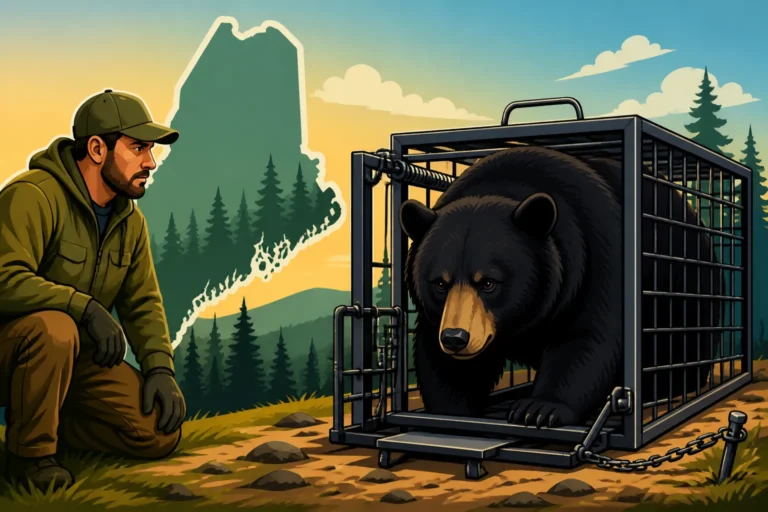
- Coyotes and Foxes: For these canids, foothold traps (often referred to as leg-holds) are common. These traps are designed to hold the animal humanely by the foot until the trapper arrives. Sets like dirt hole sets, where bait and lure are buried to mimic a cached meal, or rub sets, using a visual attractor, are effective. The goal is to make the trap blend seamlessly into the environment, appearing as a natural part of their world.
- Bobcats: Bobcats are often targeted with foothold traps or cage traps. Their cautious nature means sets must be meticulous. Cubby sets, where a trap is placed at the entrance of a small shelter baited with meat, are effective. Dragging a scent lure or bait through thick cover can create a "trail" leading to your set.
- Raccoons and Skunks: For raccoons, cage traps or dog-proof traps are popular, as they minimize the chance of catching non-target species. DP traps (dog-proof) are designed so the raccoon has to reach into a narrow opening to grab bait. Body-gripping traps (Conibears) are also used in certain situations, often in water sets, and are designed for a quick, humane dispatch.
- Beaver and Otter: These aquatic furbearers are primarily caught using body-gripping traps or snares in water sets. Channels, dam crossings, and lodge entrances are prime locations. Learning to read the subtle signs of their travel and feeding habits is crucial for successful water trapping.
When you're Running a Trapline in Rural Maine, understanding the specific habits of each furbearer, the terrain you're working, and the weather conditions will dictate your choice of trap and set.
Ethical Trapping Practices and Equipment
Ethical trapping is not just a legal requirement; it's a moral imperative for every responsible trapper. This means using the right equipment, checking traps regularly, and ensuring the humane treatment of animals.
Modern traps are designed with animal welfare in mind, aiming for quick, secure captures. For foothold traps, using proper trap size for the target species and ensuring swivels and sturdy anchors are in place prevents injury and escape. Shock-absorbing springs or laminated jaws on traps can further minimize harm. Trap checks are critical: Maine law requires traps to be checked at least once every 24 hours. This minimizes exposure to elements, predation, and suffering for captured animals. Many trappers check more frequently, especially in harsh weather. Humane dispatch methods are taught in trapper education courses and must be employed to ensure a quick and painless end. Additionally, careful attention to non-target captures is part of ethical trapping; selecting sets and trap types that reduce the likelihood of catching unintended animals (like domestic pets) is paramount. Releasing non-target species unharmed is also a key skill. Proper pelt preparation, from skinning to fleshing and stretching, ensures the highest quality fur and respect for the animal harvested. Trapping, done correctly, is a highly skilled and ethical practice that contributes significantly to wildlife management.
Other Furbearers and Opportunistic Hunting
While coyotes, foxes, and bobcats often get the most attention, Maine offers opportunities for hunting other furbearers and predators. Sometimes, these encounters are planned, and other times, they are happy accidents during another hunt, adding an unexpected layer of excitement to your time afield.
Raccoon, Skunk, and Opossum Opportunities
Raccoons, skunks, and opossums are abundant across much of Maine, particularly in the more agricultural and populated southern and central regions. They are primarily nocturnal, meaning hunting them usually involves heading out after dark, which requires adherence to specific rules.
Raccoon hunting, often done with dogs, is a popular activity. Hunters release their hounds at night, and the dogs track and tree raccoons. The hunter then locates the treed raccoon. This is a very social form of hunting, often done with friends and family. Calling for raccoons with distress calls or coon vocalizations can also be effective. Skunks and opossums are typically taken opportunistically, perhaps while deer hunting in a field edge or during a coyote hunt. While less sought after for their fur, they can still provide a challenging target. Always be mindful of skunks and their potent defense mechanism! Hunting these species can be a great way to introduce new hunters to the sport or to simply enjoy more time in the woods. Always check MDIFW regulations regarding seasons and legal methods, especially concerning night hunting.
Predator Hunting During Other Seasons
One of the great things about predator hunting in Maine is that many seasons overlap, or you can pursue predators when other seasons are closed. This means you can often combine hunts or extend your time afield.
For example, during the firearms deer season, you might be sitting in a stand, and a coyote or fox might pass through. Having your calls handy and being prepared for a quick shot at a predator can turn a slow deer hunt into an exciting opportunity. Similarly, during Upland Bird and Small Game Hunting in Maine, while you're pursuing grouse or hare, you might stumble upon fresh coyote tracks or hear a distant howl. Carrying a versatile firearm, like a shotgun with buckshot or slugs as well as birdshot, can make you ready for multiple opportunities. This opportunistic approach requires quick thinking and versatility. It's about being aware of your surroundings and recognizing an opportunity when it presents itself. Even during the spring turkey season, a coyote might try to ambush your decoys, offering an unexpected target. Being prepared for these moments adds a whole new dimension to your hunting experience.
Specialized Gear and Safety for Night Hunting
Night hunting for predators, especially coyotes, is a unique and thrilling experience but comes with specific gear requirements and critical safety considerations. Maine has specific Night Hunting Rules for Maine Coyotes that you must follow.
The most important piece of gear for night hunting is a reliable light source. Red or green lights are commonly used, as coyotes are less spooked by these colors. A powerful, focused beam that can illuminate out to 200-300 yards is ideal. Many hunters use headlamps combined with a weapon-mounted light. Thermal imaging or night vision devices are also increasingly popular and effective, providing a significant advantage in spotting animals in the dark. However, ensure their legality in Maine; while generally legal for scouting and spotting, some restrictions may apply to their use during the act of shooting. Electronic callers are almost essential, as you'll be relying heavily on sound to bring animals in. Beyond gear, safety is paramount. Always be absolutely certain of your target and what lies beyond it. Visibility is drastically reduced at night, increasing the risk of misidentification or shooting beyond your safe zone. Hunt with a partner, communicate constantly, and have a clear understanding of your shooting lanes. Never point your weapon at anything you haven't positively identified. Familiarize yourself with the terrain during daylight hours to avoid hazards. Night hunting is exhilarating, but responsibility and safety should always come first.
Public vs. Private Land Access for Furbearers
Finding a place to hunt furbearers in Maine can sometimes be as challenging as the hunt itself. Maine is unique in its land access traditions, offering both vast tracts of public land and a culture of implied permission on private land, but understanding the nuances is crucial.
Navigating Private Land Permission
Much of Maine's landscape is privately owned, especially in the more populated southern and central regions. Historically, Maine has had a tradition of "implied permission," meaning that unless land is posted, it's generally open to respectful recreational use, including hunting. However, this tradition is eroding, and more landowners are choosing to post their land.
The safest and most respectful approach is always to seek permission, especially for predator and furbearer hunting, which often involves calling or night hunting that might be perceived as disruptive. Knocking on doors and asking permission builds goodwill and ensures you're hunting legally. Explain your intentions, assure them you'll be respectful, and offer to share your harvest. You might be surprised by how receptive landowners can be. If you're targeting Hunting Aroostook County Farmland for coyotes, for example, building relationships with farmers can be incredibly beneficial, as coyotes can impact their livestock. Always carry written permission if granted, as this protects both you and the landowner. Respecting posted land, even if you think you have implied permission, is non-negotiable. Trespassing is not only illegal but can ruin access for all hunters. The mapping features of GoHunt can show property boundaries and ownership information, which is a great starting point for identifying landowners to contact.
Utilizing Maine's Public Lands and Wildlife Management Areas
Maine boasts significant public land holdings, including Public Reserved Lands, Bureau of Parks and Lands (BPL) tracts, and Wildlife Management Areas (WMAs). These areas are typically open to hunting and trapping, offering excellent opportunities for furbearers.
Maine Wildlife Management Areas are specifically managed by MDIFW for wildlife habitat and public recreation. These often feature diverse habitats, from marshlands to dense forests, that support healthy furbearer populations. While they may experience more pressure than remote private lands, strategic scouting can still yield success. BPL lands and Public Reserved Lands are generally more remote and offer vast spaces for still-hunting or running traplines. These areas are fantastic for finding less pressured coyotes and bobcats. Always check the specific regulations for each WMA or public land unit, as some might have unique rules regarding vehicle access, camping, or hunting methods. These publicly accessible lands are a tremendous resource, providing access for a variety of pursuits, including Upland Bird and Small Game Hunting in Maine, which can sometimes overlap with furbearer opportunities.
Understanding North Maine Woods Access for Furbearers
The North Maine Woods (NMW) is a vast, privately owned working forest encompassing millions of acres in northern Maine. While private, it operates under a unique system that allows public access for recreation, including hunting and trapping, often through controlled checkpoints and with day-use or camping fees.
Hunting and trapping furbearers in the NMW can be incredibly rewarding due to the sheer amount of wilderness and lower human pressure. Coyotes thrive in the logging clear-cuts and older growth forests, and bobcats are well-represented in the dense timber. However, access comes with its own set of rules. You'll typically pay a fee at a gate or checkpoint to enter. These fees help maintain the extensive network of private logging roads and services. For multi-day trips, camping fees also apply. It's crucial to understand the North Maine Woods Gate System and which gates lead to the areas you want to hunt. Carrying detailed maps, ideally with land ownership layers (like those available through GoHunt), is essential, as GPS can be unreliable in such remote areas. Be aware of active logging operations, which can be noisy and disruptive, but also create prime habitat edges that attract furbearers. Always leave gates as you found them, pack out everything you pack in, and respect the working forest environment.
Responsible Hunting and Ethical Considerations
Predator and furbearer hunting, like all hunting, carries a deep responsibility to the animals, the land, and the public perception of our sport. Ethical conduct is not just about following the law; it's about honoring the wildlife and ensuring a positive future for hunting.
Respect for the Resource and Landowners
The foundation of responsible hunting is respect. This means respect for the animals we pursue, recognizing their inherent value and the role they play in the ecosystem. It also means respect for the land, whether it's public or private. Leave no trace, pack out all your trash, and try to leave the land in better condition than you found it. This applies whether you're coyote calling in a remote clear-cut or Running a Trapline in Rural Maine.
Landowner relations are particularly crucial in Maine, where private land provides so much hunting access. As discussed, always seek permission. If granted, treat the landowner's property as your own, or better. Don't block gates or driveways, avoid damaging crops or fences, and be mindful of livestock. A simple thank you note or offering to share game meat can go a long way in maintaining access for everyone. When dealing with others in the woods, whether they are hikers, birdwatchers, or other hunters, be courteous and professional. Your actions reflect on all hunters, and upholding a positive image is vital for the future of our traditions.
Shot Placement and Quick Harvest
Ethical hunting demands a clean, quick, and humane harvest. This means knowing your firearm, knowing your limitations, and waiting for the right shot opportunity. For predators and furbearers, especially smaller animals like foxes or coyotes, shot placement is incredibly important.
Aim for the vital organs – typically the heart-lung area or the brain. This ensures a quick dispatch and minimizes suffering. Practice regularly at the range to become proficient with your chosen weapon and ammunition at various distances. Understand the ballistics of your cartridge, especially how it performs in different weather conditions. Never take a running shot at long range if you're not confident in your ability to make a lethal hit. If in doubt, don't shoot. It's better to let an animal walk away than to wound it. If you do make a shot, immediately attempt to recover the animal. Blood Trailing After Dark in Maine can be challenging, but it's your responsibility to make every effort to find and retrieve any animal you hit. This dedication reflects true respect for the animal and the hunting tradition.
Reporting Violations and Conservation Efforts
Protecting Maine's wildlife resources is a shared responsibility. If you witness a wildlife violation, such as poaching, illegal trapping, or unsafe hunting practices, it is your duty to report it to the Maine Warden Service. Maine's Operation Game Thief program provides an anonymous way to report violations, and tipsters can even be eligible for rewards. Reporting violations helps to deter illegal activities and protects the integrity of hunting and trapping.
Beyond enforcement, hunters and trappers are often the first line of defense in conservation. Many participate in habitat improvement projects, volunteer for wildlife surveys, or join conservation organizations. A portion of every hunting and trapping license fee directly funds wildlife management and research programs in Maine, including those that monitor and manage predator and furbearer populations. Organizations like the Maine Trappers Association and various local hunting clubs also play an active role in education and advocacy for sound wildlife management. By being involved, advocating for responsible practices, and ensuring your own conduct is exemplary, you contribute directly to the health and future of Maine's incredible outdoor heritage.
| Species | Primary Habitat | Common Hunting/Trapping Method | Typical Season (Consult MDIFW) |
|---|---|---|---|
| Coyote | Statewide, adaptable: woods, fields, suburban | Calling (distress/vocalization), Still-hunting | Year-round (specific night rules) |
| Red Fox | Field edges, agricultural lands, mixed woods | Calling (distress), Tracking, Still-hunting | Fall through Winter |
| Gray Fox | Dense deciduous/mixed forests, rocky areas | Tracking, Calling (softer), Trapping | Fall through Winter |
| Bobcat | Dense regenerating timber, swamps, ledges | Hounds, Trapping | Winter |
| Raccoon | Near human habitation, farms, wetlands | Hounds (night), Calling, Trapping | Fall through Winter |
| Skunk/Opossum | Near human habitation, farms, wetlands | Opportunistic (day/night), Trapping | Fall through Winter |
Disclaimer
The information provided in this guide is for general informational purposes only and is not a substitute for the official Maine Department of Inland Fisheries and Wildlife (MDIFW) hunting and trapping regulations. Regulations can change, and it is the responsibility of every hunter and trapper to consult the most current MDIFW rulebook and any local ordinances before engaging in any hunting or trapping activities. Always prioritize safety and ethical conduct in the field.