Why the Firearms Season Runs Four Weeks
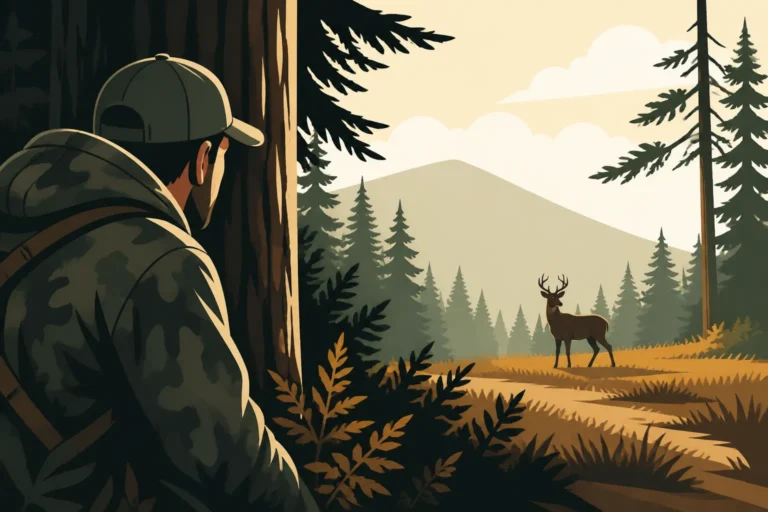
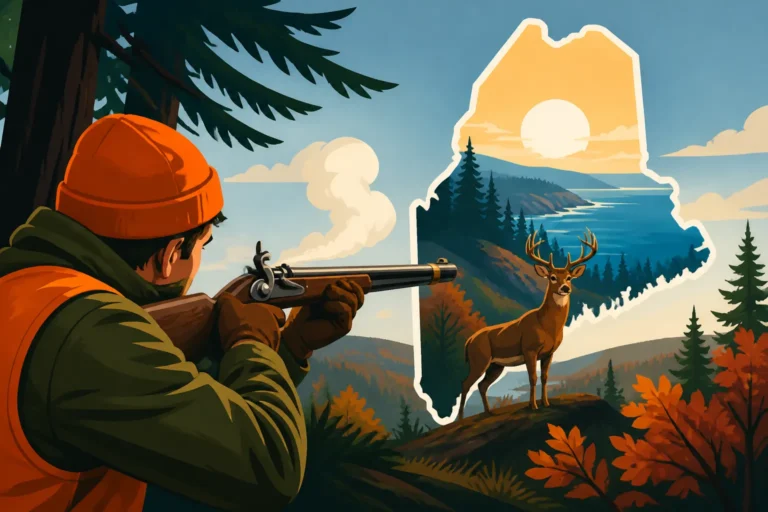
Oh, the crisp Maine air, the smell of balsam, and the crackle of fallen leaves underfoot – there’s nothing quite like deer season here in our beautiful state. But if you've spent any time talking to hunters from other parts of the country, or even just scratching your head over the rulebook, you might have wondered why our general firearms deer season stretches out for a full four weeks. It can feel like a long haul, especially when compared to shorter seasons elsewhere, and understanding the method behind this madness is key to appreciating and planning your Maine hunt. This guide is going to peel back the layers and explain exactly why the Maine Department of Inland Fisheries and Wildlife (MDIFW) has chosen this extended timeframe, and how it impacts both our cherished deer herd and your hunting opportunities.
The Deep Roots: Why Maine's Firearms Season Stretches Four Weeks
It's not just a random number plucked from the sky; the four-week firearms deer season in Maine is a carefully considered strategy, steeped in both historical precedent and modern wildlife management principles. It’s designed to achieve several critical objectives, from managing the deer population to ensuring equitable access for all hunters, both resident and non-resident.
Historical Precedent and Evolution
Maine has a long, storied history of deer hunting, and the structure of our seasons has evolved over centuries. In the early days, hunting was a vital part of survival, with seasons often dictated by necessity rather than rigid rules. As the state grew and wildlife management became more formalized, the need for regulated seasons became apparent. Early regulations were often shorter, but as deer populations stabilized and management strategies became more sophisticated, biologists and policymakers realized that a longer, well-structured season could be more beneficial. It’s a dance between tradition, scientific understanding, and the desire to provide a robust hunting experience that allows for sustained harvest without over-pressuring the herd. This extended period has become a hallmark of Maine's Four-Week Firearms Deer Season.
When you look at the history, you see a clear progression towards balancing harvest goals with conservation. The four-week season isn't an accident; it's the result of decades of observation, data collection, and adjustments. It reflects a deep understanding of Maine's diverse landscapes, from the dense North Woods to the agricultural fields of Aroostook, and how deer behave within these varied habitats. Our biologists aren't just guessing; they're looking at things like Maine Deer Population Estimate and annual harvest data to make informed decisions.
Balancing Hunter Opportunity and Deer Management
One of the primary reasons for the four-week season is to strike a delicate balance between maximizing hunter opportunity and effectively managing the deer herd. Maine is a large state with a significant hunting culture, and providing enough time for tens of thousands of hunters to pursue deer is a logistical challenge.
Firstly, a longer season spreads out hunting pressure. Instead of everyone rushing out during a single frantic week, a four-week window allows hunters to pick and choose their days, reducing crowding in popular areas. This is especially important for public lands, where too much concentrated pressure can quickly make deer nocturnal and wary. By allowing for dispersal of hunters over a longer period, it keeps the hunting experience more enjoyable and arguably more ethical, as deer are less likely to be pushed into vulnerable situations by a wall of hunters. This spread-out pressure is also beneficial for the deer, as it prevents sudden, intense disturbances across their habitat.
Secondly, it provides a broader window to achieve specific harvest goals. MDIFW uses antlerless permits to fine-tune the harvest in different Wildlife Management Districts (WMDs). A longer season means there's more opportunity for hunters to fill those tags, especially if early season conditions are poor or deer are hard to find. If the season were shorter, a bad weather week could drastically reduce the harvest, making it harder to manage populations effectively. A longer season helps ensure that the desired number of deer, particularly does, are harvested to maintain a healthy and balanced herd, especially where Maine's Antlerless Permit System is in place. Tools like the GoHunt app can be incredibly helpful for keeping track of these WMD-specific regulations and even finding data on success rates.
| Week of Firearms Season | Primary Focus/Characteristics | Typical Deer Behavior | Hunter Strategy Adaptation |
|---|---|---|---|
| Week 1 (Resident Only Day) | Exclusive resident access, pre-rut scouting often ends | Deer still on early season patterns, becoming warier | Focus on known food sources, fresh sign, quiet movements |
| Week 1 (General) | High hunter density, early rut activity begins | Bucks start seeking, does still somewhat grouped | Patience, understanding local pressure, using calls lightly |
| Week 2 | Peak of the rut in many areas, cooler weather | Bucks actively chasing, scrapes and rubs prevalent | Aggressive calling, rattling, focusing on travel corridors |
| Week 3 | Rut winding down, deer recovering, colder | Deer returning to feeding patterns, seeking cover | Identifying secondary rut, food sources, warm bedding |
| Week 4 | Late season, harsh weather possible, snow likely | Focus on dense cover, persistent feeding areas | Focus on Late-Season Food Sources for Maine Whitetails, Cold-Weather Sitting Strategy in Maine |
A Week-by-Week Breakdown: Navigating the Extended Season
The beauty of Maine's four-week firearms season isn't just its length, but also its dynamic nature. Each week presents different conditions, deer behavior, and hunter pressure, demanding varied strategies and offering unique opportunities. Understanding this progression is crucial for any hunter hoping to fill a tag.
The Resident-Only Advantage
The season kicks off with a dedicated day for Maine residents, typically the last Saturday in October, which serves as the official Maine Firearms Season Opening Day for residents. This is a highly anticipated event, offering residents a chance to get into the woods before the influx of non-resident hunters. It's a fantastic opportunity to hunt relatively unpressured deer, especially if you've done your scouting. Deer might still be on their early-season patterns, focused on available food sources like acorns, apples, or browse in recent clear-cuts.
For residents, this day can be incredibly productive. It's a chance to capitalize on deer that haven't been pushed or spooked by a full week of general season pressure. Many hunters will target specific stand locations they've scouted throughout the fall, focusing on transition areas between bedding and feeding, or along known travel corridors. The GoHunt app can be particularly useful here, helping you identify property lines and potential hot spots before the season officially opens for everyone. It’s also important to be aware of Maine Resident-Only Day Rules to ensure you're compliant.
General Season Dynamics and Peak Rut Timing
Following the Resident-Only Day, the general firearms season opens to all licensed hunters. The first week often sees high hunter density, especially on weekends, as both residents and non-residents flock to their favorite hunting grounds. Deer quickly become warier, often shifting to nocturnal movements or seeking out thicker cover. This is when patience and quiet woodsmanship really pay off.
As November progresses into its second week, we typically hit the peak of the whitetail rut in many parts of Maine. This is the period every deer hunter dreams about! Bucks are actively seeking does, often throwing caution to the wind. You might see more daytime activity, and strategies like rattling and grunting can become highly effective. Focus on traditional rutting areas: saddles, ridge tops, and bottlenecks where deer naturally travel. Understanding the nuances of Hunting the Rut in Early November is critical for success during this exciting phase. The GoHunt platform can provide mapping tools that help you identify these topographical features and potential pinch points.
Late Season Challenges and Rewards
By the third and fourth weeks of November, the rut is generally winding down, and colder weather has usually set in, often bringing the first significant snowfalls. Deer are now focused heavily on recovering from the rut and finding reliable food sources to build up fat reserves for winter. Hunter pressure typically decreases during these later weeks, especially on weekdays, which can offer a more solitary hunting experience.
However, the late season also presents its own set of challenges. Deer are incredibly wary, having survived weeks of hunting pressure, and the elements can be brutal. Snow can be a double-edged sword: it makes tracking easier, but also makes deer more visible and exposes you more. Hunting during this time requires a renewed focus on persistent feeding areas, dense cover where deer will bed to escape the cold and wind, and often involves longer, colder sits. Don't forget your Cold-Weather Sitting Strategy in Maine during these crucial weeks. This is when having a detailed plan, possibly utilizing data from GoHunt on previous year's harvest locations, can really shine.
Biological Imperatives: What the Four Weeks Means for Maine's Deer Herd
The extended firearms season isn't just about hunter convenience; it's deeply rooted in sound wildlife biology and helps maintain a healthy, balanced deer population across the state. MDIFW's decisions are based on years of scientific research and understanding the unique dynamics of Maine's whitetail deer.
Minimizing Pressure and Promoting Dispersal
Imagine if Maine’s deer season was only one or two weeks long. What would happen? You'd see an immense, concentrated surge of hunters in the woods, all at once. This kind of intense, short-term pressure isn't just unpleasant for hunters; it's detrimental to the deer herd. Deer would be constantly harassed, pushed out of their preferred habitats, and forced into unnatural movement patterns. This stress can impact their feeding, breeding, and overall health.
By stretching the season to four weeks, MDIFW effectively dilutes this pressure. It allows deer to settle back into their routines, albeit with increased wariness, between periods of hunter activity. This dispersal means that deer aren't constantly on the run; they have opportunities to feed, rest, and move more naturally within their home ranges. It also means that fewer deer are likely to be pushed into areas where they might be more vulnerable, like crossing busy roads or entering suburban zones. This thoughtful approach helps maintain the integrity of the deer's natural behavior and reduces the likelihood of localized over-harvesting, which could severely impact local herd health and the buck-to-doe ratio.
Targeting Specific Deer Harvest Goals
Every year, MDIFW sets specific harvest goals for each of Maine's Wildlife Management Districts (WMDs). These goals are critical for maintaining a healthy deer population, preventing overpopulation in some areas (which can lead to habitat degradation and increased disease transmission), and allowing for herd growth in others (particularly in northern Maine, where harsh winters can limit populations).
A four-week season provides the flexibility needed to achieve these varied goals. In WMDs where antlerless permits are issued to reduce the deer population, the longer season increases the chances that hunters will successfully fill those permits. If the season were shorter, and hunters faced poor weather or uncooperative deer during that compressed window, the desired harvest might not be met, leading to unchecked population growth and potential problems down the line. Conversely, in WMDs where the goal is to protect does and allow the herd to expand, the longer season, combined with more restrictive antlerless permit allocations, still provides ample opportunity for hunters to pursue bucks without over-pressuring the female segment of the herd. This adaptive management approach is critical for the long-term sustainability of deer hunting in Maine, and it's why understanding regulations like Maine Deer Registration Requirements is so important.
Strategic Hunting: Adapting to the Season's Arc
The extended firearms season in Maine isn't a one-size-fits-all hunting experience. The conditions, deer behavior, and hunter pressure change dramatically from the end of October into late November. Being a successful hunter means being adaptable and understanding how to adjust your tactics as the weeks progress.
Early Season Tactics for Pressured Deer
The first week of the general firearms season, following the Resident-Only Day, often presents a paradox: abundant deer, but also high hunter pressure. Deer that were relatively unbothered during archery season suddenly find themselves navigating a landscape full of orange-clad hunters. They become more nocturnal, seeking out the thickest cover, and using less obvious travel routes.
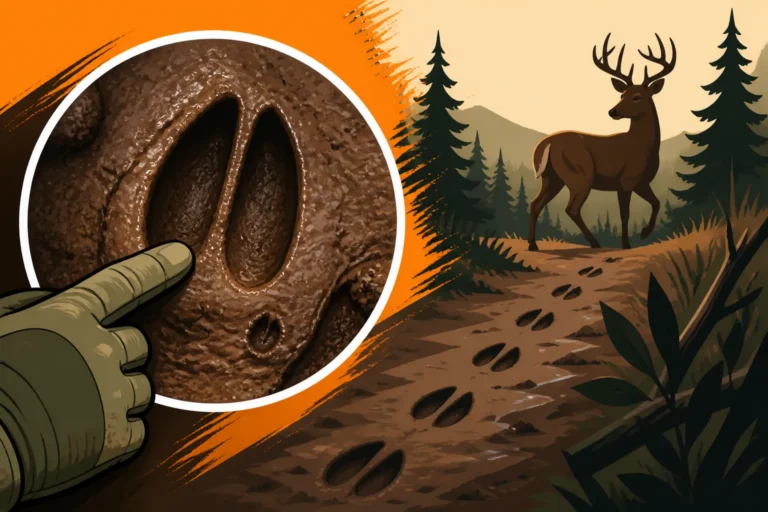
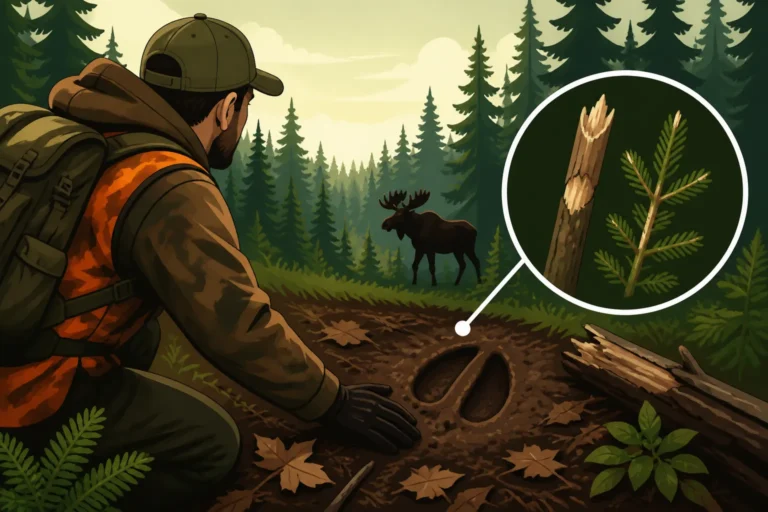
During this period, focus on stealth and targeting remote, overlooked areas. Instead of hitting the easiest-to-access spots, consider walking a little further into dense swamps, cedar thickets, or deep woods that casual hunters might ignore. Look for fresh sign – new rubs, scrapes, and tracks – away from main trails. Sitting still and being patient in these areas can be incredibly effective. Consider using a ground blind that's brushed into the natural surroundings, especially if you're on public land or smaller private tracts that receive more pressure. The GoHunt platform can help you identify these overlooked pockets by showing detailed topographical maps and public land boundaries. Remember to wear your How Much Blaze Orange Maine Requires for safety, as hunter numbers are at their highest.
Mid-Season Rutting Strategies
The second and third weeks of November typically encompass the peak of the whitetail rut. This is when many hunters shift gears from trying to pattern deer around food to capitalizing on the bucks’ singular focus: finding does. Understanding Hunting the Rut in Early November becomes paramount. Bucks are moving more, often during daylight hours, and are less predictable.
This is the time to be more aggressive with your calling and rattling. Positioning yourself in known travel corridors, saddles, or funnel points between bedding areas is crucial. Bucks will often cruise these areas, scent-checking for receptive does. Don't be afraid to try some grunt calls or even light rattling sequences to pique their curiosity. Focus on areas with fresh rub lines or scrape lines, as these indicate recent buck activity. While it's exciting, remember that the deer are still wary, so maintaining quiet entry and exit routes, and being mindful of wind direction, remain critical.
Late Season Food Source Focus
As the firearms season draws to a close in the last week of November, temperatures drop significantly, and snow often covers the ground. The rut is largely over, and deer are entering their winter patterns, prioritizing survival by seeking out high-energy food sources and dense thermal cover. Hunter pressure is usually at its lowest during this period, but so is deer activity, making success a hard-won reward.
Your strategy should shift heavily towards finding and sitting over Late-Season Food Sources for Maine Whitetails. This could mean remaining mast crops like acorns or beechnuts (if the snow isn't too deep), standing cornfields on agricultural lands, or the buds and twigs of woody browse in recent clear-cuts. Deer will often yard up in dense cedar swamps or thick spruce stands, only venturing out to feed during short windows. Identifying these wintering areas and the travel routes leading to nearby food is key. This is also the time when a patient, all-day sit, even in freezing temperatures, can pay off with a big, late-season buck. Staying warm and dry is essential, so investing in quality cold-weather gear is a must. Remember, Maine allows a variety of Maine Legal Firearms for Deer Hunting during this season, so choose the right tool for the job.
The four-week firearms deer season in Maine isn't just an arbitrary chunk of time; it's a carefully crafted period that offers diverse hunting experiences, manages our robust deer herd effectively, and allows for both traditional and modern hunting strategies. From the first crack of dawn on Resident-Only Day to the final hours of the season in late November, it's a testament to Maine's rich hunting heritage and commitment to wildlife conservation.
Disclaimer
Please note that hunting regulations, seasons, and licensing requirements can change. Always consult the most current official Maine Department of Inland Fisheries and Wildlife (MDIFW) rules and regulations before planning any hunting activity. This guide is for informational purposes only and should not be considered legal advice.