Snowshoe Hare Hunting With Beagles
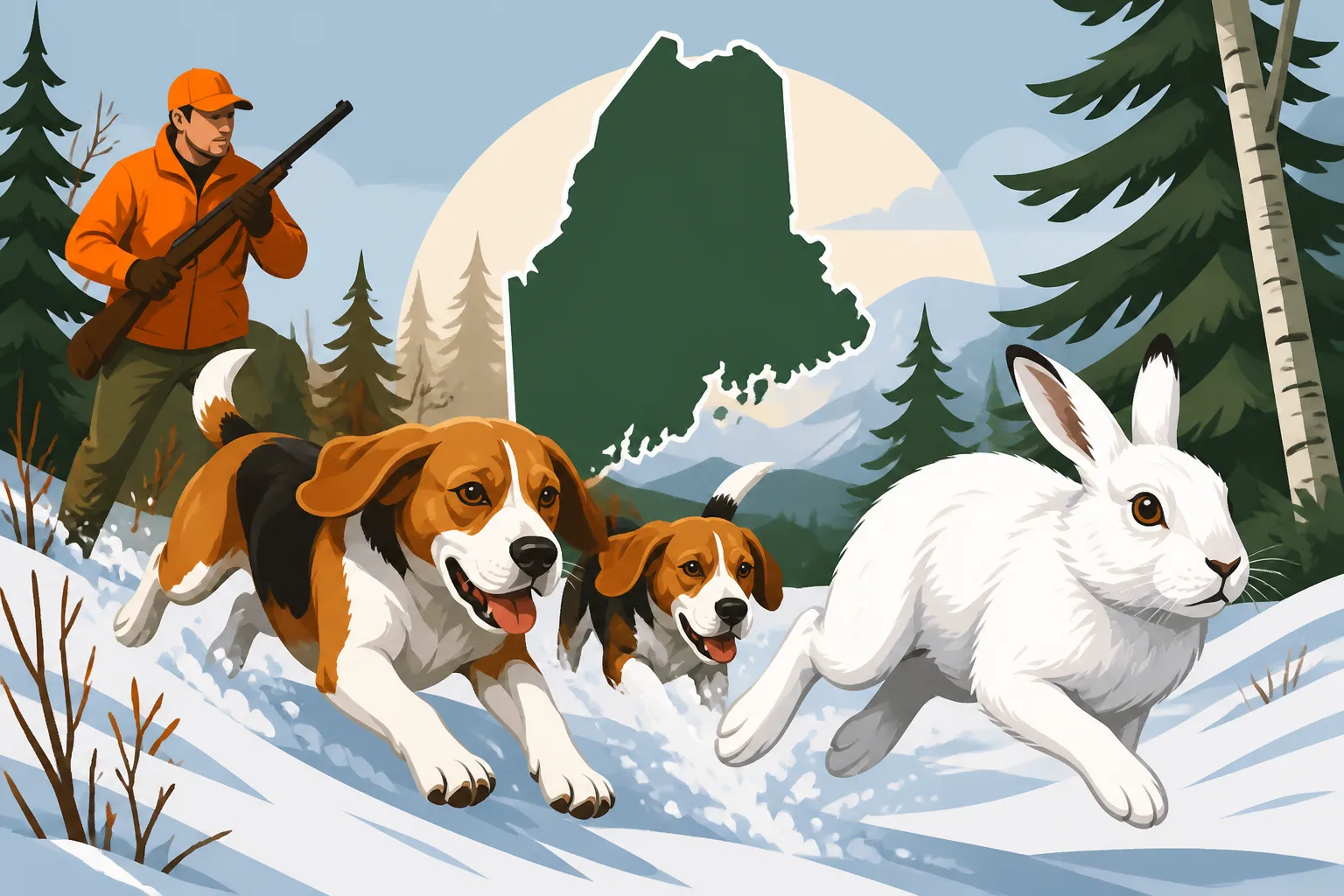
Trying to still-hunt elusive snowshoe hare through the dense Maine woods, especially when the snow is deep and crunching underfoot, can feel like you're chasing ghosts. It's a frustrating endeavor that often leaves you with cold feet and an empty game bag, wondering if there are even any rabbits around. But there's a tradition in Maine, one that transforms this solitary, often fruitless pursuit into an exhilarating, noisy, and highly successful winter adventure: hunting snowshoe hare with beagles. This guide will walk you through everything you need to know to harness the incredible power of these small, persistent hounds and turn those silent, frustrating treks into memorable days of ringing choruses and full creels.
Understanding Maine's Snowshoe Hare
The snowshoe hare, often simply called a "rabbit" by Mainers, is a remarkable creature perfectly adapted to our challenging winters. Their ability to seemingly vanish into thin air, their incredible speed, and their mastery of thick cover make them a formidable quarry for any hunter. But by understanding their habits and habitats, you can put your beagles in the best position to succeed.
Preferred Habitat and Cover
Snowshoe hares thrive in dense, regenerating forests and thickets. Think young spruce and fir stands, cedar swamps, alder runs, and areas where logging has recently occurred, leaving behind a tangled mess of small saplings and brush. They absolutely love areas where they can melt into the shadows, making them incredibly difficult for a human hunter to spot. These dense areas provide both food, in the form of buds and bark, and crucial protection from predators like coyotes, bobcats, and even owls. You’ll often find them just on the edges of these impenetrable thickets, ready to dive deep inside at the first sign of danger. When you're scouting, look for those transitions—the edges of clear-cuts meeting mature timber, the fringes of swamps, or even old apple orchards that have gone wild. These "edge habitats" are prime locations for hares to feed and hide.
The really deep, dark parts of a cedar swamp, often associated with deer wintering yards, are also fantastic places for hare. The thick canopy provides insulation and protection from heavy snowfall, and the dense understory offers endless escape routes. It's truly amazing how a hare can disappear into what looks like an impenetrable wall of evergreen. Even when the snow piles up, these areas offer shelter and food sources that remain accessible.
Seasonal Movements and Diet
Snowshoe hares don't migrate far, but their daily movements and feeding patterns shift with the seasons, especially as winter deepens. In the fall, before the snow really sets in, they might venture a bit further into more open areas to browse on herbaceous plants or fallen leaves. But once the snow flies and the temperatures drop, they become much more focused on cover and readily available woody browse. Their diet consists primarily of twigs, buds, and bark from various trees and shrubs, including willow, alder, birch, and young conifers. You might notice distinct "browse lines" on saplings where hares have been feeding during periods of deep snow.
One fascinating aspect of the snowshoe hare is its color change. In summer, they are a cryptic reddish-brown, perfectly blending with the forest floor. As autumn progresses, they gradually molt, and by the time heavy snow arrives, they are nearly pure white, except for the black tips on their ears. This camouflage is incredibly effective against their snowy backdrop, making them even harder to spot. This adaptation is a testament to their survival instincts in the Maine winter. Understanding these subtle shifts in behavior and diet helps you predict where the hares will be focusing their energy, giving your beagles a better chance to pick up a fresh scent.
Why They're So Elusive
Without a good dog, hunting snowshoe hare is akin to finding a needle in a snowdrift. Their camouflage, whether brown in summer or white in winter, is impeccable. They often sit perfectly still, relying on their invisibility, and won't move until you're practically on top of them. Even then, their burst of speed is incredible, and they can weave through the densest cover at a pace that will leave a human flailing. Combine this with their tendency to double back on their tracks and utilize intricate tunnels under dense brush, and you have a recipe for frustration.
This elusiveness is precisely why beagles are indispensable. Hares typically run in large circles within their home range, often returning to their starting point or a familiar bedding area. A beagle, with its keen nose and relentless drive, can unravel these intricate trails, pushing the hare to keep moving and eventually bringing it back around to the waiting hunter. The dogs' ability to navigate and persist in thick cover where a human would struggle is what truly makes the hunt effective. Without that persistent voice on the trail, most hare would simply sit tight or disappear into an unhuntable labyrinth.
The Magic of Beagles: Why They Excel for Hare
Beagles aren't just good for hare hunting; they are, for many, the only way to hunt hare effectively and enjoyably. Their unique combination of traits makes them perfectly suited for this specific challenge in the Maine woods.
Beagle Traits for Hare Hunting
What makes a beagle so special for chasing snowshoe hare? It's a combination of physical attributes and an unwavering instinct. First and foremost is their nose—it's phenomenal. Beagles can pick up the faint scent of a hare trail even hours after the rabbit has passed, and they can differentiate that scent from countless other forest odors. Their low stature allows them to easily navigate through thick brush and under tangled branches where larger dogs would struggle. This is critical in the dense hare habitat found throughout Maine.
Beyond their physical traits, it's their personality and drive that truly set them apart. Beagles are born to trail. They possess an incredible tenacity, a never-give-up attitude that keeps them on the scent even when the trail is cold, the hare is performing evasive maneuvers, or the weather is tough. And then there's the voice—that unmistakable, musical baying that signals a hot trail. For a hare hunter, there's no sweeter sound than a beagle pack in full cry, driving a rabbit through the woods. This baying isn't just for the hunter's pleasure; it also serves to keep the hare moving and helps the pack stay together. A good pack works in unison, with individual dogs contributing to the overall effort of pushing the hare on its circular course.
Basic Training for a Hare Dog
While beagles have an innate ability to hunt, some basic training is essential to develop them into reliable hare dogs. The key is to nurture their natural instincts while instilling discipline. Early exposure to game is crucial. Start young pups in areas with known hare populations. Let them explore, let them find their first trails. Resist the urge to intervene too much; let them figure things out. Their natural curiosity and scent drive will do most of the work initially. One of the most important aspects is teaching recall and command obedience. Even the best hound needs to come back when called, especially if they get too far ahead or stray into an undesirable area. Consistent positive reinforcement, using treats and praise, works wonders.
Another vital step is getting them used to working in a pack, if you plan to run multiple dogs. Start with a more experienced dog and a pup, allowing the younger dog to learn from the older. Gradually introduce more dogs, ensuring they learn to communicate and cooperate. Desensitization to gunshots is also critical. Start with small-caliber firearms at a distance, gradually increasing proximity and caliber as they become comfortable. You want a dog that is focused on the chase, not startled by the shot. Patience is paramount; it takes time, consistent effort, and lots of field experience to mold a raw pup into a polished hare hunter.
Managing Your Pack in the Field
Running a pack of beagles is an art form. It's not just about turning them loose; it's about listening, understanding their communication, and knowing when to intervene. Typically, a pack consists of two to four dogs, but some hunters prefer more, others less. Too many dogs can sometimes overrun a trail, while too few might struggle to keep a hare moving consistently. Each dog in your pack will likely have its own unique voice and style—some are "starters" who are quick to pick up a cold trail, others are "strikers" who are best at unraveling difficult checks, and some are "runners" who simply have endless stamina.
Using GPS collars, like those compatible with the GoHunt app for tracking, is absolutely non-negotiable in Maine's dense cover. It allows you to monitor each dog's location, speed, and how far they're ranging. This is vital for safety, preventing lost dogs, and understanding the dynamics of the chase. You can see when a dog is "treed" (though rare with hare), when they've stopped on a check, or if they're heading into a dangerous area. It also helps you learn your dogs' individual working styles and improve their pack cohesion. Pay attention to the cadence of their baying; a consistent, fast chop means a hot trail, while a more hesitant, broken cry might indicate a "check" where the hare has gone evasive. Knowing your dogs and their voices allows you to anticipate the hare's movements and position yourself for the shot.
Gear and Preparations for a Successful Hunt
Hunting snowshoe hare with beagles is a physically demanding sport, often conducted in cold, snowy conditions. Proper gear for both you and your dogs isn't just about comfort; it's about safety and success.
Hunter's Essential Gear
Layering is key for staying warm and dry in the Maine winter. Start with a good moisture-wicking base layer, add insulating mid-layers like fleece or wool, and finish with a waterproof and windproof outer shell. Choose clothing in blaze orange or pink, as Maine requires hunters to wear two articles of blaze clothing during most seasons. A good pair of waterproof, insulated boots is crucial, preferably with good ankle support for traversing uneven terrain and deep snow. Consider knee-high gaiters to keep snow out of your boots. Gloves or mittens are essential, perhaps a thin pair for shooting and a heavier pair for walking or waiting.
A lightweight, comfortable shotgun, typically a 20-gauge or 12-gauge, is ideal. Use shotshells with a shot size of #4, #5, or #6, which provide a good pattern and enough knockdown power for hare. Carry extra shells, a compass or GPS device (like your phone with GoHunt maps), a knife, a headlamp, a small first-aid kit, water, and some high-energy snacks. A comfortable game vest or small backpack will help carry your essentials and, hopefully, your harvested hare. Don't forget ear protection, especially when hunting with a pack of barking beagles and shooting a shotgun. Remember that during Maine's firearms season for deer, you'll need to be especially mindful of blaze orange requirements and other regulations specific to hunting multiple species.
Dog Gear and Safety
Your beagles are your partners, and their safety is paramount. Start with properly fitting collars. ID tags with your name and phone number are absolutely critical. As mentioned, GPS tracking collars are a game-changer. Brands like Garmin Alpha or Tri-Tronics are popular among serious hound hunters. These units allow you to track your dogs' exact location, speed, and distance, often with real-time updates directly to a handheld device or even your smartphone via an app that might integrate with a platform like GoHunt. This is crucial for avoiding lost dogs in the vast Maine woods and for understanding their work.
Consider protective vests or bell collars for your dogs, especially if they hunt in dense, thorny cover, to prevent cuts and scrapes. In very cold weather, some dogs may benefit from dog coats, though most working beagles handle the cold well. Always carry a dog first-aid kit with essentials like wound disinfectant, bandages, and paw balm. High-quality dog food and plenty of water are also essential for working dogs, both before and after the hunt. Hydration is often overlooked, but just like humans, working dogs need ample water. Transport your dogs safely in well-ventilated crates. Remember, these dogs are athletes, and they deserve the same level of care and attention you give yourself.
Mapping and Scouting for Hare
Successful hare hunting isn't just about good dogs; it's also about knowing where to find the rabbits. Scouting before the snow flies can be incredibly helpful. Look for the dense cover described earlier – young clear-cuts, cedar swamps, overgrown apple orchards, and alder thickets. Identifying these areas on maps, whether paper or digital, is a great start. Tools like the GoHunt app or Maine's Inland Fisheries and Wildlife (MDIFW) interactive mapping tools can show you public lands, timber company lands, and identify different habitat types. This can be especially useful when you're looking for hunting public ground near Augusta or other population centers, as many small game opportunities exist close to home.
Once snow hits, scouting for fresh hare sign is even easier. Look for tracks in the snow – a distinctive pattern of two large hind feet landing ahead of two smaller front feet. You'll often find these crisscrossing in and out of thickets. Also, keep an eye out for hare droppings, which are small, round pellets, often found in concentrated areas where they feed or bed. Browsing marks on twigs and saplings are another clear indicator of their presence. Pay attention to how the Maine snowshoe hare population trends are doing in your chosen Wildlife Management District (WMD). While snowshoe hare populations naturally cycle, knowing the general health of the herd can help manage expectations and identify better hunting grounds. Combining ground scouting with aerial photos or topo maps from apps like GoHunt can give you a powerful advantage in locating those prime hare habitats.
| Gear Category | Item | Notes |
|---|---|---|
| Hunter Apparel | Base Layers (wicking) | Merino wool or synthetic, avoid cotton. |
| Mid-Layers (insulating) | Fleece or wool, multiple thin layers for adaptability. | |
| Outer Shell (waterproof/windproof) | Durable, breathable, in blaze orange/pink for visibility. | |
| Insulated Boots | Waterproof, good traction, rated for extreme cold. | |
| Gaiters | Keep snow out of boots, protect lower legs. | |
| Gloves/Mittens | Layered system: thin shooting gloves, warm outer mittens. | |
| Blaze Orange/Pink Hat & Vest | Maine legal requirement for visibility and safety. | |
| Hunter Essentials | Shotgun (12/20 gauge) | Lightweight, reliable, suitable for fast-moving targets. |
| Shotshells | #4, #5, or #6 shot for hare. | |
| GPS Device/Smartphone with App | GoHunt or similar for navigation and dog tracking. | |
| Compass & Map | Backup navigation, crucial in remote areas. | |
| Knife | Field dressing, general utility. | |
| Headlamp/Flashlight | Essential for early starts or late finishes. | |
| First-Aid Kit | Personal and basic trauma supplies. | |
| Water & Snacks | Hydration and energy for a full day. | |
| Ear Protection | Crucial for hearing health. | |
| Dog Gear | GPS Tracking Collars | Absolute must for safety and monitoring in Maine's dense cover. |
| ID Tags (on collars) | With contact information. | |
| Protective Vests (optional) | For dense, thorny areas, prevents cuts. | |
| Dog First-Aid Kit | Wound care, paw protection, basic meds. | |
| Water & Portable Bowl | Hydration for working dogs. | |
| Dog Crates | Safe and secure transport. |
Hunting Strategies: From Unleashing to the Shot
Now for the fun part: putting those beagles to work and making a successful harvest. It's a dynamic, exciting form of hunting that requires patience, quick thinking, and a good ear.
Locating Hare Sign and Starting the Dogs
The first step is getting your dogs on a fresh trail. Drive slowly through known hare habitat, scanning logging roads, old two-tracks, and field edges for fresh tracks in the snow. If you find promising sign, pull over safely and unleash your beagles. Let them naturally cast about, sniffing the ground and working the edges of the thick cover. A seasoned starter dog will often pick up the scent quickly, giving a sharp, excited bark or whine, then launching into a full bay as the trail gets hotter. This initial excitement tells you they've found something promising.
Once one dog strikes, the rest of the pack will quickly join in, their noses to the ground, working to unravel the trail. Pay close attention to their voices. A hesitant "chop" might mean they're on a cold track or working through a particularly difficult section where the hare has tried to throw them off. A steady, ringing chorus, often referred to as "music," means they're on a hot trail and pushing the hare hard. Use your GPS collar system to watch their progress, seeing if they're holding a tight circle or if the hare is making longer runs. This helps you anticipate the hare's direction and speed. Sometimes, a hare might sit tight for a bit, but the relentless pressure of the barking dogs will eventually push it to move, and that's when the real chase begins. For more detailed insights, you might look into specific articles on running beagles on a Maine hare.
Listening to the Chase
This is where the magic truly happens. Once the beagles are on a hot trail, the chase begins. Snowshoe hares are known for running in circles, often returning to familiar bedding or crossing areas within their home range. Your job, as the hunter, is to listen intently to the dogs' voices. The pitch, volume, and cadence of their baying will tell you where they are, how fast they're moving, and whether they're gaining or losing ground on the hare.
If the sound fades, the hare might be getting ahead or going through an area of dense cover that muffles the sound. If the sound suddenly gets louder and closer, the hare is likely making its way back toward you. Pay attention to how the sound changes as it moves through different terrain. For example, a dog's bay will sound different in a dense cedar swamp versus an open hard wood stand. Trust your dogs; they know where that hare is better than you do. Position yourself strategically along natural funnels, game trails, or known hare crossings. These are the spots where the hare is most likely to pass as it completes its circuit. Knowing the typical patterns of snowshoe hare hunting deep snow cover can help you predict these circuits, as deep snow often forces hares to use more established trails.
Intercepting the Running Hare
The ultimate goal is to intercept the hare as it completes its circle. This requires patience and often a bit of quick decision-making. Once the dogs' music indicates the hare is swinging back towards you, get ready. Find a spot with good visibility but also enough cover for you to blend in. Stand still and scan the thickets in the direction the dogs are coming from. Hares typically don't burst out into wide-open spaces; they often follow faint trails or dart through the densest edges.
When the hare appears, it will often be moving quickly, weaving through brush. This is where your quick reflexes and shotgun skills come into play. Take a steady, deliberate shot. Remember, safety first: always be aware of your surroundings, your hunting partners, and where your dogs are (which your GPS collar system will tell you!). Don't shoot at a hare if a dog is too close. Once you've made a clean shot, mark the spot and retrieve your hare quickly. If the dogs are still hot on the trail, call them off the dead hare to prevent them from becoming overly focused on the kill rather than the chase. This takes practice and good dog management, but it ensures they remain effective hunters for future pursuits.
Post-Hunt: Care, Regulations, and Sustaining the Tradition
After a successful day of chasing hares with your beagles, there are still important steps to take, from handling your harvest to ensuring you're following Maine's hunting regulations and promoting ethical practices.
Field Dressing and Meat Care
Once you've retrieved your snowshoe hare, proper field dressing is crucial to ensure the meat is of high quality. In cold weather, you have a bit more time, but generally, it's best to gut the hare as soon as possible. Make a small incision along the belly, from the sternum to the pelvis, and carefully remove all internal organs. Some hunters prefer to remove the head and feet at this stage as well, especially if packing it out in a game bag.
Hang the hare by its hind legs to allow it to cool quickly, especially if you've harvested multiple. This cooling prevents bacterial growth and improves meat quality. Back at camp or home, skinning and butchering can be done. Snowshoe hare meat is lean, flavorful, and quite versatile. It's excellent in stews, fried, or roasted. Many hunters consider it a delicious wild game protein, and properly handled, it will be a welcome addition to your table. If you're wondering about other game and preparation, you can explore guides on topics like best-eating game in Maine for more culinary inspiration.
Maine Hare Hunting Regulations
Before you even step foot in the woods, it's absolutely vital to be familiar with Maine's hunting regulations for snowshoe hare. These regulations can change year to year, so always consult the most current Maine Hunting & Trapping Laws book, available online through the MDIFW website or at any license vendor. Key regulations typically include season dates, bag limits, and legal hunting hours. Snowshoe hare generally falls under Maine small game season rules, which usually offer a generous timeframe, often extending deep into winter.
You'll need a valid Maine hunting license, and if you're a non-resident, the specific non-resident license options. Remember that wearing blaze orange or blaze pink is required during deer season, even if you are only hunting small game. Also, be aware of specific rules regarding hunting with dogs, particularly if you are training young hounds before the season officially opens. Always double-check any restrictions on specific public lands or Wildlife Management Areas (WMAs). Ignorance of the law is never an excuse, and adhering to regulations ensures ethical hunting and helps maintain the health of Maine's snowshoe hare population.
Preserving the Sport for Future Generations
Hunting snowshoe hare with beagles is a cherished tradition in Maine, one that embodies camaraderie, the joy of working with dogs, and the simple pleasure of fresh air and good company. To ensure this tradition continues, it's our responsibility as hunters to practice ethical hunting and good conservation. This means respecting private landowners, always asking for permission if land is posted, and leaving no trace behind. If you're interested in how to approach landowners, check out advice on asking a Maine landowner for permission.
It also means mentoring new hunters, especially youth, and sharing the unique experience of beagle hunting. Teaching them about dog care, reading tracks, and the patience required not only fosters new enthusiasts but also ensures the knowledge and skills are passed down. Supporting organizations like the Maine Department of Inland Fisheries and Wildlife through license purchases helps fund habitat management and research, benefiting not just hare but all wildlife in Maine. By acting as responsible stewards of the land and the sport, we can all contribute to making sure the chorus of beagles chasing snowshoe hare remains a vibrant part of Maine's winter soundscape for generations to come.
Disclaimer
Please note that hunting regulations and conditions can change. Always consult the official Maine Department of Inland Fisheries and Wildlife (MDIFW) website and their current regulations handbook before planning any hunting trip. This guide is for informational purposes only and does not supersede official state regulations. Safety should always be your top priority when afield.