Maine Snowshoe Hare Population Trends
It can be incredibly frustrating to hit the woods, all bundled up and ready for a productive day of hunting, only to find the snowshoe hare aren't where you expect them to be. Many of us have experienced those quiet days that leave us scratching our heads, wondering what's really going on with the hare. Understanding Maine's snowshoe hare population trends is absolutely crucial for any hunter hoping to fill their bag, and this guide will dive deep into the factors that make these little dynamos so elusive.
Understanding the Cyclic Nature of Hare Populations
If you've spent any real time hunting snowshoe hare in Maine, you've probably noticed that some years seem to be flush with rabbits, while others feel like a sparse desert. This isn't your imagination; it's the natural rhythm of the snowshoe hare's population cycle. Unlike many other species that maintain relatively stable numbers year after year, hare are famous for their boom-and-bust patterns.
The Ten-Year Cycle Explained
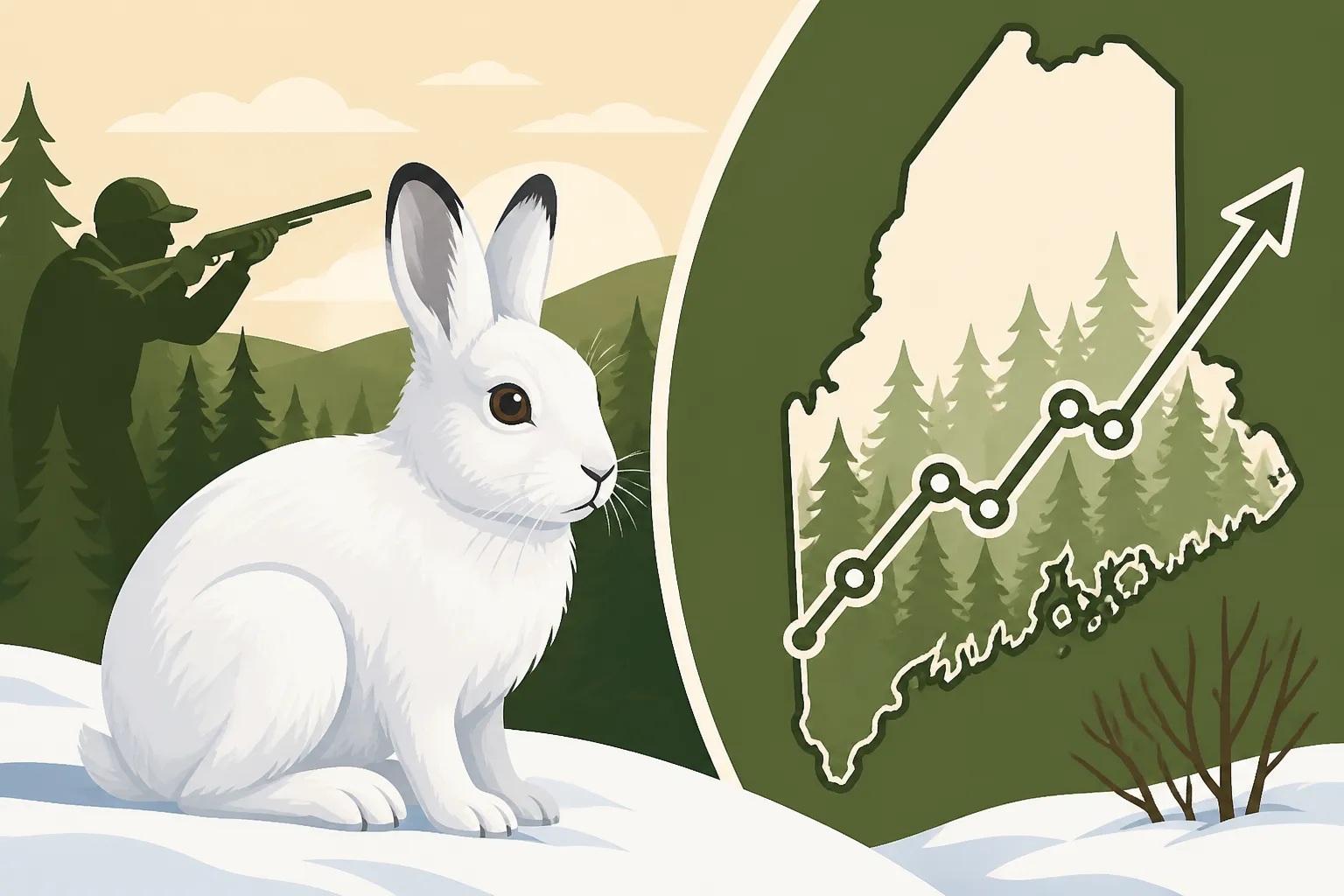
Snowshoe hare populations typically operate on a roughly 10-year cycle, swinging dramatically between periods of high abundance and significant scarcity. This isn't unique to Maine; it's a well-documented phenomenon across their entire North American range. During a "boom" phase, it can feel like you can't walk twenty feet without flushing a hare from a thicket. Then, almost as quickly as they appeared, their numbers can plummet, sometimes by as much as 90% or more, entering a "bust" phase.
This cycle is incredibly complex and driven by a multitude of interacting factors, not just one simple cause. It's a delicate dance between food availability, predator populations, and even the hare's own physiological responses to stress and density. A hunter who understands this cycle knows that some years will be tougher than others, but it also helps them anticipate when the good times might be rolling around again. It means that while the general trend holds, local conditions can vary, so paying attention to what's happening in your specific hunting grounds is key.
Triggers for Population Swings
So, what kicks off these dramatic shifts? The most prominent theory involves a strong predator-prey relationship, primarily with the Canada lynx, though coyotes and raptors also play a significant role. When hare populations are high, there's an abundance of food for predators. This allows predator numbers to increase, eventually leading to heavier predation pressure on the hare. As hare numbers decline, so too does the food source for predators, causing predator populations to crash in turn. This reduction in predation then allows the hare to rebound, starting the cycle anew.
It's not just predation, however. Food resources, particularly browse like willow, aspen, and birch, also cycle in response to heavy hare grazing. During peak hare years, vegetation can be browsed down significantly, leading to less food for the next generation of hare, which contributes to the decline. The quality of food, not just quantity, can also influence hare reproduction and survival. This intricate web of interactions ensures the cycle continues, a fascinating natural phenomenon that has fascinated biologists and hunters for generations.
Factors Influencing Maine's Snowshoe Hare Numbers
Beyond the overarching cycle, several immediate and tangible factors directly influence how many snowshoe hare we see from one season to the next. Maine's diverse landscape and weather patterns mean these influences can vary greatly even within the state.
Weather and Climate Impact
Maine's weather is a constant wildcard, and snowshoe hare are, as their name suggests, particularly adapted to deep snow. Heavy, persistent snow cover is generally a boon for hare, as it provides crucial insulation and allows them to access higher browse. However, late-season thaws followed by freezes can create crusts that are difficult for them to move through and expose them to predators. Conversely, winters with insufficient snow can leave hare more vulnerable, as their famous white camouflage is less effective against a brown background, making them easy targets for keen-eyed coyotes and raptors.
Climate change is also a factor that concerns wildlife managers. Milder winters with less consistent snow cover in parts of Maine could eventually stress hare populations, especially at the southern edge of their range. Their adaptation to snow means a changing climate could shift their optimal habitat northward over time. This makes understanding local conditions even more vital for hunters; a quick check of the local snowfall amounts can sometimes tell you more about the hare prospects than a statewide report.
Food Availability and Nutrition
Snowshoe hare are primarily browsers, and their diet consists of twigs, bark, buds, and conifer needles, especially in winter. The abundance and nutritional quality of these food sources directly impact their health, reproductive success, and ability to withstand predation and harsh weather. Areas with a rich mix of young deciduous growth, such as willow, aspen, and birch, alongside dense conifer stands, tend to support healthier and denser hare populations.
After a particularly harsh winter or a period of high population density, prime browse can become depleted, leading to a decline in hare health and reproductive rates. Conversely, a few years of robust plant growth can set the stage for a population rebound. This is why scouting for good habitat isn't just about finding thick cover; it's also about identifying areas with plenty of fresh browse. Platforms like GoHunt can sometimes offer insights into vegetation types and densities through satellite imagery, giving you a head start on your scouting.
Disease and Parasites
Like all wild animals, snowshoe hare are susceptible to various diseases and parasites that can impact their population. Tularemia, for example, is a bacterial disease that can affect lagomorphs (the order that includes hares and rabbits), and outbreaks can sometimes lead to localized population declines. Other common parasites, such as internal worms or external ticks and fleas, can weaken individual animals, making them more vulnerable to predation or environmental stressors.
While disease doesn't typically cause the large-scale, cyclical crashes seen with predation, it can contribute to mortality, especially in years when hare are already stressed by other factors like poor nutrition or extreme weather. A healthy hare population in a robust habitat is generally more resilient to these biological challenges. When you're out Snowshoe Hare Hunting Deep Snow Cover, pay attention to any signs of sick or lethargic animals, as this can be an indicator of underlying health issues in the local population.
Habitat and Its Role in Hare Survival
No matter the population cycle or the weather, good habitat is the bedrock of strong snowshoe hare numbers. Maine is blessed with vast tracts of the kind of cover these animals thrive in, but understanding what makes ideal hare habitat is key to finding them.
Dense Conifer Stands and Regenerating Forests
Snowshoe hare are masters of concealment, and they achieve this by living in extremely dense cover. Their preferred habitat often consists of young, regenerating conifer forests, particularly spruce and fir stands that are thick with saplings. These areas provide an incredible amount of overhead cover from avian predators like owls and hawks, and lateral cover from terrestrial predators such as bobcats and coyotes. Think of those areas where you literally have to push your way through the branches – that's prime hare country.
These dense stands also offer protection from harsh winter winds and deep snow, creating tunnels and pathways beneath the snowpack where hare can move safely and access browse. Logging operations that leave behind significant slash or create clear-cuts that are allowed to regenerate naturally often become hare havens within a few years. When you're scouting, look for those virtually impenetrable sections of timber; they might not be easy to walk through, but they're exactly where the hare want to be.
Alder Thickets and Wetland Edges
While dense conifers are crucial, snowshoe hare also utilize alder thickets, particularly along wetland edges, stream corridors, and beaver flowages. These areas provide a different type of dense cover, often with an abundance of preferred browse species like willow and aspen, which thrive in moist conditions. The labyrinthine nature of an alder swamp offers excellent escape routes and hiding spots, making it difficult for predators to pursue effectively.
These wetland-associated habitats can be particularly productive in the early and late parts of the season, when other areas might be less appealing. For example, during the spring green-up, the fresh new growth in these damp areas can be a major draw. When you're planning your hunt or thinking about Running Beagles on a Maine Hare, don't overlook these often-overgrown, wet areas; they can hold a surprising number of hare.
Habitat Fragmentation and Human Impact
As Maine's landscape changes, habitat fragmentation due to development, road construction, and changing forestry practices can impact local hare populations. Large, contiguous blocks of suitable habitat are vital for maintaining robust numbers, allowing hare to move, disperse, and avoid localized threats. When habitats are broken into smaller, isolated patches, hare populations can become more vulnerable to environmental changes and inbreeding.
Sustainable forestry practices that prioritize creating and maintaining diverse age classes of forest, including regenerating clear-cuts and dense young stands, are beneficial for hare. Conversely, intensive forestry that removes too much dense cover or creates monoculture plantations can reduce habitat quality. Hunters often find excellent hare hunting on public lands and industrial timberlands that are actively managed, as long as those management practices create the dense, brushy cover hare rely on. Tools available through platforms like GoHunt can help you visualize land ownership and identify public tracts, such as Maine Public Reserved Land Explained, where hare habitat might be actively managed.
Impact of Predators on Hare Populations
Predation is not just a factor; it's a primary driver of the snowshoe hare's famous population cycle. The constant pressure from a variety of hunters, both mammalian and avian, keeps hare populations in check and helps shape their behavior and survival strategies.
The Lynx-Hare Dynamic
The relationship between the Canada lynx and the snowshoe hare is perhaps the most iconic predator-prey dynamic in North America. Lynx are highly specialized hare predators, and their populations closely track the hare cycle, albeit with a slight lag. When hare numbers are high, lynx thrive and reproduce, leading to an increase in their own numbers. This increased lynx population then exerts intense pressure on the hare, driving down their numbers. As hare become scarce, lynx numbers eventually decline due to lack of food, allowing the hare to rebound.
Maine is at the southern edge of the lynx's range, and while they are a protected species, their presence is a clear indicator of healthy hare populations in northern Maine. Understanding this dynamic helps explain why local hare numbers can fluctuate so wildly – it's a natural, interconnected system at play.
Other Key Predators
While lynx get most of the attention, a host of other predators also rely on snowshoe hare. Coyotes are incredibly adaptable and will readily hunt hare, especially during winter months when other prey might be scarcer. Foxes, bobcats, fishers, and even domestic dogs can also take hare.
From the sky, various raptors, including great horned owls, barred owls, and several species of hawks, are significant predators. During periods of low snow cover or in areas where dense overhead protection is lacking, hare are particularly vulnerable to these aerial hunters. This constant threat of predation is why hare are so shy and prefer to stay tucked away in the densest cover imaginable. When you're out hunting small game, being aware of the predator landscape can sometimes help you predict where hare might be seeking extra refuge. Learning about the wider ecosystem and its various players, such as those found in articles like Maine Predator and Furbearer Hunting in Maine, can provide valuable context.
Predator Avoidance Strategies
Snowshoe hare have evolved several remarkable strategies to cope with this intense predation pressure. Their famous seasonal camouflage change, from brown in summer to white in winter, is a prime example. This helps them blend seamlessly into their surroundings, though it becomes a liability if snow cover is inconsistent.
Their preference for extremely dense cover is another key strategy. They use thickets as both a hiding place and an escape route, often having a network of tunnels and runways through the undergrowth. When startled, they can burst into incredibly fast, zigzagging sprints, making it difficult for predators to lock on. Furthermore, hare tend to be crepuscular or nocturnal, meaning they are most active at dawn, dusk, and throughout the night, which helps them avoid some diurnal predators. Knowing this helps hunters time their efforts, often finding better success during those twilight hours.
Regional Differences in Maine Hare Abundance
Maine is a large state with diverse landscapes, and snowshoe hare populations aren't uniformly distributed. What might be true for hare numbers in Aroostook County could be quite different from what you find in southern or coastal Maine.
Northern Maine Strongholds
The vast forests of northern and eastern Maine typically represent the stronghold for snowshoe hare populations. Areas like Aroostook, Piscataquis, and parts of Washington and Penobscot counties offer extensive tracts of prime habitat, including large areas of regenerating spruce-fir forest and numerous wetland complexes. The consistent, deep snow cover in these regions also favors hare survival and allows their winter camouflage to be effective for longer periods.
These are the areas where hunters often report the highest densities of hare, especially during peak years of the cycle. The sheer amount of undeveloped land and suitable habitat means that even during bust cycles, remnant populations can hold on better here than in more fragmented landscapes. If you're looking for the best chances at high hare numbers, focusing your efforts north is often a wise choice.
Central and Western Maine Opportunities
Moving south and west, hare populations can still be excellent, but they tend to be more localized. Central Maine, with its mix of farmland and woodlots, often has hare concentrations along forest edges, in reverting fields, and in specific pockets of dense regeneration. Western Maine's mountain country offers similar opportunities, with hare thriving in the dense stands found in valleys, around beaver ponds, and in recently logged areas on lower slopes.
In these regions, finding hare often requires more targeted scouting to locate those specific patches of prime habitat amidst more varied terrain. However, the advantage can be less hunting pressure in some of these localized spots. Don't overlook these areas, especially if you know a particular block of woods that consistently holds thick growth.
Southern and Coastal Maine Challenges
As you move further into southern and coastal Maine, finding robust snowshoe hare populations can become more challenging. Habitat fragmentation is more pronounced due to increased development, and winter snow cover is often less consistent and deep. This can put hare at a disadvantage, making their white coats stand out against bare ground and increasing their vulnerability to predators.
However, even in southern Maine, dedicated hunters can find hare in specific, well-maintained habitats. These might include large state-owned forest blocks, managed wildlife areas, or private parcels where landowners have prioritized creating dense cover. These populations tend to be more isolated and susceptible to local pressures, but for those willing to scout thoroughly, opportunities still exist. For general small game rules and details, you might consult Maine Small Game Season Rules as you plan your hunting adventures, no matter the region.
Hunting Strategy Amidst Population Fluctuations
Adapting your hunting strategy to current snowshoe hare population trends is the hallmark of a successful hunter. Knowing the general health of the hare population, and even using tools to help, can make a significant difference.
Scouting for Productive Areas
During years of lower hare numbers, thorough scouting becomes absolutely critical. Instead of just walking through general habitat, focus on finding the absolute best habitat available. This means seeking out the densest stands of regenerating spruce and fir, the thickest alder swamps, and areas with abundant fresh browse. These prime locations will be the last places hare abandon during a downturn and the first places they recolonize during a rebound.
Spend time walking these areas before the season opens, looking for fresh tracks, droppings, and browsed vegetation. Even in years when the statewide population feels low, you can often find pockets of concentrated hare if you put in the legwork. Tools like GoHunt can be invaluable here, allowing you to examine satellite imagery for changes in forest density over time or to mark promising spots for future investigation. This is a great way to be strategic about your approach to Upland Bird and Small Game Hunting in Maine.
Adjusting Tactics for Lower Numbers
When hare numbers are down, you might need to adjust your hunting tactics. Instead of expecting to jump multiple hare on a casual walk, be prepared for longer periods between flushes. Still-hunting slowly and deliberately through prime cover, pausing frequently to scan and listen, can be more effective than simply pushing through. Working with a good beagle, as detailed in Running Beagles on a Maine Hare, can be especially beneficial, as their scenting ability can locate hare that you would easily walk past.
Consider focusing your efforts during periods when hare are most active, such as early morning or late afternoon, and after fresh snowfall, which often encourages movement and makes tracking easier. Be prepared to spend more time in the woods and cover more ground to find fewer animals, and celebrate every successful flush. Remember, even in lean years, there are still hare to be found for the persistent hunter.
Utilizing Resources for Information
Staying informed about regional conditions can help you set realistic expectations and plan your hunts effectively. While official population estimates for snowshoe hare can be difficult to obtain due to their elusive nature, paying attention to anecdotal reports from other hunters, local guides, and even forestry professionals can provide clues. Checking in with local game wardens or wildlife biologists at regional offices might also offer some insights into localized trends.
For specific season dates and regulations that might impact your hunting plans, always refer to the official sources. A quick review of something like Maine Snowshoe Hare Season Dates will ensure you're hunting legally and ethically. While hare populations ebb and flow, knowing the rules and using all available information will always put you in a better position for success.
| Factor | Impact on Hare Population | Key Characteristic in Maine |
|---|---|---|
| Population Cycles | Drives boom-and-bust periods, roughly 10-year cycle. | Evident across the state, particularly in less fragmented northern regions. |
| Weather/Snow Cover | Deep, consistent snow provides cover and access to browse; inconsistent snow makes them vulnerable. | More consistent in Northern Maine, less so in Southern/Coastal regions. |
| Food Availability | Abundant young browse (willow, aspen, birch) supports health and reproduction. | Best in regenerating timber cuts and wetland edges. |
| Predation | Primary driver of cyclical crashes (lynx); constant pressure from coyotes, raptors, etc. | Lynx-hare dynamic strong in Northern Maine; coyotes widespread. |
| Dense Cover | Essential for protection from predators and elements. | Thick spruce-fir regeneration, alder swamps, dense young hardwoods. |
| Disease/Parasites | Can cause localized declines, especially in stressed populations. | General background factor, less cyclical than predation. |
| Habitat Fragmentation | Reduces contiguous habitat, isolates populations, increases vulnerability. | More impactful in Southern/Coastal Maine; less so in North Woods. |
Disclaimer
This article is for general informational purposes only and does not constitute professional advice. Laws, prices and regulations vary by location and change over time. Consult a qualified professional for guidance on your specific situation.