Public Ground Near Augusta
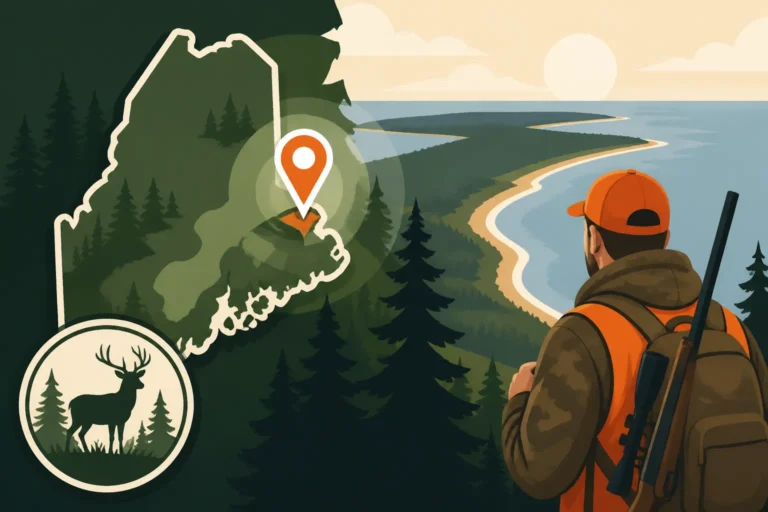
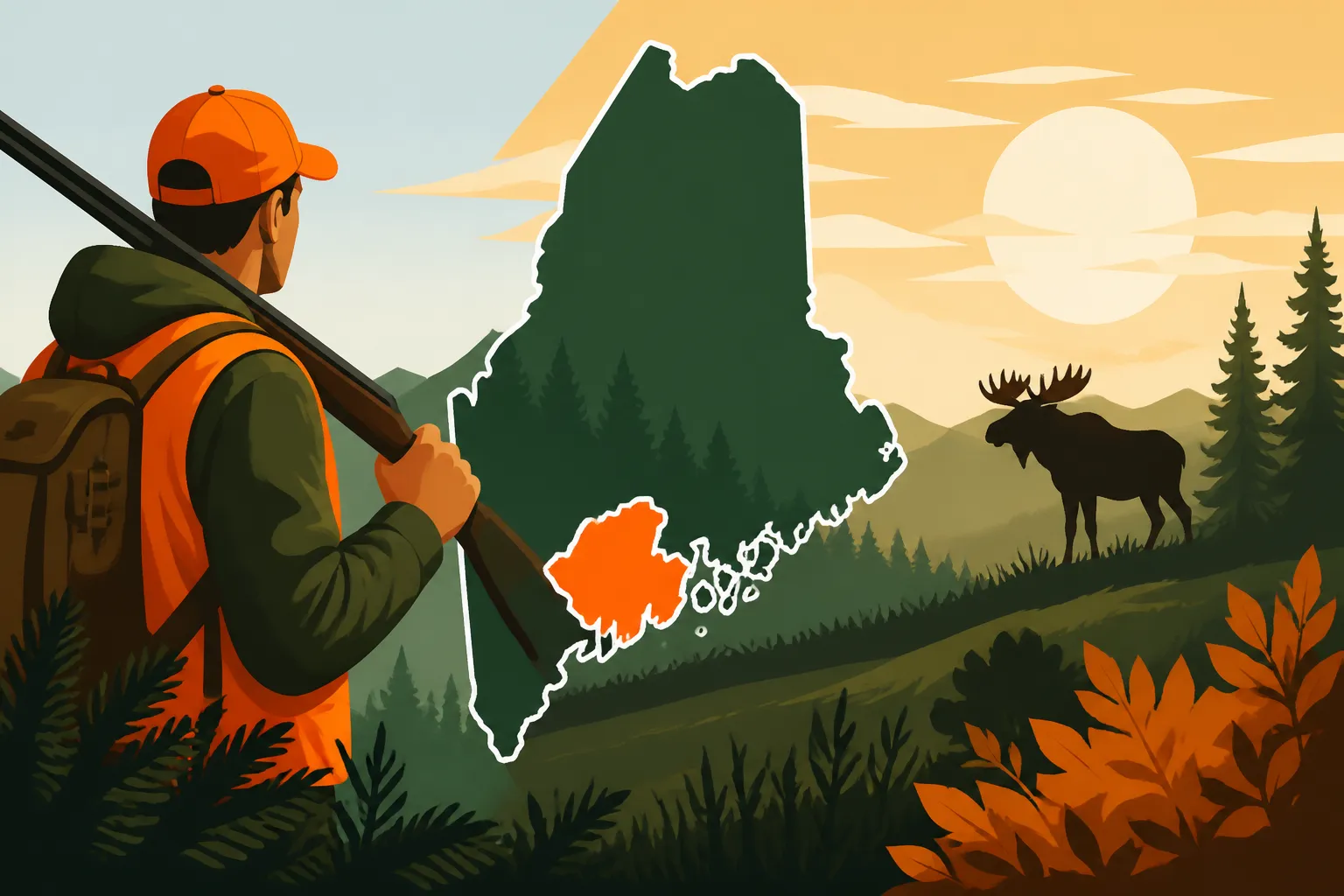
It's a common misconception that if you live in central Maine, particularly around Augusta, you have to drive hours "up north" to find decent public hunting ground. I hear this frustration from new hunters and seasoned veterans alike – the idea that prime spots are always remote, far from the conveniences of town. But the truth is, while it might require a bit more legwork and a different approach than the vast expanses of the North Woods, there are indeed excellent public hunting opportunities right here in the Kennebec Valley, and this guide is going to walk you through exactly how to find and make the most of them.
The Reality of Hunting Near Maine's Capital
Let's be honest, Augusta isn't Eustis. You're not going to step out your back door into a million acres of unbroken timber company land if you live right in the city. The landscape here is a mosaic of smaller woodlots, agricultural fields, suburban fringes, and waterways. This can make finding a consistent hunting spot feel like a treasure hunt, but it also means less competition if you're willing to put in the scouting time. The key is understanding that "public land" takes on different forms in this part of the state, from Wildlife Management Areas (WMAs) specifically purchased and managed for hunting, to Public Reserved Lands, and even some smaller municipal or conservation trust properties that permit hunting.
Why Hunting Near Populated Areas Feels Different
The first thing to acknowledge is the increased human presence. You'll likely encounter hikers, dog walkers, mountain bikers, and other outdoor enthusiasts, especially on weekends. This means you need to be extra vigilant about safety, wearing your blaze orange (which is always a good idea, but essential here), and being respectful of others' enjoyment of the land. It also means deer and other game animals are often more educated, moving differently, and using cover strategically to avoid detection. They're not necessarily "gone," just wiser.
Another factor is the size of the tracts. Instead of sprawling thousands of acres, you might be looking at a few hundred, or even just fifty. This requires a more intimate knowledge of the property lines and a careful approach to access. This is where tools like onX Hunt truly shine, allowing you to quickly identify boundaries, landowner information, and potential access points, saving you hours of guesswork in the field. Don't be afraid to hunt smaller parcels; deer often feel safe in these "pockets" if they're close to food and water.
The Power of Digital Scouting and Local Knowledge
Modern hunting in areas like central Maine really leans on digital tools. Gone are the days of relying solely on paper topo maps, though they still have their place. Applications like onX Hunt or GoHunt provide satellite imagery, topo maps, and crucially, property lines and land ownership information right on your phone. This is invaluable for identifying small public parcels nestled amongst private land, figuring out access routes, and avoiding accidental trespass. You can mark potential stand locations, bedding areas, and travel corridors from the comfort of your home, then verify them in the field. Scouting With the Maine Hunting App is an excellent resource for learning how to leverage these digital aids.
Beyond the apps, local knowledge is gold. Chatting with game wardens, local biologists, or even folks at the diner can sometimes offer insights that maps alone won't reveal. They might tip you off to a lesser-known parcel or a particular area that holds game during certain times of the season.
Key Public Hunting Grounds Near Augusta
When you're looking for public hunting opportunities within a reasonable drive of Augusta, you'll primarily be focusing on Maine's network of Wildlife Management Areas (WMAs) and Public Reserved Lands. These are managed by the Maine Department of Inland Fisheries and Wildlife (MDIFW) or the Bureau of Parks and Lands (BPL), respectively, and most permit hunting with proper licensing.
Kennebec River Wildlife Management Area
Located just south of Augusta, primarily in the towns of Dresden and Pittston, the Kennebec River WMA is a fantastic example of a diverse habitat offering various hunting opportunities. It encompasses over 6,000 acres, including extensive tidal marshes, uplands, and forested areas along the Kennebec River.
This WMA is well-known for waterfowl hunting in its marshy sections, but don't overlook it for deer, particularly later in the season. The mix of cover, from dense alder thickets to mature hardwoods, provides excellent bedding and feeding areas for White-Tailed Deer Across Maine. Access can be found off various local roads, and some areas have boat launches for river access, which can be advantageous for reaching less-pressured spots. Remember to check specific WMA rules for any restrictions on vehicle use or blind placement.
Frye Mountain Wildlife Management Area
A bit further west, but still within a very reasonable drive of Augusta, you'll find Frye Mountain WMA in the towns of Montville and Knox. This expansive area covers over 5,000 acres and offers a completely different hunting experience than the riverine habitat of the Kennebec River WMA. Frye Mountain is characterized by rolling hills, mixed hardwood and softwood forests, old fields, and active timber management, creating diverse wildlife habitat.
This WMA is a prime spot for deer hunters, especially during Maine's Four-Week Firearms Deer Season. The diverse cover, mast crops (like acorns from the oaks), and thick regrowth from logging operations provide everything a whitetail needs. It's also an excellent area for Upland Bird and Small Game Hunting in Maine, with grouse and woodcock favoring the alder runs and young forest. You might even find snowshoe hare in the thicker conifer stands. Access is generally good, with a network of internal roads and trails, but expect to walk to get away from the immediate road frontage.
Other Notable Public Reserved Lands and Small Tracts
Beyond the major WMAs, central Maine boasts several Public Reserved Land parcels that, while often smaller, can hold surprising numbers of game. These lands are managed for multiple uses, including recreation, timber harvest, and wildlife habitat. Finding these smaller parcels is where digital mapping tools like onX Hunt become indispensable. You can overlay property boundaries onto satellite imagery to pinpoint secluded woodlots or sections of larger blocks that might otherwise go unnoticed.
For example, areas around Unity or Palermo might have smaller BPL parcels that connect to private timberland or farm fields, creating natural travel corridors for deer. Always cross-reference your digital maps with physical reconnaissance to confirm access points and terrain features. Don't dismiss a 50-acre parcel; if it's positioned right between a cornfield and a thick swamp, it could be a deer highway. Remember to always consult the MDIFW or BPL websites for the most current regulations and specific land-use rules for any public property you plan to hunt.
| Public Hunting Area | Distance from Augusta (approx.) | Primary Species | Key Features | Access Notes |
|---|---|---|---|---|
| Kennebec River WMA | 15-20 miles South | Deer, Waterfowl | Tidal marsh, uplands, riverfront | Roadside parking, boat launches |
| Frye Mountain WMA | 25-30 miles West | Deer, Grouse, Woodcock, Hare | Mixed forest, old fields, active cuts | Internal road network, hiking trails |
| Various Public Reserved Lands | Varies (10-40 miles) | Deer, Small Game | Smaller woodlots, diverse cover | Often limited parking, walk-in access |
Strategies for Success on Augusta-Area Public Land
Hunting near populated areas requires a slightly different mindset and strategy than heading deep into the wilderness. You're dealing with smaller tracts, more human activity, and often smarter animals. But these challenges also create unique opportunities for dedicated hunters.
Thorough Scouting and Digital Mapping
Effective scouting is paramount. Before you even set foot in the woods, spend time on your computer or phone using mapping software. Look for transitions in habitat—where a thick spruce stand meets an old field, or where a hardwood ridge drops into a cedar swamp. These "edges" are prime locations for deer travel and bedding. Reading Aerial Photos for North Woods Deer offers great tips that are equally applicable to smaller, more fragmented landscapes. Identify potential pinch points, funnels between woodlots, and subtle terrain features that might concentrate deer movement. Tools like GoHunt can help you visualize elevation changes and understand how deer might use contours to their advantage.
Once you have a few promising spots identified on your map, plan a scouting trip (or several!) on foot. Look for fresh tracks, rub lines, scrape activity, and droppings. Identify natural travel corridors, water sources, and potential bedding areas. Pay attention to how the wind will behave in different spots, as thermals can be tricky in rolling terrain. You're essentially building a mental map, confirming what your digital map shows, and adding the invaluable details only found on the ground.
Understanding Hunting Pressure and Timing
Public land, by its nature, attracts hunters. This is particularly true near population centers. Expect to see other hunters, especially on opening day, weekends, and during the peak of Hunting the Rut in Early November. To counter this, consider hunting mid-week if your schedule allows. The woods can be surprisingly quiet on a Tuesday morning.
Another effective strategy is to "hunt smarter, not harder." While many hunters will stick close to roads or well-worn trails, deer will quickly learn to avoid these areas. Be willing to walk further, deeper into the property, or approach from an unexpected direction. Often, just a few hundred yards from a parking area can feel like a different world, holding deer that have been bumped by less ambitious hunters. This ties into Hunting Pressure Near a Maine Town – the animals quickly adapt to human presence. Consider using a ground blind that's brushed in carefully, rather than a tree stand, especially on smaller parcels where your silhouette might be more obvious.
Respecting Boundaries and Landowner Relations
Hunting on public land near Augusta means you're often hunting adjacent to private property. It is absolutely critical to know your boundaries. This is where onX Hunt's property line feature is non-negotiable. Always know where you are and where the property lines lie. Trespassing, even accidentally, can jeopardize public access for everyone.
While this article focuses on public land, don't underestimate the power of good landowner relations for accessing private parcels. Sometimes, a smaller public tract might be surrounded by private land, and securing permission from a landowner could open up crucial access or provide a new hunting opportunity. Asking a Maine Landowner for Permission offers excellent advice on how to approach landowners respectfully and ethically. Even on "posted-free" land (Maine's implied permission tradition), being a good neighbor goes a long way.
Species to Target and Seasons to Consider
The public lands around Augusta offer a variety of hunting opportunities, each with its own rhythm and appeal.
Deer Hunting Opportunities
White-tailed deer are, without a doubt, the most sought-after game animal on these public lands. While you might not consistently see the massive bucks found in some remote North Woods tracts, central Maine's deer herd is healthy, and mature deer are certainly present. The mix of agricultural land and varied forest cover provides excellent habitat. Focus your deer hunting efforts around food sources like old apple orchards, abandoned farms, or areas with oak trees for acorns. During the firearms season, especially in November, these areas can be very productive.
Consider hunting during the archery season (which often extends later in expanded archery zones) for a quieter experience with less pressure. Bowhunting Maine's Long Archery Season can be a fantastic way to pursue deer in these closer-to-town environments. If you're lucky enough to draw an antlerless permit, the population density around Augusta can make filling that tag a bit more feasible than in areas with lower deer numbers.
Small Game and Upland Birds
Don't overlook the incredible small game and upland bird hunting available near Augusta. The same diverse habitats that hold deer also provide excellent cover for grouse and woodcock. Look for alder runs along stream beds, young clear-cuts, and the edges of old fields for grouse. Woodcock will be found in similar moist, young forest habitats, especially during their fall migration. Grouse Hunting Maine Alder Runs and Woodcock Hunting Maine Covert Country offer detailed strategies that apply perfectly to these central Maine public lands.
Snowshoe hare can also be found in dense conifer thickets. Hunting them after a fresh snowfall can be incredibly exciting, especially with a good beagle. These species provide excellent hunting opportunities outside of deer season, or as a bonus during.
Fall Turkey Prospects
Maine's wild turkey population has exploded over the past few decades, and Augusta-area public lands are no exception. Many of the WMAs and Public Reserved Lands will hold healthy turkey populations. Hunting Maine's Generous Fall Turkey Season offers a unique challenge, often requiring different tactics than spring hunting. Look for flocks in open fields near wood edges, where they feed on insects and waste grain, and then retreat to roost in mature trees. Later in the fall, they'll often be found in oak stands feeding on acorns. Remember to check the specific WMD regulations, as bag limits for fall turkeys can vary.
No matter what you choose to pursue near Augusta, remember that success often comes down to dedication, thorough scouting, and a respectful approach to sharing these precious public resources. Good luck out there!
Disclaimer
This article is for general informational purposes only and does not constitute professional advice. Laws, prices and regulations vary by location and change over time. Consult a qualified professional for guidance on your specific situation.