Rattling and Grunting Maine Bucks
There's nothing quite as frustrating as sitting patiently in your Maine deer stand, watching the woods, and seeing absolutely nothing move. You know the bucks are there – you've seen the sign, checked your trail cameras, maybe even picked up a shed from a giant last spring. But getting them to step out into shooting light, especially a mature, wary Maine buck, feels like a monumental task. This comprehensive guide will delve deep into the art and science of rattling and grunting, equipping you with the knowledge to actively bring those elusive whitetails into your world, turning passive waiting into an engaging, dynamic hunt.
Understanding Maine Deer Communication
Before you start clashing antlers or blowing on a grunt tube, it’s crucial to understand the language you're trying to speak. Deer, like any social animal, communicate through a complex mix of vocalizations, body language, and scent. When we talk about rattling and grunting, we're primarily mimicking the sounds of other deer to elicit a response. Knowing when and why a buck might respond is just as important as knowing how to make the sounds. Maine bucks, especially those big, elusive ones that have seen a few seasons, aren't easily fooled, so precision and understanding are key.
The Language of Whitetails: What Calls Mean
Deer communication is incredibly varied, but for hunters, we focus on a few key types of vocalizations. Grunts are probably the most common. A buck grunt is a low, guttural sound that can express anything from curiosity to aggression. A short, soft grunt might be a buck communicating his presence to a doe, or a more assertive, drawn-out grunt could be him challenging another buck. Then there are snort-wheezes, which are highly aggressive challenge calls, often preceding a fight. Doe bleats, especially estrus bleats, are designed to attract bucks, signaling a receptive female. Fawn bleats, on the other hand, can sometimes attract a curious doe, and occasionally a buck, who might be checking on the commotion. Understanding these nuances helps you decide which call to use and when. It's not just about making noise; it's about speaking the right dialect at the right time.
Peak Rut Windows for Aggressive Calling
The effectiveness of rattling and grunting is heavily influenced by the whitetail rut. In Maine, the rut can feel like a fleeting, unpredictable window, but generally, the period from late October through mid-November is prime time. This is when bucks are actively seeking does, often covering significant ground, and their testosterone levels are at their highest. They are more likely to respond aggressively to sounds of a fight or the call of a receptive doe because their primary focus is breeding. During the pre-rut, bucks are sparring and establishing dominance, making rattling more effective as they are still sizing each other up. As the rut peaks and bucks are actively chasing, aggressive grunting or estrus bleats can be incredibly potent. Beyond the primary rut, in the late season, a secondary rut can occur, often driven by does that weren't bred during the first cycle, offering another opportunity for calling. You can learn more about how to capitalize on this intense period by checking out our guide on Hunting the Rut in Early November.
Seasonal Variations in Deer Behavior
Deer behavior isn't static; it changes dramatically throughout the hunting season, and your calling strategy needs to adapt. In the early archery season, before the rut kicks in, bucks are often still in bachelor groups, focused on food. Aggressive rattling might alert them, but it's less likely to draw them in unless they're curious yearlings. A soft contact grunt or a fawn bleat might be more effective in these periods, appealing to their inherent social nature without being overly confrontational. As late October rolls around and the scrapes and rubs become more prevalent, indicating the onset of the pre-rut, rattling becomes increasingly viable. Bucks are feeling their oats, testing their dominance. By the time Maine's four-week firearms season is in full swing, especially the first couple of weeks of November, it’s full-on rut. This is when the most aggressive rattling and grunting can pay off big time. Post-rut, bucks are exhausted and less responsive to aggressive calls. Soft grunts or tending grunts might still work, especially if you're trying to call in a buck that's tending a late-cycling doe.
Rattling Strategies for Maine Bucks
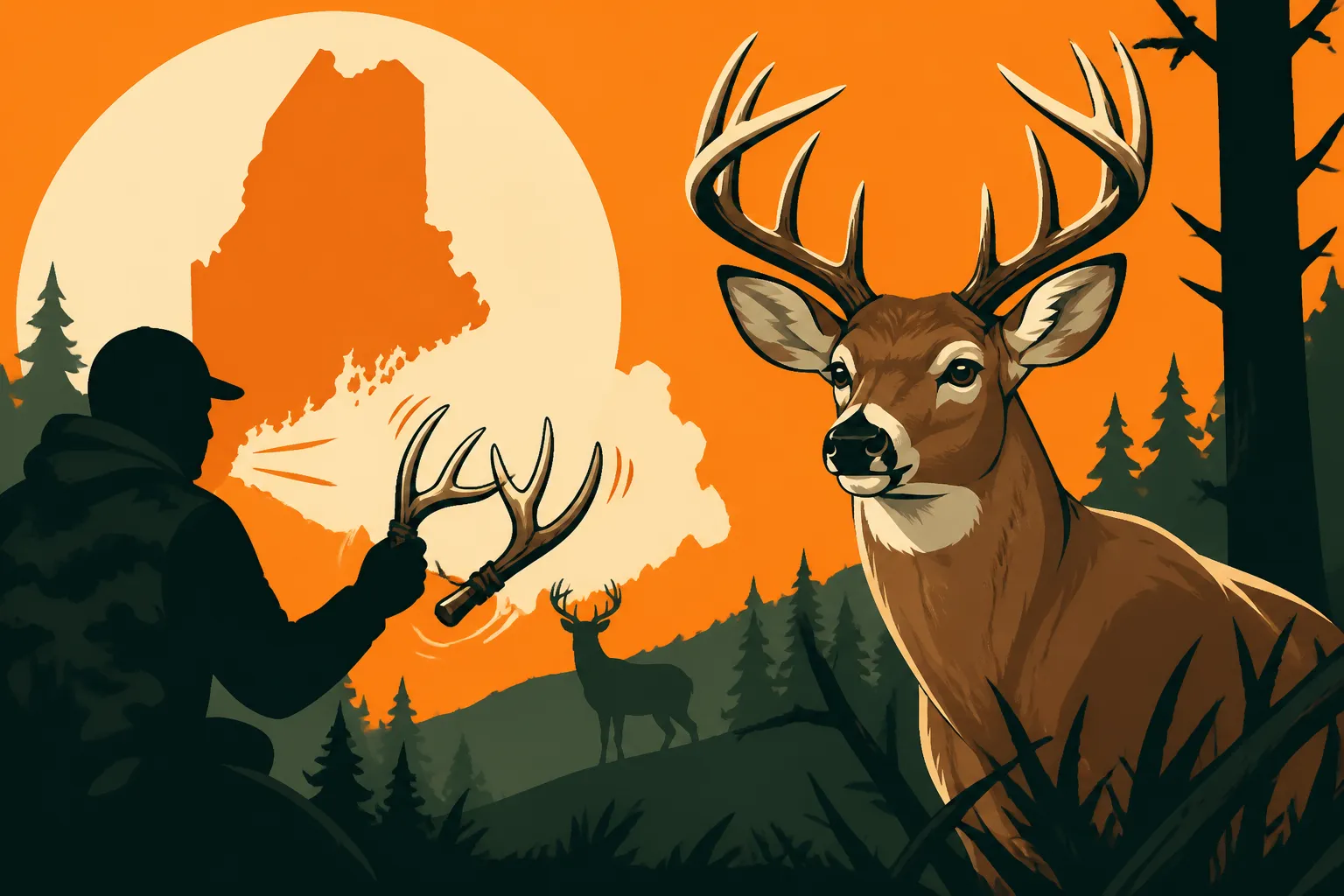
Rattling is the art of imitating two bucks fighting. It taps directly into a buck's primal instinct for dominance and breeding. A good rattling sequence can mimic anything from a light sparring match between young bucks to an all-out brawl between mature contenders. In Maine's diverse landscape, from dense spruce thickets to open hardwood ridges, your rattling approach needs to be dynamic.
Light Rattling in Thick Spruce Cover
Maine's spruce and cedar swamps, often referred to as "deer yards" in winter, offer incredibly dense cover throughout the hunting season. These areas can be frustratingly quiet, but they also hold big, reclusive bucks. In such thick cover, a subtle approach to rattling is often best. Instead of crashing antlers together like a freight train, opt for a softer, shorter sequence. Think of two younger bucks lightly sparring or brushing antlers. Use real antlers if you can; the natural sound resonates better than synthetic calls, especially when you need to be realistic but not overwhelming.
A typical sequence might involve a few soft clacks, followed by a pause, maybe a light grind, and another pause. The goal is to pique a buck's curiosity without making him feel like he's about to walk into an ambush from a much larger, more dominant rival. The sound won't travel as far in thick cover, so you're aiming for bucks that are already relatively close. If you're hunting within these close confines, a gentle rattle might just be the ticket to lure a wary buck into view. For more on navigating these challenging environments, check out Rattling Volume in Thick Spruce Cover. When scouting for such spots, online tools like GoHunt can be invaluable for identifying dense, remote cover that might hold these reclusive giants.
Aggressive Rattling in Open Hardwoods
Contrast the spruce thickets with Maine's vast tracts of mature hardwoods or mixed growth forests. Here, sound carries much further, and you can afford to be more aggressive, especially during the peak rut. An aggressive rattling sequence mimics a full-blown fight, designed to challenge dominant bucks and draw in curious younger ones looking for an opportunity. Don't be shy about crashing those antlers together – really get into it! Simulate pushing, grunting, and raking trees.
A good aggressive sequence usually starts with a loud, attention-grabbing clash, followed by intense, continuous rattling for 30-60 seconds. Then, pause for a minute or two, scanning the woods intensely. Bucks often come in fast and silently after an aggressive sequence. Repeat the sequence every 10-15 minutes for about an hour. If you're still-hunting along a ridge-top saddle during the rut, an aggressive rattle from a strategic vantage point might just call in that mature buck looking for a fight. Sometimes, adding a few aggressive grunts and even a snort-wheeze mid-sequence can make it incredibly realistic. Remember, you're trying to create an auditory spectacle that a testosterone-fueled buck simply can't ignore.
Decoy Use with Rattling
Using a deer decoy in conjunction with rattling can be a game-changer, but it also adds a layer of complexity. A decoy gives the approaching buck a visual to commit to, making the scenario more believable. If you're mimicking a fight, a buck decoy can be very effective. Position your decoy quartering away from your stand, about 20-30 yards out, simulating a buck either leaving or getting ready to engage. This allows an approaching buck to focus on the decoy, giving you time to draw your bow or raise your rifle as he approaches.
The challenge with decoys, especially in Maine, is the added bulk and setup time, and the fact that they can scare off does or younger bucks if not deployed correctly. Wind direction is critical; you want the decoy downwind of where you expect the buck to appear, so he smells the "decoy" (you, actually) after he sees the visual. Always be mindful of other hunters when using decoys, especially during firearms season, as they can sometimes be mistaken for live deer in poor light. When scouting potential stand sites with GoHunt's satellite imagery, consider areas with open lanes of approach where a decoy could be visible from a distance, allowing bucks to see the "fight" before getting too close.
Grunting Strategies for Maine Bucks
While rattling can attract bucks seeking a fight, grunting often appeals to a broader range of emotions – curiosity, territoriality, and the primal urge to breed. A grunt tube is a versatile tool that can mimic several deer vocalizations, from a soft tending grunt to an aggressive buck roar.
The Allure of the Buck Grunt
The buck grunt is arguably the most versatile and frequently used call. It’s the equivalent of a deer saying, "Hey, I'm here." A soft, drawn-out contact grunt can work almost any time of year to pique a deer's curiosity. During the pre-rut and rut, the tending grunt – a series of short, choppy grunts – mimics a buck actively pursuing a doe. This can often draw in other bucks who think there's a receptive doe to be found or a rival to confront.
When you use a grunt, it's important to vary the intensity and duration. A few soft grunts, followed by a pause, can make a distant buck pause and look. If you spot a buck cruising just out of range, a louder, more assertive grunt can stop him or even turn him your way. Remember, the goal is to sound like another deer, not a human blowing into a tube. Practice varying your tone and volume. For more detailed insights, our article on Grunt Calls in Mature Maine Hardwoods offers specific advice for different timber types.
Fawn Bleats and Doe Estrus Calls
Beyond the buck grunt, fawn bleats and doe estrus calls are powerful tools, especially during certain phases of the season. A fawn bleat, often high-pitched and plaintive, can attract curious does who might come to investigate, and occasionally, a buck might follow. This call can be particularly effective in early season when does are still protective of their young. It taps into the maternal instinct of does, and any buck in the vicinity might follow to see what the commotion is about.
Doe estrus bleats are an entirely different beast. These are the sounds of a doe in heat, signaling to all the bucks within earshot that she is ready to breed. These calls are most effective during the peak rut, when bucks are actively seeking out does. A long, drawn-out estrus bleat followed by a few tending grunts from a buck can create a highly realistic breeding scenario. The key with estrus calls is timing; use them too early, and they'll likely be ignored. Use them at the right time, and you might just have a lovesick buck charging into your setup.
Timing Your Grunts for Success
Timing is everything when it comes to grunting. Just like with rattling, you don't want to overdo it, nor do you want to be too conservative. If you're still-hunting through the woods and spot a buck far off, a few soft contact grunts might be enough to get him to pause or turn. If he's already moving away, a louder, more urgent grunt might stop him for a shot opportunity.
During periods of high deer activity, like the rut, you can be more aggressive. Grunt every 5-10 minutes, varying between tending grunts, contact grunts, and even throwing in a snort-wheeze if you're feeling bold and confident there's a dominant buck nearby. If you see a buck but he's not reacting, try changing your call type or intensity. Sometimes, a different sound is all it takes to break through their wariness. Pay close attention to wind direction when grunting, as Maine bucks will circle downwind to scent-check the source of the sound. Remember, you're inviting them in, and they're going to use all their senses to figure out who or what made that sound.
Combining Rattling and Grunting for Maximum Impact
While rattling and grunting are effective on their own, combining them creates a much more realistic and compelling scenario. It’s like putting together all the pieces of a deer communication puzzle to paint a complete picture of what's happening in the woods. This is where you can truly simulate a dynamic interaction between bucks or a buck pursuing a hot doe, often drawing in the most wary whitetails.
Simulating a Fight Sequence
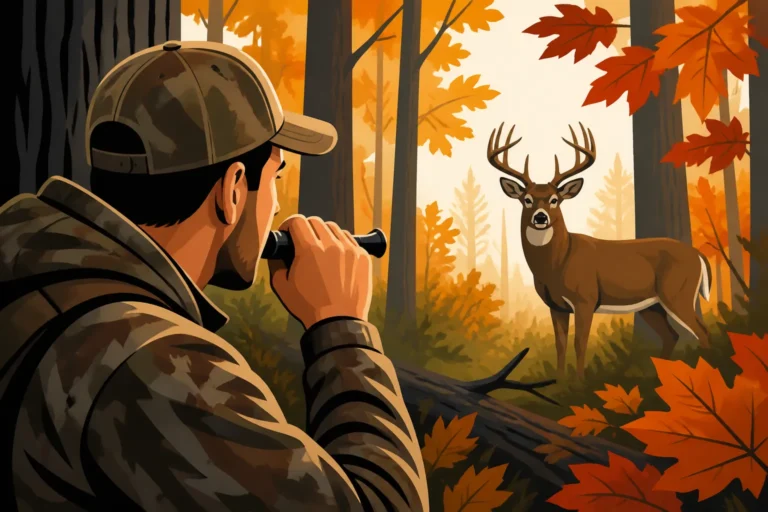
One of the most potent combinations is simulating an all-out buck fight. Start with an aggressive rattling sequence – crash those antlers, grind them, and make a lot of noise. About 15-20 seconds into the rattling, add a few aggressive buck grunts and maybe even a snort-wheeze. This makes it sound like two bucks are actively fighting and vocalizing. Continue this for 30-60 seconds, then immediately stop all sounds. This abrupt silence often makes an approaching buck think the fight has moved or just ended, and he'll come in to investigate.
After a few minutes of silence, you might follow up with a few soft grunts, as if one of the combatants is still in the area. This sequence is designed to trigger a dominant buck’s territorial instincts. He might come in hot, looking for a fight, or he might cautiously circle downwind, trying to assess the situation. Be ready for a quick shot, as bucks responding to a fight can appear suddenly and intensely. It's crucial to have your bow or rifle ready before you start the sequence.
The "Come Hither" Combo
Another highly effective combination, especially during the peak rut, is the "come hither" or breeding sequence. This involves mimicking a buck actively tending a hot doe. Start with a series of doe estrus bleats – usually 2-3 long, drawn-out bleats. Immediately follow this with 3-5 soft, rhythmic tending grunts. This paints a picture of a receptive doe and a buck actively pursuing her.
This sequence works because it directly appeals to a buck's most powerful drive: procreation. Other bucks, hearing this, will often come to investigate, hoping to cut in on the action. You can repeat this sequence every 10-15 minutes. It’s less confrontational than a fight sequence, but incredibly enticing. If a buck is hesitant, sometimes adding a very light, short rattling sequence after the grunts can mimic the sound of a buck raking a tree in frustration or excitement, further pulling them in.
Reading the Response and Adjusting
The most critical part of combining calls is observing and reacting to the deer's response. Are they stopping and looking? Are they trotting in? Are they circling downwind? Or are they blowing and running away? Each reaction tells you something.
- Stopping and Looking: If a buck stops and looks your way but doesn't commit, try another, softer grunt or bleat to draw his curiosity further. Don't be afraid to try a very light rattle to simulate a buck raking a tree near the "doe."
- Trotting In: If a buck is trotting directly towards you, stop calling. Let him come. Any further noise might make him pause or detect your exact location. Be ready for the shot.
- Circling Downwind: This is a classic Maine buck move. If he circles, he’s trying to scent-check the source. Be ready for him to appear from an unexpected direction. If you anticipate this, position yourself to shoot in the direction of his probable downwind approach.
- Running Away/Blowing: If a buck blows and runs, you’ve likely over-called, he winded you, or he detected unnatural movement. It’s a tough lesson, but sometimes silence is the best response. Reflect on what might have spooked him and adjust your approach for the next stand.
A common mistake is thinking deer will respond immediately. Often, a buck will take several minutes, even 15-20, to make his way in. Patience is paramount. Continue to scan the woods, not just in front of you, but to the sides and rear, as curious bucks might try to sneak in undetected.
| Call Type | Primary Purpose | Best Season/Situation | Intensity |
|---|---|---|---|
| Soft Contact Grunt | Announcing presence, curiosity | Early/Mid-Season, Post-Rut, Wary Bucks | Low |
| Tending Grunt | Buck pursuing a doe | Pre-Rut, Peak Rut | Medium |
| Aggressive Grunt | Challenging rival buck | Peak Rut, Fight Simulation | High |
| Snort-Wheeze | Extreme aggression, dominance challenge | Peak Rut, Dominant Bucks | Very High |
| Fawn Bleat | Attracting curious does/bucks | Early Season, Post-Rut | Medium |
| Doe Estrus Bleat | Signaling a receptive doe | Peak Rut | Medium |
| Light Rattling | Sparring, curiosity, short-range attraction | Pre-Rut, Thick Cover, Wary Bucks | Low |
| Aggressive Rattling | Full-blown fight simulation | Peak Rut, Open Hardwoods, Challenging Bucks | High |
Adapting to Maine's Unique Hunting Conditions
Maine's landscape presents a unique set of challenges and opportunities for hunters. From the vast, rugged North Woods to the mixed agricultural and timberlands of the central and southern regions, understanding how to adjust your rattling and grunting techniques to these conditions is crucial for success.
Calling Volume in Thick Spruce Cover
As mentioned earlier, the dense spruce and fir forests, often found in the North Woods, absorb sound readily. When you're tucked into a thick evergreen stand or stalking through a cedar swamp, the effective range of your calls is significantly reduced. This means your strategy needs to be about drawing in bucks that are already relatively close, rather than trying to pull one from a quarter-mile away.
Instead of loud, aggressive calls, focus on realism and subtlety. Use lighter rattling sequences, mimicking sparring rather than all-out brawls. Soft contact grunts are often more effective, as they don't sound out of place in such quiet, confined spaces. The goal is to make a buck within 50-70 yards pause, listen, and eventually ease closer to investigate. Over-calling or overly aggressive calls in this type of cover can actually spook deer, making them feel pressured or indicating an unnatural sound. It's about being a whisper, not a shout, in the hushed cathedral of the evergreens. Our internal resource on Where Maine Bucks Bed in Big Timber often highlights these thickets as prime bedding areas, making subtle calls even more pertinent for coaxing them out.
Wind and Thermals in Maine Hill Country
Maine's rolling hills and mountains, especially in the western and central regions, introduce another critical element: thermals. Thermals are air currents that rise as the ground warms in the morning and fall as it cools in the evening. Understanding and using thermals to your advantage, in conjunction with the prevailing wind, is paramount when calling. A perfectly executed calling sequence is useless if the buck winds you.
In the morning, as the sun rises, thermals will typically lift your scent uphill. Position yourself so any approaching buck has to come in below you, allowing you to use the rising thermal to carry your scent away. In the afternoon and evening, as the air cools, thermals drop downhill. Here, you'll want to be above the area you expect deer to approach from. Always try to be crosswind or upwind of where you anticipate a buck will appear, recognizing that they will almost always try to circle downwind to scent-check the source of the sound. This requires careful stand placement and constant vigilance of wind direction. A good understanding of Wind and Thermals in Maine Hill Country is indispensable for any serious deer hunter in Maine. GoHunt's mapping features often include topographic lines and wind direction overlays, which are incredibly helpful for planning stand locations that account for thermals and wind.
Post-Rut Strategies and Late Season Calling
After the intense activity of the peak rut, Maine bucks are often exhausted, focusing heavily on recovering lost body mass and seeking out late-season food sources. Their testosterone levels drop, making them far less responsive to aggressive rattling and grunting. However, calling can still be effective, but your approach needs to shift dramatically.
During the post-rut, focus on quieter, more subtle calls. Soft contact grunts, tending grunts (if a late-cycling doe is present), and even fawn bleats can work. Sometimes, a very light, short rattling sequence might pique a buck's curiosity if he thinks two smaller bucks are sparring over a food source. The key here is patience and realism. Bucks are less likely to charge in aggressively; they'll often come in slowly, cautiously, trying to conserve energy. Look for them to approach from dense cover or along travel corridors between bedding and feeding areas. If you're hunting in December, after the firearms season has wound down, your chances might be slimmer, but a well-placed subtle call on a cold, quiet morning can sometimes still pull in a curious or lonely buck. Focus your late-season efforts on areas with concentrated food, especially after a poor acorn year.
Common Mistakes and Troubleshooting
We’ve all made mistakes in the woods. The best hunters aren't those who never make mistakes, but those who learn from them. When it comes to rattling and grunting for Maine bucks, there are a few common pitfalls that can turn a promising setup into a frustrating silence. Let's talk about them and how to avoid them.
Over-Calling and Under-Calling
One of the biggest struggles new callers face is finding the right balance between making enough noise to be heard and not making so much that it sounds unnatural or spooks deer.
- Over-Calling: This is probably the more common mistake. Blowing a grunt tube every minute or rattling for five continuous minutes at high volume can be counterproductive. It can sound too aggressive, too desperate, or simply unrealistic. Imagine two bucks fighting non-stop for five minutes straight – it just doesn't happen. An over-called buck often suspects a trap or a rival too dominant to engage with, leading him to skirt the area or simply leave. If you're on a stand, less is often more. Give a good sequence, then remain silent and vigilant for 10-15 minutes, scanning all around you. Let the woods settle.
- Under-Calling: On the flip side, some hunters are too shy with their calls. They might make a single, soft grunt and then wait an hour. In a dense Maine forest, that single grunt might not travel far enough to be heard by any interested bucks. Or, if a buck does hear it, it might not be compelling enough to draw him in. Don't be afraid to be assertive, especially during the rut. The goal is to be heard and create a scenario that is too tempting for a buck to ignore. Vary your intensity and listen for natural cues. If the wind is howling, you might need to call louder. If the woods are dead calm, scale it back.
Ignoring Wind Direction
I can't stress this enough: wind direction is paramount. A buck's nose is his most potent defense mechanism. He can detect human scent from hundreds of yards away, and if he catches a whiff of you, the hunt is over. Period. All the perfect rattling and grunting in the world won't matter if you ignore the wind.
Before you even think about calling, check the wind. Use a wind checker (a small squeeze bottle of powder or thread) constantly. Always try to set up so the prevailing wind carries your scent away from where you expect a buck to approach or where you're calling from. Remember, mature bucks are masters of using the wind to their advantage. If they hear a call, their first instinct is often to circle downwind to get a sniff of the "source." This means you need to be prepared for them to approach from downwind, even if it seems counterintuitive to your initial setup. Plan your shooting lanes accordingly. If the wind shifts unexpectedly, and you can't reposition without spooking deer, it's often better to just sit tight and wait for another opportunity or move to a different stand location entirely. Don't waste a good calling sequence on bad wind.
Patience and Persistence When No Response
It’s easy to get discouraged when you call, and nothing happens. We've all been there. You clash those antlers, grunt your heart out, and the woods remain stubbornly silent. The temptation is to move, or to give up on calling altogether. But patience and persistence are key.
- Patience: Deer rarely come charging in immediately after a call. They often circle, stop, listen, and approach cautiously. A buck might take 5, 10, or even 20 minutes to show up after your initial sequence. Give your calls time to work. Don't pack up after 15 minutes because you haven't seen anything. A good calling stand often requires an hour or more of dedicated calling and watching.
- Persistence: If one type of call isn't working, try another. If light rattling isn't getting a response, try an aggressive sequence. If grunts aren't cutting it, try an estrus bleat. Don't be afraid to vary your pitch, volume, and rhythm. Some days, deer are simply not responsive to calls, but on other days, the right call at the right time can make all the difference. Keep experimenting and learning. The more time you spend in the woods, the more you'll learn about how Maine bucks react in different scenarios and conditions. Use tools like the Maine Hunting App for scouting and understanding local deer patterns, but trust your gut and adapt your calling to what the woods are telling you in the moment.
Disclaimer
Hunting is an inherently dangerous activity. Always prioritize safety, follow all local and state regulations, and be aware of your surroundings. The information provided in this guide is for informational purposes only and should not replace proper hunter education or professional guidance. Always verify current hunting seasons, bag limits, and licensing requirements with the Maine Department of Inland Fisheries and Wildlife.