Scrape Lines Along a Logging Road
There’s nothing quite as exciting as stumbling upon a fresh, active scrape line when you’re out scouting or hunting, especially when it’s strung out along a quiet logging road in the Maine woods. It’s a clear sign that a buck, possibly a mature one, is actively in the area and looking for does or asserting dominance. This guide will walk you through exactly what scrape lines are, why logging roads are hotbeds for them, and the best strategies to successfully hunt them in Maine.
Understanding Scrape Lines and Their Significance
Scrapes are one of the most visible and scent-heavy forms of communication in the whitetail world, acting like a buck's personal billboard. When you find one, you're looking at a message board for all local deer, and understanding that message is key to hunting success.
What is a Scrape and Why Do Bucks Make Them?
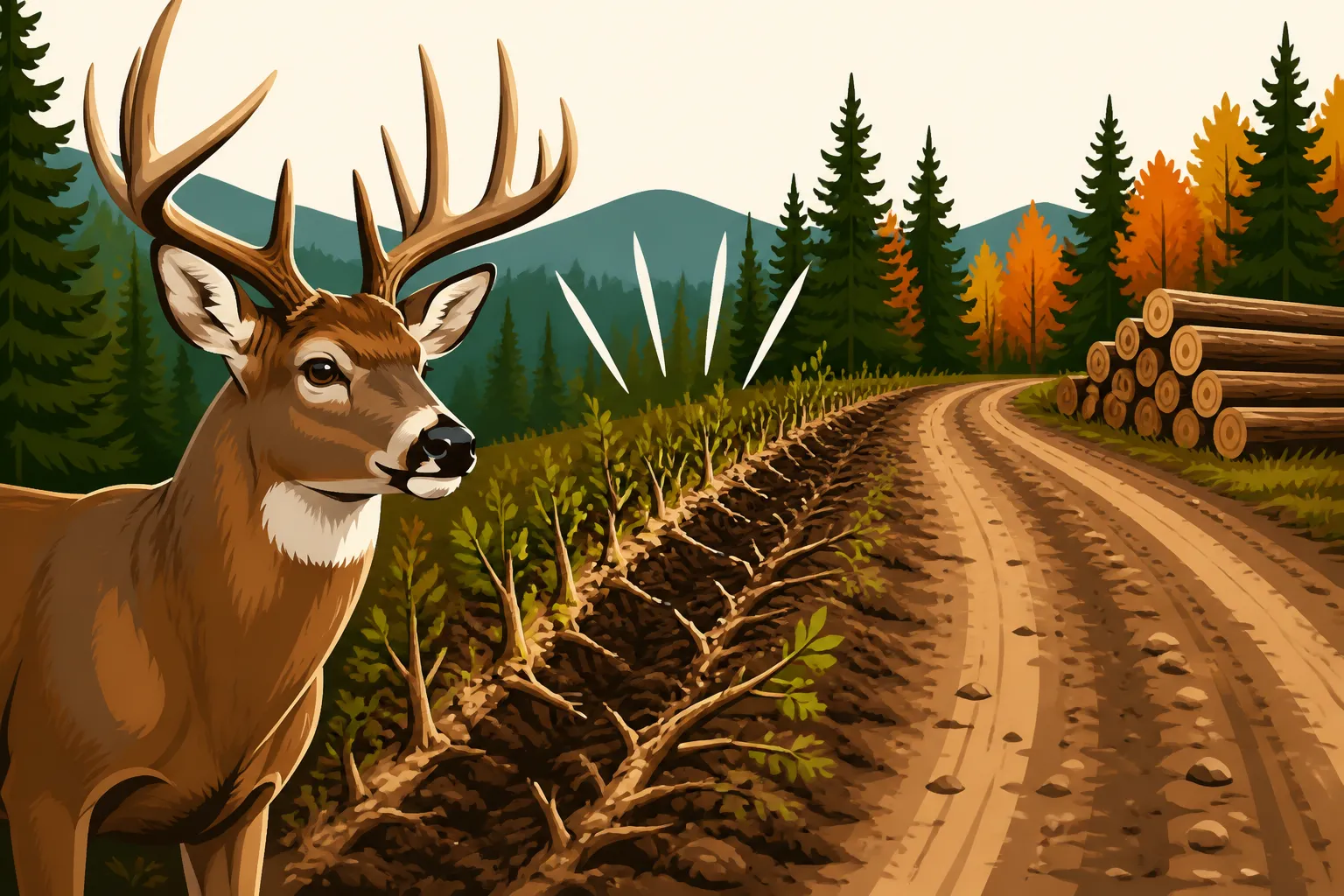
At its core, a scrape is a patch of bare earth, typically 1 to 3 feet in diameter, pawed clean of leaves and debris by a buck's front hooves. But it's so much more than just a cleared patch of ground. Above every active scrape, you'll almost always find a low-hanging branch, often called a "licking branch" or "saliva branch," that the buck mouths, chews, and rubs with his preorbital glands. He'll also urinate down his tarsal glands into the pawed earth, leaving a potent cocktail of scent that communicates his presence, status, and readiness to breed.
Bucks create scrapes primarily for communication. Think of it as their social media platform. Through the licking branch, they deposit scent from their forehead and preorbital glands, while the urine in the pawed earth carries pheromones from their tarsal glands. This complex blend of scents tells other deer who made the scrape, when they were there, and potentially their breeding status. It's a way for bucks to mark their territory, challenge rivals, and most importantly, attract does. During the pre-rut and peak rut in Maine, these scrapes become critical hubs of activity, checked frequently by the buck that made them and visited by other bucks and does alike. You'll often find a buck returning to check a scrape, sniffing the licking branch, freshening the pawed earth, and leaving his latest update.
Why Logging Roads are Prime Scrape Locations
Logging roads, whether active or overgrown, are absolute magnets for scrape lines in Maine. These aren't just convenient travel routes for deer; they are natural funnels, edges, and corridors that bucks instinctively use. A logging road cuts through dense timber, creating a clear edge where deer feel comfortable moving. This edge often provides just enough openness for bucks to create visual scrapes that are easily seen by other deer, yet still close enough to cover for security.
Beyond simple travel, these roads often feature the perfect overhead licking branches that are essential for scrape creation. The branches might hang low over the road's edge from mature hardwoods or be part of the regenerating softwood growth. Bucks will often establish what are known as "primary scrapes" along these roads, especially at intersections, bends, or where the road runs along a distinct change in habitat, like a transition from a softwood thicket to a hardwood ridge. These locations act as natural bottlenecks, drawing deer movement into predictable patterns, much like Hunting a Funnel Between Two Woodlots. Deer, especially mature bucks, are creatures of efficiency and security, and logging roads provide both in a big way.
Identifying Active Scrape Lines on Maine Logging Roads
Spotting a scrape is one thing, but knowing if it's truly active and worth hunting takes a keen eye and some careful assessment. An old, dormant scrape is just a hole in the ground; a fresh one is a hot ticket to a buck encounter.
Visual Cues of an Active Scrape
When you're walking a logging road, keep your eyes peeled for those tell-tale signs. A truly active scrape will have freshly pawed earth, meaning the dirt within the scrape looks darker and looser than the surrounding soil, almost as if someone just raked it. You might even see distinct hoof prints where the buck dug at the ground. Beyond the disturbed earth, give the scrape a good sniff – a strong, musky odor, often likened to ammonia, indicates fresh urine and tarsal gland scent. This smell can be very subtle, so get low and really inhale.
The licking branch above the scrape is another critical indicator. Look for signs of recent chewing, broken twigs, or even slobber on the underside of the branch. If the branch looks chewed, frayed, or has fresh sap seeping from it, you know a buck has been working it over recently. Furthermore, active rub lines in the immediate vicinity are a huge bonus. Bucks often make rubs as they move through an area, marking trees with their antlers to assert dominance and further spread their scent. If you find a fresh scrape with a fresh rub nearby, you've hit a jackpot location. When scouting these areas, utilizing a robust mapping application can be incredibly helpful. You can often mark these scrape locations and even note the freshness, helping you build a comprehensive picture of deer activity, much like the tools found in the comprehensive GoHunt platform.
Timing and Location for Peak Scrape Activity
Timing is everything when it comes to hunting scrapes. While bucks might make "mock scrapes" or even maintain some year-round, the real peak activity occurs during the pre-rut and peak rut phases, generally from late October through mid-November here in Maine. This aligns perfectly with When the Maine Rut Peaks, a period when bucks are most actively seeking does and are driven to communicate their presence. Before the rut fully kicks in, bucks are establishing their dominance hierarchy and laying down these communication hubs. As the rut progresses, does will also visit these scrapes, leaving their own scent as a signal to the bucks.
As for specific locations on logging roads, look for where roads intersect or fork, creating natural crossroads for deer movement. Also, focus on pinch points or bottlenecks, where dense cover forces deer into a narrow travel path. Anywhere a logging road runs along a transition line – say, a thick cedar swamp on one side and a mature oak stand on the other – is a prime candidate. Bucks love edges, and a logging road creates an artificial edge that deer utilize heavily. Pay close attention to areas where the road itself offers a suitable licking branch overhead. A small sapling or low-hanging branch that stretches out over the road is exactly what a buck is looking for when establishing a scrape.
Strategies for Hunting Scrape Lines Effectively
Once you've found an active scrape line, your work isn't over. Now, it's about setting up smart and employing tactics that draw that buck in for a shot opportunity.
Stand Placement and Wind Considerations
This cannot be stressed enough: wind direction is paramount when hunting a scrape line. A buck will almost always approach a scrape from downwind to scent-check for does or rival bucks. If your scent is blowing directly into the scrape or the buck's likely approach, your hunt is over before it begins. Always position your stand downwind or crosswind of the scrape. This means you need to know the prevailing wind for that day and set up accordingly. If the wind isn't right for your chosen scrape, it's better to hunt a different spot or wait for another day.
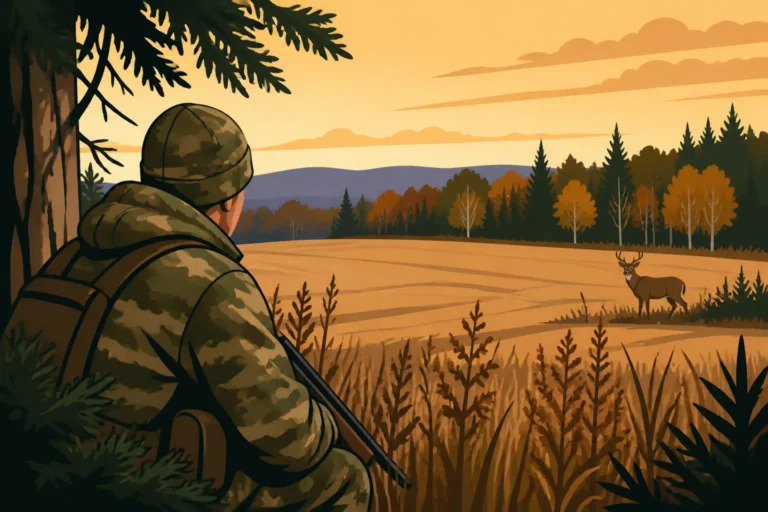
When it comes to the physical setup, choose a tree that offers good concealment and an elevated position overlooking the scrape. Ideally, you want to be able to see the scrape itself, but more importantly, the likely approach routes leading to it. Often, setting up 20-30 yards downwind of the scrape itself is a good starting point. Consider the terrain – is there a small rise or a dip in the logging road that a buck might use for cover? Use these features to your advantage. For more open logging roads, a ground blind can be a viable option, especially if you can brush it in effectively, much like the advice in Using a Ground Blind on Posted-Free Land. The goal is to be invisible, unheard, and unscented.
Calling, Decoys, and Scent Tactics
Once you're set up, you can actively try to entice a buck to the scrape. Using calls like grunts and rattling can be incredibly effective during the rut. A few subtle grunts might pique a buck's curiosity, making him believe another deer is in the area. More aggressive rattling sequences can sometimes challenge a dominant buck, especially if he thinks another buck is encroaching on his territory or interacting with a hot doe near "his" scrape. However, too much volume can also scare wary Maine bucks, so consider the cover around you – Rattling Volume in Thick Spruce Cover can give you an idea of how to adjust your calls. Similarly, understanding the nuances of Grunt Calls in Mature Maine Hardwoods can make all the difference.
Decoys can also be highly effective when combined with an active scrape. A buck decoy placed near the scrape, especially if you pair it with some grunting, can draw a dominant buck in, ready to challenge. A doe decoy can also work, suggesting a receptive female in the area. Make sure your decoy is visible but not easily spotted as fake – placing it quartering away from the scrape, facing your position, can present a good shot opportunity when the buck approaches. When it comes to scents, using a quality doe estrus or buck urine near the scrape can help "freshen" it up and intensify the illusion. Some hunters even put a few drops on the licking branch. However, be cautious not to overdo it or contaminate the area with your own scent. Many hunters use sophisticated scent dispersal systems available through hunting retailers, and platforms like GoHunt can often point you to relevant gear discussions and reviews.
Patience, Observation, and Trail Camera Use
Hunting scrapes isn't always an instant gratification game. Bucks might visit them at irregular intervals, and sometimes only under the cover of darkness. This is where patience becomes your greatest virtue. Sit still, stay quiet, and observe everything happening around you. Pay attention to how deer approach the scrape, which direction they come from, and where they tend to disappear to. This observation will help you fine-tune your setup for future hunts.
Trail cameras are an invaluable tool for hunting scrape lines. They allow you to gather intel without introducing human scent into the area. By placing a camera strategically, you can determine exactly when bucks are visiting the scrape, if it's primarily at night or during daylight hours, and even identify specific bucks. This information is gold. You'll know if the scrape is truly worth hunting during legal hours, or if it's mainly a nocturnal hotspot. When positioning your cameras, consider Where to Hang a Camera on a Logging Road to ensure you capture the activity without spooking deer.
Here's a quick look at why trail cameras are a game-changer:
| Aspect | Pros of Trail Camera Use | Cons of Trail Camera Use |
|---|---|---|
| Intelligence | Provides objective data on deer activity times and patterns. | Requires regular checking, which introduces human scent. |
| Targeting | Identifies specific bucks using the scrape. | Batteries die; cards fill up; potential for theft. |
| Efficiency | Helps determine best hunting times, avoids wasted sits. | Initial cost can be significant; data analysis takes time. |
| Learning | Offers insights into deer behavior without disturbance. | Camera location can be tricky to avoid spooking game. |
Common Mistakes and Advanced Tips for Maine Hunters
Even with the best intentions, it's easy to make missteps when hunting scrape lines. Learning from common errors and incorporating advanced strategies will significantly boost your success rates.
Avoiding Common Scrape Hunting Pitfalls
One of the biggest mistakes hunters make is over-hunting a scrape. If you visit a scrape too often, especially if you're leaving a lot of human scent, bucks will quickly become wary and avoid it during daylight hours. Treat each visit like a sacred act, minimizing your presence. Another critical error is ignoring wind direction. This can't be said enough. If you hunt a scrape with the wrong wind, you're not hunting; you're educating the deer. Always, always check the wind.
Furthermore, expecting instant results can lead to frustration and poor decision-making. Scrape lines are communication hubs, not necessarily feeding areas. Bucks might only check them for a few minutes before moving on. Patience is key. Finally, understanding the difference between a "community scrape" and a buck's primary scrape is vital. Community scrapes are often large, heavily worked scrapes used by many deer. While interesting, a buck might not commit to them as much as his own, smaller, more secluded primary scrapes that he checks regularly. Focusing on the latter, especially if trail camera intel confirms daylight visits, will generally yield better results.
Integrating Scrape Line Hunting into Your Overall Strategy
Hunting scrape lines should be part of a broader, more integrated hunting strategy. Think of the scrape as one piece of a much larger puzzle. Where is the buck bedding? What are his primary food sources? How does he travel between these areas? If a scrape is near a known Reading a North Woods Deer Yard or a crucial source of Late-Season Food Sources for Maine Whitetails, you've found a truly high-percentage spot. Your success increases exponentially when you understand the whole picture of a buck's daily movements.
Adapting to changing conditions is also paramount. A cold front moving through Maine might trigger increased rutting activity and therefore more scrape visits. Heavy hunting pressure during Maine's Four-Week Firearms Deer Season can also shift buck movement patterns, making them more nocturnal or pushing them into thicker cover. Use your mapping tools, like the detailed features offered by GoHunt, to analyze these patterns over time, marking scrape locations, rub lines, and deer sightings. This allows you to develop a historical database of deer movement and predict future activity, giving you an undeniable edge in the field. Always be ready to adjust your plan based on what the deer are telling you.
Disclaimer
Hunting is an inherently dangerous activity. Always prioritize safety, adhere to all Maine Department of Inland Fisheries and Wildlife regulations, and complete required hunter education courses. This guide is for informational purposes only and does not replace professional instruction or local regulations.