Grunt Calls in Mature Maine Hardwoods
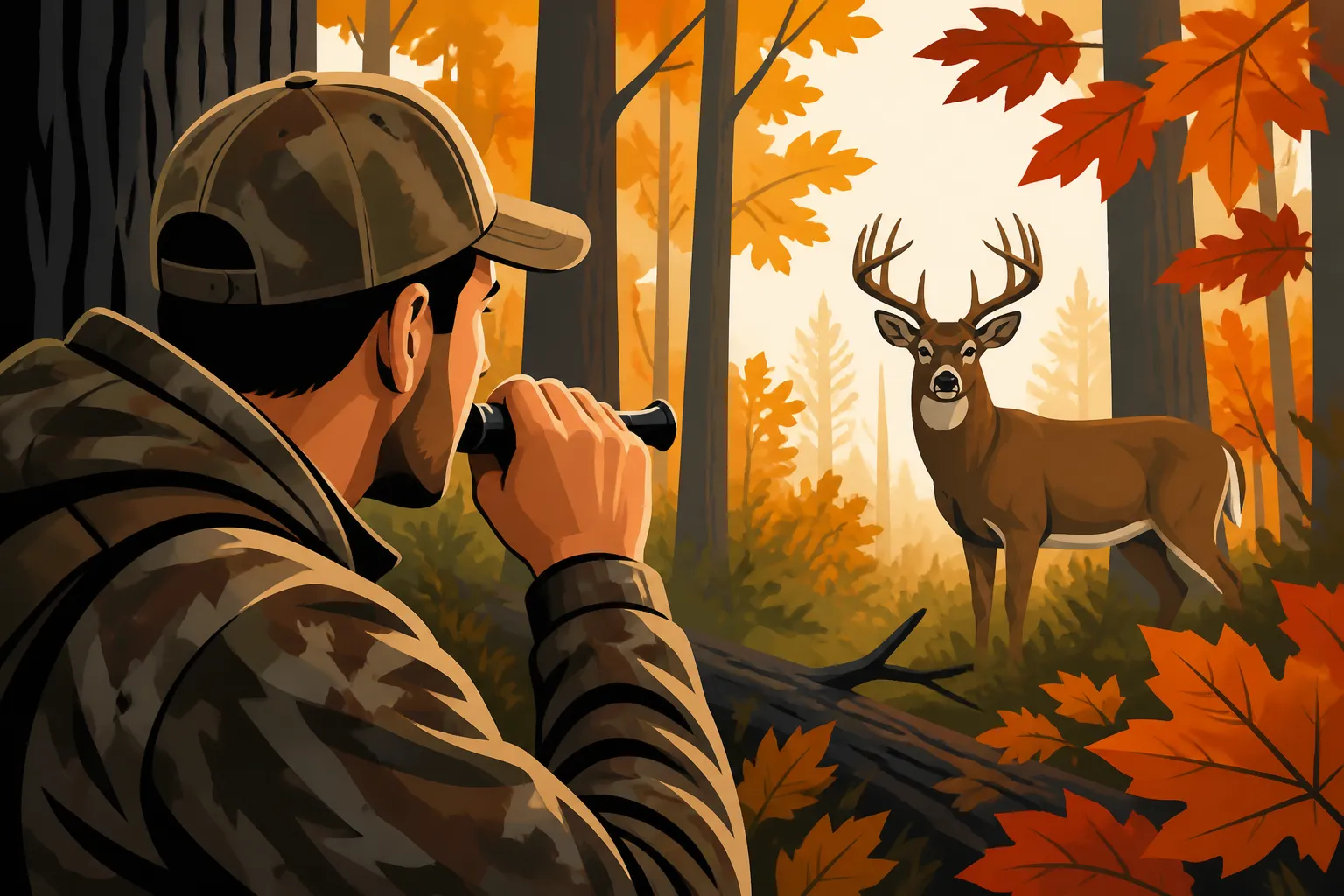
Hunting mature Maine hardwoods presents a unique challenge for deer hunters, especially when it comes to vocalizations. Unlike the thick spruce or alder runs, the open canopy and often sparse understory of mature hardwoods mean deer can hear and see you from much farther away, making them incredibly wary of any unnatural sound. Many hunters find themselves frustrated when their grunt calls, which work wonders in other habitats, seem to fall flat or even spook deer in these more open, ancient forests. This guide will walk you through the nuances of using grunt calls effectively in mature Maine hardwoods, helping you understand deer behavior in these specific environments and refine your calling strategy to finally bring that wary buck into range.
Understanding Deer Behavior in Mature Maine Hardwoods
Before you even think about blowing a grunt call, you need to deeply understand the environment you're hunting and the deer that call it home. Mature hardwoods, with their towering oaks, maples, and beeches, are a world apart from the dense young growth or conifer stands that dominate much of Maine's landscape.
The Landscape of Mature Hardwoods
Picture it: sunlight filtering through a high canopy, casting dappled shadows on a forest floor often littered with fallen leaves and relatively little underbrush. This type of habitat is common in parts of Western Maine Mountain Country, central Maine, and pockets throughout the state where logging has historically favored selective cuts, allowing these grand old trees to flourish. The openness provides incredible visibility for deer, but also for hunters. Sound travels a long way here, and every rustle of leaves, every snapped twig, can carry far.
Deer in these areas become incredibly attuned to sound and movement. They're not just listening for predators; they're listening for other deer, and any anomaly can put them on high alert. The acoustics of mature hardwoods are very different from the muffled sounds of a thick spruce cover. A grunt call here will reverberate, and if not executed properly, it can sound incredibly out of place or artificial, signaling danger rather than an invitation. For a deeper dive into how deer move through various terrains, you might find insight in articles discussing topics like Hunting a Ridge-Top Saddle for Rutting Bucks or Where Maine Bucks Bed in Big Timber, as these often overlap with mature hardwood environments.
How Deer Navigate and Communicate Here
Deer in mature hardwoods rely heavily on their eyesight and hearing. Because the understory can be sparse, they don't have as much visual cover to sneak through undetected. Instead, they often move along subtle terrain features, like small ridges, draws, or the edges of denser thickets within the larger hardwood block. When they communicate, they do so carefully. Bucks certainly grunt, bleat, and snort-wheeze here, but often with less frequency and intensity than they might in areas where their presence is more easily hidden.
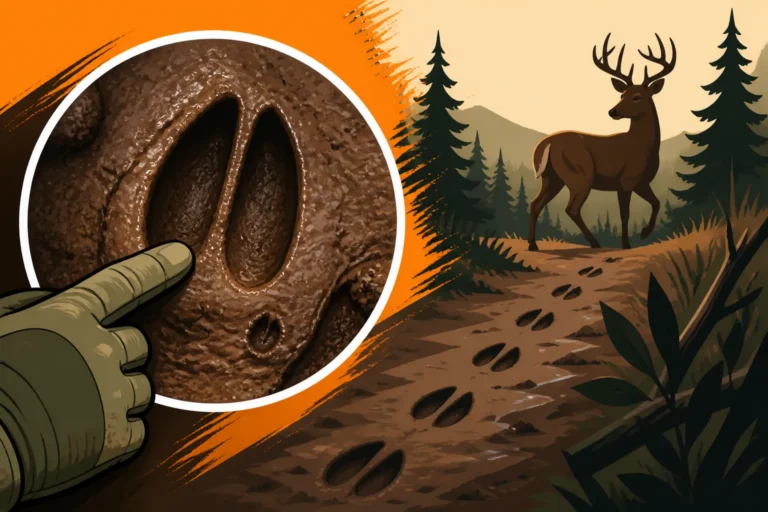
During the rut, bucks will cruise these open woods looking for does. They might scent-check trails, make scrapes, and rub trees, but they're constantly vigilant. Their acute senses mean that a misstep in calling can send them packing before you even know they were there. Understanding these subtle movements is key, and resources like Reading Maine Mud for Fresh Deer Movement can provide helpful tips on identifying fresh sign.
The Art and Science of Grunt Calling in Hardwoods
Using a grunt call in mature hardwoods is less about volume and more about subtlety, timing, and realism. It's a delicate dance, not a blaring trumpet call.
When to Deploy Your Grunt Call
Timing is everything. In mature hardwoods, where sound travels far, you absolutely do not want to overcall.
- During the Rut (Especially Early November): This is undeniably the prime time. Bucks are actively seeking does, and a well-placed grunt can appeal to their primal urge to investigate. When Hunting the Rut in Early November, bucks are at their most vulnerable to vocalizations.
- Blind Calling with Caution: While blind calling (calling without seeing a deer) can work, it's a high-risk, high-reward strategy in open hardwoods. If you do blind call, keep it minimal – one or two soft grunts every 20-30 minutes, or even longer, is often enough.
- Seeing a Cruising Buck: This is arguably the best scenario. If you spot a buck moving through the woods that hasn't seen you, a soft, well-timed grunt can often stop him or turn him in your direction, giving you a shot opportunity. This is where a quiet, clear grunt call comes into its own.
- Stopping a Spooked Deer (Last Ditch Effort): If a deer spooks but isn't quite sure what startled it, a quick, sharp grunt can sometimes make it pause, giving you a split second to assess or shoot. This is a desperation move, but it can sometimes work.
Types of Grunts and What They Signal
Not all grunts are created equal, and the type of grunt you use should match the situation you're trying to create.
- Contact Grunt: This is a soft, deep "unh… unh… unh" sound. It's used by bucks to communicate their presence to does or other bucks, essentially saying, "I'm here." This is your bread and butter in mature hardwoods. It's non-threatening and simply piques curiosity.
- Tending Grunt: A slightly longer, more drawn-out "grrruunnnnt" sound, often indicating a buck is tending a receptive doe. This can invoke jealousy in other bucks, but use with extreme caution in open woods, as it's more aggressive and could make a dominant buck come charging or a subordinate buck skirt wide.
- Aggressive Grunt/Snort-Wheeze: These are loud, guttural, and unmistakable challenges. A snort-wheeze, "ppppfffttt-whoosh!", is a direct challenge to another buck's dominance. These are typically reserved for when you know a dominant buck is close and you need to bring him in, or if you're trying to stop a buck that's already seen you and is moving away. In mature hardwoods, the risk of overdoing it and spooking deer is very high with these aggressive calls. Generally, err on the side of less aggression.
When choosing a call, I always opt for one that allows for variable tones and volumes, like those from Primos or even a simple tube call. The more realistic and versatile your call, the better. GoHunt's gear reviews often highlight calls that perform well in different environments, so it’s worth checking those out to find a grunt call that fits your needs for realism and versatility.
Perfecting Your Delivery
This is where the "art" comes in. Your delivery needs to sound natural, like a deer actually moving and vocalizing in the woods.
- Volume Control is Paramount: In hardwoods, soft is almost always better. Start with very subtle contact grunts. Imagine a buck just trying to let his presence be known, not screaming across the valley.
- Directional Calling: If you can, try to direct your grunt calls away from your precise location or slightly downwind, making it harder for a deer to pinpoint your exact spot if it approaches cautiously.
- Mimic Movement: After a grunt, make subtle sounds like a deer walking – scuff your boots in the leaves, gently tap your bow against a tree. This helps complete the illusion that a real deer just made that sound and is now moving.
- Vary Your Sequence: Don't just grunt once. A typical sequence might be 2-3 soft contact grunts, followed by a minute or two of silence and subtle movement sounds, then repeat if no response. Don't fall into a predictable rhythm.
- The "Grunt-and-Wait" Rule: This is critical. Grunt, then wait. Give the deer time to hear, process, and respond. Bucks often circle downwind to scent-check before committing, especially in open country. Patience is your best friend.
Tactical Considerations for Effective Grunt Calling
Beyond just the sound, how you integrate your calling into your overall hunting strategy in mature hardwoods is crucial for success.
Pairing Grunts with Stand Location
Your stand placement directly impacts the effectiveness of your calling, especially in open woods.
- Funnels and Pinch Points: These are always prime locations. A funnel between two woodlots or a natural pinch point along a ridge forces deer into predictable travel lanes. Setting up near one of these gives you a better chance of intercepting a deer that might respond to your call. Remember, hunting a funnel between two woodlots can put you in a great position.
- Downwind Approaches: Always position yourself so that an approaching buck will likely come from downwind. This is challenging in hardwoods where visibility is good, but crucial. You want him to present a shot opportunity before he catches your scent. If you're calling, he'll often try to circle to get your wind.
- Visual Cover is Key: Even in open hardwoods, look for a cluster of pines, a thicket of young saplings, or a large tree to break up your silhouette. This cover will hide your movements as you call and scan, and also hide you from a buck that commits to your call. If you're interested in alternative setups, understanding Using a Ground Blind on Posted-Free Land can provide ideas for static concealment.
- Elevated Stands: A tree stand is often preferred in hardwoods because it elevates you above the line of sight and helps disperse your scent more effectively. However, the higher you are, the farther your sound travels and the more unnatural it might seem to a deer looking for a ground-level competitor. Adjust your call volume accordingly.
Reading Deer Response and Adjusting Tactics
The most skilled callers don't just blow a call; they listen and adapt.
- Deer Stops and Looks: This is a positive sign! Keep still. If he continues moving, a very soft grunt might stop him again.
- Deer Changes Direction: If a buck turns and starts walking towards you or parallels your position, you've got his attention. Be ready. Minimal calling from this point is best. Let his curiosity bring him in.
- Deer Circles Downwind: This is a classic buck maneuver. If you see him trying to get your scent, stop calling immediately. Be prepared for a quick shot if he comes into range before he winds you.
- No Response: Don't panic and start blasting louder. Sometimes deer just aren't interested, or they're too far away, or the conditions aren't right. If you get no response after a few sequences over 15-20 minutes, either wait longer, adjust your stand, or move to a new location.
- The "Blow-Off" Snort: If a deer snorts and bolts, you've likely spooked it. This is a common outcome of overcalling or calling too aggressively in open hardwoods. Learn from it and adjust.
Common Pitfalls and Advanced Tips
Even experienced hunters make mistakes, especially when trying to master a technique in a tricky environment like mature hardwoods.
Avoiding Overcalling and Spooking Deer
The biggest mistake you can make in mature Maine hardwoods with a grunt call is using it too much or too loudly. Remember, sound travels far in these woods.
- Less is More: This cannot be stressed enough. A single, soft grunt is often more effective than a barrage of loud calls. Think of it as a subtle suggestion, not a demand.
- Don't Call if Deer are Close: If you see deer already in your immediate vicinity (within 50-75 yards), especially a buck, resist the urge to call. Your movement, the sound of the call, or the sudden presence of a new "deer" could spook them. Let them come to you naturally.
- Patience is a Virtue: Deer move at their own pace. A buck might hear your grunt from 200 yards away and take 10 minutes to slowly work his way in, circling and scent-checking. Don't get impatient and call again too soon, or you'll likely blow your chance. Consider how deer might react differently in thicker cover, as discussed in Rattling Volume in Thick Spruce Cover.
- Realistic Sound: Practice with your call. Get familiar with producing soft, natural-sounding grunts. A call that sounds too mechanical or human-like will do more harm than good. A great way to gauge realism is to record yourself and listen back, or better yet, have a hunting buddy listen to your calls from a distance.
Integrating Other Calls and Scents
While grunt calls are the focus, they can be part of a larger strategy.
- Doe Bleats (Fawn and Estrus): A soft doe bleat, especially an estrus bleat during the rut, can be a powerful attractant. Pair it with soft grunts to create the illusion of a buck tending a doe. A fawn bleat can sometimes bring in does looking for their young, and a curious buck might follow.
- Antler Rattling (Very Minimal): In mature hardwoods, loud rattling is rarely effective unless you're absolutely certain a buck is close and aggressive. The noise carries too far and sounds unnatural. If you do rattle, make it very soft, like two bucks sparring briefly. This is a significant contrast to how one might approach Rattling Volume in Thick Spruce Cover.
- Scents and Lures: While not vocalizations, using deer urine or estrus lures can complement your calling efforts. Place them downwind of your stand to help guide a circling buck into your shooting lane. Just make sure to use fresh, high-quality scents. GoHunt often has articles on various hunting products, including effective deer lures, that are worth exploring.
- Movement Sounds: As mentioned earlier, integrate subtle movement sounds after calling. The rustle of leaves, a gentle scrape against a tree – these can sell the illusion that a real deer is in the vicinity. This is particularly important in open hardwoods where a deer can pinpoint sound.
- Visual Cues: While not always practical, a subtle decoy can be a game-changer if placed carefully. A single doe decoy, or even a smaller buck decoy, can provide a visual target that encourages a cautious buck to commit. However, decoying in open hardwoods requires precise placement and awareness of wind direction.
Successfully using grunt calls in mature Maine hardwoods is about finesse, patience, and a deep understanding of deer behavior in their specific environment. Forget the aggressive, loud calling that might work in dense cover. Here, subtlety and realism are your most valuable tools. By mastering these techniques, you'll be well on your way to bringing that elusive hardwood buck into your sights. And remember, sometimes the best call is no call at all.
Disclaimer
Hunting is an inherently dangerous activity. Always prioritize safety, understand and obey all local, state, and federal hunting laws and regulations. Ensure you have the proper licenses and permits before engaging in any hunting activity. The information provided in this guide is for educational purposes only and should not be considered a substitute for professional instruction or official wildlife department guidelines.