Hunting After a Poor Acorn Year
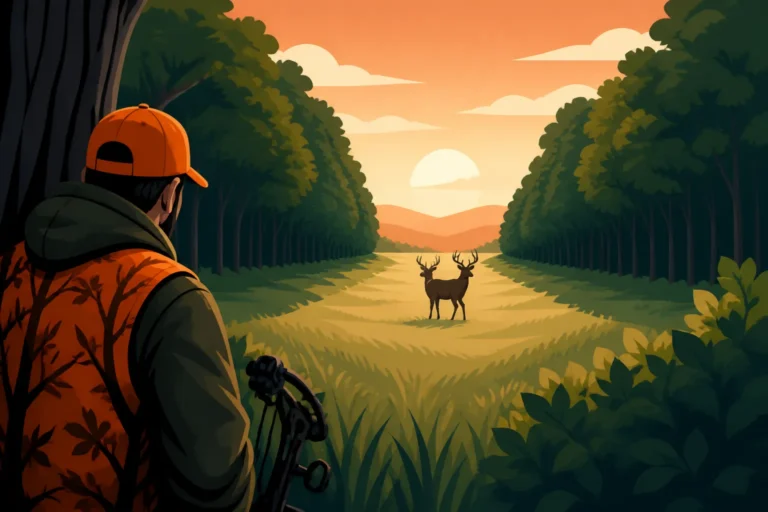
It's one of the most disheartening feelings for a deer hunter in Maine: you head out for a pre-season scout, full of optimism, only to find the forest floor devoid of those tell-tale acorns. A poor mast crop year isn't just a minor inconvenience; it completely upends traditional deer patterns and forces us to rethink everything. This guide is dedicated to helping you navigate those challenging seasons, showing you how to adapt your strategy and find success even when the oak trees let us down.
When the Acorns Don't Drop: The Harsh Reality for Maine Hunters
When those majestic oak trees in the Maine woods fail to produce a decent crop of acorns, it's not just a disappointment for us; it's a major setback for the deer. These little nutritional powerhouses are often the cornerstone of a whitetail's diet, especially leading into the colder months. Without them, deer are forced to change their habits dramatically, and so must we.
Why Acorns Are a Deer's Favorite Fuel
Think of acorns as nature's energy bars for deer. They're incredibly rich in fats and carbohydrates, providing essential calories that help deer pack on weight and build up their reserves for the harsh Maine winter. There's a reason deer will walk past perfectly good browse and even apple trees to get to a fresh drop of acorns. They've evolved to key into this high-energy food source.
We have a mix of red oaks and white oaks across the state, and each has its own cycle. White oaks, with their less bitter acorns, are often preferred and drop earlier, but their crops can be notoriously inconsistent. Red oaks, while a bit more bitter, provide a more reliable, later-dropping source of sustenance. When both species have a poor year, as happens periodically, the impact on the deer herd, and subsequently on our hunting, is significant. It's truly frustrating to know that a prime oak flat that was a magnet for bucks last year is now nothing more than a quiet, empty patch of woods.
The Ripple Effect on Deer Behavior and Movement
In a banner acorn year, deer movement can be incredibly predictable. You find the active oak groves, set up, and often, the deer come to you, sometimes in numbers. But when those acorns are scarce, that predictability goes right out the window. Deer don't just sit around and starve; they become much more nomadic, constantly on the move, searching far and wide for any alternative food source they can find.
This means their core areas might shift, their bedding sites could become more dispersed, and those reliable travel corridors you've always known might see less traffic if they don't lead to a new food hub. A poor acorn year can also impact the rut, as deer might be more focused on finding calories than on breeding in the early stages, though the biological imperative usually kicks in regardless. Still, it means they might be passing through your area at different times or from unexpected directions as they crisscross the landscape in search of sustenance. This wider foraging pattern makes them harder to pattern and predict, adding a significant layer of challenge to our hunts.
Beyond the Oak Tree: Identifying Alternative Food Sources
So, if the acorns aren't falling, where do Maine's deer turn for their meals? It's a critical question, and the answer requires us to think beyond the obvious and really observe the landscape. The good news is that Maine offers a diverse buffet of natural and agricultural alternatives, and knowing what to look for can turn a tough season into a successful one.
Scouting for Soft Mast and Natural Browse
While acorns are king, they're not the only game in town. Deer will absolutely shift their focus to other naturally occurring foods.
- Wild Apples: These are often a secret weapon. Abandoned orchards, old homesteads, or even single wild apple trees scattered through the woods can be absolute magnets for deer when acorns are scarce. These trees often hold fruit well into the early rifle season, especially if they're not discovered by bears or other critters first. Remember that sweet smell of fermented apples? That's a deer bell ringing. Learning how to identify and hunt these productive spots is crucial. If you find a patch of these, setting up on a Hunting a Standing Apple Orchard can be a game-changer.
- Berries and Other Soft Mast: Depending on how early or late the poor acorn crop hits, deer might still be hitting other soft mast. Wild grapes, elderberries, and various viburnum species (like highbush cranberry) can be important early-season food sources. While not as high in calories as acorns, they offer crucial nutrients.
- Natural Browse: This becomes critically important. Deer are browsers, and they'll eat the tender shoots and leaves of many different plants. Look for heavily browsed maple saplings, aspen, cedar, and even hemlock tips. In the vast North Maine Woods, deer are constantly nibbling on whatever palatable browse they can find. This isn't usually a "sit and wait" type of food source, but it tells you deer are in the area. Finding these browse lines, especially where they meet thicker cover, can indicate where deer are spending their time.
Uncovering Agricultural Opportunities
Beyond the natural smorgasbord, agricultural areas become goldmines in an acorn-deficient year. Maine has plenty of working farms, and their crops provide a crucial food source for whitetails.
- Cornfields and Potato Fields: In regions like Aroostook County, vast expanses of corn and potato fields are a massive draw. Even after harvest, residual kernels and potatoes left in the ground offer a calorie-rich buffet. Deer will filter into these fields, especially under the cover of darkness, and then bed in nearby woods. Learning the patterns of Entry Routes Through a Cut Cornfield can be highly effective. This is where tools like GoHunt become invaluable, allowing you to quickly identify these agricultural plots and their proximity to thick cover. You can use their mapping features to mark potential entry and exit points, as well as adjacent bedding areas.
- Food Plots: For those hunting private land, planted food plots become even more critical. Clover, brassicas, and other deer-attracting crops offer a concentrated, reliable food source that deer will absolutely exploit when natural foods are scarce. If you have permission to hunt land with these, they become your primary focus.
- Field Edges and Transition Zones: Regardless of the crop, the edges of these fields, especially where they meet dense timber or brush, are always prime locations. Deer love to stage in these transition zones before entering open areas. A poor acorn year only amplifies their importance. Scouting these field edges for fresh tracks, rubs, and droppings is essential, and GoHunt can help you visualize these transitions on a map, allowing you to plan your approach more effectively.
| Factor | Good Acorn Year | Poor Acorn Year |
|---|---|---|
| Deer Diet Focus | Heavy reliance on acorns | Diversified, seeking soft mast, browse, ag crops |
| Movement Pattern | Concentrated around oak stands | Wider ranging, less predictable |
| Scouting Emphasis | Finding active oak groves | Identifying alternative foods, travel routes |
| Hunting Strategy | Setting up on oak ridges/flats | Still-hunting, ambushing travel corridors, field edges |
| Early Season | Predictable feeding in oak | Challenging, dispersed deer |
| Late Season | Still some residual acorns, shift to browse | Intense search for any remaining food, thermal cover |
Strategic Shifts: Adapting Your Hunting Tactics
When the deer change their game, so must you. A poor acorn year demands a more flexible and diligent approach to hunting. It's about letting go of what should be happening and focusing on what is happening in the woods. This often means doubling down on scouting and being willing to move more.
Refocusing Your Pre-Season Scouting
Your scouting efforts in a poor acorn year are perhaps more critical than ever before. Forget those traditional oak flats for a bit and expand your search.
- Identify Alternative Food Sources: Instead of just looking for acorns, actively search for wild apple trees, persimmon trees (if you're far enough south), or areas with dense browse. Look for heavily used trails leading into and out of these areas.
- Find Fresh Sign: Look for fresh deer tracks, droppings, and rubs and scrapes near these alternative food sources. Are deer actively feeding in an old apple orchard? Is there a distinct browse line in a cedar swamp? These are the clues you need.
- Utilize Mapping Tools: This is where modern technology shines. Services like GoHunt allow you to layer satellite imagery with property boundaries, topography, and even public land access points. You can identify potential agricultural fields, clear-cuts (which often provide fresh browse), and dense thermal cover where deer might bed. Marking these spots and planning your entry and exit routes becomes much easier. You can even check out tips on Scouting With the Maine Hunting App for more detailed guidance on leveraging these tools.
- Look for Water: While not a food source, deer always need water. In a year where they are ranging more widely, finding isolated water sources or natural springs can be a good way to find consistent travel patterns, especially if located between bedding and newly discovered food.
Adjusting Your Stand and Still-Hunting Strategies
With deer movements less concentrated, your traditional sit-and-wait approach might need tweaking.
- Hunt Travel Corridors: Deer will still use efficient paths of travel, but these paths might now connect a bedding area to an apple orchard, or a potato field to a dense cedar thicket. Focus on natural funnels, pinch points, and creek bottoms that deer will likely use to get from cover to their new food source. A classic strategy is to set up on a Hunting a Funnel Between Two Woodlots.
- Increase Still-Hunting: If deer are constantly on the move, so should you. Still-hunting, moving slowly and deliberately through the woods, pausing frequently to observe, can be incredibly effective. Cover ground slowly, paying close attention to fresh sign and listening for subtle sounds. This method allows you to intercept deer as they forage.
- Consider Ground Blinds on Field Edges: If you've identified a hot agricultural field, a well-placed ground blind can offer excellent concealment. Deer are often wary in open areas, but a brushed-in blind can make all the difference. Check out tips on Using a Ground Blind on Posted-Free Land for maximizing your setup. This is particularly effective in areas like Aroostook County where potato and corn fields dominate the landscape.
- Hunt Cut-overs and Regrowth: Fresh clear-cuts, especially those that are a few years old, can provide a bounty of new browse. Deer will gravitate to these areas for food and cover. Focusing on a Hunting a Clear-Cut Regrowth Edge can pay dividends, especially if it's near thicker timber for bedding.
Timing Your Efforts for Maximum Success
Understanding when deer are most likely to be active in these alternative food sources is paramount.
- Early Morning and Late Evening: These golden hours are always important, but even more so when deer are traveling further for food. Focus on ambushing deer as they move from their bedding areas to feed in the morning, and as they head back to cover in the evening.
- Mid-Day Bedding Near Food: Unlike a year with abundant acorns where deer might bed further away from the main food source, in a lean year, they might bed closer to their newly found food source to minimize travel. This means still-hunting dense cover adjacent to an apple orchard or a productive browse area during the mid-day can be productive.
- Weather Influences: Cold fronts, especially with approaching snow, will often push deer to feed heavily before the weather worsens. Capitalize on these windows, as deer will be desperate to put on calories.
Late-Season Survival: Finding Deer When Winter Bites
As the season progresses and the temperatures plummet, the challenges of a poor acorn year become even more pronounced. Snow cover can make finding food even harder for deer, but it can also help us as hunters, revealing their limited movements and concentrated efforts.
The Persistent Hunter's Advantage
In a poor mast year, deer are likely to be more pressured, moving more, and thus harder to pattern. This means persistence becomes your most valuable tool. Don't give up on your efforts just because the first few hunts are slow.
- Keep Scouting: Even once the season starts, keep scouting. New food sources might become available, or deer might shift their focus as others are depleted. Fresh snow can be an excellent scouting tool, showing you exactly where deer are moving and what they're feeding on. Look for patterns in Tracking a Deer in Fresh Maine Snow.
- Have Multiple Spots: Don't put all your eggs in one basket. Having several backup locations where you've identified alternative food sources or promising travel corridors allows you to remain flexible. If one spot isn't producing, you can easily shift to another.
- Hunt Hard and Smart: A tough year calls for longer hours and smarter decisions. Be patient, pay attention to every detail, and trust your instincts. Remember, the Maine Deer Herd Size is healthy, even if they're harder to find in a lean year. If you plan to Hunting Into the December Muzzleloader Close, you'll need all the mental fortitude you can muster.
Keying in on Thermal Cover and Wintering Areas
As winter truly sets in, usually by late November and into December, food becomes even scarcer, and thermal cover becomes critical for deer survival. This is when deer really start to consolidate into their traditional wintering areas.
- Cedar Swamps and Hemlock Stands: These dense conifer stands offer crucial thermal protection from biting winds and heavy snow. They also often provide a source of browse (cedar, hemlock tips) that deer will rely on. Learning to Reading a North Woods Deer Yard and identifying heavily used trails within these areas is paramount.
- South-Facing Slopes: These areas receive more sunlight and can melt snow faster, making it easier for deer to access any remaining ground forage or browse.
- Late-Season Food Sources: While hard mast is gone, focus on evergreen browse and any remaining agricultural waste. Deer will also target specific evergreens like balsam fir and specific deciduous species that hold their nutritional value longer. For a comprehensive look, read up on Late-Season Food Sources for Maine Whitetails. When hunting late-season, a strategy of Working a Creek Bottom for Late-Season Deer can often intercept deer moving between bedding and limited food sources.
- Utilize Snow to Your Advantage: Deep snow funnels deer movement into more predictable patterns, often along ridges, trails, and through saddles. Fresh tracks in the snow become obvious indicators of recent activity. This is where your persistence truly pays off.
Hunting after a poor acorn year is undoubtedly more challenging, but it's also an opportunity to hone your skills, learn more about deer behavior, and expand your understanding of the Maine woods. With adaptability and persistence, you can still fill your tag and enjoy a rewarding season, even when the oak trees keep their bounty to themselves.
Disclaimer
Please note that hunting regulations, season dates, and specific rules can change. Always consult the official Maine Department of Inland Fisheries & Wildlife (MDIFW) regulations booklet or website before heading into the field. This guide is for informational purposes only and does not replace official documentation or professional guidance.