Setting Up on an Aroostook Farmland Edge
Hunting the vast, open expanses of Aroostook County farmland can feel overwhelming for even seasoned deer hunters. Unlike the dense hardwoods or sprawling North Woods, these agricultural landscapes present a unique set of challenges and opportunities, often leaving hunters wondering how to even begin. This guide will walk you through the essential strategies for effectively setting up on an Aroostook farmland edge, helping you decode deer movement and increase your chances of success.
Understanding Aroostook Farmland Deer Movement
Aroostook County, often called "The County" by Mainers, boasts some of the state's most productive agricultural land, dominated by potatoes, broccoli, and grain crops. This landscape is a magnet for deer, offering abundant food sources, but it also means vastly different movement patterns compared to the more timbered regions of Maine.
Why Aroostook is Unique for Deer Hunting
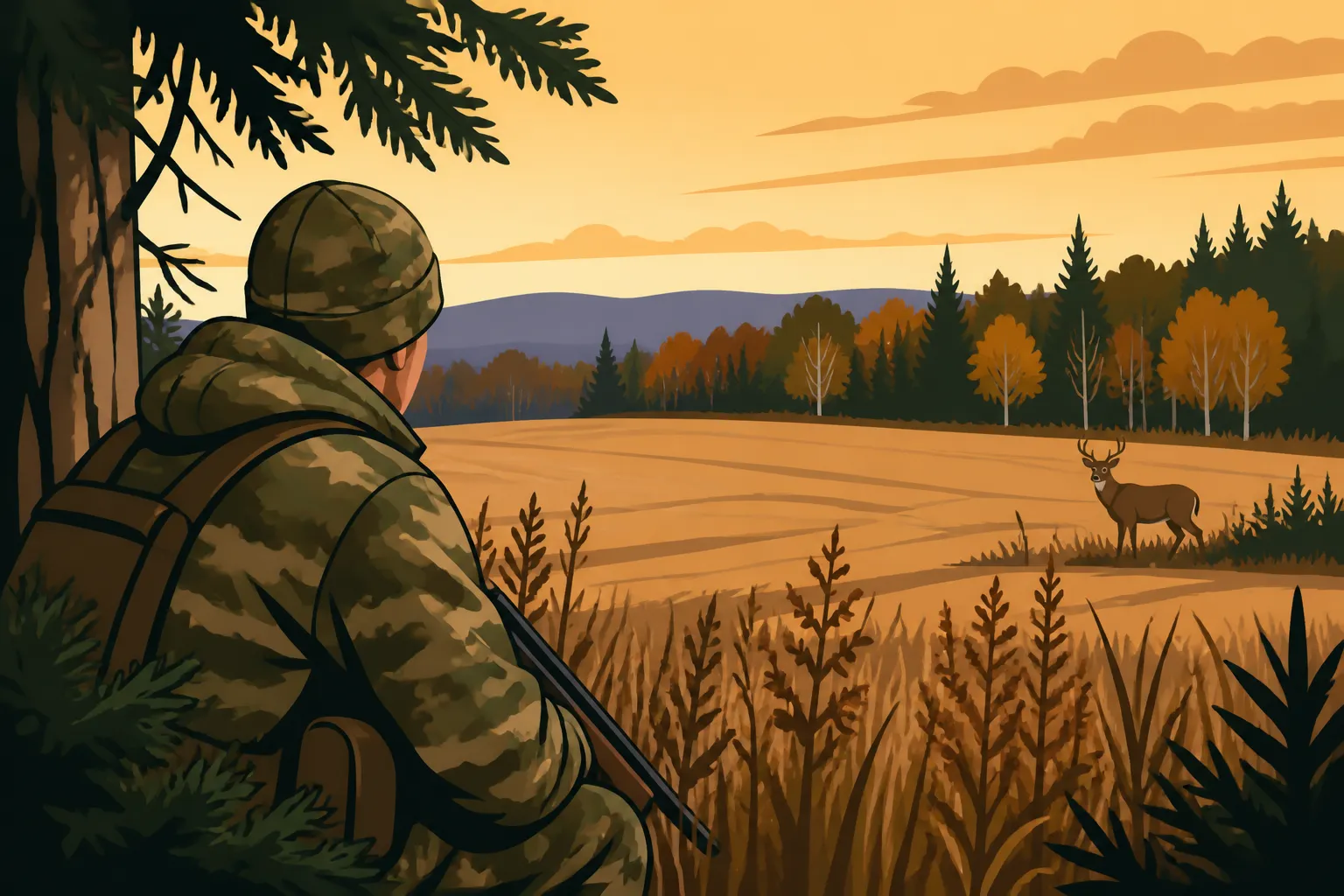
Deer in Aroostook adapt their behavior significantly to the open farmland. They often bed down in heavy cover adjacent to fields during the day, like cedar swamps, thick alder bottoms, or dense stands of spruce. When evening approaches, or during periods of low light, they'll filter out into the fields to feed, sometimes traveling considerable distances. This makes hunting these areas less about still-hunting through timber and more about intercepting deer as they transition between bedding and feeding. The sheer scale of the fields also means deer can be spread out, making pinpointing their exact entry and exit points crucial. Understanding the subtle shifts in wind and thermals in Maine's hill country, even gentle farmland slopes, is vital to predicting how deer will approach these open areas.
One common frustration hunters face is observing deer in fields from a distance but struggling to get within range or even close to their entry points. The open nature of the landscape means deer have excellent visibility, and any misstep or exposed movement will send them scurrying back to cover. It's a game of patience and precision, where proper setup trumps aggressive pursuit. You might spend hours watching deer, feeling helpless, but with the right approach, you can turn those distant sightings into close encounters.
Key Deer Sign Along Farmland Edges
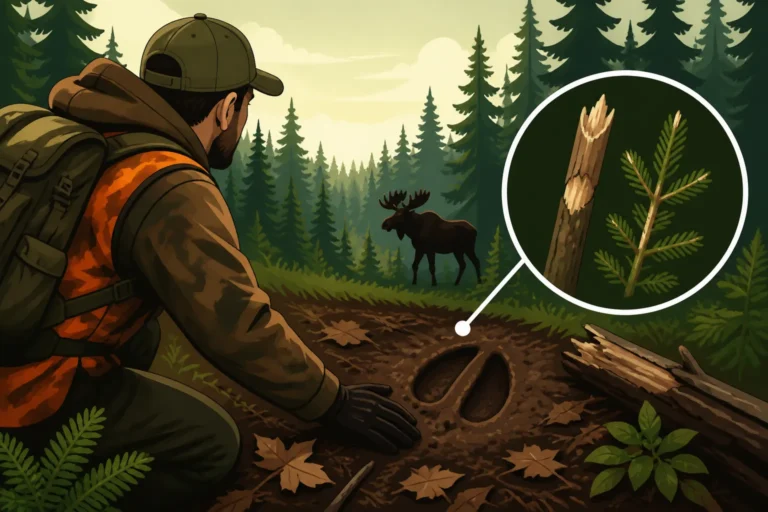
The edge of a farmland field isn't just a line; it's a highway for deer. Learning to read the sign here is paramount. Look for heavily used trails that lead directly from wooded cover into the field, particularly where the field edge meets a natural funnel or pinch point. Rubs and scrapes along the tree line are obvious indicators, especially during the rut. Pay close attention to tracks in the mud or soft soil where deer cross from woods to field, giving you clues about their size, direction of travel, and how recently they passed through. This kind of close observation is key to understanding Reading Maine Mud for Fresh Deer Movement.
Droppings will also tell a story. Fresh, soft pellets indicate recent activity. The size and shape of the droppings can even give you a rough idea of the deer's size and what they've been eating. While scouting, consider how the crop itself influences movement. A standing potato field offers more cover than a freshly harvested one. Deer will often skirt the edges of unharvested fields, or even utilize the rows for cover as they move deeper into the field. This detailed reconnaissance is where hunters truly start to form a picture of deer behavior in the area.
Scouting and Location Selection
Effective scouting is the bedrock of successful hunting in Aroostook's farmlands. You can't just pick a random spot and expect deer to materialize. It requires a blend of modern technology and old-fashioned legwork.
Leveraging Technology for Initial Scouting
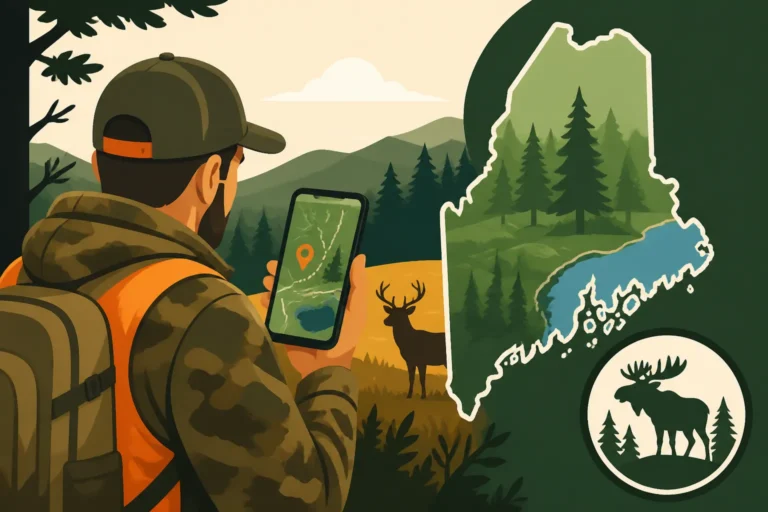
Before you even set foot in the field, modern mapping tools are your best friend. Applications like GoHunt provide satellite imagery that can help you identify key features from afar: dense woodlots, cedar swamps, drainage ditches, and especially the corners or points where cover extends furthest into a field. Look for areas where fields narrow, or where two types of cover meet, creating natural travel corridors. These are often funnel points that deer will consistently use. You can also identify potential bedding areas just inside the timber edge. Using the GoHunt app or similar tools to mark these points of interest saves a tremendous amount of time and effort once you're on the ground.
Another powerful tool is historical weather data. Checking prevailing wind directions for the time of year you plan to hunt can help you pre-plan stand locations that won't spook deer. Think about how deer will approach from downwind, and how you can position yourself to cut them off. This initial digital reconnaissance allows you to quickly narrow down vast acreage into a few promising hotspots, making your physical scouting much more efficient. Don't forget to check land ownership boundaries as well; onX Layers for Maine Land Status can be invaluable here, ensuring you're only scouting and hunting where you have permission.
Boots-on-the-Ground Reconnaissance
Once you have a few potential areas marked on your map, it's time for some serious boots-on-the-ground work. This is where you verify what the satellite images hinted at. Walk the edges of the fields, specifically looking for those distinct trails, rubs, and scrapes we discussed. Pay attention to how deer enter and exit the fields, and whether they seem to be using particular corners, pinch points, or draws. Don't be afraid to venture a little way into the woods adjacent to the fields to find bedding areas or additional travel corridors.
During your scouting trips, be mindful of your scent and disturbance, even before the season begins. The goal is to learn without alerting the deer. If you're going to be Scouting Maine Private Land Before Season, it's also the perfect time to knock on doors and ask for permission. Many Aroostook farmers are generous, but they appreciate being asked respectfully. Observe the current crop status. Are the potatoes still standing, or has the field been harvested? What about the corn or other grains? The stage of the crop significantly impacts where deer will feel secure enough to feed. The more time you spend scouting and observing, the better your understanding of the local deer patterns will become.
Optimal Setup Strategies on the Edge
Once you've identified promising locations, the next step is to choose the right setup and execute it flawlessly. This is where many hunts are made or broken.
Choosing Your Stand or Blind Placement
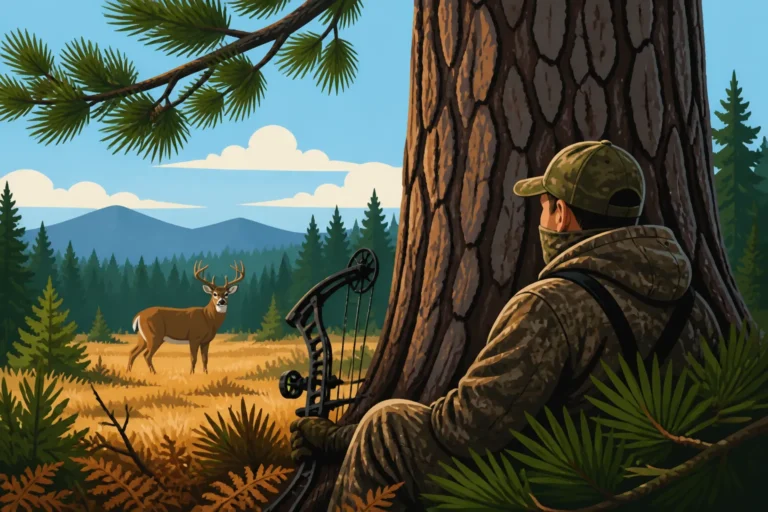
The choice between a treestand and a ground blind often comes down to the available cover and your personal hunting style. If there are mature trees along the field edge, a treestand offers an elevated vantage point, allowing you to see deer approaching from further distances and providing a better shot angle into the field. Aim to place your stand where you have good shooting lanes into the likely travel paths and feeding areas. Consider placing it just inside the timber edge, offering you cover for entry and exit, and making your silhouette less noticeable. For example, if deer are frequently cutting a specific corner of a potato field, position your stand a bit back into the woods, perhaps 15-20 yards, allowing you to intercept them before they fully commit to the open.
However, many Aroostook farmland edges don't offer suitable trees for treestands. In these situations, a ground blind becomes invaluable. When Using a Ground Blind on Posted-Free Land, you'll want to brush it in meticulously. Use natural materials like downed branches, cornstalks, or cedar boughs to break up its outline. Position your blind facing away from the rising or setting sun, if possible, to avoid silhouetting yourself. Look for natural depressions, brush lines, or even large boulders to help conceal your blind. The goal is for the blind to blend seamlessly into the environment, making it almost invisible to approaching deer. Always ensure your setup offers clear shooting lanes for both bow and rifle, depending on your chosen method.
Managing Scent and Wind Direction
Scent control is absolutely critical when hunting farmland edges. Deer will often approach these fields from downwind, using their incredible sense of smell to detect danger before they ever step into the open. Therefore, always choose a setup location that accounts for the prevailing wind direction during your hunt. If the wind is consistently blowing from the field into the woods, you're in a good spot to intercept deer entering the field. If the wind is blowing from the woods into the field, you're likely to be busted.
It's not just about the wind on the day of the hunt. Even when scouting or setting up, minimize your scent. Wear clean clothes, spray down with scent eliminators, and avoid walking directly on the deer trails you intend to hunt. Try to approach your stand or blind from a direction that keeps your scent blowing away from the deer's expected travel path. Some hunters even go as far as using an Ozonics unit in their blind or stand to further neutralize scent. Pay attention to subtle shifts in air currents, especially around dawn and dusk, when thermals can cause wind to swirl, particularly in areas with slight elevation changes. This diligent attention to scent and wind is paramount for success, as one sniff of human odor can ruin an entire hunt.
Patience, Persistence, and Post-Shot Strategy
Hunting Aroostook farmland edges isn't a sprint; it's a marathon. You need patience and persistence, and a solid plan for after the shot.
Hunting the Weather and Time of Day
Deer activity on farmland edges is heavily influenced by weather and time of day. Overcast days, light rain, or periods just before a cold front often see increased movement, as deer are less wary of the open fields when visibility is reduced or a storm is approaching. Conversely, bright, clear, calm days can make deer extremely cautious, pushing their feeding deeper into the night. Your best bet for consistently seeing deer on the edges will be during the first hour or two of daylight and the last hour or two before dark. These are the prime transition times when deer are moving from bedding to feeding, or vice-versa.
During the middle of the day, deer are more likely to be bedded down in dense cover. If you choose to hunt midday, focus on trails leading directly to and from known bedding areas, or consider still-hunting very slowly through the heavy cover adjacent to the fields. For example, during Maine's Four-Week Firearms Deer Season, the deer become increasingly pressured, and their daytime movements become even more clandestine. This means you might need to hunt harder during those peak dawn and dusk hours and consider how deer might be using unharvested fields for midday security cover.
Tracking in Aroostook's Varied Terrain
If you make a shot, your work isn't over. Tracking a deer in Aroostook's varied terrain presents its own challenges. The open fields, while initially easy to scan for a downed deer, can quickly become vast and disorienting. If the deer makes it back into heavy cover, like a thick spruce bog or a dense cedar swamp, tracking can become incredibly difficult. Always take a mental note of the last place you saw the deer and a landmark in that direction. This is crucial for establishing a starting point for your blood trail.
When Tracking a Deer in Fresh Maine Snow, the task is often simplified, but in bare ground conditions, you'll need to rely heavily on every drop of blood, disturbed leaves, and broken twigs. Move slowly and methodically, marking the last sign you found. If the blood trail becomes sparse, expand your search in concentric circles from the last confirmed sign. Aroostook's potato fields, especially if recently harvested, can have deep furrows that make walking and tracking physically demanding. If you lose the trail, back out, give the deer time, and return with additional help if possible. Recovering your game respectfully is part of the hunting ethic, and being prepared for a tough track is key to a successful hunt in The County.
| Setup Consideration | Treestand | Ground Blind |
|---|---|---|
| Visibility | Elevated, wide field of view, good for spotting. | Lower profile, limited visibility, better concealment. |
| Concealment | Requires good tree cover, breaking silhouette. | Requires meticulous brushing-in, blends with ground. |
| Wind & Scent | Higher off ground, potentially better scent dispersal. | Close to ground, critical scent control. |
| Comfort | Can be less comfortable for long sits, exposed to elements. | Often more comfortable, protected from wind/rain. |
| Mobility | Can be heavier, more permanent placement. | Lighter, easier to move, adaptable to changing conditions. |
| Terrain Suitability | Requires suitable trees. | Ideal for open edges, sparse tree lines, natural depressions. |
| Shooting Angles | Downward angle, good for field shots. | Eye-level angle, requires clear lanes. |
Final Thoughts on Aroostook Farmland Hunting
Hunting the edges of Aroostook County's farmlands can be incredibly rewarding, offering a chance at some truly impressive Maine whitetails. The key is to shift your mindset from deep woods hunting to one that emphasizes careful observation, strategic positioning, and meticulous scent control. By understanding how these deer interact with the agricultural landscape, leveraging modern scouting tools like GoHunt, and applying smart setup strategies, you'll be well on your way to intercepting deer as they move between the safety of the timber and the bounty of the fields. Remember, patience is your most valuable asset here.
Disclaimer
Hunting is an inherently dangerous activity. Always prioritize safety, understand and follow all Maine hunting laws and regulations, and obtain proper licenses and permits. This guide provides general information and should not replace professional instruction or local regulations. Conditions in the field can change rapidly, and hunters are responsible for their own safety and decisions.