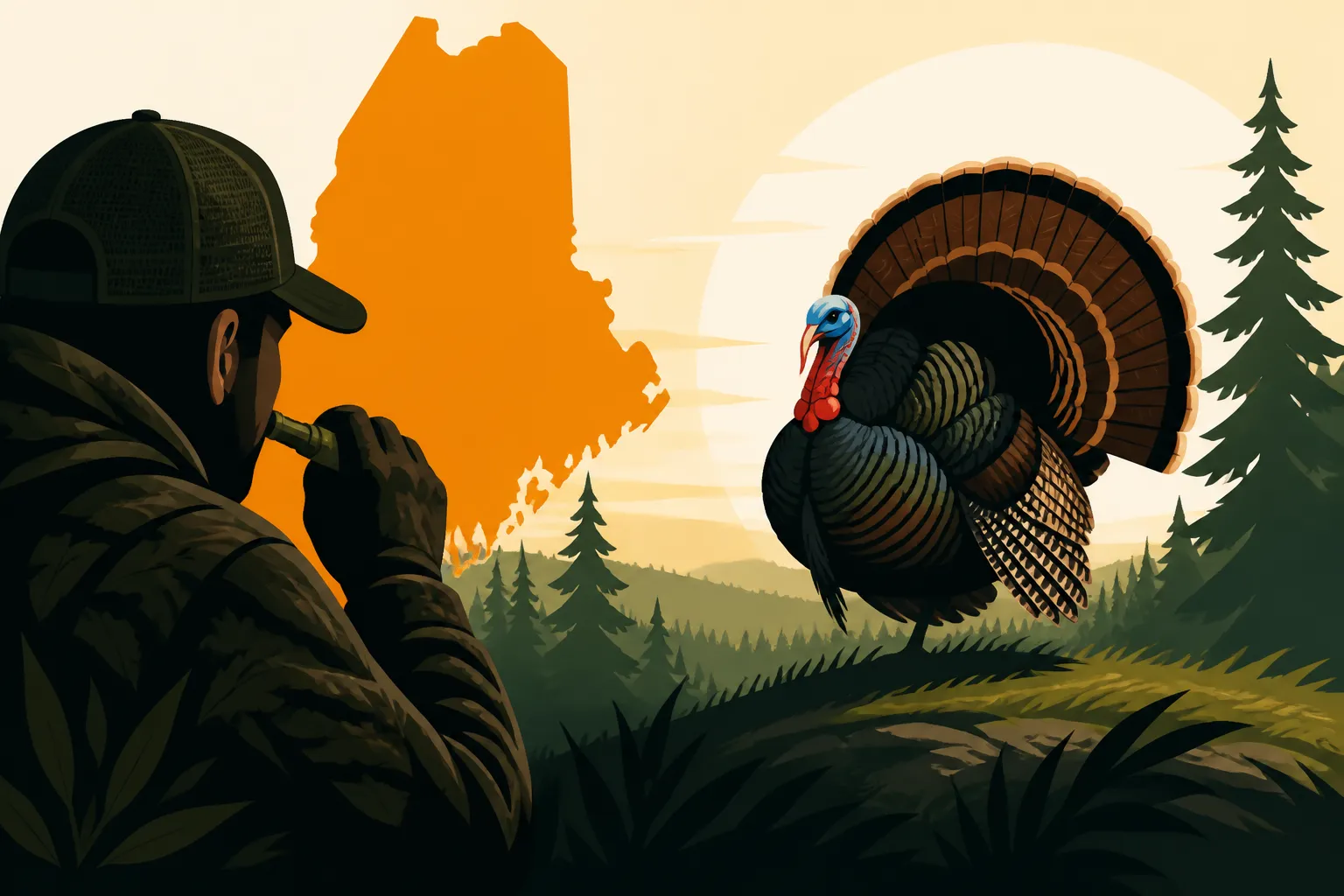
Calling a Wary Gobbler in a One-Bird District
There's nothing quite as frustrating as waking up before dawn, trekking into the Maine woods, setting up perfectly, and then having a wise old gobbler either ignore your most passionate calls or just shut right up after his initial roost gobble. It’s even more disheartening when you’re hunting in a one-bird district, where every single opportunity feels like it carries the weight of your entire spring season. This guide is all about equipping you with the strategies, insights, and a boatload of patience to outsmart those wary gobblers that seem to have a Ph.D. in avoiding hunters, ensuring your one tag doesn't go unfilled.
Understanding the "One-Bird District" Dynamics
Hunting in a "one-bird district" in Maine comes with its own unique set of challenges that can make even the most seasoned turkey hunter pull their hair out. Unlike the more generous two-bird WMDs, these areas often have lower turkey densities, or they might experience heavier hunting pressure due to proximity to population centers or popular access points. When you're in a WMD where you're only allowed to tag one bird for the entire spring season, the stakes feel significantly higher, and that translates directly into the behavior of the turkeys themselves.
In districts like parts of WMD 17 or even some specific zones in the central part of the state, where the turkey population might not be as robust, those gobblers hear a lot of calling. They've likely been pressured by hunters for weeks, perhaps even in previous seasons, making them incredibly call-shy. They become masters of silence, often gobbling once or twice on the roost, then hitting the ground without another sound. They might come in silently, circle wide, or simply hang up just out of sight, listening intently for any false notes or unnatural movements. This means your traditional aggressive calling sequences, which might work wonders in a less-pressured two-bird zone, could actually backfire here, serving only to confirm their suspicions and send them trotting in the opposite direction. It’s a completely different ballgame, requiring a shift in mindset and tactics.
Deciphering a Wary Gobbler's Subtleties
When a gobbler is wary, he's not necessarily silent; he's just incredibly selective in how he responds and moves. He’s listening for genuine hen sounds, not just any sound. This is where many hunters go wrong, thinking more volume or more aggressive calling will "fire him up." In reality, it often just puts him on edge. A gobbler that's heard a lot of pressure will often "hang up," meaning he'll stop just out of range, often behind an obstacle like a thick stand of timber or a rise in the land, waiting for the hen to commit and come to him.
Your job, then, isn't to mimic a lovesick hen aggressively seeking out a tom. Instead, you need to project confidence, calm, and a touch of indifference. Think soft, subtle clucks, purrs, and quiet yelps. These are the intimate, close-range sounds a hen makes when she's content and just going about her day, not desperately seeking a mate. Start with very soft tree yelps right before fly-down, if you're set up on a roosted bird. If he answers, acknowledge him with an equally soft cluck or two, then go silent. Make him wonder where you went, make him work for it. Over-calling is perhaps the biggest mistake you can make with a wary gobbler. Using tools like GoHunt to review aerial imagery and identify potential hang-up spots in the terrain can be incredibly helpful for anticipating where a bird might get stuck.
It's also crucial to pay attention to all the sounds of the woods. Listen for distant drumming, the rustle of leaves as a bird scratches for food, or the distinct sound of a tom's heavy wing beats as he flies down from the roost. These subtle cues tell you he's there, he's moving, and he's probably listening. Sometimes, the most effective "calling" is no calling at all, simply waiting him out after an initial soft setup call. This level of patience and restraint is extremely difficult but often pays off when dealing with a bird that's heard every trick in the book.
Tactical Approaches for Pressured Birds
Hunting these cautious gobblers requires a departure from the "run and gun" style often championed in turkey hunting videos. It's about precision, stealth, and calculated moves.
Strategic Setup and Concealment
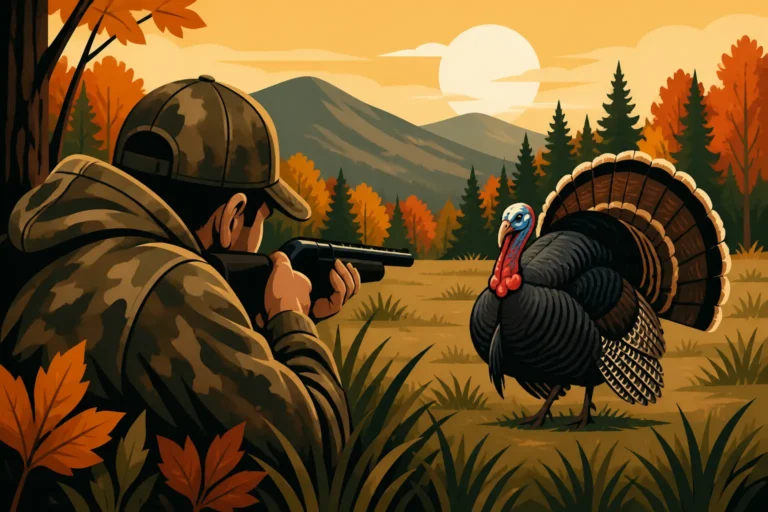
Your setup is paramount when dealing with wary birds. Forget being "good enough" with your camouflage; you need to be perfectly concealed. This means wearing full camo, including gloves and a face mask, and sitting absolutely still. Breaking up your silhouette is critical, so always aim to sit with your back against a wide tree trunk, a thick brush pile, or even a rock outcrop. A big white pine can offer excellent concealment, allowing you to blend seamlessly into the background.
Consider the sun's position – never let it be at your back, shining directly into your calling zone, as it will highlight any movement. Instead, try to have the sun at your back if possible, making it harder for the turkey to see you as he approaches. Also, think about the turkey's approach. They often circle wide, trying to get a visual before committing. Set up so that you have a clear shooting lane in front of you but are hidden from the sides and rear. Many hunters, especially in pressured areas, utilize ground blinds, which offer unparalleled concealment and the ability to shift subtly. For public lands or where permanent blinds aren't an option, brushing in a natural blind using local vegetation can be highly effective. Remember, a gobbler's eyesight is incredibly keen, and in a one-bird district, he's looking for any excuse to vanish.
Minimalist Calling Sequences
This is where you truly earn your stripes as a turkey hunter. Aggressive calling can sometimes work, but with a wary gobbler, less is almost always more. You want to make just enough sound to pique his interest, make him think a hen is nearby and perhaps a bit coy, but not so much that he feels pressured or suspects a trap.
Start with soft clucks and purrs. These are non-aggressive, reassuring sounds. If you get a distant gobble, respond with a series of quiet, contented yelps, perhaps 3-5 in a string, then immediately shut up. Wait. Give him plenty of time to respond, or better yet, to walk in silently. If he gobbles again, wait even longer before giving another soft series of calls. The goal is to make him believe he's doing the approaching, not being called in. Think of it as inviting him to a quiet picnic, not a boisterous party. Sometimes, a single soft yelp every 15-20 minutes is all you need. On a breezy day, a short series of excited cutts might carry further, but quickly revert to soft purrs. Keeping track of previous encounters with specific birds using a hunting app like GoHunt can help you tailor your calling approach by learning their patterns.
| Calling Style | Primary Use | Effective for Wary Gobblers? | Risks |
|---|---|---|---|
| Aggressive | Locating birds, exciting hot birds, cutting | Generally NO (unless bird is very hot or hasn't been pressured) | Can spook call-shy birds, makes them hang up, exposes hunter's position |
| Subtle/Minimalist | Bringing in close birds, reassuring, working hung-up birds | YES, often the most effective approach | May not carry far enough in windy conditions, requires extreme patience, bird might not hear you at all |
| Silent | After initial soft calls, waiting out approach, observation | YES, essential for pressured birds that often come in silently | Bird might lose interest and wander off if no sound is ever heard |
Using Decoys (or Not)
Decoys can be a double-edged sword when hunting wary gobblers in one-bird districts. On one hand, a realistic decoy can give a tom the visual confirmation he needs to commit, especially if he's hung up out of sight. On the other, a poorly placed or unrealistic decoy, or too many decoys, can instantly alert a pressured bird that something is amiss.
For wary gobblers, less is often more with decoys. A single hen decoy, perhaps in a breeding or receptive posture, can be highly effective. Avoid jake or full gobbler decoys unless you're absolutely sure there are no dominant toms in the area that might be intimidated or, conversely, too aggressive for your setup. Position your decoy about 15-20 yards from your setup, slightly off to the side, to draw the gobbler's attention away from your exact position. This also gives you a clear shot when he approaches. Crucially, if you use a decoy, be prepared for him to approach silently. Many experienced hunters opt for no decoy at all in heavily pressured areas, relying solely on their calling and concealment, as a gobbler might avoid any visual anomaly. This is especially true when you're Hunting a One-Bird Spring WMD, where birds are particularly sensitive.
Patience, Persistence, and Adapting on the Fly
Let's be real: hunting wary gobblers in a one-bird district is tough. It tests your patience, challenges your confidence, and can leave you feeling utterly defeated at times. But this is precisely where true skill and determination shine.
The key to success in these challenging scenarios often boils down to extreme patience. Instead of jumping up and moving every 20-30 minutes if you don't get a response, try sitting for an hour, or even two, in a prime location you've scouted. A tom might not gobble on command, but he's still going about his daily routine, moving from roost to feeding areas, and he might eventually wander into your calling range. Especially When Maine Gobblers Go Quiet in Late May, longer sits become even more crucial. Learning to read the subtle signs of the woods, observing squirrel chatter, or even the movement of other wildlife can sometimes tell you more about an approaching turkey than any gobble would.
While "run-and-gun" tactics can be exciting and effective in less pressured areas, a "sit-and-wait" approach is often far more fruitful with wary birds. Find a good ambush spot, perhaps along a travel corridor between a roost and a feeding field, or near a reliable water source. Get comfortable, stay hidden, and commit to waiting. Early morning, particularly around fly-down, is prime time. Try to get ahead of him if you hear him gobbling on the roost, making your way quietly to a solid setup.
Scouting is your absolute best friend here. Before the season opens, spend time learning the terrain. Where are the likely roost trees? What are the primary travel corridors? Where do the hens typically feed? Using mapping software like that offered by GoHunt can help you pinpoint these critical areas even before you step foot in the woods. Pay attention to droppings, tracks, and dusting bowls. The more you know about the specific birds in your hunting area, the better equipped you'll be to anticipate their movements and set up an effective ambush. This proactive approach, including Scouting Maine Private Land Before Season, makes a huge difference.
Finally, be ready to adapt. If your soft calling isn't working after a long sit, consider a slight change in location, maybe moving 50-100 yards to a new setup that offers a different angle or better visibility. Perhaps try a completely different call type, like a diaphragm call instead of a box call, to offer a fresh sound. Sometimes, after a long period of silence, a series of excited cutts followed by silence can shock a bird into gobbling or coming in, but use this sparingly. The Maine Spring Turkey Season Closing Date approaches quickly, so every adaptable decision counts. Remember, these birds didn't get wary by being stupid; they got that way by being smart. You have to be smarter, more patient, and more nuanced in your approach to tag one of Maine's elusive spring gobblers, especially in those challenging one-bird districts.
Disclaimer
Hunting is an inherently dangerous activity. Always prioritize safety, follow all local and state regulations, and obtain proper licenses and permits before heading afield. The information provided in this article is for educational purposes only and should not replace professional guidance or personal judgment.