Hunting Maine’s Generous Fall Turkey Season
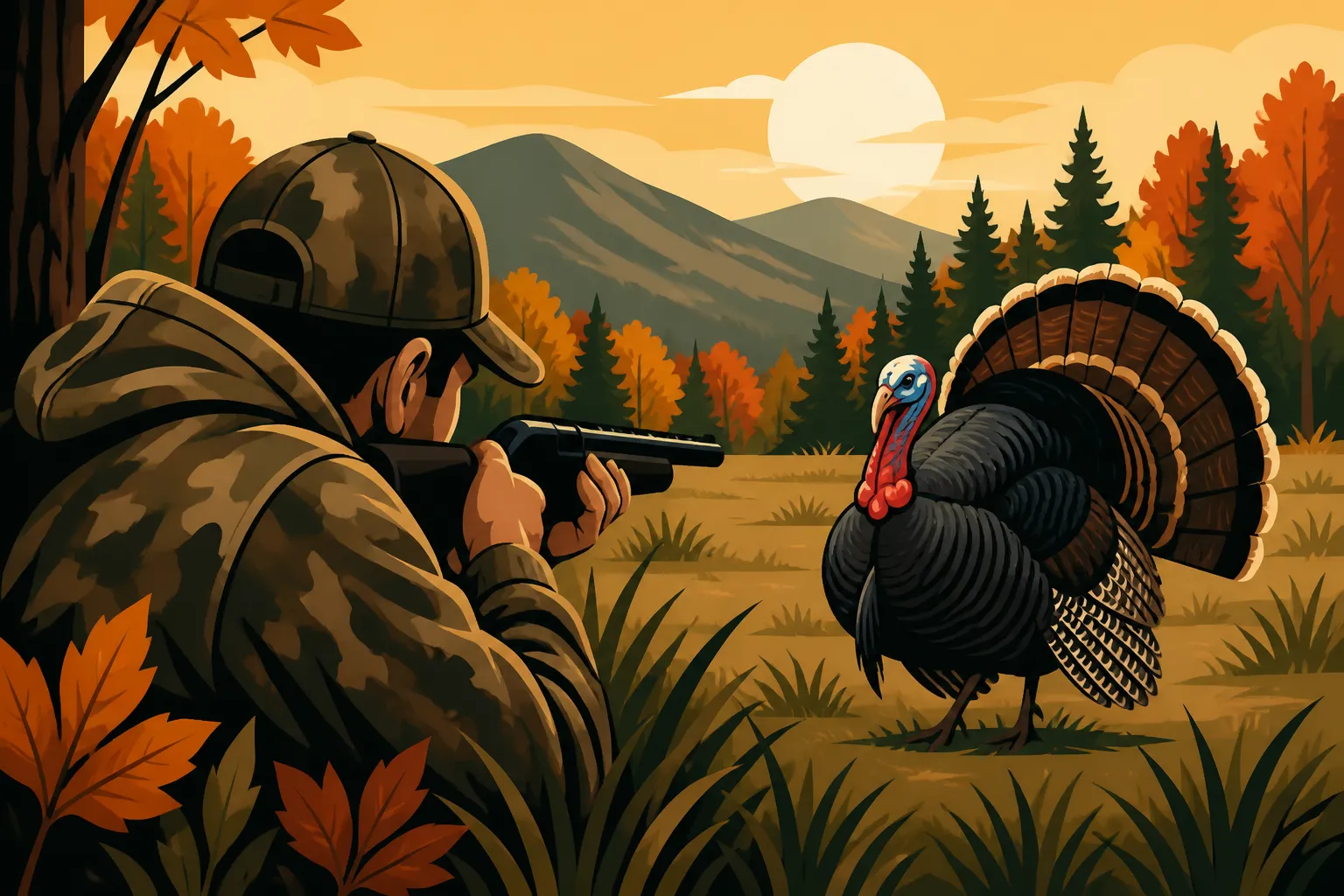
There's nothing quite like the crisp autumn air, the vibrant foliage, and the challenge of pursuing wild turkeys as they shift their behavior from spring's breeding focus to fall's flocking and feeding patterns. Many hunters find the fall season frustratingly difficult compared to the gobbler-centric spring, but Maine offers some truly fantastic opportunities for fall turkey hunting that many overlook. This comprehensive guide will walk you through everything you need to know to make the most of Maine's generous fall turkey season, from understanding the regulations to mastering the unique tactics required to consistently tag birds.
Understanding Maine's Fall Turkey Season
The allure of spring turkey hunting, with its thrilling gobbling action and strutting toms, often overshadows the equally rewarding, albeit different, experience of fall turkey hunting. In Maine, our fall season provides a unique chance to fill the freezer and enjoy the woods when deer and bear seasons might still be weeks away or winding down. But before you head out, it’s crucial to understand how this season operates and what makes it distinct.
Why Fall is Different From Spring
Unlike the spring season, which is entirely focused on breeding adult gobblers, the fall season in Maine opens up the opportunity to harvest any wild turkey, regardless of age or sex, within the designated bag limits. This fundamental difference drastically changes your approach. In spring, you're primarily mimicking a hen to lure an amorous tom. In fall, turkeys are in large, often family-group, flocks, and their primary motivations are feeding and regrouping. They are less vocal in the traditional sense, and their calls are more social clucks, purrs, and yelps rather than aggressive gobbles. This shift from breeding to flock dynamics means scouting for food sources and understanding flock structure becomes paramount. You're no longer just looking for a gobbling bird, but rather for a group of birds focused on survival and sustenance.
The birds themselves also behave differently. Younger birds, especially jakes and jennies from the current year’s hatch, are often less wary than mature birds and can be more susceptible to certain calling techniques. Older hens, which often lead these fall flocks, are incredibly cunning and can bust you in an instant. This means patience, stealth, and a keen understanding of their movements are far more critical than simply setting up and cutting aggressively. It’s a chess match, not a race.
Season Dates and WMD Regulations
Maine's fall turkey season dates can vary slightly year-to-year and by Wildlife Management District (WMD), so always consult the latest Maine Department of Inland Fisheries and Wildlife (MDIFW) regulations booklet or their website before planning your hunt. Generally, the season runs for several weeks, often starting in late September or early October and extending through much of November. It's a fantastic overlap with some early deer seasons, giving you an excuse to be in the woods even if you're not solely focused on turkeys.
Not all WMDs are open for fall turkey hunting, and those that are often have different regulations. Some districts might allow hunting throughout the entire period, while others have more restricted windows. For instance, specific WMDs might offer extended opportunities, while others might be entirely closed to fall turkey hunting. Understanding these nuances is critical to ensure you're hunting legally and effectively. Always double-check the specific WMD you plan to hunt. You can typically find detailed maps and specific dates for each WMD on the MDIFW website, making it easy to confirm your hunting area's rules. This often involves cross-referencing district numbers with the regulations summary. For a clearer picture, check out the information on Maine Fall Turkey Permit Rules and which Maine's Five-Bird Fall Turkey Districts exist.
Maine's Generous Bag Limits Explained
One of the most appealing aspects of Maine's fall turkey season is its relatively generous bag limits, especially compared to some other states or even Maine's own spring season. In many open WMDs, hunters are allowed to harvest up to five turkeys per calendar year during the fall season, which can include both hens and gobblers. This is a significant difference from the spring, where the limit is often one or two bearded birds, depending on the WMD.
This generous bag limit means you have a real opportunity to stock your freezer with delicious wild turkey meat. It also allows for more tactical flexibility; you're not solely focused on a trophy gobbler but can target any bird that presents a safe, ethical shot. However, it's important to note that a separate permit is typically required for fall turkey hunting, even if you already purchased a spring permit. Make sure your licenses and permits are in order well before you head afield. The ability to harvest multiple birds also means you might spend more time processing your game, so planning for that is also a wise move.
| Season Type | Target Species | Typical Bag Limit | Primary Strategy | Calling Focus |
|---|---|---|---|---|
| Spring | Bearded Gobblers | 1-2 (WMD dependent) | Lure breeding tom | Hen yelps/gobbles |
| Fall | Any Turkey | Up to 5 (WMD dependent) | Break up/regroup flock | Assembly/lost calls |
This table clearly illustrates why your mindset and tactics need to shift drastically from spring to fall.
Essential Gear for Fall Turkey Hunting
While many items cross over from spring to fall turkey hunting, there are some specific considerations for the autumn woods. The weather is colder, the foliage is denser in some areas and quickly disappearing in others, and the tactics demand different tools. Having the right gear isn't just about comfort; it's about maximizing your success and ensuring your safety.
Shotguns, Ammunition, and Chokes
Your trusted turkey shotgun from spring will serve you well in the fall. Most hunters opt for a 12-gauge or 20-gauge, but modern 28-gauge and .410 options are also incredibly effective with today's advanced ammunition. The key is to know your gun and load combination intimately. Patterning your shotgun with your chosen ammunition is non-negotiable. You want a dense, consistent pattern at the ranges you anticipate shooting, typically 30-40 yards.
For fall turkeys, a full or extra-full choke is generally recommended to ensure a tight pattern for head and neck shots. When it comes to ammunition, heavy loads of #4, #5, or #6 shot are common choices. High-density tungsten super shot (TSS) has revolutionized turkey hunting, offering incredible range and knockdown power, even in smaller gauges. While expensive, TSS can significantly improve your effective range and pattern density, which can be a game-changer when trying to anchor a bird quickly. Remember, ethical hunting dictates clean kills, and that starts with a patterned gun and appropriate ammunition.
Camouflage and Weather-Appropriate Clothing
Maine's fall weather is famously unpredictable. A warm, sunny morning can quickly turn into a cold, rainy afternoon, especially as you get into late October and November. Layering is absolutely crucial. Start with a moisture-wicking base layer, add insulating layers like fleece or wool, and top it off with a waterproof and windproof outer shell. You'll likely be sitting for extended periods, so staying warm and dry is paramount to comfort and focus. Think about how much colder it can be compared to the generally milder spring hunts.
As for camouflage, a versatile pattern that blends with late-season hardwoods and evergreens is ideal. Unlike spring, where green patterns are prevalent, fall calls for more browns, grays, and even some reds to match the changing leaves. A face mask or face paint and gloves are also essential to break up your human outline. Don't forget a blaze orange hat and vest or plenty of blaze orange for when you're moving through the woods, especially during periods that overlap with Maine's Four-Week Firearms Deer Season. Maine has strict blaze orange requirements for safety, even during certain turkey seasons, so always review the regulations. Staying concealed is key, but safety always comes first, particularly when other hunters might be out.
Calls and Decoys for Fall Tactics
Fall turkey calling is different from spring, as you're primarily mimicking flock sounds rather than breeding calls. The most important calls for fall are the assembly yelp, kee-kee run, and plain clucks and purrs. An assembly yelp is a series of loud, insistent yelps that hens use to gather scattered flocks. The kee-kee run is a high-pitched whistle followed by yelps, typically made by lost young birds trying to find their way back to the group. Pot calls, box calls, and diaphragm calls are all excellent tools. A good friction call (pot or box) can produce loud assembly yelps, while a diaphragm call allows for hands-free kee-kees and soft clucks when birds are close.
Decoys are less critical in fall than in spring but can still be useful. A single hen decoy or even a jake decoy can sometimes draw in curious birds, especially if you've broken up a flock and are trying to call them back. However, be cautious with aggressive jake or gobbler decoys, as they can sometimes intimidate fall flocks or make them wary. More often, the focus is on vocalizations to replicate the sounds of a scattered flock looking to regroup. GoHunt, a valuable resource for hunters, often features articles and videos on effective fall calling strategies, emphasizing how critical sound is to success in this season.
Fall Turkey Behavior and Locating Flocks
Successful fall turkey hunting hinges almost entirely on understanding the seasonal changes in turkey behavior. Their priorities shift from reproduction to survival, which means food, safety, and flock cohesion dominate their daily lives. If you can consistently find where they eat, sleep, and travel, you're well on your way to success.
The Importance of Food Sources
In the fall, turkeys are voracious eaters, building up fat reserves for the coming winter. Their diets consist primarily of mast crops (acorns, beechnuts, pine nuts), waste grain (corn, oats, wheat), soft mast (berries, grapes), and insects. Finding these food sources is paramount to locating birds. Hardwood ridges with a strong acorn crop are turkey magnets, as are agricultural fields that have recently been harvested. Turkeys will spend hours scratching through leaf litter for acorns, and their droppings and scratch marks will be obvious indicators of their presence.
Scouting these areas before the season or even during the hunt is vital. Look for fresh droppings, disturbed leaf litter, and tracks. If you can find a consistent, high-quality food source, you've likely found where turkeys will be spending a significant portion of their day. This is a great opportunity to scout private land, too, after getting permission. For example, Hunting a Standing Apple Orchard can be incredibly productive for late-season deer, and turkeys love them just as much. Keep an eye on local mast reports or even just observing the trees in your chosen hunting area can give you a significant edge.
Roosting Habits and Daytime Movements
Turkeys typically roost in tall trees, often pines or hardwoods, seeking safety from nocturnal predators. In the fall, entire flocks will often roost together in the same general area, making their evening fly-up and morning fly-down routines very predictable. Listening for their soft tree yelps, clucks, and wing beats at dawn and dusk can help you pinpoint their roosting locations.
Once on the ground, fall turkey flocks will spend their day moving between roost sites, primary feeding areas, and water sources. These movements are often predictable, following ridge lines, creek bottoms, or logging roads. They generally prefer open woods or field edges for feeding, moving into denser cover for midday loafing or when pressured. Understanding these travel corridors, often found between food and cover, is crucial for setting up ambushes. Using tools like the GoHunt app or other mapping software to identify potential travel routes between known food sources and roosting areas can save you countless hours of wandering.
Reading Sign and Scouting Strategies
Successful fall turkey hunting often comes down to effective scouting. Unlike spring where you might rely on auditory cues like gobbling, fall requires visual confirmation of turkey activity. Look for:
- Tracks: Distinct three-toed tracks in soft dirt, mud, or snow. A large group of tracks indicates a flock.
- Droppings: J-shaped droppings from gobblers, spiral-shaped from hens. Freshness indicates recent activity.
- Scratch Marks: V-shaped disturbances in leaf litter where turkeys have been foraging for food.
- Feathers: Look for body feathers (indicating roosting or molting) or wing feathers (indicating flight).
- Dusting Bowls: Shallow depressions in dry soil where turkeys dust bathe to remove parasites.
Modern scouting tools can significantly enhance your efforts. Trail cameras placed near likely food sources or travel corridors can confirm turkey presence, flock size, and even movement patterns. Aerial photos and topographic maps, especially those available through platforms like GoHunt, are invaluable for identifying potential roosting areas, feeding grounds, and natural funnels. You can apply similar map-reading skills you might use when Reading Aerial Photos for North Woods Deer to locate prime turkey habitat. Take notes, mark your maps, and build a picture of how the turkeys are using the landscape. This diligence during scouting directly translates to higher success rates.
Key Fall Turkey Hunting Tactics
The shift in turkey behavior from spring to fall necessitates a completely different set of hunting tactics. Gone are the days of setting up with a hen decoy and waiting for a gobbler to strut in. Fall hunting is more about breaking up flocks, calling them back, and ambushing birds on their travel routes.
Breaking Up a Flock and Calling Them Back
This is arguably the most classic and effective fall turkey hunting tactic. The idea is simple: locate a flock, then aggressively run into them to scatter them in all directions. The turkeys, being highly social animals, will immediately want to regroup. Once the birds are scattered, you position yourself quietly in the middle of where they dispersed. Wait 15-30 minutes for things to settle down, then begin calling with soft, plaintive assembly yelps or kee-kee runs, mimicking a lost bird trying to find its flock.
The key here is patience and knowing when to call. Too soon, and they might still be too wary; too late, and they might have already regrouped naturally. Often, younger birds (jakes and jennies) will be the first to respond, eager to find their flock mates. Mature hens, while often the leaders, can be much harder to fool and may circle widely. When a bird responds, match its cadence and volume, gradually pulling it closer. This method can be incredibly exciting, as birds often come in cautiously, clucking and yelping, offering a challenging shot opportunity. Mastering Calling a Fall Turkey Flock Apart is a true art form and a hallmark of a skilled fall hunter.
Ambushing Birds on Travel Routes
Another highly effective fall tactic is ambushing turkeys along their predictable travel routes between roosting areas, feeding grounds, and water sources. This requires thorough scouting to identify these corridors. Turkeys are creatures of habit, especially in the fall, and will often use the same paths day after day. Look for worn trails, fresh tracks, and droppings along logging roads, field edges, or natural funnels like saddles or creek bottoms.
Once you've identified a prime travel route, set up a ground blind or find natural cover downwind of where you expect the birds to pass. Position yourself for a clear shot, making sure you have good visibility but remain completely concealed. This is where patience truly pays off. You might sit for hours without seeing a feather, but when a flock finally appears, you'll be ready. Consider how you might Setting Up Against a Big White Pine or a dense cedar thicket to break up your outline effectively. This tactic often works best in the mornings, intercepting birds as they leave their roosts for feeding areas, or in the evenings, as they head back to roost.
Still-Hunting and Stalking Approaches
Still-hunting is a less common but still viable fall tactic, particularly when birds are uncooperative or when you're hunting areas with scattered turkey populations. This involves moving incredibly slowly and deliberately through the woods, pausing frequently to scan for movement and listen for subtle turkey sounds like scratching in leaves or soft clucks. You're essentially moving through the turkey's habitat, attempting to spot them before they spot you.
Stalking, on the other hand, is a more aggressive approach that can be extremely challenging and requires exceptional stealth. If you spot a flock at a distance, you might attempt to close the gap using available cover. This is a high-risk, high-reward strategy, as turkeys have incredible eyesight and hearing, and they're quick to bust you. Success often comes from using terrain to your advantage, such as a ridge or a deep gully, to approach undetected. It’s a good idea to scout out potential routes and escape covers if you are considering stalking. Both still-hunting and stalking demand utmost patience, meticulous attention to wind direction, and the ability to move silently through the woods.
Dealing with Different Fall Turkey Scenarios
Fall turkey hunting isn't always textbook. You'll encounter various scenarios that require adaptability and quick thinking. From single birds to wary flocks and unpredictable weather, being prepared for anything will increase your chances of success.
Hunting Solitary Gobblers or Jakes
While fall turkeys are known for flocking, you'll sometimes encounter solitary gobblers or jakes, especially later in the season. These might be older gobblers who prefer to be alone, or younger birds that have been separated from their original flock. Hunting these individual birds can be similar to spring tactics, but without the intense breeding urge.
For solitary gobblers, soft purrs, clucks, and occasional yelps can sometimes pique their curiosity. They might respond to aggressive calling if they're feeling feisty, but often a more subtle approach works best. Jakes, being younger and less wary, are often more responsive to calling. A lost jake or even a hen kee-kee run can sometimes draw them in. Patience is key here; don't overcall. Let the bird dictate the interaction. If you notice a particular area holds these solitary birds consistently, consider setting up a blind or still-hunting quietly through it.
Handling Educated or Pressured Birds
Just like any game animal, turkeys can become educated or pressured, especially in areas with significant hunting activity. These birds are incredibly wary, will shy away from aggressive calling, and are quick to spot any movement. Hunting pressured birds requires extreme stealth, patience, and often a very subtle approach.
One tactic for educated birds is to use minimal calling, relying more on soft clucks, purrs, or silent setups near known travel routes or food sources. Avoid setting up in predictable spots. Another strategy is to go completely silent and rely purely on still-hunting or ambushing. Utilize dense cover, topographical features, and move slowly. If using calls, try different tones or types that the birds might not be accustomed to hearing. Sometimes, a well-placed decoy (a single, natural-looking hen) can work on pressured birds if you're out of their immediate line of sight and they stumble upon it while moving. Platforms like GoHunt often publish insights on how to outsmart these more challenging birds, drawing on collective hunting wisdom.
Inclement Weather and Its Impact
Maine's fall weather can range from crisp, sunny days to cold, driving rain or even early snow. Each condition impacts turkey behavior and how you should hunt them.
- Rain: Turkeys generally dislike heavy rain and will seek shelter in dense conifer cover or lower-elevation hardwoods. Their hearing is also diminished, making calling less effective. Focus on scouting for these sheltered areas and setting up quietly near them. Light drizzle, however, can actually improve hunting, as it dampens leaf litter, making silent movement easier for both you and the birds.
- Snow: Fresh snow can be a blessing and a curse. It makes tracking incredibly easy, helping you identify travel routes and feeding areas. Turkeys will often head to south-facing slopes to find bare ground for feeding or areas with waste grain. However, deep snow can severely limit their mobility and make them seek thermal cover. Dress warmly, layer up, and focus on food sources accessible even with snow cover.
- Wind: High winds make it difficult for turkeys to hear, and they'll often move to more sheltered areas, such as the leeward side of ridges or in thick timber. Wind also carries scent, so pay extra attention to wind direction. For hunters, strong winds can make hearing distant calls impossible, so focus on close-range setups and visual scouting.
Regardless of the weather, proper clothing and gear are essential to stay comfortable and focused. Don't let a little rain or snow deter you; it often provides a unique advantage for the prepared hunter.
Safety, Ethics, and Regulations
Hunting in Maine, especially during the busy fall season, demands adherence to strict safety protocols and ethical considerations. We share the woods with other hunters, hikers, and wildlife, and it's our responsibility to do so safely and respectfully.
Blaze Orange Requirements and Visibility
Safety is paramount, particularly during overlapping hunting seasons. Maine has clear regulations regarding blaze orange. During the firearms deer season, for example, all hunters, except those hunting migratory birds from a blind or in conjunction with decoys, are required to wear hunter orange clothing. This typically means a minimum of two articles of blaze orange clothing, such as a hat and a vest, visible from all sides. Even outside of the specific deer firearms season, if you're fall turkey hunting in an area where other hunting (like bear or small game) is occurring, it's always a good idea to wear blaze orange while moving to and from your stand or hunting location.
Once you are set up for turkey, especially when calling, you may remove your blaze orange if you are stationary and well-concealed. However, always have it readily accessible to put back on when you move. Never wear red, white, or blue when turkey hunting, as these colors can mimic parts of a turkey and potentially lead to accidental shootings. Prioritize positive identification of your target before making any shot. Checking the specific regulations for Maine Hunter Education Requirements can help new hunters understand all safety mandates.
Respecting Landowners and Private Property
Maine has a long-standing tradition of implied permission for public access to private land for recreational activities, including hunting, unless the land is posted. However, this doesn't mean you shouldn't be a good steward and proactive in seeking permission, especially if you plan to erect a stand or blind, or if you're hunting agricultural lands.
Always be respectful of posted land. Trespassing is illegal and harms the reputation of all hunters. If you wish to hunt on private land, the best practice is to always ask for permission. A simple knock on the door, a polite introduction, and a clear explanation of your intentions can go a long way. Offering to help with chores or sharing some of your harvest can also build goodwill. Remember, access to private land is a privilege, not a right. Leave no trace, close gates, and be an ambassador for ethical hunting. Familiarize yourself with the Maine Landowner Relations Program for more insights on maintaining good relationships.
Tagging, Registration, and Transport
Once you've harvested a turkey, the responsibility shifts to proper tagging and registration. Immediately after harvesting, you must attach your tag to the bird, ensuring all required information (date, time, WMD, etc.) is clearly filled out. This tag must remain attached to the bird until it is processed for consumption or stored.
In Maine, all legally harvested turkeys must be registered. This can often be done online through the MDIFW website or app, or at designated registration stations. Be prepared to provide details about the bird (e.g., sex, approximate age) and the location of harvest. Registration data is crucial for wildlife biologists to monitor turkey populations and make informed management decisions. Prompt registration is not just a legal requirement but an ethical responsibility that contributes to the sustainable future of turkey hunting in Maine. Don't forget to review Maine Turkey Checking Requirements to ensure you're compliant. For general harvest data, you might also be interested in Reading a Maine Harvest Report.
Advanced Tips for Consistent Fall Success
Moving beyond the basics, there are several advanced strategies and considerations that can significantly increase your success rate in Maine's generous fall turkey season. These tips focus on leveraging the landscape, refining your calling, and ensuring your hard-earned harvest is handled correctly.
Utilizing Topography and Natural Funnels
Understanding how turkeys use the terrain is a game-changer. Natural funnels – saddles between ridges, narrow strips of timber connecting larger woodlots, creek bottoms, or fence lines – are prime ambush points. Turkeys, like most wildlife, prefer the path of least resistance when traveling, and these features concentrate their movement.
Use topographic maps and aerial photos, perhaps through a mapping app like GoHunt, to identify these choke points. Scout them for fresh sign. Turkeys will often travel along contour lines on hillsides or use the gentle slopes of ravines to navigate. Setting up just off these travel routes, with the wind in your favor, can give you the edge you need. Pay attention to how turkeys enter and exit fields or cross logging roads; these points often become consistent funnel areas. The more you observe and analyze the terrain, the more predictable turkey movements will become.
Combining Calling Techniques
While the kee-kee run and assembly yelp are fall staples, combining various calls can make your setup more realistic and enticing. Think about creating a "flock in a box" scenario. Start with some soft clucks and purrs to suggest birds are feeding contentedly. Then, perhaps a fly-down cackle in the morning, followed by a few contented yelps. If you scatter a flock, use the kee-kee run as your primary "lost" call, but intersperse it with softer clucks and whines.
Sometimes, after an initial set of calls, going completely silent for an extended period can be incredibly effective, especially for wary birds. It makes them wonder if the "lost" bird has given up or moved on, sometimes prompting them to come looking. If you're with a partner, one hunter can call while the other remains silent, acting as a second, unseen bird. Experiment with different calls – slate, box, diaphragm, tube – to create a varied, lifelike conversation that draws in curious birds. Remember, fall calling is about reassurance and flock dynamics, not challenging gobblers.
Post-Harvest Care and Meat Processing
Harvesting a wild turkey is a fantastic accomplishment, but the work isn't over when the shot is fired. Proper post-harvest care is crucial for ensuring delicious table fare. As soon as possible after the kill, field dress the bird to allow the body cavity to cool. In Maine's often cold fall temperatures, this might mean hanging it in a cool, shaded place, but always be mindful of ambient temperatures. Rapid cooling prevents bacterial growth and improves meat quality.
Many hunters choose to breast out their turkeys, taking only the breast meat, legs, and thighs. However, a whole turkey, properly plucked, can make a stunning and delicious meal, much like a domestic bird. Wild turkey meat is lean and flavorful, excellent for roasting, frying, or grinding. Consider having a cooler with ice handy, especially if you have a longer drive home. Learning how to properly clean and process your bird ensures that none of your hard work in the field goes to waste. It’s the final, and perhaps most rewarding, step in Hunting Maine's Generous Fall Turkey Season. For context on the local turkey populations, you might want to look into Maine Turkey Population Trends and Where Maine Turkeys Are Densest. Knowing the health of the herd can inform your decisions. Also, understanding How Turkeys Were Restored to Maine provides a great appreciation for these magnificent birds.
Disclaimer
Please note that hunting regulations, seasons, and licensing requirements can change. Always consult the most current Maine Department of Inland Fisheries and Wildlife (MDIFW) regulations before planning any hunting trip. This guide is for informational purposes only and does not supersede official state regulations. It is the hunter's responsibility to know and obey all applicable laws.