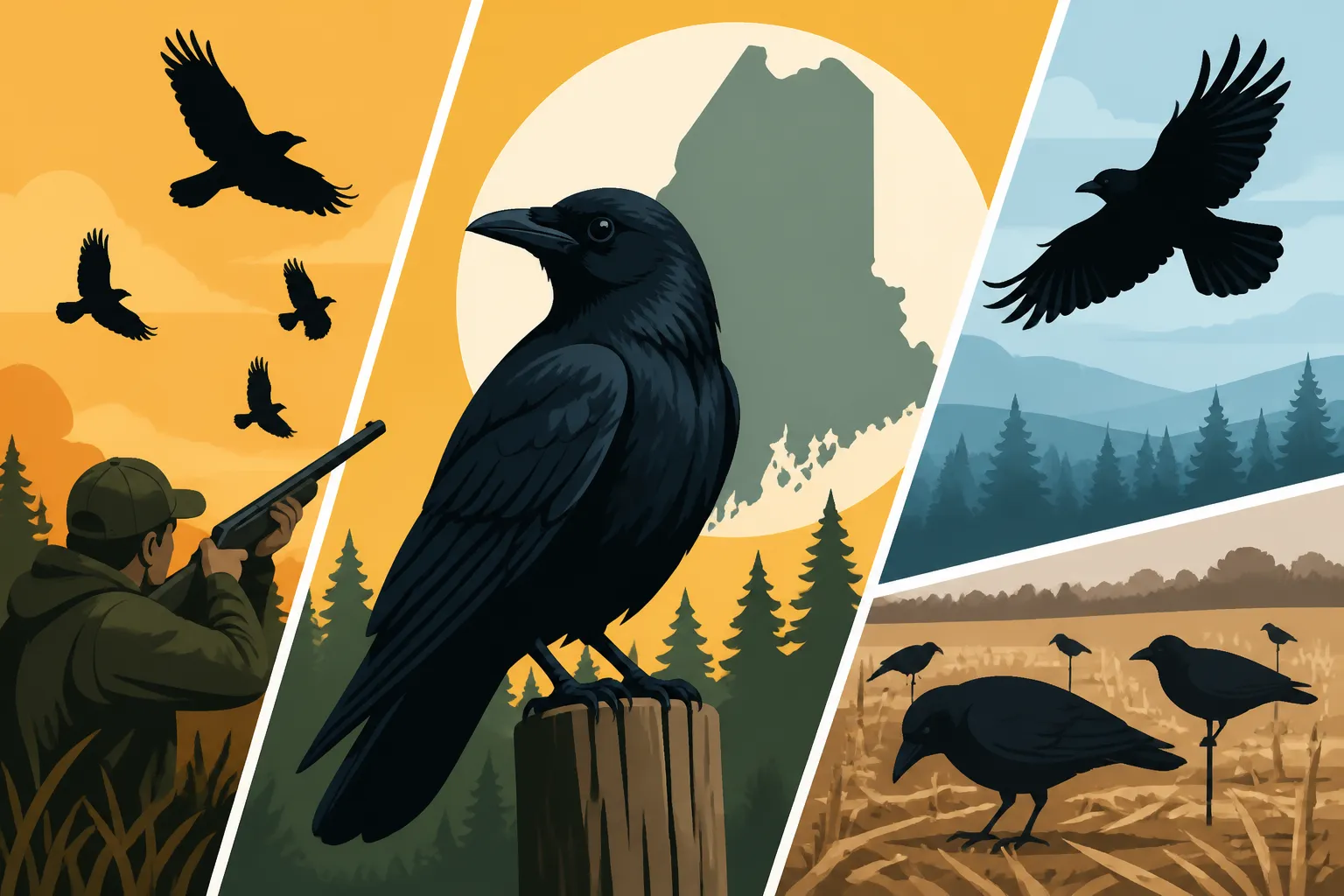
Crow Hunting Seasons and Tactics in Maine
You've been there, right? Driving down a quiet backroad in Maine, admiring the scenery, and suddenly, a murder of crows erupts from a field, cawing incessantly. They're noisy, intelligent, and sometimes, downright aggravating, especially when they're making a mess of your bird feeders or raiding crops. But for a hunter, that same ruckus can signal an exciting and challenging opportunity. Crow hunting in Maine is often overlooked, but it offers a fantastic way to sharpen your predatory skills, get outdoors during slower seasons, and even help manage a species that can be a real nuisance. This guide will walk you through the ins and outs of Maine's crow hunting seasons and share some of the most effective tactics to bring these wary birds into range.
Understanding Maine's Crow Hunting Seasons
One of the most appealing aspects of crow hunting in Maine is the incredibly generous season structure. Unlike many other game species with tightly regulated windows, crows often provide a year-round or near year-round opportunity, making them an accessible target for those looking to extend their time in the field.
The Year-Round Opportunity and Exceptions
Generally speaking, Maine offers a remarkably open season for hunting crows. For much of the year, crows are considered an unprotected species, allowing hunters to pursue them without specific closed dates. This is a huge boon for those who love to stay active with a shotgun or rifle when deer, moose, or bear seasons are long past. It means you can often be out honing your calling and concealment skills during times when other game is off-limits.
However, it's crucial to understand that "year-round" isn't always absolute. The Maine Department of Inland Fisheries and Wildlife (MDIFW) does implement specific closure periods that align with the federal Migratory Bird Treaty Act, primarily to protect nesting birds. Typically, there's a short closure, often in the spring and early summer, to allow crows to nest and raise their young undisturbed. These dates can shift slightly year-to-year, so always double-check the most current MDIFW hunting law booklet or their website before heading out. For instance, in past years, you might find a closure from roughly April to late July, but the exact dates are key. Knowing these specific regulatory periods is vital for ethical hunting and staying on the right side of the law, especially when you consider potential Maine Wildlife Violation Penalties for hunting out of season.
Why Seasons Matter for Tactics
While the open season is a gift, understanding the annual cycle of crow behavior is paramount to successful hunting. Crows are incredibly adaptable, and their habits change dramatically throughout the year, directly influencing the best tactics to employ.
During the warmer months, especially outside of the brief nesting closure, crows are often focused on foraging and feeding their young. You'll find them scattered in smaller family groups or loosely associated aggregations. They're seeking out insects, seeds, waste grain in agricultural fields, and even small vertebrates. This means your scouting might focus on Hunting a Potato Field Edge in Aroostook or a Hunting a Blueberry Barren Edge where they are actively feeding. Calling during this period can be effective with distress calls, as parents are highly protective of their young.
As autumn approaches and transitions into winter, crow behavior shifts dramatically. This is when they begin to form massive communal roosts, sometimes numbering in the thousands. These roosts can be a spectacle, and finding one is like striking gold for a crow hunter. During the day, these large flocks will disperse to feed, often flying several miles from the roost site. This creates predictable flight paths that can be intercepted. During this time, aggressive or assembly calls become more effective as you're trying to draw in larger groups. Later in the season, when snow covers the ground, understanding Late-Season Food Sources for Maine Whitetails might also give you clues to where crows are finding food, as both species often utilize similar open areas or agricultural remnants.
Essential Gear for Maine Crow Hunters
Just like any other hunting pursuit, having the right gear makes all the difference in crow hunting. Crows are known for their intelligence and exceptional eyesight, which means your equipment choices, especially for concealment and calling, need to be on point.
Firearm and Ammunition Choices
The choice of firearm largely depends on your preferred hunting style and the distance you anticipate engaging targets.
For close-range action, typically under 50 yards, a shotgun is king.
- Gauge: A 12-gauge is probably the most popular choice, offering a great balance of pattern density and recoil. A 20-gauge is also excellent, especially for smaller-framed hunters or those who prefer lighter recoil.
- Shot Size: For crows, you'll generally want smaller shot sizes to maximize the number of pellets in your pattern. #6 or #7.5 lead shot is a very popular choice. Some hunters even use #4 for a little more punch at the edge of typical shotgun ranges, but #6 is often sufficient. Steel shot can be used, but lead typically offers better patterns and energy retention.
- Choke: A modified or improved cylinder choke is often a good starting point. If crows are coming in fast and close, a more open choke spreads the pattern wider for a quicker target acquisition. If you find them hanging up a bit further out, a tighter full or extra-full choke can extend your effective range slightly.
- Stealth and Concealment: Regardless of your firearm, a matte finish on your gun or camouflaged tape can help prevent glint and shine that could spook wary birds.
If you're looking to stretch the range, particularly for solo scouting or picking off birds at greater distances, a rifle can be an option.
- Rimfire: A .22LR or .17 HMR can be incredibly effective out to 100-150 yards, especially for headshots or very precise body shots. The .17 HMR offers a flatter trajectory and is less susceptible to wind drift than the .22LR, making it a favorite for small varmints.
- Centerfire: For true long-range crow hunting, where birds are working open areas and you're set up far back, calibers like the .223 Remington or .204 Ruger can be used. However, remember that using centerfire rifles requires extreme caution, a safe backstop, and an understanding of the immense distances these rounds can travel. Ethical considerations are paramount to ensure clean kills and public safety.
Decoys, Calls, and Concealment
These elements are where you truly start to mimic the crow's world and draw them in.
- Decoys: Crows are highly social birds, and a good spread of decoys can be incredibly effective.
- Full-body decoys are realistic and visible from a distance.
- Silhouettes are more portable and still effective, especially when positioned to look like feeding or fighting crows.
- Motion decoys, particularly those with flapping wings or a rotating head, add realism and can grab a crow's attention from afar. Often, even a single motion decoy can make a static spread come alive. Position them as if they are feeding, fighting over food, or mobbing a predator.
- Calls: Crows communicate constantly, and mimicking their language is key.
- Electronic calls like those from Foxpro or other brands offer a wide range of realistic crow vocalizations, from distress calls to aggressive fighting calls and assembly calls. They allow for consistent volume and diverse sequences.
- Mouth calls require more skill but offer incredible versatility and realism. Learning to use a hand-operated crow call, often a simple reed call, can make you sound like an expert. Practice different cadences and volumes.
- Concealment: Crows have notoriously sharp eyesight, often cited as being better than a human's.
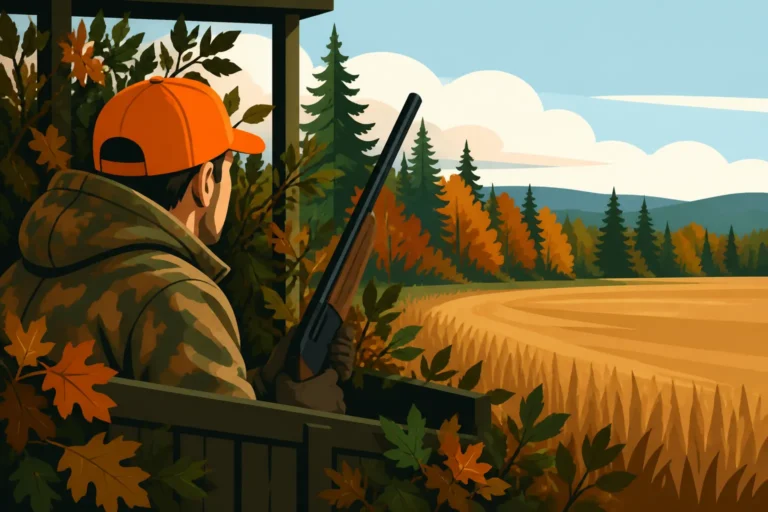
- Camouflage: Full head-to-toe camouflage, preferably in patterns that blend with the local vegetation (e.g., treestand patterns for woods, open-field patterns for agricultural areas), is essential. Make sure your face and hands are covered with a mask and gloves.
- Ground Blinds: A pop-up ground blind offers excellent concealment and helps break up your outline completely. This is often the most effective method, allowing you to move subtly and prepare for shots without being detected.
- Natural Cover: If you're not using a blind, ensure you set up against a thick backdrop like a stand of pines, a stone wall, or dense brush. Breaking up your silhouette is crucial. When scouting for potential spots, consider finding areas like a Brushing In a Blind on a Field Edge to maximize your concealment.
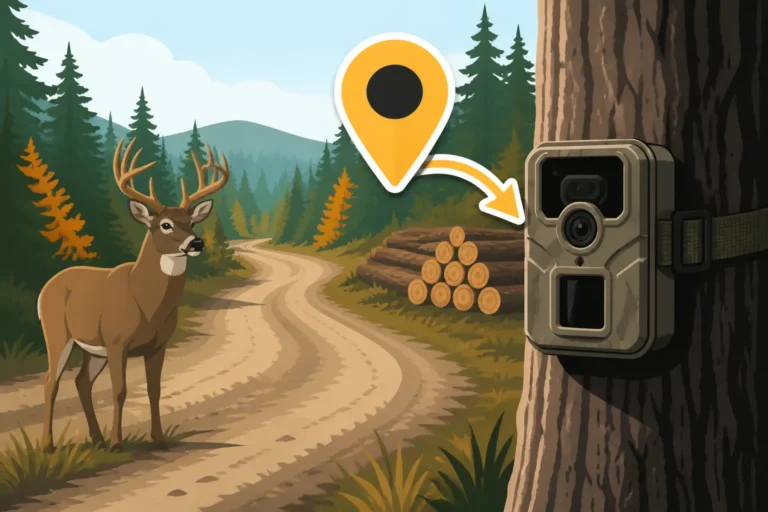
As you plan your hunt, don't forget digital tools. An app like GoHunt can be invaluable for scouting, helping you identify property lines, locate potential crow roosts or feeding areas on aerial maps, and even mark blind locations.
Effective Tactics for Maine Crow Hunting
Crow hunting is often described as akin to duck hunting, requiring careful setup, calling, and concealment. But crows add an extra layer of challenge with their high intelligence and incredible ability to learn.
Setting Up Your Ambush
Location, location, location! This is perhaps the most critical component of a successful crow hunt.
- Scouting is Key: Before you even think about setting up, you need to scout. Drive around rural areas, particularly those with a mix of woods and agriculture. Look for large concentrations of crows, listening for their noisy communications. Identify their preferred roosting sites (often dense pine stands or isolated woodlots) and their daily flight paths to feeding areas. Crows frequently feed in open fields, particularly corn or potato fields after harvest. Areas like a Hunting a Log Landing Edge or a Hunting a Powerline Cut Through the North Woods can also be hotspots where they perch or forage.
- Wind and Sun: Just like duck hunting, position yourself with the wind in your face or quartering. Crows, when responding to calls, will often try to fly into the wind to get a better look at the source, allowing for a better shot presentation. Also, try to position the sun at your back. This puts the sun in their eyes as they approach, making it harder for them to spot your blind or movement.
- Blind Placement: Your blind needs to be well-hidden. If using a pop-up blind, set it up on the edge of a field, against a hedgerow, or tucked into the woods, ensuring it blends with the surroundings. If using natural cover, choose the densest available cover, making sure it breaks up your outline completely. Avoid setting up in a lone tree or small bush in an open field; they'll spot you immediately.
- Decoy Spreads: Place your decoys about 15-30 yards from your blind, within comfortable shotgun range. A good spread will consist of 5-15 decoys, arranged to look natural. Some can be on the ground, appearing to feed or fight. Others can be placed higher on fence posts or low branches to mimic perching birds. If you have motion decoys, place them prominently within the spread. A common setup involves a few "sentinels" perched high and a larger group on the ground in a feeding or squabbling posture, often around a fake owl or hawk decoy to simulate mobbing behavior.
Calling Strategies and Sequences
Calling is the art of crow hunting, and mastering it can turn a slow day into an action-packed one. Crows respond to a variety of calls, each with a different purpose.
- Distress Calls: These are often the most effective. Mimicking a crow in distress (e.g., being attacked by a predator) triggers an immediate, aggressive response from other crows who come to investigate or mob the perceived threat. Start with loud, urgent distress calls, then vary the intensity.
- Aggressive/Fight Calls: These calls sound like two or more crows fighting. They attract curious crows who want to join the fray or see what's happening. These are great for drawing in birds that are a bit more hesitant.
- Assembly/Come-Here Calls: A series of loud, rapid "caw-caw-caw" calls signals to other crows to gather. These are useful for attracting distant birds or when you've located a large flock and want to bring them closer.
- Varying Volume and Cadence: Don't be afraid to be loud, especially when trying to reach distant crows. However, as birds get closer, soften your calls. Vary the cadence—mix long, drawn-out caws with short, sharp ones. Listen to real crows and try to imitate their diverse vocalizations.
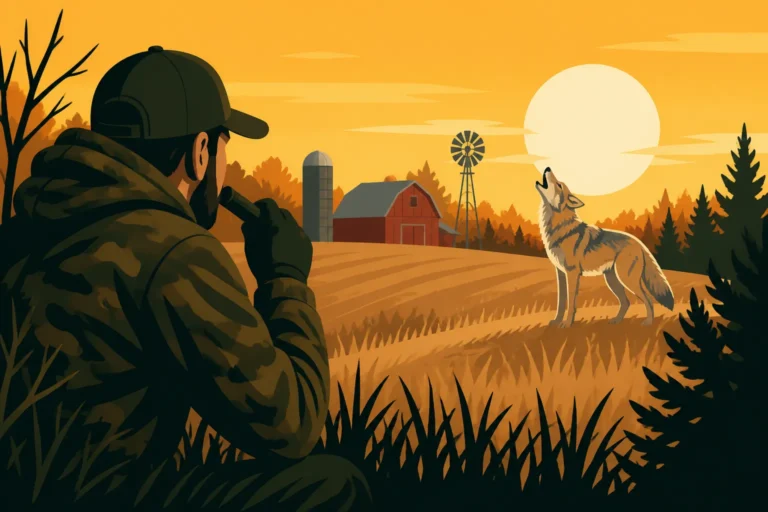
- Reading Crow Responses: Pay close attention to how crows react. If they're flying directly towards you, keep calling but perhaps less aggressively. If they're circling high and wary, switch to softer, more inquisitive calls. If they suddenly veer away, you might have called too aggressively, or they've spotted something. There's an art to calling in predators, and many of the principles for Coyote Calling at First Light can apply to crows, especially concerning sound variation and reading animal responses.
Decoying and Presentation
Once you've called them in, the presentation is everything.
- Realistic Decoy Placement: As mentioned, thoughtful decoy placement is crucial. If you're using an owl or hawk decoy (a natural predator), place it prominently, and arrange your crow decoys around it as if they are mobbing or harassing it. This can really anger approaching crows and draw them in closer.
- Motion Decoys: A well-placed flapping crow or a crow on a spinner can be a game-changer. The movement catches their eye from afar and adds a layer of realism that static decoys can't replicate.
- Shot Distances and Follow-Up Shots: Crows are tough birds. When they commit and fly into your decoys, they often come in fast and low. Be ready. Take your shot when they are within effective range (typically 25-40 yards for most shotguns). If you miss or only wound a bird, be prepared for a quick follow-up shot. Leaving wounded game is never ethical.
- Know Your Zone: Remember, the goal is not to just kill crows, but to do so effectively and ethically. Avoid sky-busting or taking shots beyond your effective range. Let them commit, make a clean shot, and enjoy the challenging action!
Advanced Tips and Ethical Considerations
Beyond the basics, there are always ways to refine your approach and ensure you're hunting responsibly.
Scouting and Patterning Crows
Crows are creatures of habit, and understanding their daily patterns is a huge advantage.
- Glassing: A good pair of binoculars or a spotting scope is invaluable for scouting. Sit at a vantage point overlooking fields and woodlots and simply watch. Observe where crows fly, where they land to feed, and where they tend to gather. Their flight patterns can often be predictable.
- Identifying Flyways and Feeding Grounds: Crows will often use the same "highways" between their roosts and feeding areas, often following rivers, power lines, or prominent ridge lines. Intercepting these flyways can be highly effective. Their feeding grounds typically include freshly tilled fields, stubble fields (especially corn or potatoes), and sometimes even near roadkill.
- Utilizing Technology: Modern hunting apps like the GoHunt app or the Maine Hunting App can overlay property lines, topographic maps, and satellite imagery, helping you pinpoint potential access points, find thick cover for blinds, and identify optimal scouting locations. You can mark observed crow movements and roost sites, creating a historical record for future hunts.
- Connecting the Dots with Other Predators: Crows are opportunistic feeders, much like coyotes. Understanding Maine Coyote Diet in Farm Country often provides insights into what kind of food sources are available and where other scavengers and predators might congregate. If coyotes are feasting on rodents or agricultural waste, chances are crows aren't far behind.
The Role of Ethics and Public Perception
Crow hunting, while legal, can sometimes draw attention, especially in more populated areas. Maintaining high ethical standards is not just good practice, it's essential for the public perception of hunting.
- Respecting Property and Landowners: Always ensure you have permission before hunting on private land. Maine has a strong tradition of implied permission, but it's always best to knock on doors and ask. Posting your presence to landowners demonstrates respect and helps foster good relations. Remember that Do You Need Written Permission in Maine? isn't always strictly required by law on unposted land, but it's a golden rule for goodwill. Clean up all your spent shell casings, leave no trash, and if you harvest birds, dispose of them respectfully and out of sight.
- Responsible Shooting: Always be aware of your surroundings and your backdrop. Crows often fly high, and shotgun pellets can travel surprisingly far. Never shoot towards houses, roads, or areas where people or livestock could be present. Know the Maine Firearms Discharge Setback Distance regulations.
- Public Perception: In areas visible to non-hunters, consider how your actions might be perceived. While you have every right to hunt legally, being discreet and respectful can prevent unnecessary conflict or negative stereotypes about hunters. If you're harvesting birds, consider processing them discreetly. Crows are perfectly edible, though not typically considered table fare by many. If not consumed, dispose of them respectfully.
Maine's generous crow hunting season provides an excellent opportunity to stay sharp, enjoy the outdoors, and challenge your hunting skills against one of the most intelligent bird species out there. With the right preparation, gear, and tactics, you can turn their noisy caws into a satisfying experience afield.
| Aspect | General Guidelines | Maine Specifics & Best Practices |
|---|---|---|
| Season Dates | Typically year-round with federal migratory bird exceptions. | Check MDIFW regulations annually; usually closed April-July for nesting. |
| Firearm | 12 or 20-gauge shotgun for close range; .17 HMR or .223 for long range. | Shotgun with #6 or #7.5 shot, Modified/Full choke for consistency. |
| Ammunition | Lead shot generally preferred for performance; steel an alternative. | Be mindful of lead shot regulations near waterways if applicable for other game. |
| Concealment | Full camouflage, face mask, gloves, ground blind or natural thick cover. | Utilize Maine's diverse cover: pine stands, stone walls, dense alder thickets. |
| Calls | Electronic calls (distress, assembly, fight) or mouth calls. | Practice various calls; distress calls often most effective, especially during non-roosting periods. |
| Decoys | 5-15 full-body, silhouette, and motion decoys. | Position decoys in feeding/fighting postures, consider an owl/hawk decoy for mobbing action. |
| Scouting | Observe flight paths, feeding areas, roosts, use mapping apps. | Utilize Scouting With the Maine Hunting App to identify property lines and potential hotspots. |
| Setup Strategy | Wind in face/quartering, sun at back, decoys 15-30 yards from blind. | Set up on field edges (e.g., Hunting a Field Edge in Late Season) or clear cuts, blend with environment. |
| Ethical Hunting | Respect landowners, ensure safe backdrops, make clean shots, pick up shells. | Always ask permission on private land, be discreet in populated areas. |
Disclaimer
Please remember that hunting regulations, seasons, and licensing requirements can change. Always consult the official Maine Department of Inland Fisheries and Wildlife (MDIFW) website or their most current hunting law booklet before planning any hunting trip to ensure you are in full compliance with all state and federal regulations. This guide is for informational purposes only and does not supersede official legal requirements.