Baiting a Bear Site Before the September Close
If you're anything like me, you've probably spent countless hours wondering if you're doing everything right when it comes to bear baiting in Maine. It can feel like a maze of regulations, best practices, and old wives' tales, especially with that hard-and-fast September closure date looming over your head. This comprehensive guide is here to cut through the confusion and give you the real-world rundown on how to successfully bait a bear site, legally and effectively, before the September 26th deadline.
Navigating Maine's Strict Bear Baiting Regulations
Maine's bear population is thriving, and bear hunting is a cherished tradition for many, but it comes with precise rules, especially for those utilizing bait. Ignoring these regulations isn't just a risk; it can lead to serious legal headaches and undermine your entire hunting season. Before you even think about putting out your first bucket of pastries, it's crucial to understand the framework you're operating within. Maine's approach to bear management is multifaceted, including various seasons and methods, but baiting has its own specific set of guidelines. This is part of what makes Maine's Three-Method Bear Season so unique, as each method has its own intricacies.
Understanding the September 26th Closure
Let's be crystal clear: September 26th is the absolute final day you are legally allowed to place or service bear bait in Maine. This isn't a suggestion; it's a hard deadline set by the Maine Department of Inland Fisheries & Wildlife (MDIFW). Many hunters get tripped up thinking they can continue to bait right up until their hunt, but that's a dangerous misconception. The intent of this rule is to transition bears from relying on bait to foraging naturally before the hunting season (which opens in late August for bait hunting) extends further into the fall.
The repercussions of ignoring this date can be severe, ranging from hefty fines to the loss of your hunting privileges. Imagine all the time, effort, and money you've invested, only for it to be undone by a simple oversight. It’s a frustrating scenario many have faced, and it’s why understanding When Maine's Bear Bait Season Closes is so vital. This cutoff applies regardless of when you plan to actually hunt over your bait, meaning if you're hunting during the last week of September, your bait site must have been last serviced on or before the 26th. It's a critical piece of the puzzle, and failing to respect it can lead to unfortunate outcomes, both for you and for the perception of responsible hunting.
Essential Permits and Legal Requirements
Beyond simply knowing the closure date, there's a whole host of permits and specific legal requirements that must be met to legally bait black bears in Maine. First and foremost, you'll need a valid Maine hunting license. But that’s just the start. You'll also need a specific bear baiting permit, which you must purchase annually from the MDIFW. This permit often requires you to register your specific bait site location with the state, ensuring that MDIFW has a record of active bait sites across the state. Using tools like GoHunt, which overlays land ownership and topography, can be incredibly helpful in ensuring your chosen site adheres to all setback requirements from roads, dwellings, and property lines.
The regulations also dictate what types of bait are permitted and, equally important, what is strictly prohibited. Generally, hunters can use most food products, like pastries, meat scraps, dog food, and grease, as long as they are non-hazardous and biodegradable. However, it is illegal to use certain items, particularly those containing metal, glass, or plastic, which could be ingested by bears or harm other wildlife. Think about the broader ecosystem; your bait site isn't just for bears. Additionally, bait sites must be clearly marked with signs stating the baiter's name and address, or their MDIFW license number. This is all part of Baiting Black Bears Legally in Maine and ensures transparency and accountability, helping to manage the overall bear harvest, which contributes to the Maine Bear Population Estimate. Take the time to review the MDIFW hunting law book thoroughly before placing any bait to avoid costly mistakes.
Strategic Site Selection and Setup
Finding the perfect spot for your bear bait site is arguably just as important as the bait itself. Bears are creatures of habit and opportunity, always looking for the path of least resistance to food and safety. A poorly chosen site, even with the best bait, will likely yield disappointing results. It's not just about what's easy for you; it's about what appeals to a bear's natural instincts and travel patterns.
Identifying Prime Bear Habitat
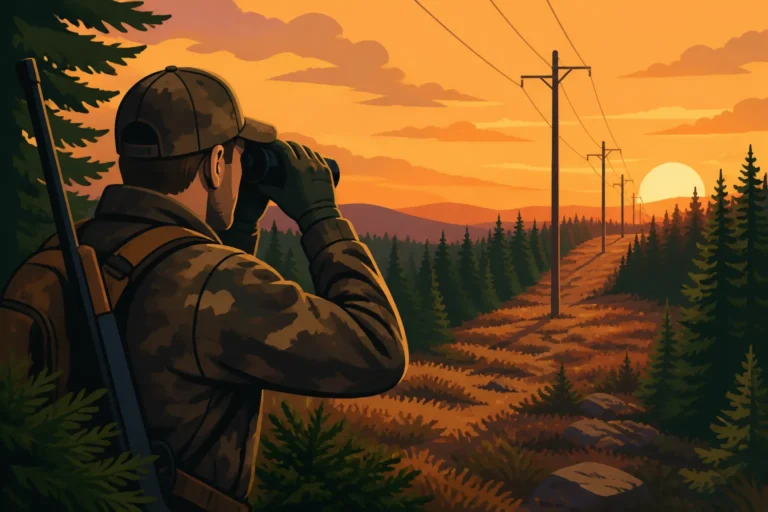
Effective site selection begins with diligent scouting. You're not just looking for any woods; you're looking for bear woods. This means actively searching for bear sign: fresh scat, large tracks in muddy areas or along game trails, claw marks on trees where they've climbed, or even rub marks where they've scratched against bark. Areas with dense cover, like cedar swamps, thick spruce stands, or regenerating clear-cuts, are often preferred by bears for bedding and security. Look for natural travel corridors, such as old logging roads, powerline cuts, or ridges that connect different habitat types. These are the highways bears use to move between feeding areas and bedding cover.
Water sources are also a huge draw, especially during warmer months. A bait site near a swamp, stream, or pond can be incredibly effective. Consider the broader landscape – is your site part of a larger network of food sources, or is it isolated? Utilize modern tools like mapping apps. Platforms such as GoHunt, for example, allow you to study aerial photos, topographic maps, and even landowner information from your couch, helping you identify potential pinch points, dense cover, and water sources without putting boots on the ground initially. This e-scouting can save you immense time and effort, allowing you to narrow down promising areas before you ever step foot in the woods, similar to how one might go about Reading Aerial Photos for North Woods Deer. After initial e-scouting, then it’s time for some boots-on-the-ground reconnaissance, perhaps even utilizing Scouting With the Maine Hunting App to mark promising spots.
Designing Your Bait Site for Success and Safety
Once you’ve identified a promising area, the actual layout of your bait site becomes critical. You need to think like a bear, but also like a hunter. The bait itself should be placed in a durable container, often a culvert pipe or a steel drum secured to a tree, to prevent other animals from easily scattering it and to prolong its availability. This also helps you control consumption and keeps the site active longer.
Crucially, consider your stand placement before you put out the bait. Your stand needs to offer a clear, ethical shot opportunity at the bait, while also allowing for a quiet entry and exit without spooking bears. Account for prevailing wind directions – you always want the wind in your face, blowing your scent away from the bait. Think about the sun's position throughout the day, ensuring you won't be staring directly into it during prime hunting hours. Establish shooting lanes from your stand to the bait, clearing any small branches or obstructions that could deflect an arrow or bullet. Also, consider the terrain for game retrieval; a dead bear in a swamp is a much tougher proposition than one on a firm ridge. Remember, a successful hunt isn't just about getting the bear to the bait; it's about getting a clean shot and a safe recovery. This thought process is very similar to how you would go about Hanging a Stand on a Private Land Field Edge, focusing on wind, concealment, and shot angles.
Maximizing Attraction with Effective Baiting Techniques
You've got your site, you've got your permit, now comes the fun part: getting those bears hooked! It’s not simply about quantity; it’s about quality, consistency, and a little bit of strategic thinking. Bears have incredible senses of smell and memory, and you want to leverage both to your advantage.
What Makes a Bear-Irresistible Bait Mix
Bears are opportunistic omnivores with a sweet tooth and a craving for high-energy foods. The best bait mixes capitalize on this. Think about foods that are:
- High-calorie: Doughnuts, pastries, bread, cookies, candy (especially chocolate, though avoid using too much due to its toxicity in large amounts to other animals like dogs).
- High-scent: Anise oil, grease, bacon fat, molasses, vanilla extract, fruit scraps. Strong, lingering odors will draw bears from a long distance.
- Persistent: Dense, harder-to-consume items like dry dog food or grain mixes can keep bears at the site longer and ensure there's something left between visits.
Many successful baiters swear by a multi-layered approach. Start with a strong scent attractant, like pouring grease or a sugary syrup on a stump near the bait, to initially grab attention. Then, fill your bait container with a mix of high-calorie sweets and more substantial, harder-to-eat items. Don't be afraid to experiment! What works best can sometimes vary by region or even individual bear preferences. Some folks will even mix old fry grease with stale bread and molasses – the stickier, smellier, and sweeter, the better. The goal is to make it so good they can't resist, and then keep them coming back for more. This consistent, high-value offering is what will establish your site as a reliable food source.
The Importance of a Consistent Baiting Schedule
Bears are highly intelligent and adapt quickly to routines. Once a bear discovers your bait site, consistency in replenishing it is paramount to keeping them coming back. A predictable schedule helps build trust and encourages bears to visit regularly, knowing that a meal will likely be there. If your bait runs out for extended periods, they might just move on to the next available food source, and you'll have to start from scratch.
Ideally, you want to be servicing your bait site every 2-3 days, or at least every 3-4 days, depending on how quickly the bait is being consumed. Trail cameras are an absolute game-changer here. They allow you to monitor activity without disturbing the site, giving you insight into which bears are visiting, when they're showing up, and how much bait they're consuming. This information is invaluable for adjusting your baiting schedule and quantity, ensuring you're putting out enough bait to keep them interested without overfeeding or wasting resources. Regularly checking your cameras, even every few days, will provide the data you need to maintain that consistent attraction right up until the September 26th deadline. Without consistency, you're essentially running a sporadically open restaurant, and bears, like customers, will eventually find a more reliable establishment.
The Final Push: What to Do Before the September Close
As the September 26th deadline draws near, your baiting strategy needs to shift gears. This isn't the time to slow down; it's the moment for a final, intense push to ensure those bears are firmly established on your site and ready for the hunting season.
Intensifying Baiting Efforts
In the weeks leading up to the September 26th closure, you want to make your bait site the absolute most attractive spot in the entire woods. This means potentially increasing the quantity of bait you're putting out, or at least ensuring it's never empty. Bears are naturally putting on weight for the upcoming winter, so their caloric needs are high. Capitalize on this by making your site an all-you-can-eat buffet of high-energy foods. Introduce new, high-value baits that might have a slightly different scent profile, stirring up their curiosity and making the site even more enticing.
Think about using stronger, more pervasive attractants, like liquid smoke or powerful sweet extracts, poured on the ground or surrounding trees to increase the scent cone. The goal is to get as many bears as possible, and specifically the biggest, most consistent bears, visiting your site daily. This period is crucial for habituating them to your specific location, reducing their wariness, and establishing clear patterns of movement. Remember, the last bait you put out on September 26th needs to last them until you hunt, so pack it heavy, make it sticky, and ensure it’s irresistible. This intensive baiting period directly impacts the success rates hunters see, which contributes to overall figures for Maine Bear Harvest by Bait Versus Hounds.
Transitioning from Baiting to Hunting
Once September 26th passes, the game changes. You are no longer legally allowed to add or replenish bait. Any bait that remains at your site is what the bears have to work with. Your focus must now shift entirely from "baiter" to "hunter." This means minimizing your presence at the site. Resist the urge to check cameras too frequently or visit the site unless absolutely necessary for a hunt. Every visit introduces human scent and disturbance, which can make bears wary, especially if they haven't seen a fresh food drop.
Prioritize your hunting efforts based on the trail camera intelligence you've gathered. Which bears are most active? What times do they typically visit? Are there any consistent patterns? Use this data to plan your hunts strategically. Confirm your stand placement, ensure shooting lanes are still clear, and mentally prepare for the actual hunt. This might involve long hours on stand, so bring appropriate gear and snacks. Understanding that the baiting phase is over and the hunting phase has begun is key. Your meticulous work setting up the site and baiting consistently should now pay off, drawing those bears in for a clean, ethical shot during legal hunting hours. The Average Weight of a Maine Black Bear can be impressive, so be prepared for a substantial animal!
Here's a quick checklist to help you stay on track with your bear baiting efforts before the September close:
| Action Item | Target Date | Notes |
|---|---|---|
| Obtain all necessary licenses and permits | Early Summer | Including hunting license and bear baiting permit. |
| Scout and select primary bait site | Late June – Early July | Use e-scouting (e.g., GoHunt) and boots-on-the-ground. |
| Set up bait container, stand, and cameras | Early July | Secure equipment, trim shooting lanes, consider wind. |
| Begin consistent baiting regimen | Early August | Start with smaller quantities, build up as activity increases. |
| Monitor with trail cameras | Throughout baiting season | Track bear visits, identify patterns, adjust bait quantity/frequency. |
| Intensify baiting efforts | Mid-September | Increase quantity, add high-value attractants to maximize draw. |
| Last legal bait placement | September 26th | Crucial deadline! Ensure plenty of bait is left for subsequent hunts. |
| Transition to hunting phase | September 27th and onward | Minimize site visits, rely on camera intel, focus on clean entry/exit. |
| Prepare for the actual hunt | Before hunting season opens | Verify gear, practice shooting, plan retrieval. |
Successfully baiting a bear in Maine before the September close is a rewarding experience that combines knowledge, patience, and meticulous planning. By understanding and adhering to the regulations, strategically selecting and setting up your site, and maintaining a consistent, attractive bait supply, you'll significantly increase your odds of a successful hunt. Remember, this is about ethical hunting and respecting the wildlife we pursue. Good luck out there, and stay safe!
Disclaimer
Please note that hunting regulations, seasons, and permit requirements can change. Always consult the official Maine Department of Inland Fisheries & Wildlife (MDIFW) website and their most current hunting law book for the most accurate and up-to-date information before engaging in any hunting activities. This guide is for informational purposes only and does not supersede official state regulations.