Brushing In a Blind on a Field Edge
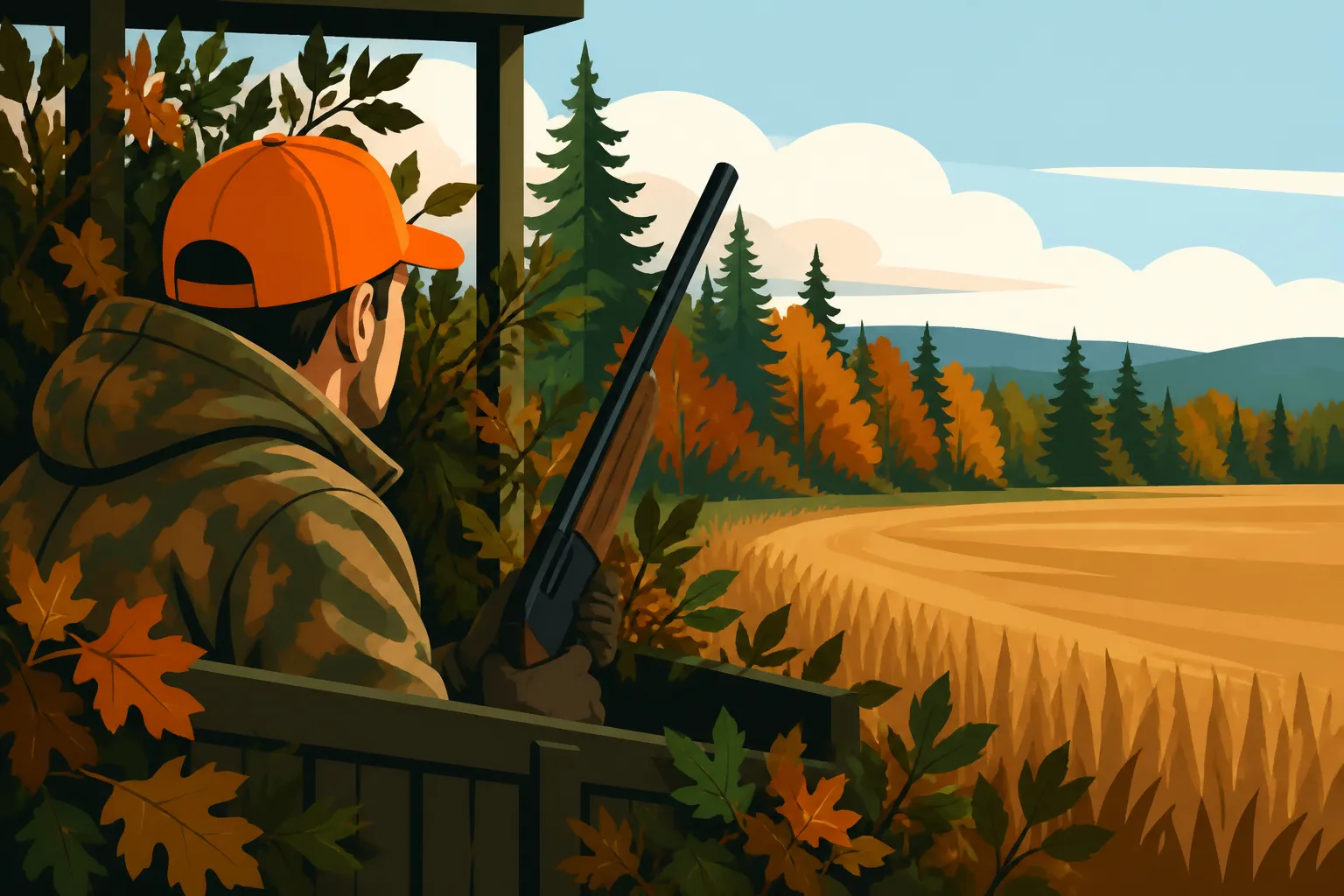
There’s nothing quite as frustrating as putting in the time to scout a perfect field edge, setting up your ground blind with high hopes, only to have deer stare right at it—or worse, flat-out blow out of the area the moment they catch a glimpse of anything unnatural. Maine deer, especially the older, wiser bucks, are masters of detecting anomalies in their environment. This guide will walk you through the essential steps and nuanced considerations for effectively brushing in a ground blind on a field edge, ensuring your setup blends seamlessly into the rugged Maine landscape and gives you the edge you need for a successful hunt.
Why Blending In is Non-Negotiable on a Maine Field Edge
Let's face it, field edges are deer magnets. Whether it's a freshly cut hayfield, a sprawling potato patch in Aroostook County, or a smaller, forgotten clover plot, these areas offer prime feeding opportunities, especially in the early and late seasons. But they also present a unique challenge: exposure. When you're sitting on the edge of an open area, you're essentially in a spotlight, and deer have incredible senses designed to pick up anything out of place.
Maine deer are not only physically robust but also incredibly wary due creatures. They've evolved to avoid predators in thick cover and open spaces alike. Their eyesight, while often debated in terms of color perception, is phenomenal at detecting movement and discerning shapes that don't belong. A dark, boxy ground blind, no matter how well-camouflaged its fabric, sticks out like a sore thumb against a natural backdrop if it's not properly integrated. Think of it from a deer's perspective: they're constantly scanning, and anything new or oddly shaped is a red flag. Furthermore, open field edges often mean swirling winds, which can carry your scent across wide areas. While brushing in won't eliminate scent, a well-blended blind allows you to set up in areas where wind direction might be less consistent without immediately alarming deer by visual cues. This careful approach is particularly crucial if you're hunting during the intense period of 'Hunting the Rut in Early November', when bucks are moving more, but also on high alert.
Choosing the Right Materials and Location for Your Brush Blind
The foundation of a successful brush-in starts long before you ever carry your blind to the field edge. It begins with careful scouting and selecting the right materials. The goal isn't just to hide your blind, but to make it disappear into its surroundings, as if it sprouted there naturally. This means using vegetation that is native and abundant in the immediate vicinity.
Consider the types of trees and shrubs that grow along the specific field edge you're targeting. Are there dense stands of young spruce, fir, or cedar? These evergreens offer fantastic, dense cover that holds up well through changing weather. Perhaps you're along a more deciduous edge, with maples, oaks, or alders. While these lose their leaves, their bare branches can still provide excellent skeletal structure for layering other materials. Often, I'll combine the two, using evergreen boughs for bulk and deciduous branches for a more natural, varied look. Don't be afraid to harvest some taller grasses or goldenrod from nearby if it matches the field edge. When you're scouting, use tools like GoHunt to analyze aerial imagery and topo maps. This can help you identify pockets of dense cover or natural funnels where deer might enter the field. Understanding the terrain and existing vegetation through these mapping applications is paramount for planning where to 'Hanging a Stand on a Private Land Field Edge' or, in this case, a ground blind.
Location, location, location. This isn't just about finding where the deer are. It's about finding where you can effectively hide. Look for natural depressions, existing clumps of brush, fallen trees, or the edge of a timberline where you can tuck your blind in. Avoid placing it on an exposed Knoll or in the middle of a sparse line of trees. Think about the sun's position throughout the day – you don't want the sun glaring off your blind, or worse, silhouetting you inside. Also, seriously consider wind direction. Even the best-brushed blind won't fool a deer's nose if the wind is blowing your scent directly into their travel corridor. Sometimes, a slightly less active travel route with a consistent favorable wind is better than a primary route with unpredictable thermals, especially when you consider 'Wind and Thermals in Maine Hill Country'.
Here's a quick comparison of common natural brushing materials:
| Material Type | Pros | Cons | Best Use |
|---|---|---|---|
| Spruce/Fir Boughs | Dense, holds needles well, year-round cover | Can be heavy, requires cutting fresh for best appearance | Excellent bulk, outer layer, structural support |
| Cedar Branches | Extremely dense, long-lasting aroma | Can be brittle, sharp needles | Inner layers for added depth, aromatic deterrent (some claim) |
| Deciduous Branches | Natural appearance, lightweight | Loses leaves (less cover in late season), wilts quickly | Skeleton, early season cover, inner layers for varied texture |
| Tall Grasses/Weeds | Blend with field, lightweight, subtle | Limited cover, wilts very quickly | Filling small gaps, softening edges, blending with field crops |
| Fallen Logs/Stumps | Natural anchors, structural foundation | Immovable, limited flexibility | Permanent natural blind elements, blend into existing obstacles |
Step-by-Step Guide to Brushing In Your Field Edge Blind
Once you've scouted your location and gathered your materials, it's time to get to work. Remember, the goal is total concealment, not just partial. A half-hearted attempt is often worse than no attempt at all, as it creates an obvious, poorly disguised lump.
- Clear a Small Footprint: Before setting up your blind, clear out any dead leaves, sticks, or loud debris from the immediate area where your blind will sit. You want to minimize noise when shifting inside. This also prevents potential scents from decomposing organic matter from lingering.
- Position and Anchor Your Blind: Set up your ground blind where you intend to hunt. Make sure it's stable and oriented correctly for your shooting lanes and prevailing wind. If your blind has tie-down straps, use them to anchor it firmly, especially if it's exposed to strong winds common in 'Hunting Downeast Coastal Cover' or open fields.
- Build a Base Layer: Begin by placing larger, denser pieces of vegetation around the bottom of the blind. Think of this as the skirt. Use spruce or fir boughs, or thick deciduous branches, making sure they touch the ground and extend slightly away from the blind. This breaks up the hard lines of the blind's base and prevents deer from seeing directly underneath it. The deeper you make this base, the better, as it creates a shadowed area that further obscures the blind's profile.
- Layer Upwards and Outwards: Work your way up the blind, layering smaller branches and boughs, weaving them into the blind's existing brush loops or strapping them to the frame with zip ties or twine. Overlap branches to create depth and eliminate any "windows" where light could shine through. Focus on breaking up the square shape of the blind. Vary the types of vegetation you use to match the surrounding environment perfectly. If there are dead branches on the ground, use some of those too to make it look like a natural brush pile. This attention to detail is essential, especially when deer are highly active during the early stages of 'Maine's Four-Week Firearms Deer Season'.
- Camouflage the Roof: Don't forget the top! Birds and even deer from higher ground can spot an uncamouflaged roof. Lay lighter boughs or branches on the roof, especially around the edges, to further break up the silhouette. If there's overhead tree cover, this is less critical but still beneficial.
- Create Shooting Lanes (and nothing more): Once the blind is fully brushed in, carefully create your shooting lanes. Use hand pruners to snip branches, ensuring you only remove what's absolutely necessary for a clear shot. Resist the urge to create wide-open windows. A narrow lane forces you to be more precise and keeps your concealment intact. Always shoot through the smallest opening possible, and make sure your lanes are clear of any small twigs that could deflect an arrow or bullet.
- Scent Management: Even with the best visual concealment, scent can betray you. After brushing in, spray down the outside of your blind and the fresh vegetation with a scent-eliminating spray. Leave the blind to air out for several days, if possible, allowing human scent to dissipate. Consider using natural cover scents like pine or cedar to further blend in. This is a crucial element for success when hunting close to animals, just like when you are 'Using a Ground Blind on Posted-Free Land'.
Maintaining and Enhancing Your Brushed Blind Throughout the Season
Brushing in isn't a one-and-done task. As the season progresses, conditions change, and your blind will need attention. Leaves will wilt and fall, evergreen needles will dry and drop, and snow or ice can compact your cover.
- Refresh Regularly: Make it a habit to check on your blind every few weeks, or before each hunt if possible. Replace wilted or dead vegetation with fresh cuttings. This not only maintains concealment but also reintroduces fresh, natural scents. If you are hunting a 'Late-Season Food Sources for Maine Whitetails', the surrounding foliage might look completely different than it did in September.
- Adjust for Changing Seasons: Maine's fall colors are beautiful, but they mean your early-season green brush-in will stick out like a sore thumb by mid-October. As leaves change to reds, oranges, and yellows, incorporate similar deciduous branches. When they drop entirely, focus on bare branches, evergreens, and perhaps even some lighter-colored grasses to mimic dormant vegetation. As snow arrives, add some white elements or snow-covered boughs if available. The appearance of snow also impacts deer movement, making it easier for you to be successful if you know 'Tracking a Deer in Fresh Maine Snow'.
- Monitor Deer Reaction: Pay close attention to how deer react to your blind. If they're pausing, staring, or veering away, it's a sign that your concealment might need improvement. Sometimes, it's a small detail, like a reflective surface on your blind's window screen or a piece of unnatural material showing through. Review your GoHunt satellite imagery or photos of the blind from a deer's perspective to identify problem areas. This vigilance is key to adapting your strategy and maximizing your chances.
- Add Layers with Time: Over time, as you accumulate more brush, your blind will become even more effective. Consider creating a small perimeter of natural brush piles around the blind, slightly outside your shooting lanes. These extra layers of natural cover can help funnel deer and make your blind feel even more integrated into the landscape. This kind of detailed habitat observation is similar to the patience required for 'Reading a North Woods Deer Yard' to understand deer patterns.
- Scent Control is Always Key: Even with a perfectly brushed-in blind, maintaining strict scent control when entering and exiting is crucial. Park your vehicle far away, use dedicated hunting clothes washed in scent-free detergent, and spray down thoroughly. Establish clear 'Entry Routes Through a Cut Cornfield' or along natural cover that minimize disturbing the area around your blind.
By taking the time to properly brush in your ground blind on a field edge, you're not just hiding; you're becoming a part of the landscape. This dedication to detail will pay dividends, allowing you to get closer to those elusive Maine whitetails and increase your odds of a successful hunt.
Disclaimer
Please note that hunting regulations and land access rules can change. Always consult the most current Maine Department of Inland Fisheries and Wildlife (MDIFW) regulations and obtain proper landowner permission before hunting. This guide is for informational purposes only and does not supersede official regulations or legal requirements.