Maine Muzzleloader Season Dates by WMD
It can be incredibly frustrating to pore over the Maine hunting regulations, trying to pinpoint the exact dates for muzzleloader season, only to realize that the rules aren't uniform across the entire state. Maine's Wildlife Management Districts (WMDs) add a layer of complexity that can leave even seasoned hunters scratching their heads, especially when you're trying to figure out which WMDs offer those precious extra days of late-season opportunity. This comprehensive guide is here to untangle that web for you, breaking down the muzzleloader season dates by WMD so you can plan your hunt with confidence and clarity.
Understanding Maine's Muzzleloader Season Structure
Maine's approach to deer hunting seasons is designed to manage its diverse whitetail population, which varies significantly from the dense forests of the North Woods to the more populated southern regions. Muzzleloader season is a distinct period, offering a unique challenge and opportunity for hunters after the general firearms season has closed.
The Basics of Maine's Muzzleloader Season
For many, the crack of a muzzleloader brings to mind a sense of tradition and a slower pace of hunting, a chance to connect with the past while still pursuing modern whitetails. Maine's muzzleloader season typically follows directly on the heels of the general firearms season, usually stretching into the first week or two of December. It's a fantastic opportunity to hunt deer that have settled into their late-season patterns, often with a fresh blanket of snow on the ground, making tracking a real possibility.
One crucial detail is that to participate, you'll need a specific permit. Understanding the Maine Muzzleloader Permit Costs, whether you're a resident or non-resident, is essential before you even start looking at WMD dates. These permits are separate from your general hunting license and allow you to hunt during this special timeframe. The added challenge of single-shot capability and black powder ballistics makes it a rewarding experience for those who embrace it.
Why Wildlife Management Districts (WMDs) Matter
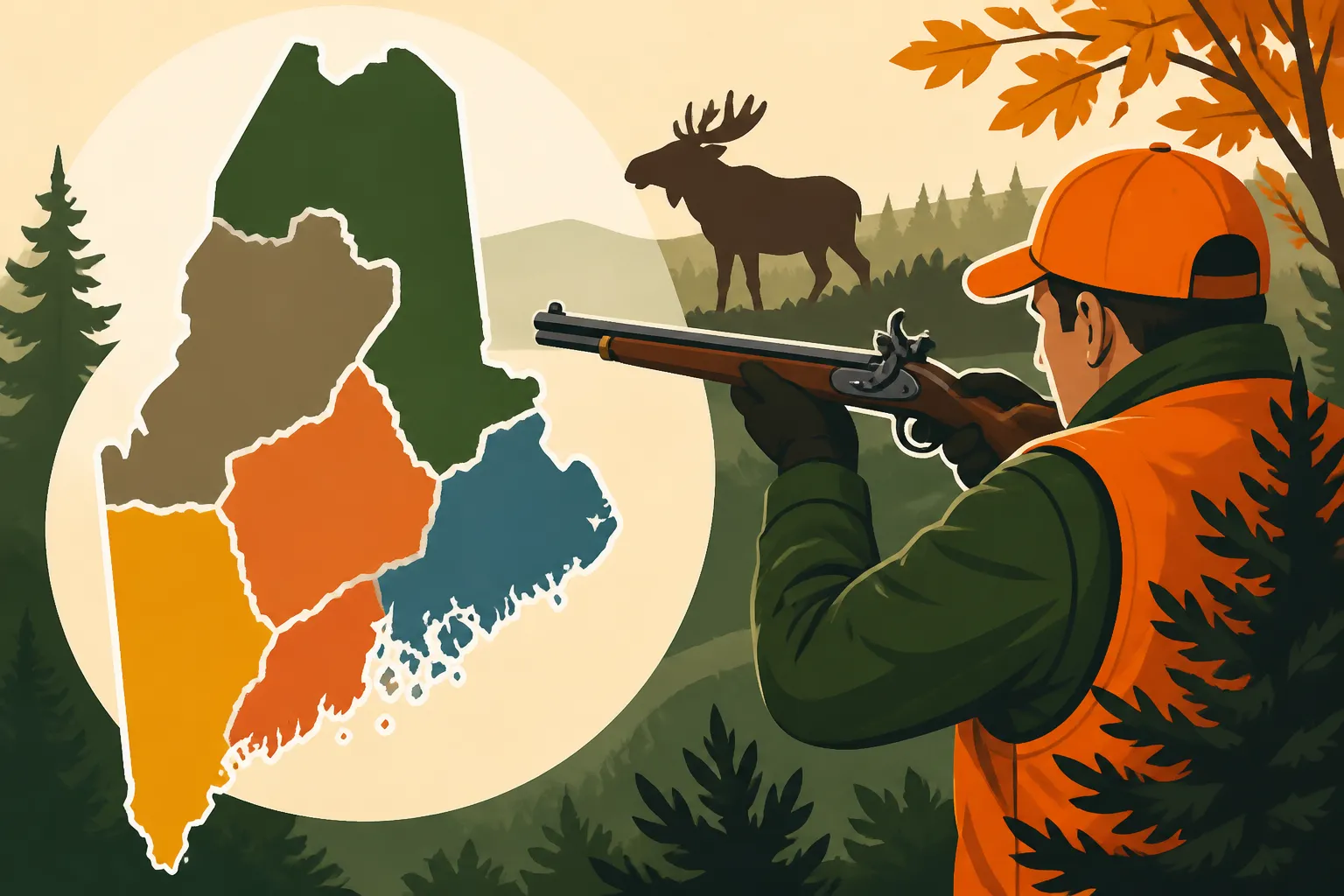
Maine is a big state, and the deer herd doesn't behave the same way in Aroostook County as it does in Cumberland County. That's where Wildlife Management Districts, or WMDs, come into play. These districts are geographical areas defined by the Maine Department of Inland Fisheries and Wildlife (MDIFW) to better manage wildlife populations based on habitat, population density, and hunter pressure. For muzzleloader season, this means that while there's a general statewide season, certain WMDs offer an extended season.
These extensions aren't arbitrary; they're based on scientific data about deer populations, winter severity, and landowner tolerance. WMDs with higher deer densities or those targeted for population management might have longer seasons to help achieve specific harvest goals. Conversely, WMDs with more fragile deer populations, often in the deeper North Woods where winters are harsher, might stick to the shorter, standard season to protect the herd. Ignoring these WMD boundaries could lead to hunting out of season, which is a mistake no one wants to make.
Deciphering WMD-Specific Muzzleloader Dates
Navigating the nuances of WMD-specific dates can feel like cracking a code, but with the right resources, it becomes much clearer. The key is knowing where to look and understanding what each date signifies for your chosen hunting grounds.
How to Find Your WMD and the Dates
The first step is always knowing which WMD you intend to hunt in. This might seem obvious, but if you're hunting private land or a new area, verifying the WMD is critical. Many hunters use mapping applications like GoHunt, which can overlay WMD boundaries onto property lines and topographical maps, making it incredibly easy to see exactly where you stand, literally. The Maine Hunting App, available from the MDIFW, is another fantastic resource that often includes interactive WMD maps and the latest regulations, updated annually.
Once you know your WMD, you'll consult the official MDIFW hunting season dates. These are usually published well in advance of the season, typically in the spring or summer. They'll clearly outline the general muzzleloader season, and then specifically list Which WMDs Get Extended Muzzleloader Season. Don't just assume; always double-check the current year's regulations, as dates and WMD extensions can shift slightly from year to year based on management objectives.
The Standard Muzzleloader Window
For most of Maine, the muzzleloader season typically runs for a specific period after the general firearms deer season concludes. This standard window usually lasts about one to two weeks. It's designed to give hunters another opportunity to harvest a deer before the really deep snows of winter settle in, but without adding excessive pressure during the primary firearms hunt.
During this standard period, all WMDs that are open to muzzleloader hunting will follow these dates. If you're hunting in a WMD that doesn't have an explicit extension, these are the dates you'll be adhering to. It’s important to remember that this season still often requires you to carry the appropriate muzzleloader permit. For residents, this means understanding your Maine Resident Muzzleloader Permit Cost, and for non-residents, the Maine Nonresident Muzzleloader Permit Cost will be a factor in your planning.
Extended Opportunities: Which WMDs Offer More Time?
This is where the WMD system really impacts muzzleloader hunters. A select number of WMDs, primarily in the southern and central parts of the state where deer populations are more robust and can sustain additional harvest pressure, offer an extended muzzleloader season. These extensions can add anywhere from a few extra days to an entire week or more, pushing the season closer to mid-December.
For example, WMDs like 15, 16, 17, 20, 21, 23, 24, and sometimes others, have historically provided these extended opportunities. The reasoning behind these extensions is often tied to urban or suburban deer management, where controlling deer numbers helps reduce deer-vehicle collisions and property damage, or in areas with very high deer densities that can bounce back quickly from a longer harvest. This extra time is invaluable for hunters who might not have filled their tags during the earlier seasons or those who simply relish the late-season challenge. The later in the season you hunt, the more critical it becomes to understand deer behavior, like where they seek Late-Season Food Sources for Maine Whitetails or shelter in extreme cold.
Key WMDs with Muzzleloader Season Dates
Let's break down some of the general patterns you can expect across Maine's WMDs when it comes to muzzleloader season. While exact dates vary annually, the tendency for certain regions to have longer or shorter seasons remains fairly consistent.
Southern Maine WMDs: Maximizing Your Opportunity
WMDs in Southern Maine (like 15, 16, 17, 20, 21, 23, 24, 25, 26, 27, 29) are often your best bet for extended muzzleloader opportunities. These areas typically have higher deer densities and milder winter conditions compared to the northern reaches of the state. This means the MDIFW can afford to offer a more liberal hunting season without negatively impacting the deer herd's long-term health.
The extended seasons in these WMDs can be a game-changer. Imagine having an extra week into mid-December to pursue a wary buck. By this time, many leaves are down, some snow may have fallen, and deer are often concentrating on specific food sources, making them more predictable. However, higher deer densities also mean more hunting pressure, so scouting thoroughly and knowing where Hunting Small Woodlots Near Portland or other dense areas might offer overlooked opportunities is key. It's a different game than the North Woods, demanding adaptability.
| WMD Range | Typical Muzzleloader Season Length | General Deer Population Density | Common Management Goals |
|---|---|---|---|
| 1-14, 18, 19 | Standard (1-2 weeks) | Low to Medium | Population maintenance |
| 15-17, 20-27 | Standard to Extended (up to 3 weeks) | Medium to High | Population reduction/maintenance |
| 28, 29 | Extended (up to 3 weeks) | High | Population reduction |
Note: This table provides general tendencies. Always consult the current year's official MDIFW regulations for precise dates.
Central Maine WMDs: Balancing Act
Central Maine WMDs (such as 18, 19, 22, 25, 26) often fall somewhere in the middle. Some might offer a standard season, while others might get a short extension, depending on localized deer populations and specific management goals for that year. These areas can be a fantastic compromise, offering good deer numbers without the extreme pressure sometimes found in the southernmost WMDs or the challenging logistics of the deep North Woods.
Hunters in these zones might find success targeting transition areas between agricultural fields and woodlands, or along river bottoms where deer seek cover. The weather can be a mixed bag in central Maine in early December, ranging from mild and rainy to frigid with significant snowfall. Being prepared for anything is essential for a successful hunt during this period. Understanding the specific WMD boundaries, perhaps with the help of a tool like GoHunt, becomes even more important here, as a few miles can be the difference between a standard and an extended season.
Northern Maine WMDs: Shorter Windows, Greater Challenge
When you venture into the Northern Maine WMDs (like 1-14, 18, 19, especially the more remote ones), you'll generally find shorter, standard muzzleloader seasons. The reasons are clear: harsh winters, deep snow, and more scattered deer populations make it crucial to protect the herd. While the challenge is greater, the reward of a North Woods buck taken with a muzzleloader is profound.
These WMDs close earlier to give the deer a better chance to recover and build fat reserves before the brutal winter sets in. Hunters targeting these areas during muzzleloader season need to be prepared for true wilderness hunting. This means being proficient in skills like Tracking a Deer in Fresh Maine Snow, understanding where Maine Deer Wintering Yards Explained are, and being ready for deep snow and extreme cold. It’s not for the faint of heart, but for those who embrace it, it’s an unparalleled experience.
Planning Your Muzzleloader Hunt by WMD
Once you've identified your target WMD and confirmed the dates, the real planning begins. Muzzleloader season, particularly in December, presents unique challenges and opportunities that require specific strategies.
Scouting for Late Season Success
Effective scouting is always crucial, but it takes on a different dimension in the late season. With leaves mostly off the trees, visibility increases, but deer patterns shift dramatically. They become incredibly focused on food and cover. This means identifying Late-Season Food Sources for Maine Whitetails like lingering apples, oak flats with acorns (if it wasn't a poor acorn year), browse in clear-cuts, or even standing cornfields if you have access to agricultural land. Deer will stick close to these food sources, especially in cold weather.
Beyond food, you'll need to locate bedding areas that offer thermal cover, such as dense cedar swamps or thick conifer stands. These areas protect deer from the biting wind and cold. Look for concentrated tracks leading from these bedding areas to food sources. Using mapping tools like GoHunt to analyze aerial photos for thick cover and potential food plots can give you a significant advantage. Focus your efforts on these pinch points and travel corridors between food and bed. For those willing to put in the legwork, finding fresh sign in these areas is the biggest step towards success.
Equipment Considerations for Muzzleloader Hunting
Hunting in December in Maine means you need to be prepared for cold. Your equipment choices, both for your muzzleloader and your personal gear, are paramount.
- Muzzleloader Specifics: Ensure your muzzleloader is sighted in accurately and you're comfortable with its loading and firing sequence in cold, gloved hands. Practice with the same powder and bullet combination you'll be using. Consider a modern in-line muzzleloader for easier cleaning and better accuracy, but respect the tradition of traditional side-lock if that's your preference. Always carry extra primers or caps in a waterproof container, as moisture is the enemy of black powder.
- Layered Clothing: This cannot be stressed enough. Maine's December weather can be highly variable. Start with a good wicking base layer, add insulating layers (fleece, down), and finish with a waterproof/windproof outer shell. Your outer layer should also meet Maine Blaze Orange Requirements for safety.
- Footwear: Insulated, waterproof boots are non-negotiable. Cold, wet feet will end your hunt quickly.
- Hand Warmers and Hot Beverages: Small luxuries that make a huge difference during long sits.
- Optics: A good pair of binoculars is vital for spotting deer in open late-season woods.
Remember, dressing for the Cold-Weather Sitting Strategy in Maine means dressing for significantly colder temperatures than you might experience while walking. You'll be sitting still for long periods, losing body heat.
Permits and Licenses
Before you even step into the woods with your muzzleloader, confirm you have all the necessary permits and licenses.
- Maine Hunting License: This is your foundational license.
- Muzzleloader Permit: As mentioned, this is specific to the muzzleloader season. You can often purchase these online through the MDIFW portal or at authorized agents.
- Antlerless Deer Permit (if applicable): If you intend to harvest an antlerless deer and are hunting in a WMD where an antlerless permit is required, ensure you've applied for and received one. Some WMDs allow antlerless deer during muzzleloader season without a permit, but many require it. Always check the specific regulations for your WMD.
- HIP Certification: If you plan on any migratory bird hunting (though unlikely during muzzleloader deer season), you'll need this.
It’s always a good idea to keep digital copies of all your licenses on your phone, in addition to physical copies, as backup. While Maine doesn't explicitly mention it, being prepared to show your license, perhaps via a handy app like GoHunt, is always prudent.
Tips for Success in the Late Season
Hunting in the muzzleloader season, especially in December, is a unique experience. The woods are quieter, fewer hunters are often out, and the challenges are different.
Cold Weather Hunting Tactics
Success in late-season Maine often comes down to enduring the elements. Your Cold-Weather Sitting Strategy in Maine should prioritize warmth. Consider using a ground blind that offers some wind protection, or find natural cover that blocks the wind. A small, portable heater can be a game-changer if hunting from an enclosed blind.
Beyond staying warm, remember that deer also struggle with the cold. They will move less and gravitate towards dense cover and direct sunlight to conserve energy. Adjust your hunting hours to target the warmest parts of the day, typically mid-morning to mid-afternoon, when deer are most likely to be up and moving, feeding, or stretching. Don't be afraid to still-hunt slowly through dense cover where deer are trying to escape the cold.
Locating Late-Season Food Sources
As the season progresses and temperatures drop, green vegetation disappears, and food sources become scarce. Deer will key in on whatever high-energy foods are left. This often means browsing on young saplings and regenerating clear-cuts, or seeking out hard mast if available. A "poor acorn year" can significantly alter deer movement, pushing them to other food sources.
Look for sign around:
- Apple orchards: Any remaining apples, even frozen ones, will be a draw.
- Standing corn or bean fields: These are prime locations if you have permission to hunt them.
- Regenerating clear-cuts: Tender browse is a crucial winter food source.
- Cedar swamps: These not only offer thermal cover but also provide browse that deer will utilize when other foods are gone.
If you can find a reliable, unpressured food source, you've likely found a hunting hotspot.
Navigating Snow and Ice Conditions
Maine in December often means snow, and sometimes ice. While snow can make tracking deer easier, it also presents challenges. Deep snow can hinder your movement and make dragging a harvested deer a monumental task. If you're hunting in areas prone to heavy snowfall, be realistic about your ability to retrieve a deer. Knowing how to prepare for Dragging a Deer Out of a Cedar Swamp or other difficult terrain is essential.
Ice can make walking treacherous, especially on logging roads or uneven terrain. Always prioritize safety. Foot traction devices like microspikes can be invaluable. If you're tracking in fresh snow, keep in mind that deer will often use easier travel routes like old logging roads or frozen waterways to conserve energy. This can give you an edge in predicting their movement.
Tracking in Fresh Maine Snow
For many, the first fresh snow of muzzleloader season is a dream come true. Tracking a Deer in Fresh Maine Snow is an ancient art and a highly effective late-season tactic. A fresh snowfall blankets the ground, revealing every deer movement, making it possible to pick up a track and follow it. Look for large, clear tracks indicating a mature buck, especially if accompanied by drag marks from hooves (a sign of a heavy deer).
When tracking, pay attention to the deer's gait and behavior indicated by the tracks. A fast, erratic track might mean the deer is spooked, while a steady, deliberate pace suggests it's feeding or simply moving. Be patient, use the wind to your advantage, and always be ready for a shot. The quiet nature of snow can also help muffle your steps, allowing for a closer approach. However, if darkness approaches, be aware of the challenges of Blood Trailing After Dark in Maine, and always carry a powerful headlamp or flashlight.
Conclusion
Hunting Maine's muzzleloader season is more than just an extension of deer season; it’s an entirely different experience, steeped in tradition and punctuated by the stark beauty of winter. By understanding the intricacies of the WMD-specific dates, diligently scouting for late-season patterns, and preparing for the unique challenges of cold weather, you can significantly increase your odds of success. Whether you're chasing a big North Woods buck in WMD 4 or patiently waiting for a deer to step out onto a field edge in WMD 23, the muzzleloader season offers a profound connection to the landscape and the rhythm of the wild.
Disclaimer
Please remember that hunting regulations, including season dates and permit requirements, can change annually. Always consult the most current official Maine Department of Inland Fisheries and Wildlife (MDIFW) regulations before planning and embarking on any hunt. This article provides general information and should not be considered a substitute for official legal guidance.