Maine Turkey Checking Requirements
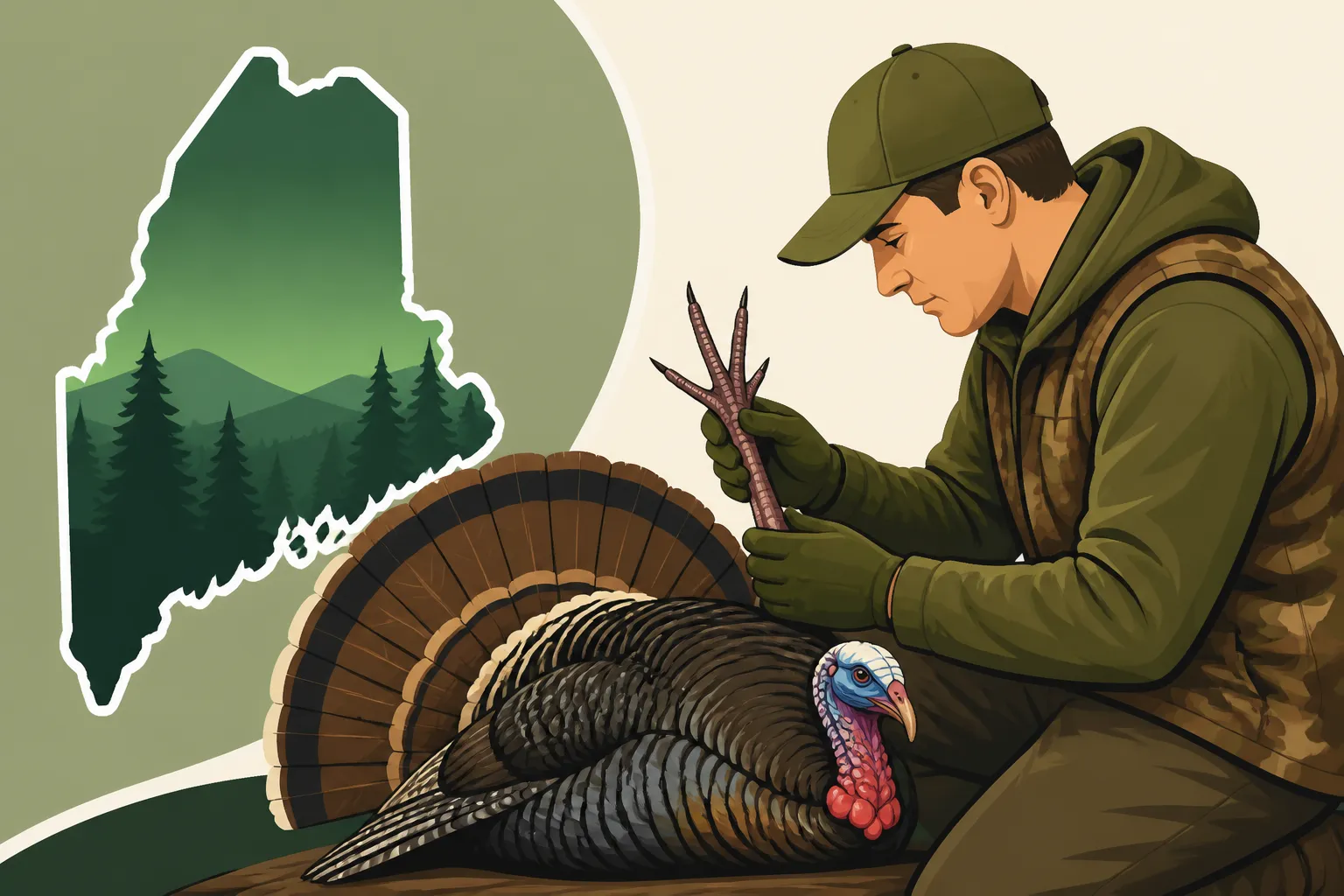
You’ve just made a successful shot, and your heart is pounding as you walk up to that magnificent Maine gobbler. All that hard work, scouting, and calling has paid off! But then, a moment of confusion sets in: what exactly do you need to do now to make sure you’re legal? This guide is here to unravel the often-misunderstood process of Maine's turkey checking requirements, walking you through every step to ensure your harvest is properly reported and you can celebrate your success without a nagging worry.
Understanding Maine's Turkey Tagging System
Harvesting a wild turkey in Maine is a thrill, whether it’s a strutting gobbler in the spring or a flock member during the fall season. But the excitement of the moment can sometimes overshadow the critical steps that come immediately after. It's not just about filling your tag; it's about doing it correctly and promptly.
The Basics of Your Turkey Tag
Your turkey tag isn't some extra piece of paper you get; it's an integral part of your hunting license in Maine. When you purchase your Maine Spring Turkey Permit Rules or Maine Fall Turkey Permit Rules, you'll notice a dedicated section or tear-off tag for your turkey. This isn't just a souvenir; it's your legal proof of harvest. The very first thing you must do after recovering your bird is to immediately attach this tag to it. I’ve heard countless stories, and experienced a few myself, where hunters, caught up in the excitement, forget this crucial step, only to realize it later down the road. It’s always best to take a moment, compose yourself, and handle the tagging right there in the field.
The tag will require you to record specific information: the date and time of the kill, and the Wildlife Management District (WMD) where you harvested the bird. Knowing your WMD is paramount, as Maine operates on a WMD-based system for many of its game species, including turkeys. If you're unsure about your WMD while out in the field, a good GPS app or even a traditional map can help. Many hunters use mapping tools like GoHunt, which can layer WMD boundaries right onto their maps, making identification straightforward. It’s important to fill this out accurately because these details are vital for the state to manage its turkey populations effectively.
Why Proper Tagging Matters So Much
Proper tagging isn't just a bureaucratic hoop to jump through; it's a fundamental part of responsible hunting and conservation. The legal implications of not tagging your bird immediately can be severe, ranging from fines to even losing your hunting privileges. Imagine all that effort you put into Calling an Early May Gobbler Off the Roost or scouting for fall birds, only to jeopardize it by overlooking this simple step. The tag identifies your bird as legally harvested and belonging to you, preventing any misunderstanding with game wardens or fellow hunters.
Beyond the legal aspect, the data collected from properly tagged and registered turkeys directly contributes to sound wildlife management. Each tag provides critical information to the Maine Department of Inland Fisheries and Wildlife (MDIFW) regarding the total harvest, success rates, and the health of local turkey populations. This data helps them make informed decisions about future seasons, bag limits like Maine's WMD-Based Turkey Bag Limits, and conservation efforts. So, while it might feel like a minor detail when you’re celebrating a successful hunt, your diligence in tagging is actually playing a vital role in ensuring healthy turkey populations for generations of hunters to come.
The Step-by-Step Turkey Registration Process in Maine
Once your turkey is properly tagged in the field, the next crucial step is official registration. Maine has evolved its system over the years to make this process as convenient as possible for hunters.
Traditional Check Stations vs. Online Registration
For a long time, the image of a hunter bringing their deer or turkey to a local general store or sporting goods shop to be weighed and registered was a quintessential part of the Maine hunting tradition. These "check stations" were often community hubs where stories were swapped, and successful hunters were celebrated. While this option still exists and is cherished by many, Maine now offers a modern, efficient alternative: online registration.
The biggest advantage of online registration is convenience. You can register your bird from virtually anywhere, as long as you have an internet connection, whether it's from your camp deep in the woods or your living room couch. This is a huge benefit, especially for hunters in more remote areas where a physical check station might be a long drive away, or for those who harvest a bird outside of typical business hours. The online system is available 24/7 during the season. However, some hunters prefer the camaraderie and tangible confirmation of a physical check station. They enjoy the interaction, the chance to compare their bird with others, and the immediate receipt of a physical validation. The choice often comes down to personal preference and logistical feasibility.
Using the Maine IFW Online System or App
If you opt for online registration, the process is quite straightforward and can be completed via the Maine Department of Inland Fisheries and Wildlife (MDIFW) website or their dedicated mobile app. This is often the quickest and most hassle-free method, especially when you're eager to get your bird home for processing.
Here’s a breakdown of the steps:
- Access the Platform: Navigate to the MDIFW website or open the "Maine Hunting and Fishing" app on your smartphone. Look for the "Game Registration" section.
- Input Hunter Information: You’ll typically need your hunting license number. This identifies you in the system.
- Enter Harvest Details: This is where you’ll transfer the information from your physical tag:
- Date and time of harvest.
- The Wildlife Management District (WMD) where you took the bird. If you weren't sure in the field, now is the time to verify it on a map or using an app like GoHunt which provides detailed land data including WMD boundaries. This is crucial for tracking Maine Turkey Harvest Numbers by WMD.
- The sex of the bird (gobbler or hen, though spring season is typically gobblers or bearded hens).
- Spur length (if applicable for gobblers).
- Beard length (if applicable for gobblers).
- Estimated or actual weight of the bird.
- Submit and Confirm: Once all the required fields are filled out, submit the information. The system will then generate a confirmation number. This number is your proof of legal registration. Write it down immediately on your physical tag or a piece of paper, and keep it safe.
- Complete Physical Tag: Even after online registration, you still need to complete your physical tag by writing the confirmation number on it. This keeps all your records together and ensures you have a physical record in case you're asked by a warden. The physical tag with the confirmation number should remain attached to the bird until it is fully processed for consumption.
This digital approach has streamlined things considerably, ensuring that even if you're out Hunting the Expanded Archery Season Into December or deep in the woods after successfully filling your turkey tag, you can comply with the regulations without delay.
What to Expect at a Physical Check Station (If You Choose That Route)
While online registration has become popular, many hunters still prefer the tradition and personal touch of a physical check station. It’s a great way to connect with local outfitters, store owners, and other hunters.
Finding an Official Check Station
Before you even head out hunting, it's a good idea to know where your nearest official check stations are. You don't want to be driving around with a harvested bird, trying to find a place open. The MDIFW website provides a searchable database of official check stations, usually local general stores, hardware stores, gas stations, or sporting goods shops that are authorized to register game. It’s smart to check their hours of operation, especially on weekends or holidays, as they might differ from regular business hours. For instance, a small town general store in rural Maine might close earlier than a larger retailer.
These stations are usually clearly marked with an official MDIFW sign indicating they are a game registration agent. Knowing where these are located within your chosen Hunting a Two-Bird Spring WMD or Hunting a Five-Bird Fall Turkey District can save you a lot of time and stress after a successful hunt.
The Physical Check-In Experience
Bringing your turkey to a physical check station is generally a straightforward and often enjoyable experience. You'll typically enter the establishment with your bird, which should still have your completed field tag attached to it. The registration agent, who is usually a local community member, will greet you and ask for your hunting license.
Here's what usually happens:
- Present Your Bird and License: You'll show the agent your turkey with the field tag, and provide your valid Maine hunting license.
- Provide Harvest Information: The agent will ask you for the same details you would input online: date and time of kill, and the WMD. They might also ask where specifically in the WMD you harvested it, just for their records, but the WMD is the critical piece for official reporting.
- Weighing and Measuring: Most check stations will have a scale to weigh your bird and a tape measure for beard and spur length. This data is collected for MDIFW to help monitor the overall health and size of the turkey population. It’s also a great way to officially record your bird's impressive stats!
- Official Validation: Once all the information is recorded, the agent will typically give you an official registration form or stamp your physical tag with a unique registration number. This is your official proof of registration, and it replaces the field tag as your legal document. Keep this document with the bird until it’s fully processed.
- Community Interaction: This is often the best part for many hunters. You might find yourself chatting with other hunters, sharing stories from the woods, and getting a sense of the local hunting community. It's a tradition that truly embodies the spirit of Maine hunting.
Whether you choose the digital convenience or the traditional interaction, the goal is the same: ensure your legally harvested turkey is officially recorded, contributing to both your enjoyment and the sustainable management of Maine’s wild turkeys.
Common Questions and Avoiding Pitfalls
Even with a clear process, questions can arise, and sometimes, things don't go exactly as planned. Knowing how to navigate these situations can prevent potential headaches down the line.
What If You Forget Something?
We've all been there: the excitement of a successful hunt, and suddenly you realize you forgot to jot down the exact time, or perhaps your pen ran out of ink, leaving your field tag incomplete. Or maybe you had internet troubles attempting to register online. It happens!
If you've forgotten to fill out a detail on your field tag immediately, don't panic, but address it as soon as possible. The most critical information is the date of harvest and the WMD. Try to recall the time as accurately as you can. It's always best practice to carry a waterproof pen and your hunting license (or a photo of it on your phone) with you. If you realize your tag is missing or illegible, contact the MDIFW or a local game warden immediately for guidance. They are there to help ensure you comply with the law, not to immediately penalize honest mistakes. The key is proactive communication and rectification. Similarly, if you experience technical difficulties with online registration, try again, use a different device, or head to a physical check station if it's feasible. Having a backup plan is always smart, especially when you're dealing with technology in areas with spotty service.
Understanding WMDs and Bag Limits
A common area of confusion for turkey hunters revolves around Wildlife Management Districts (WMDs) and the specific bag limits associated with them. Maine is geographically diverse, and its wildlife management reflects that, leading to varying regulations depending on your WMD. For example, some WMDs might allow for Maine's WMDs With Two-Bird Spring Limits, while others only permit Maine's WMDs With One-Bird Spring Limits. The fall season also has different structures, with some districts allowing Maine's Five-Bird Fall Turkey Districts and others being more restrictive.
It's absolutely critical to understand the WMD you are hunting in before you even step foot in the woods. Relying on an app like GoHunt can be incredibly beneficial here, as it can display your current location in relation to WMD boundaries. Double-check the regulations for your specific WMD, including daily and seasonal bag limits, legal hunting hours, and any other special conditions. Misunderstanding WMD boundaries or bag limits is a common pitfall that can lead to unintentional violations. Always carry a copy of the current hunting regulations or have them readily accessible on your phone, and if in doubt, err on the side of caution or call a game warden for clarification. Proper planning around WMDs ensures you're hunting legally and responsibly.
| Feature | Online Registration (MDIFW) | Physical Check Station |
|---|---|---|
| Availability | 24/7 during open season | During business hours of agent |
| Location | Anywhere with internet/cell service | Designated retail locations |
| Convenience | High, especially in remote areas | Varies by proximity and hours |
| Required Information | License #, Date/Time, WMD, Sex, Sp/Bd L, Weight | License #, Date/Time, WMD, Sex, Sp/Bd L, Weight |
| Proof of Registration | Confirmation Number (digital) | Official Tag/Stamp (physical) |
| Community Aspect | None | High, interaction with agents & hunters |
| Equipment Needed | Smartphone/Computer, Pen for tag | Pen for tag, possibly measure/scale |
| Common Use Case | Hunters in remote areas, after hours, seeking efficiency | Hunters valuing tradition, local interaction, physical validation |
Disclaimer
Please remember that hunting regulations can change. While this guide provides comprehensive information on Maine's turkey checking requirements, it is crucial to always consult the most current Maine Department of Inland Fisheries and Wildlife (MDIFW) regulations booklet or their official website before heading out. This content is for informational purposes only and should not be considered legal advice.